
Lawn Aeration 101: What, Why, and When to Aerate Your Lawn

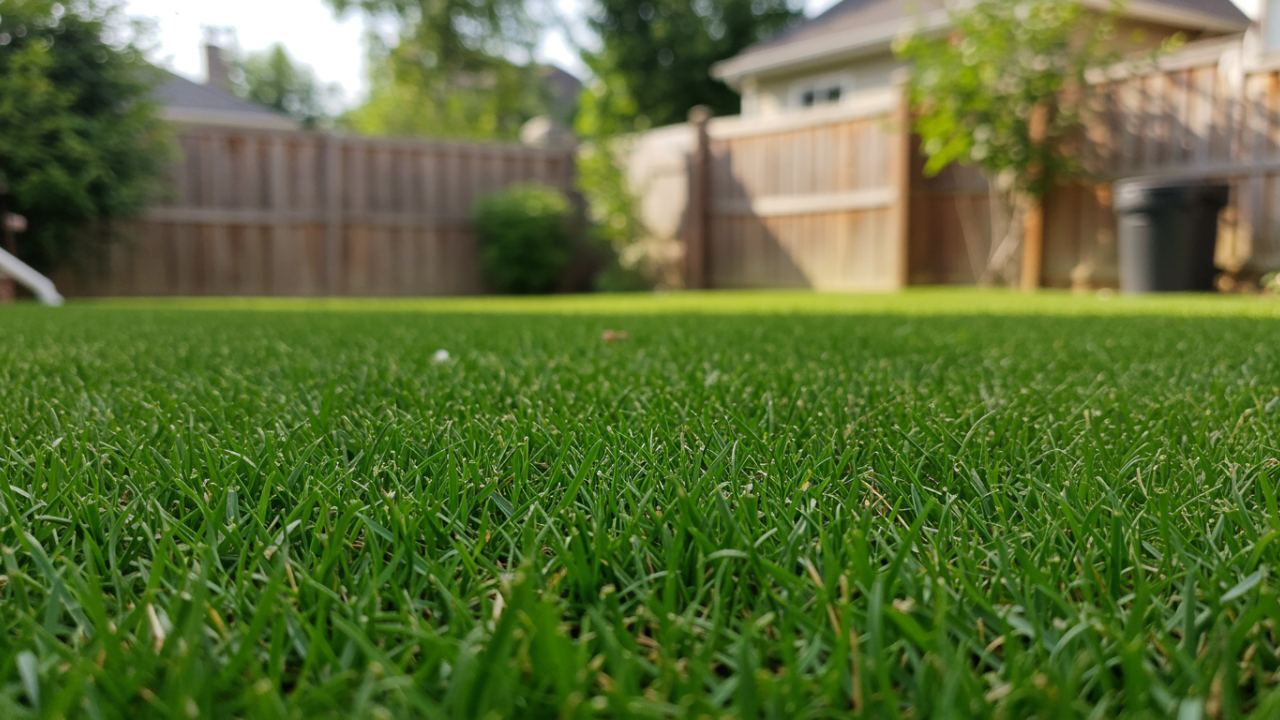
You’re following the rules. You water on schedule, fertilize when the calendar says so, and never miss a mowing day. Yet, the lawn still looks tired. Maybe it’s thinning out, turning a dull shade of brown, or perhaps water just sits in puddles after a storm instead of soaking in.
It’s incredibly frustrating. But here’s the thing: the problem likely isn't what you’re putting on your grass—it’s what’s happening under it.
The culprit is often soil compaction. Think of it as your lawn trying to breathe through a straw that’s been pinched shut. When the soil gets packed down tight, roots suffocate. They can't stretch out, and they certainly can't drink up the nutrients you're feeding them.
That’s where lawn aeration comes in. It’s essentially a reset button for your soil. In this guide, we’re going to break down exactly what lawn aeration is, why it’s the missing piece of your lawn care puzzle, and crucially, when to do it so you don't accidentally hurt your turf.
What is Lawn Aeration?
At its simplest, lawn aeration is about creating space. It involves poking holes into the soil to open up channels for air, water, and nutrients to get down to the root zone.
Over time, life happens to your lawn. Kids playing, weekend barbecues, the weight of your mower, and even gravity all contribute to packing the soil particles closer together. When this happens, the "pores" in the earth collapse.
According to the experts at the University of Maryland Extension, aeration is the fix for this. It physically breaks up that density, allowing oxygen to circulate again. And when roots get oxygen, they dive deeper, creating a lawn that’s tougher and greener.
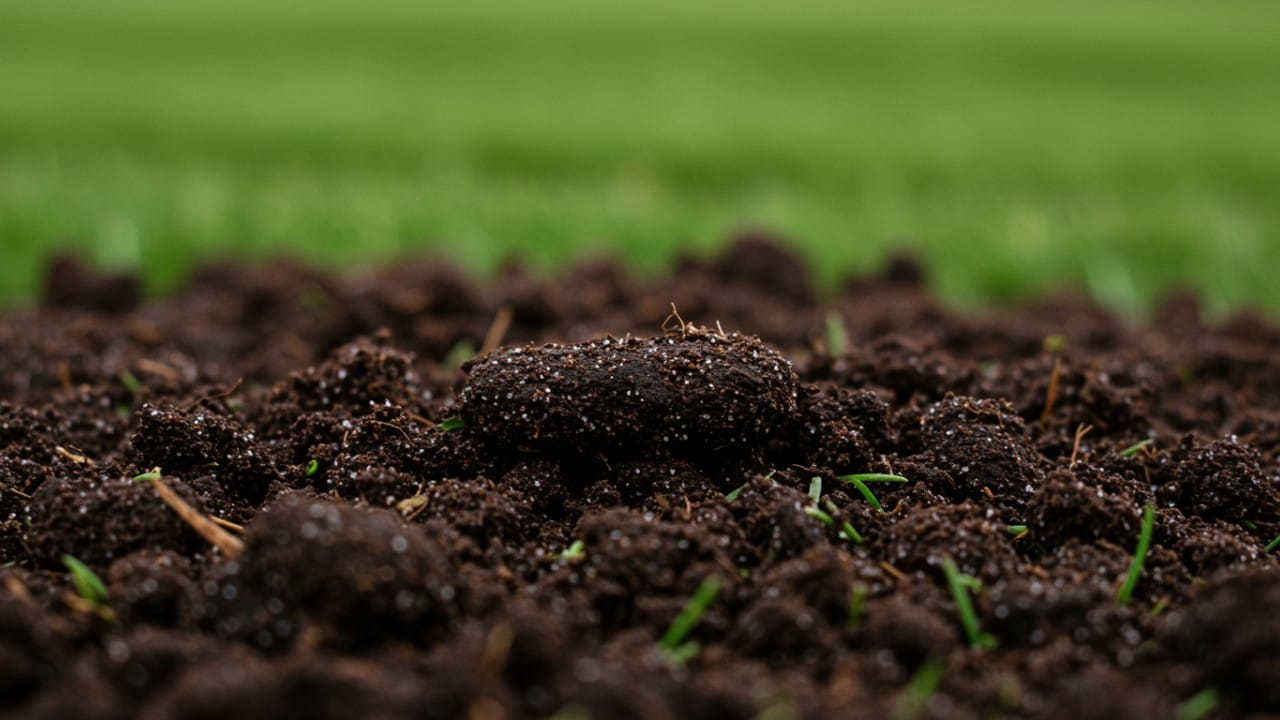
You’ll generally see two ways to get this done:
- Core Aeration: This is the gold standard. A machine actually pulls small "plugs" (cylinders of dirt) out of the ground and leaves them on the surface. If you’re dealing with heavy clay or serious traffic, this is what you want because it physically removes material to create room.
- Spike Aeration: This method just punches holes with solid tines. It sounds helpful, but be careful—it can sometimes make compaction worse by pressing the soil tightly around the new hole. For most struggling lawns, stick with core aeration.
Why You Should Aerate Your Lawn
You might be looking at your yard thinking, "Is this really necessary?"
The short answer is yes, because fertilizer and water are useless if they can't reach the target. Aeration solves the mechanical problems that chemicals can't touch.
Here’s why it’s worth the effort:
- Relieves the Pressure: It loosens up soil that feels like concrete.
- Busts Through Thatch: It punches through that spongy layer of dead organic matter sitting on top of the soil, helping it break down naturally.
- Boosts Absorption: Water and fertilizer stop running off into the street and start soaking into the ground.
- Builds Resilience: Deep roots mean your grass can handle heat waves and drought much better than shallow-rooted grass.
Basically, aeration stops your lawn from suffocating and lets it start eating and drinking again.
When to Aerate Lawn: Timing is Everything
This is where most homeowners mess up. You can't just aerate whenever you have a free Saturday. If you catch the lawn at a weak moment, you might damage it.
The golden rule? Aerate when your grass is growing the fastest. You want the grass to heal those holes immediately.
- For Cool-Season Grasses (like Kentucky Bluegrass, Fescue, Ryegrass): Aim for early fall. This is the sweet spot. The air is cooling down, the soil is still warm, and weeds are less active. Early spring is your backup option, but fall is king.
- For Warm-Season Grasses (like Bermuda, Zoysia, St. Augustine): Wait for late spring or early summer. You want to do this when the heat kicks in and the grass is entering its peak growth spurt.
A quick warning from the Colorado State University Extension: Never aerate a lawn that is dormant or suffering through a drought. You’ll just stress it out. Wait for the grass to wake up and green up first.
5 Signs Your Lawn Needs Aeration
You don’t need a degree in agronomy to diagnose compaction. Your lawn is probably trying to tell you it needs help. Here are five dead giveaways.
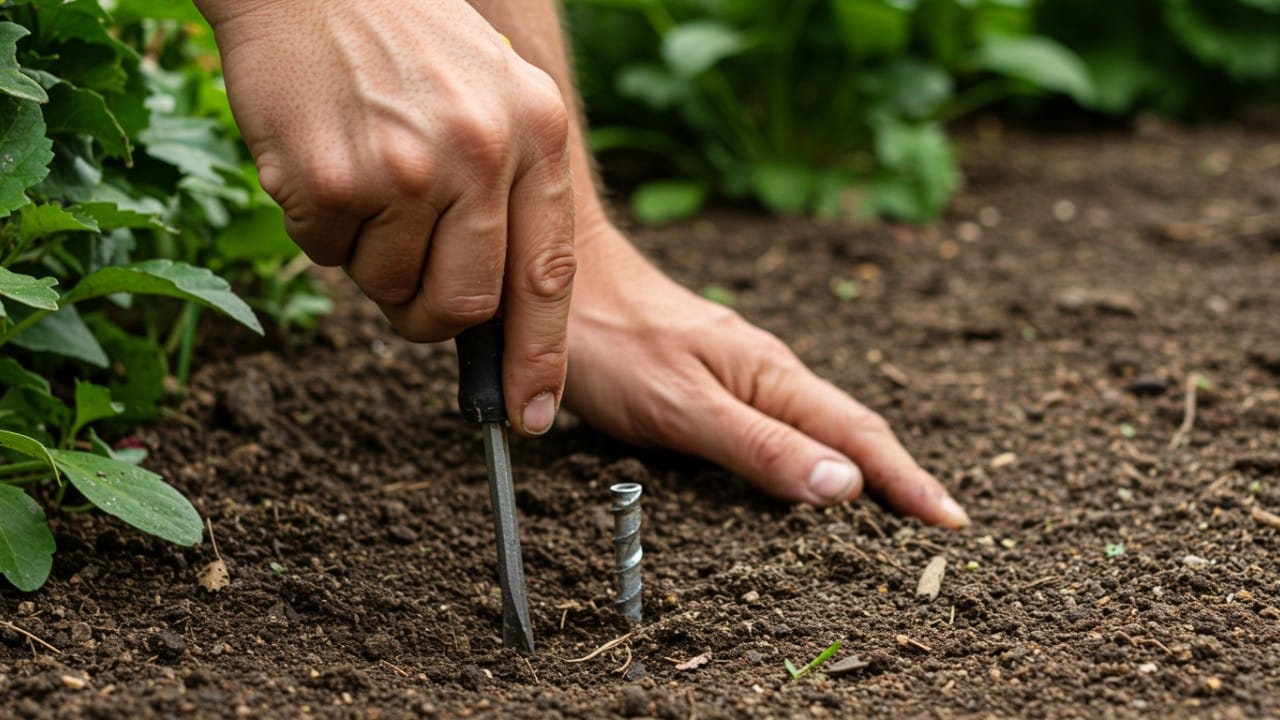
Sign 1: The Screwdriver Test
This is the classic DIY diagnostic. Go outside with a regular screwdriver. Try to push it into the soil. If it slides in 3-4 inches without a fight, you’re good. If it hits a brick wall or you have to lean your body weight on it to get it in, your soil is compacted.
Sign 2: The "Puddle Effect"
Next time it rains, watch the yard. Does the water disappear, or does it pool up? If you see standing water in high spots or runoff streaming onto your driveway, your soil’s pores are sealed shut.
Sign 3: The High-Traffic Zone
Look at the path the dog runs every day, or where the kids play soccer. If the ground there looks worn out and bare compared to the corners of the yard, mechanical compaction is the likely villain.
Sign 4: It Feels Like a Sponge
Walk across the grass. Does it feel overly bouncy or spongy? That’s usually a sign of thick thatch—a layer of debris preventing moisture from hitting the dirt. If that layer is more than half an inch thick, you need to punch through it.
Sign 5: Thinning Despite Feeding
If you are feeding your lawn and watering it, but it still looks malnourished or yellowish, stop adding more fertilizer. The roots aren't accessing what you’ve already put down. Open up the soil, and you’ll likely see a quick turnaround.
Lawn Aeration Aftercare Tips
Once you’ve punched those holes, the clock starts ticking on recovery. The next few weeks are critical.
First off, leave the plugs alone. I know they look like goose droppings, but they are full of nutrients. They will break down in a couple of weeks and feed the soil.
This is also the perfect window to fertilize and overseed. The holes act like perfect little planters, protecting the seeds and giving the fertilizer direct access to the root zone.
But the most important step? Water. You have to keep the soil moist while the roots recover and new seeds germinate. If you let the soil dry out now, you waste all that effort.
Taking the Guesswork Out of Post-Aeration Care
That brings us to the tricky part. "Keep it moist" is easier said than done.
If you water too little, the new seedlings die. If you drown the lawn, you invite fungus or wash the seeds away. It’s a balancing act that frustrates even seasoned gardeners.
Honestly, this is where relying on feel often fails, and where technology can save the day. Modern smart irrigation tools have changed the game here.
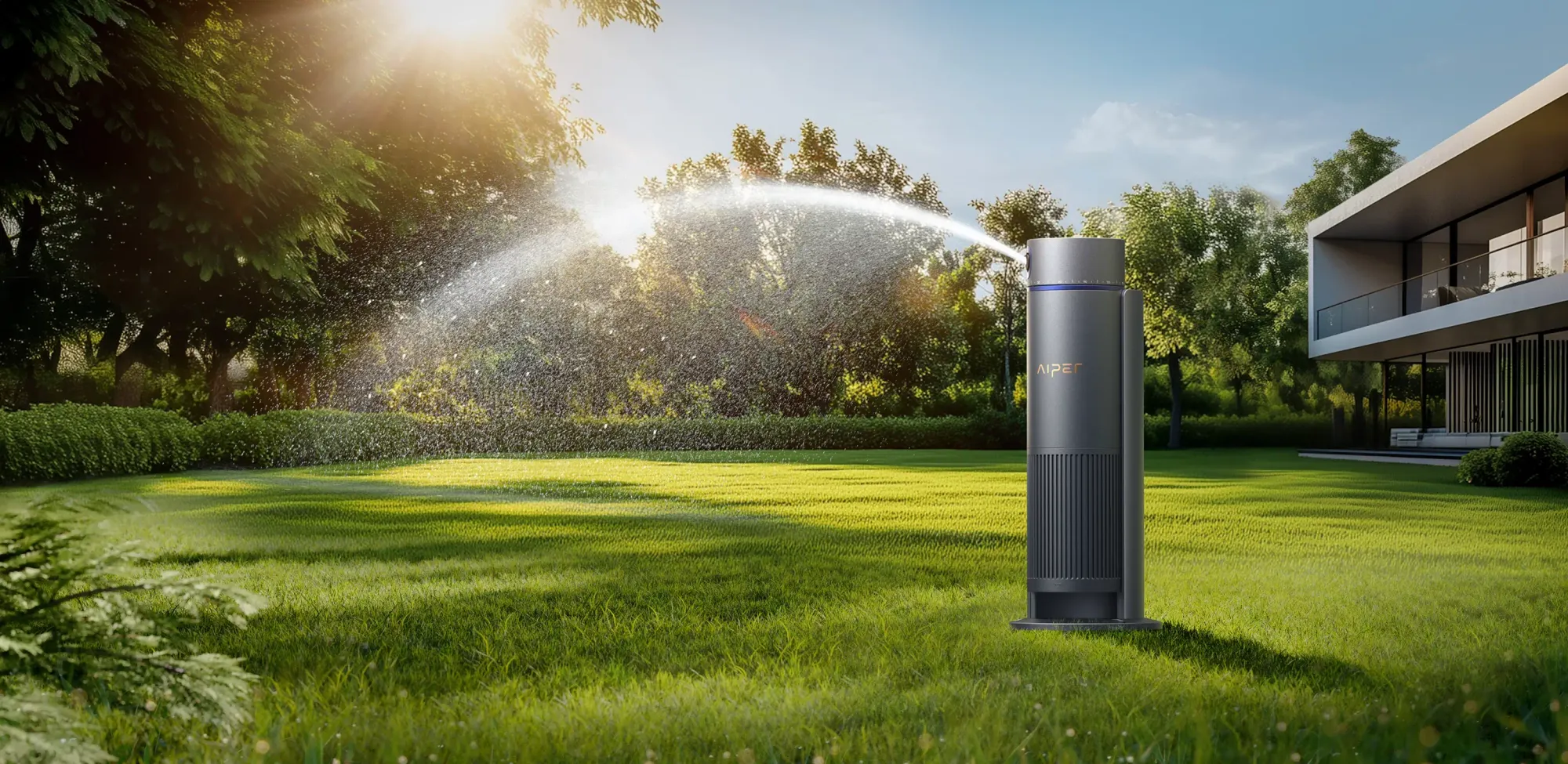
Instead of guessing, devices like the Aiper Irrisense 2 use actual environmental data to make the call. By tracking things like soil needs and local weather, smart controllers adjust the watering schedule automatically. It ensures your recovering lawn gets exactly the hydration it needs—no more, no less. It’s a smart way to protect the investment you just made in aeration without hovering over the sprinkler all day.
Conclusion
Lawn aeration isn't something you do every week, but it’s a powerful tool in your long-term arsenal. It fixes the root causes of a struggling lawn—literally.
So, go grab a screwdriver this weekend and test your soil. If the ground fights back, it might be time to give your lawn some breathing room.
FAQ
How often should I aerate my lawn?
If you have heavy clay soil or lots of traffic, once a year is smart. For sandy soil or healthy lawns, every 2-3 years usually does the trick.
Should I pick up the soil plugs?
No, definitely not. Let them melt back into the lawn. They recycle nutrients and microbes back into the soil structure.