
The Ultimate Guide to Low-Maintenance Landscaping Around Your House for Busy Homeowners
Busy homeowners can create a low-maintenance landscape by cutting down repetitive tasks, choosing native drought-tolerant plants, and using automated watering systems. This greatly reduces weekly yard work time and lowers water usage while keeping the yard attractive with little effort.

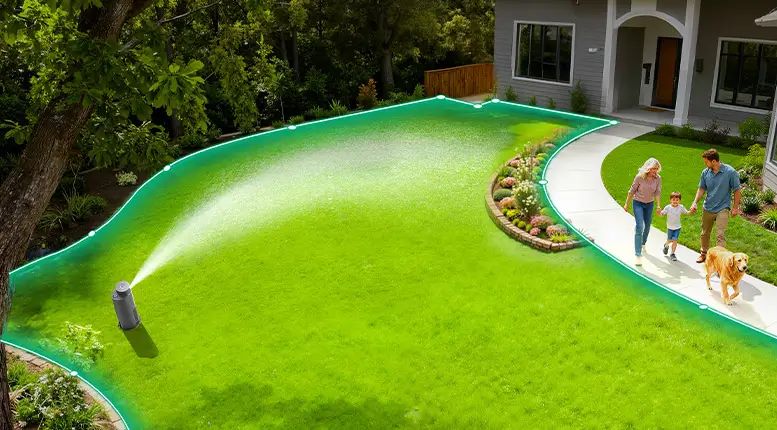
Weekends are supposed to be for relaxing, not for mowing the lawn, pulling stubborn weeds, or dealing with a sprinkler system that never seems to work properly. For many homeowners, yard work can start to feel like a second job. The good news is that it does not have to be that way. With the right approach to low maintenance landscaping around the house, you can enjoy a yard that looks great without demanding constant attention.
This guide will walk you through practical ideas, smart design choices, and modern tools that help you spend less time working outside and more time enjoying it.
What Makes a Landscape Low Maintenance?
A low-maintenance yard is not about neglect. It is about making smarter choices from the start, so you are not constantly fixing problems later.
There are three main principles behind easy yard care. The first is reducing repetitive tasks. This means minimizing things like frequent mowing, trimming, and fertilizing. The less often you need to do something, the more time you save.
The second is choosing the right plants. Native and climate-adapted plants naturally require less water, fewer nutrients, and less attention. They are built to handle local conditions, which makes them far easier to manage over time.
The third is automation. Watering is one of the most time-consuming parts of yard care, and it is also one of the easiest to automate. With the right system in place, you can remove a major chore from your weekly routine.
When these three elements come together, your yard becomes something you can enjoy rather than something you constantly maintain.
Your Low-Maintenance Quick-Start Checklist
Before diving into the details, here is a quick roadmap to simplify your yard:
- Hardscape First: Replace about 30% of your thirsty grass with stone pathways, patios, or mulch to instantly reduce mowing.
- Select Natives: Choose zone-specific, drought-tolerant perennials that thrive on neglect.
- Automate Water: Install a smart, above-ground system (e.g., Aiper IrriSense 2) to eliminate manual watering.
- Mulch Heavily: Apply 2-3 inches of bark or gravel to suppress up to 90% of weed growth and lock in moisture.
Best Low Maintenance Landscaping Ideas for Busy Owners
If you are looking for practical changes that make a real difference, there are several low-maintenance backyard ideas that can quickly reduce the amount of work your yard requires. All of these choices work together to create a space that feels thoughtfully designed but does not demand constant attention.
Add Protective Mulch
One of the simplest upgrades is adding mulch. Whether you choose bark or gravel, mulch helps retain moisture in the soil and physically prevents weeds from taking over. This alone can save hours of weeding every month while also improving the health of your plants.
Incorporate Hardscaping
Replacing sections of grass with hardscaping elements like stone pathways, patios, or seating areas instantly reduces the need for mowing and watering. It also adds structure and visual interest to your yard, serving as a permanent, zero-maintenance feature.
Choose Drought-Tolerant Perennials
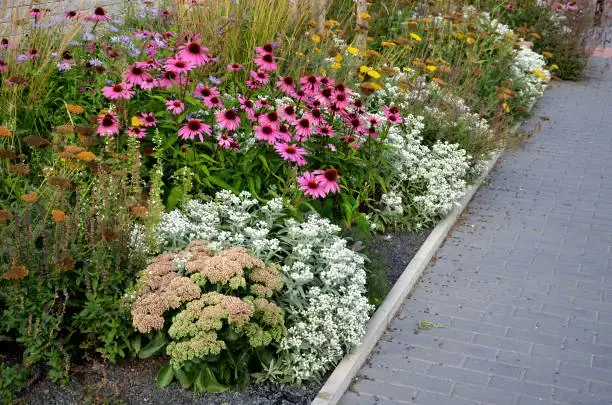
When selecting plants, avoid exotic or high-maintenance flowers that require specific soil pH and daily attention. Instead, opt for drought-hardy perennials like Sedum, Lavender, or Coneflower. These specific plants add vibrant colors to your yard but thrive on neglect—they naturally require less water, fewer nutrients, and are highly resistant to local pests.
Group Plants with Similar Needs
It also helps to keep things simple by grouping plants with similar needs together (a technique known as hydrozoning). When everything in one area requires the same amount of water and care, it takes the guesswork out of maintenance and prevents overwatering.
Utilize Raised Planters
Mix in low-effort design elements like raised planters. They can help keep plants contained and easier to manage without bending over, while also improving drainage. They make watering more efficient and limit the spread of weeds into surrounding areas.
Optimize Plant Spacing
Giving plants enough room to grow prevents overcrowding, which often leads to extra pruning and maintenance later on. When everything has space, air can circulate better, and plants tend to stay healthier with less intervention.
Install Landscape Fabric
Adding landscape fabric beneath mulch or gravel is a small step that makes a big difference. It acts as a durable barrier that slows down weed growth, saving you significant time and effort in the long run.
Add Solar-Powered Lighting
Solar-powered lights along pathways or garden edges enhance the look of your yard without adding any maintenance. Since they do not require complex wiring or ongoing care, they are the ultimate easy upgrade for busy homeowners.
The Minimalist Lawn Maintenance Calendar
A low-maintenance yard does not mean "zero maintenance forever"—complete neglect will eventually lead to an overgrown space. However, you can reduce your workload to a highly predictable, seasonal checklist:
- Spring: Apply a fresh layer of mulch to block summer weeds and inspect your smart watering system.
- Summer: Let your automated irrigation handle the watering; just perform occasional light trimming if a pathway gets blocked.
- Fall: Do a quick cleanup of fallen debris and cut back specific perennials before winter sets in.
That is it—no weekly mowing, no daily watering, and no weekend-ruining chores.
Zero-Maintenance Landscaping Ideas (Almost No Work Required)
For homeowners who want to take things even further, there are landscaping approaches that require almost no ongoing effort.
One popular option is switching to a gravel-based yard. By replacing grass with gravel and adding a few well-placed plants in containers, you can get rid of mowing, edging, and most watering altogether. It gives your space a clean, modern feel without demanding much effort.
Another route is going with a native meadow or a no-lawn setup. Instead of maintaining traditional grass, you let native plants and grasses grow in a more natural way. Once they are established, they need very little watering or upkeep.
If cutting down on water use is a priority, swapping out thirsty grass for drought-tolerant plants or exploring water-efficient xeriscaping designs can make a big difference. In some cases, it can even remove the need for regular irrigation.
These options are great if you want a yard that still looks good but does not require constant work to keep it that way.
Smart Watering Solutions: Set It and Forget It
Watering is often the most time-consuming and frustrating part of yard care. Traditional underground irrigation systems can be expensive to install, difficult to maintain, and prone to hidden leaks. On the other hand, manual watering takes time and often leads to inconsistent results.
Modern solutions offer a much simpler alternative. Instead of relying on complex underground setups, many homeowners are switching to smart, above-ground systems that are easier to install and manage.
A good example is the Aiper IrriSense 2, which combines multiple functions into a single device. It works as a controller, sprinkler, fertilizer system, and valve, all in one unit. This eliminates the need for complicated installations or multiple pieces of equipment.
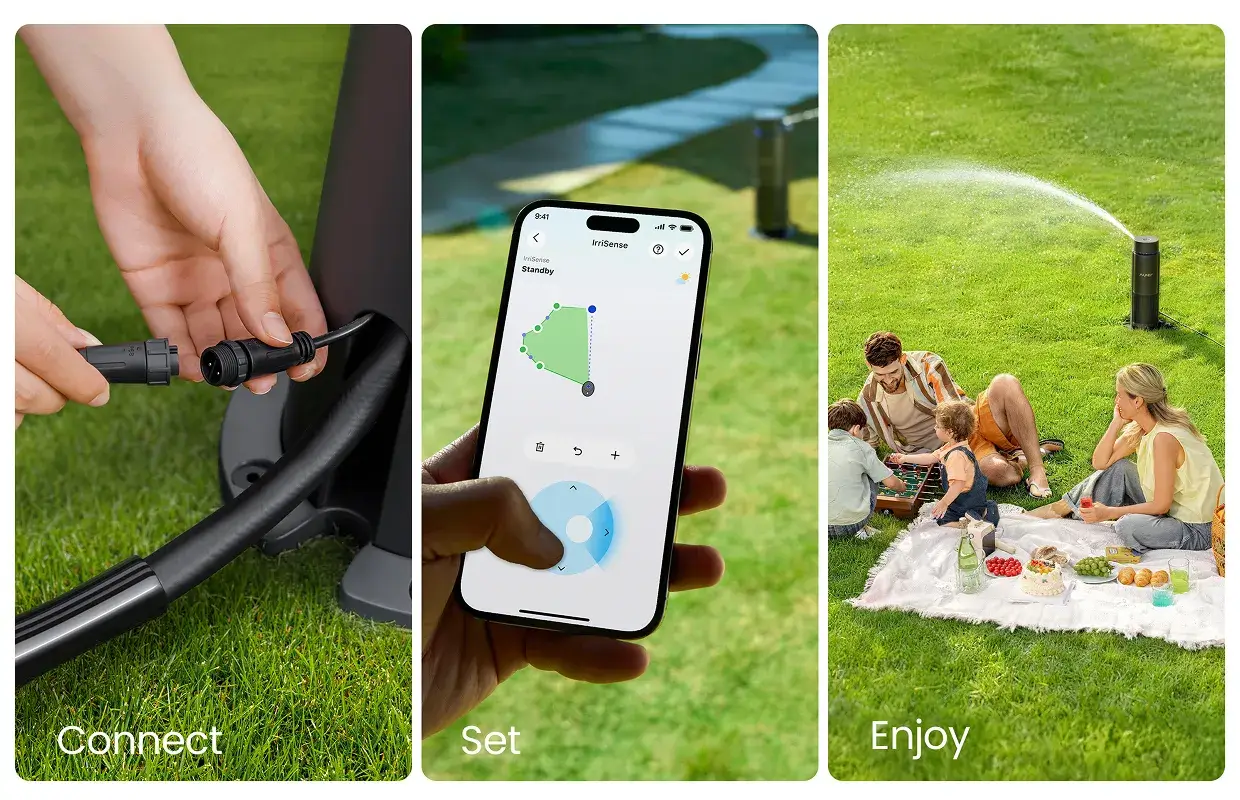
The biggest advantage is how easy it is to use. You can control everything through an app, set watering schedules, and let the system adjust based on weather conditions. This “set it and forget it” approach removes the guesswork and saves time.
It also avoids the hassle of digging trenches or installing underground pipes, allowing you to set up a smart sprinkler system without digging up your yard.
With even water distribution and smart scheduling, systems like this can reduce water usage by up to 40 percent while still keeping your lawn healthy. For busy homeowners, this kind of automation makes a noticeable difference in both time and effort.
Traditional vs. Smart Landscaping Care
Here is a quick comparison to show how traditional yard care stacks up against a smarter, low-maintenance approach:
| Feature / Metric | Traditional Yard Care | Smart / Low-Maintenance Approach |
|---|---|---|
| Weekly Time Spent | 3 to 5 hours | Under 15 minutes |
| Water Usage | High and often wasteful | Optimized (reduces usage by up to 40%) |
| Setup Effort | Requires digging, trenching, and complex installation | Simple setup with app control (No digging) |
| Maintenance Level | High, with constant upkeep | Minimal, with automation handling most tasks |
This comparison highlights how much easier yard care can become with the right setup and modern tools.
Common Mistakes to Avoid in Front Yard Landscaping
When simplifying front yard landscaping, it is easy to make choices that actually increase maintenance instead of reducing it.
One common mistake is choosing plants based only on appearance. Exotic or high-maintenance plants may look appealing at first, but they often require specific care, frequent watering, and ongoing attention.
Another issue is not planning for how plants will grow over time. A plant that looks small and manageable at the nursery can quickly outgrow its space. This leads to overcrowded beds and constant pruning to keep everything under control.
It is also important to think about placement. Putting high-maintenance plants in hard-to-reach areas can make routine care more difficult than it needs to be.
Avoiding these mistakes helps ensure your yard stays simple and manageable in the long run.
Conclusion
Creating a low-maintenance yard is not about doing less. It is about doing things smarter from the beginning. By combining thoughtful design, durable materials, and automated watering, you can build a landscape that looks great without taking up your free time.
If you are not sure where to start, focus on one area this weekend. Replace a patch of grass, add mulch, or upgrade your watering system. Small changes can quickly add up, helping you create a yard that works for your lifestyle instead of against it.
FAQs About Low-Maintenance Landscaping
How do I reduce lawn maintenance without removing grass?
You can lower maintenance by mowing at the proper height, leaving grass clippings to naturally fertilize the soil, and using smart watering systems to avoid overwatering. These steps help keep your lawn healthier with less effort.
What is the cheapest low-maintenance landscaping option?
Mulch is one of the most affordable and effective options. It reduces weed growth, retains moisture, and improves soil health, all while requiring very little upkeep.
How do I design a yard that needs no watering?
A no-water yard typically relies on drought-tolerant plants, gravel, and hardscaping. Using strategies like xeriscaping and choosing plants adapted to your climate can help you create a landscape that thrives with minimal or no irrigation.