Organic vs. Synthetic Fertilizer: Pros, Cons, and Best Choices
Organic fertilizers build long-term soil health safely, while synthetic options offer fast greening. Learn to balance both for a resilient, vibrant lawn without risking fertilizer burn.

Standing in the lawn care aisle at a hardware store can feel overwhelming. Shelves are packed with bags and bottles promising greener grass, thicker growth, and better soil health. For many homeowners, the real challenge is figuring out which type actually works best.
When weighing organic vs synthetic fertilizers, the decision often comes down to your lawn’s needs and how quickly you want to see results. Some fertilizers focus on long-term soil health, while others deliver fast-acting nutrients that quickly boost grass growth.
This guide breaks down the real differences between organic and chemical fertilizers, including how they work, their advantages and drawbacks, and how to choose the right option for your lawn care routine.
What is the Difference Between Organic and Synthetic Fertilizers?
Understanding how fertilizers work begins with knowing where they come from and how they deliver nutrients to plants. While both types provide essential nutrients like nitrogen, phosphorus, and potassium, the way they interact with soil and grass is very different.
What is Organic Fertilizer
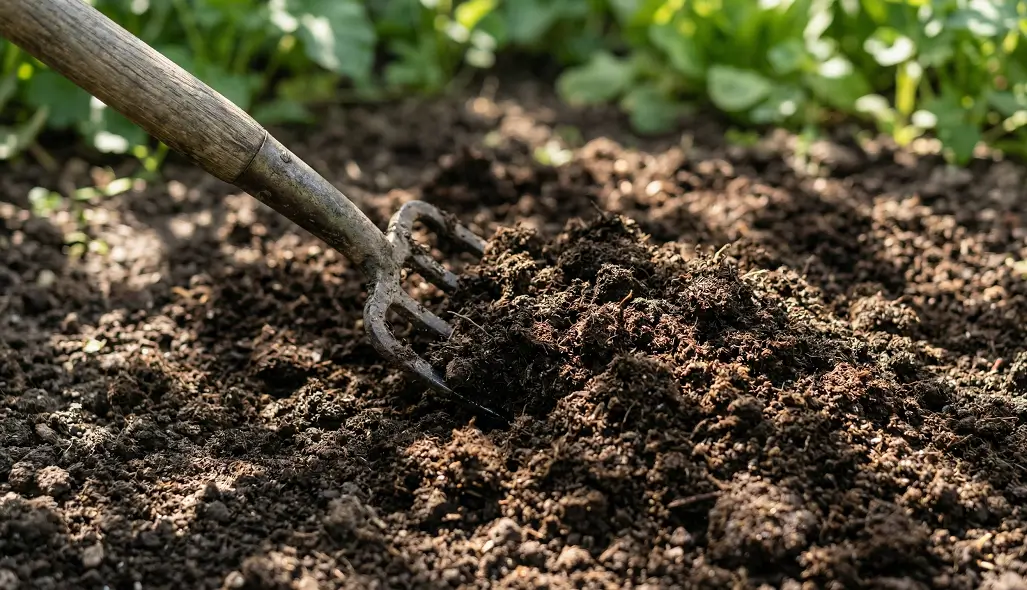
Organic fertilizers come from natural sources such as plant material, animal byproducts, or naturally occurring minerals. Common examples include compost, manure, bone meal, blood meal, and seaweed-based fertilizers.
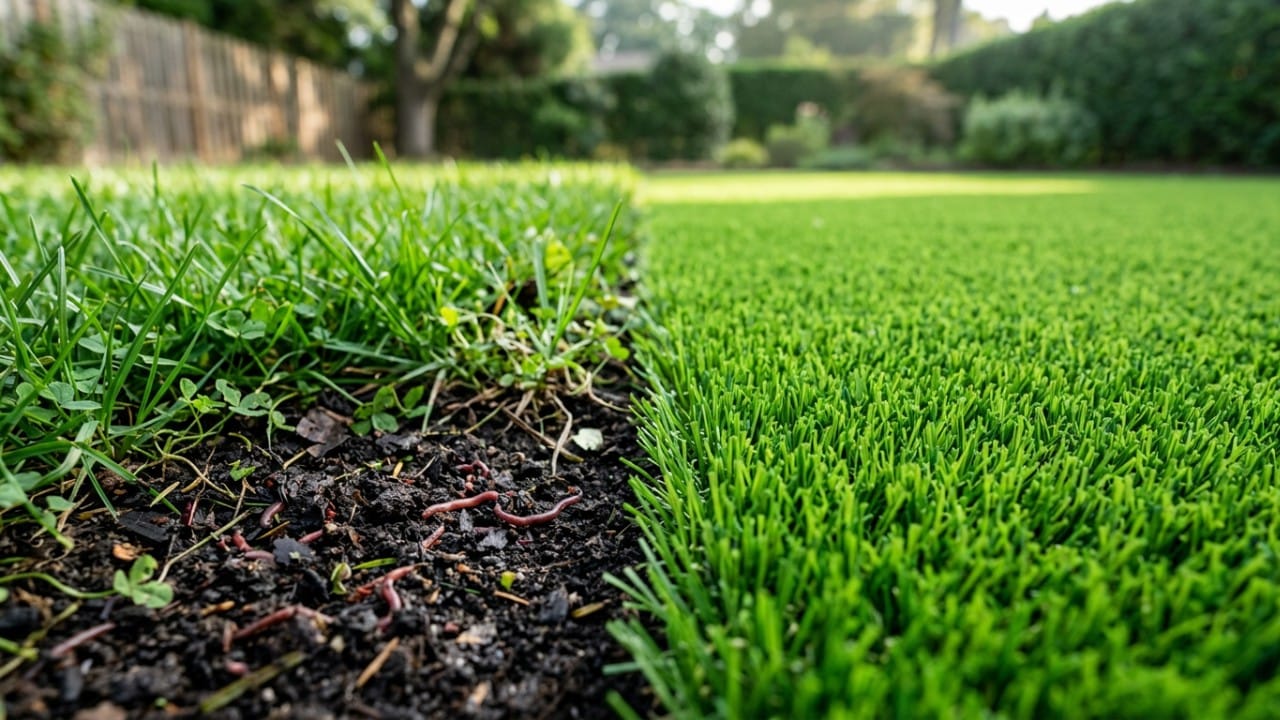
Instead of feeding the plant directly, organic fertilizer feeds the soil first. Soil microbes break down the organic matter over time, gradually releasing nutrients that the grass roots can absorb. This process creates a slow and steady supply of nutrition that supports long-term soil health.
Another advantage of organic materials is their ability to improve soil structure. As they decompose, they add organic matter that helps soil retain moisture, improves aeration, and supports beneficial microorganisms.
The tradeoff is that results take longer to appear. Because microbes must break down the material first, it may take several weeks before the grass shows visible improvement. For homeowners focused on long-term lawn health rather than immediate visual results, organic options are often a reliable choice.
Understanding Synthetic (Chemical) Fertilizers
Synthetic fertilizers, often referred to as chemical fertilizers, are manufactured through industrial processes. They contain precise nutrient formulas designed to deliver nitrogen, phosphorus, and potassium directly to plants.
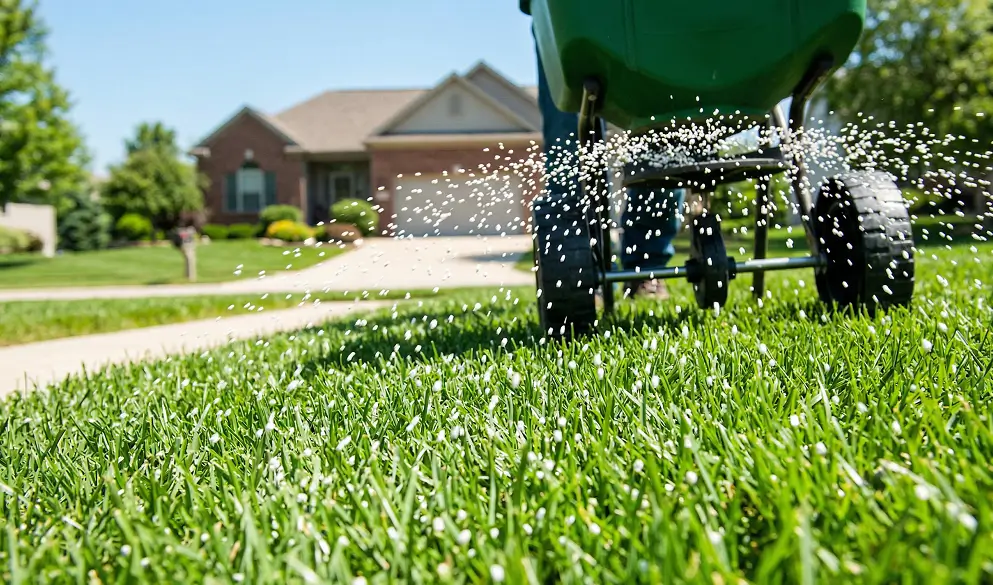
Unlike organic materials, synthetic fertilizer dissolves quickly in water. This allows nutrients to move directly into the soil and become immediately available to the grass roots.
According to the University of Nebraska-Lincoln, synthetic fertilizers provide nutrients that plants can absorb right away, which explains why lawns often green up quickly after application. However, these products typically do not improve soil structure or microbial activity over time.
Because they deliver nutrients so quickly, synthetic fertilizers can be very effective for correcting nutrient deficiencies or reviving stressed lawns. However, careful application is important since too much fertilizer can damage grass or lead to nutrient runoff.
Quick Comparison: Organic vs Synthetic Fertilizers?
Below is a simple comparison to highlight the main differences between organic fertilizer vs synthetic fertilizer options.
| Factor | Organic Fertilizers | Synthetic Fertilizers |
|---|---|---|
| Nutrient Release Speed | Slow, gradual release as microbes break down material. | Fast-acting nutrients available almost immediately. |
| Upfront Cost | Often higher per bag. | Usually more affordable initially. |
| Soil Health Impact | Improves soil structure and microbial activity. | Limited impact on soil health. |
| Burn Risk | Very low risk of burning grass. | Higher risk if overapplied. |
| Environmental Impact | Generally more environmentally friendly. | Potential runoff concerns if misused. |
This quick overview helps homeowners understand why many lawn care programs combine both approaches depending on seasonal needs.
Pros and Cons of Each Fertilizer Type
Both fertilizer types have advantages and drawbacks. Understanding these differences helps homeowners choose the right approach for their specific lawn conditions.
Advantages and Disadvantages of Organic Fertilizers
Organic fertilizers are widely valued for their environmental benefits and long-term soil improvements.
One of their biggest advantages is sustainability. Because they come from natural materials, they contribute to a healthier soil ecosystem. Organic matter encourages microbial life, improves soil texture, and increases the soil’s ability to retain moisture.
Another benefit is safety. Organic products release nutrients slowly, which greatly reduces the risk of damaging grass. This makes them a forgiving option for beginners who are still learning proper lawn care techniques.
However, organic fertilizers also have some limitations. The most noticeable drawback is slower results. Since microbes must break down the materials before nutrients become available, grass may take longer to respond compared with synthetic fertilizers.
Organic fertilizers can also be more expensive and typically contain lower nutrient concentrations. This means larger quantities may be required to achieve the same nutrient levels as synthetic alternatives.
Advantages and Disadvantages of Chemical Fertilizers
Synthetic fertilizers are often preferred when homeowners want fast, visible results. Because nutrients are immediately available to plants, lawns can show a greener color within a few days of application.
Another advantage is precision. Manufacturers create formulas with exact nutrient ratios, allowing homeowners to address specific deficiencies in their soil. This level of control can be helpful for maintaining balanced lawn nutrition throughout the growing season.
Cost can also be a factor. Synthetic fertilizers are generally more affordable per application, which makes them appealing for large lawns that require frequent feeding.
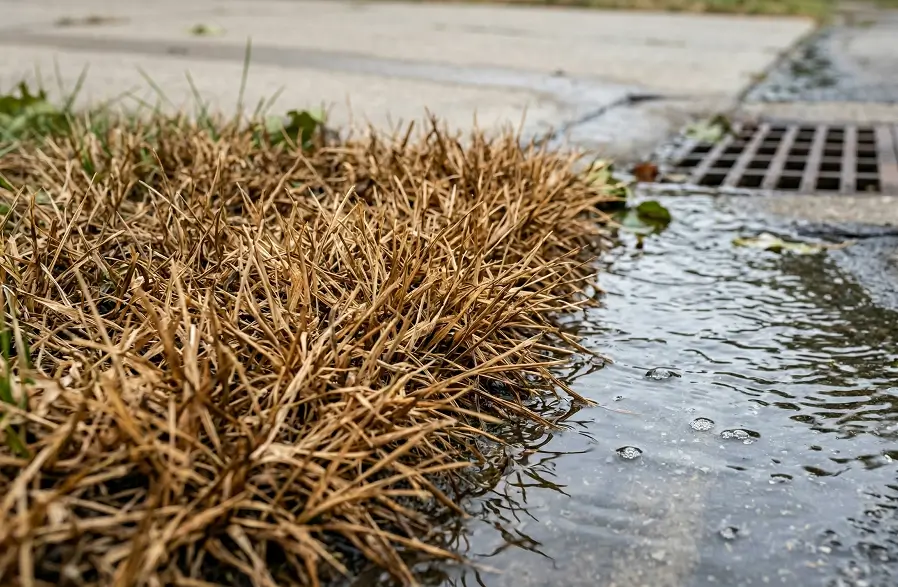
Despite these benefits, chemical fertilizers come with several risks. One concern is environmental runoff. If fertilizer is applied before heavy rain or watered incorrectly, nutrients can wash away into nearby waterways. Because of this, many U.S. states and local municipalities have enacted strict laws restricting the use of phosphorus-rich synthetic fertilizers on established lawns to protect local water quality. Always check your local regulations before purchasing or applying these products.
The biggest risk, however, is overapplication. Applying too much synthetic fertilizer can burn grass blades and create brown patches across the lawn. If that happens, homeowners should review guidance on identifying and treating fertilizer burn, such as this guide on how to fix fertilizer burn.
For best results, synthetic fertilizers should always be applied carefully and followed by proper watering.
How to Maximize Fertilizer Efficiency with Smart Lawn Care
Choosing the right fertilizer is only part of successful lawn care. The way fertilizer is watered into the soil plays an equally important role in how well nutrients reach the roots.
Uneven watering can lead to several problems. Some areas of the lawn may receive too much moisture, creating muddy patches where nutrients wash away. Other sections may remain dry, preventing fertilizer from dissolving and reaching the root zone.
Moisture is especially important regardless of whether homeowners are applying liquid vs granular fertilizers. Both types rely on water to move nutrients into the soil where roots can absorb them. Understanding the differences between liquid and granular fertilizer can help homeowners choose the best application method for their lawn.
Modern irrigation tools are making this process easier and more precise. One example is the Aiper IrriSense 2, a compact 4-in-1 smart irrigation system designed to simplify lawn watering and fertilizer application.
Rather than relying on complex underground irrigation setups, this system combines several functions into a single device. It integrates the irrigation controller, sprinkler, chemical or fertilizer sprayer, and valve in one unit. This design reduces installation effort and eliminates the need for digging trenches across the yard.
Another key advantage is its watering accuracy. The system uses EvenRain™ technology along with a TÜV-certified pressure stabilization system to deliver consistent and evenly distributed water coverage. This helps prevent dry spots or overly saturated areas that can waste fertilizer or damage grass.
Water conservation is also built into the system. With optimized irrigation scheduling and efficient water distribution, the system can reduce water usage by up to 40 percent while still maintaining healthy grass growth.
By ensuring nutrients are distributed evenly and reach the root zone efficiently, smart irrigation technology helps homeowners get the most value from their fertilizer applications.
Summary: Which Fertilizer Should You Choose?
The choice between organic or chemical fertilizers often comes down to what your lawn needs most and how quickly you want to see results.
If your grass is looking pale or struggling, synthetic fertilizers can help turn things around fairly quickly. Because the nutrients are readily available, lawns often start to green up within a short time. This can be especially helpful when the grass is under stress from heat, heavy use, or poor soil conditions.
Organic fertilizers work a little differently. Instead of feeding the grass right away, they help build healthier soil over time. As organic materials break down, they support beneficial microbes and improve the soil’s ability to hold moisture and nutrients. For homeowners who care about long term lawn health and sustainability, this approach can be very rewarding.
In practice, many gardeners combine both options. A small amount of synthetic fertilizer can provide a quick boost when the lawn needs it, while organic products continue improving the soil in the background.
Whichever type you choose, how you apply and water it matters just as much as the product itself. Spreading fertilizer evenly and watering it in properly helps nutrients reach the roots and keeps your lawn growing strong.
Frequently Asked Questions (FAQ)
Can I mix organic fertilizer with synthetic fertilizer?
Yes. Many lawn care programs combine both types of fertilizers. Synthetic products provide quick nutrients, while organic materials improve soil health over time. This hybrid approach allows homeowners to balance immediate results with long-term soil improvement.
Which fertilizer is safer for pets and children?
Organic fertilizers are generally considered safer immediately after application because they release nutrients slowly and contain natural ingredients. Synthetic fertilizers may require a short waiting period or thorough watering before pets and children return to the lawn.
How long does it take for organic fertilizer to work compared to chemical fertilizers?
Organic fertilizers typically take several weeks to show noticeable results because soil microbes must break down the materials first. Synthetic fertilizers, in contrast, can produce visible green growth within a few days since nutrients are immediately available to plants.