
The Vital Role of Microbes in Soil for Lawn Water Retention
Unlock your lawn's water retention potential by nurturing soil microbes. These tiny organisms create natural sponges, cycle nutrients, and reduce irrigation needs by up to 40% without harsh chemicals.

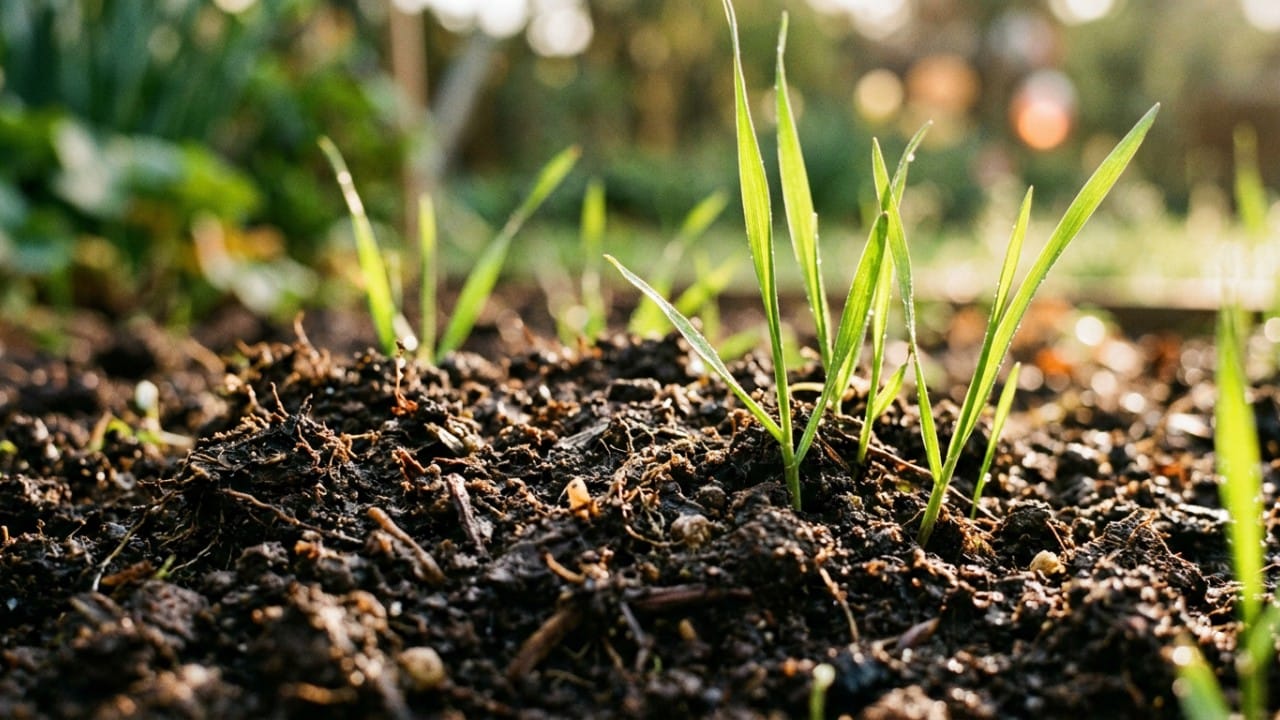
Have you ever watered your lawn again & again and still ended up staring at dry patches? A friend in Arizona once joked that his lawn drank more water than his dog. Yet the grass still looked tired. Here is the twist most homeowners miss. Healthy grass is not just about sprinklers or fertilizer. The real engine sits underground, working quietly all day long.
That engine is the microbial life living in the soil. Once you understand the role of microbes in soil, a lot of lawn problems suddenly make sense.
In this guide, we will talk about the tiny organisms supporting your lawn, the mistakes that wipe them out, and the smarter way to rebuild a soil ecosystem that basically helps your lawn take care of itself.
What Are Microbes in Soil?
Let me put it simply. Soil is not just dirt. It is alive. Tiny organisms live their billions of them in a single handful of soil. These include bacteria, fungi, protozoa, and microscopic nematodes. Together they keep the soil ecosystem running. In my experience, thinking of microbes as the lawn’s digestive system helps a lot. Grass drops organic material like roots and clippings. Microbes break it down; nutrients get released and the grass eats again. The cycle continues.
So, when someone asks what are microbes in soil, the answer is pretty straightforward. They are the workers behind the scenes breaking down organic matter, feeding plant roots, and keeping soil healthy enough for grass to grow without constant intervention.
How Microorganisms in Soil Benefit Your Lawn
A lawn might look simple from the surface. Just grass. Maybe some weeds. But below that thin green layer there is a busy world. Microorganisms in soil are constantly building structure, moving nutrients, and protecting roots. I like to think of it as a tiny city underground. Everything is connected.
Improving Water Retention
Here is something surprising. Microbes actually help soil hold water. Certain fungi produce a sticky substance called glomalin. It acts like natural glue, binding soil particles together. Those clusters create tiny spaces between soil grains. Those spaces matter a lot. They hold water like mini sponges. So instead of irrigation water running off the lawn or evaporating quickly, moisture stays trapped in the soil where roots can reach it.
Lawns with healthy soil biology stay moist longer after watering. Meanwhile, lawns with dead soil dry out almost immediately. That is one quiet but powerful part of the role of microbes in soil.
Powering Nutrient Cycling with Lawn Growth Bacteria
When grass clippings settle on the ground, autumn leaves fall, and old roots decompose, lawn growth bacteria begin their essential work. These bacteria break down dead organic matter into bio-available nutrients that plants can actually absorb. Trapped nitrogen becomes available. Phosphorus gets released.
Beyond just feeding the grass, these microbes also drive essential carbon sequestration. As they digest organic matter, they pull carbon from the atmosphere and lock it deep in the ground, effectively turning your yard into a tiny, eco-friendly carbon sink. Suddenly, the lawn has a steady food supply while benefiting the environment.
But here is the catch: soil chemistry affects these bacteria more than most people realize. If the dirt becomes too acidic or too alkaline, microbial activity grinds to a halt. Nutrient cycling weakens, and the lawn begins to starve. That is why it helps to spend a little time understanding the soil pH effect on plant health. Even small pH adjustments can wake up dormant microbial activity and turn your soil back into a nutrient factory.
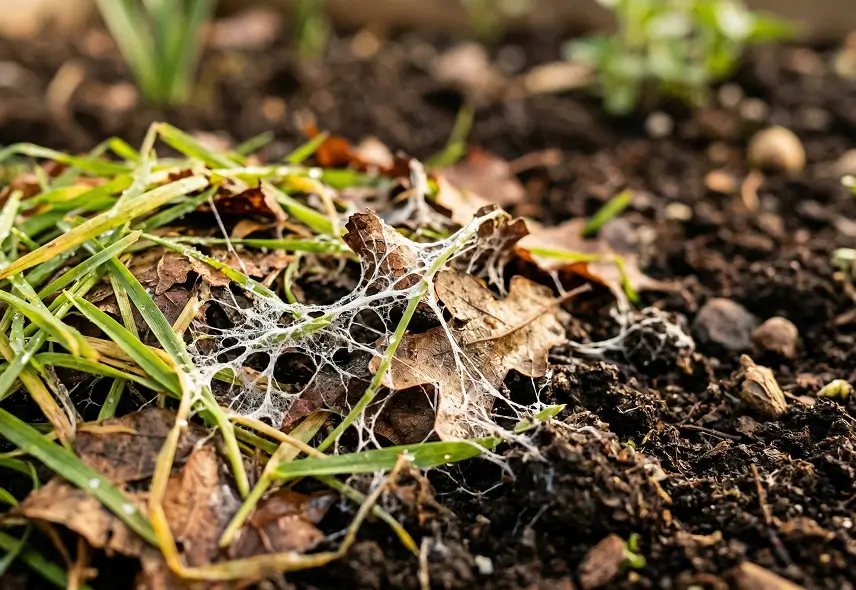
Natural Disease Suppression and Loosening the Soil
Healthy soil microbes actually defend plants. When beneficial microbes fill the soil, they crowd out harmful organisms. There is simply no room left for disease-causing pathogens to settle in.
As microbes digest organic matter, they create tunnels and pores throughout the soil. That natural activity loosens compacted ground. Roots spread deeper. Air moves freely. So instead of suffocating roots, the soil becomes breathable.
Common Lawn Care Mistakes That Kill Soil Microbes
Let me say something blunt. A lot of lawn care advice accidentally destroys soil life. I have seen homeowners dump heavy doses of synthetic fertilizer every few weeks. The grass turns bright green for a moment. But below the surface, microbial life crashes. Synthetic fertilizers often behave like salts. They pull moisture away from microorganisms. And when microbes dry out, they die. Another common issue? Overwatering.
People assume more water equals healthier grass. But when soil stays soaked, oxygen disappears and most beneficial microbes need oxygen to survive. Then there is the pesticide overload. Some chemical treatments wipe out pests but they also harm the beneficial microbes protecting your lawn. So, the soil loses its natural defense system.
How to Rebuild Your Soil Ecosystem & Save Water
The good news? Soil ecosystems bounce back surprisingly well. And according to the City of Boulder’s organic lawn care guide, compost is one of the easiest ways to restart microbial life in soil. High-quality compost adds nutrients and provides a home for beneficial microorganisms, especially after aeration.
But the real shift comes when you combine organic soil care with smarter irrigation.
| Traditional Lawn Care | Ecological Smart Care |
|---|---|
| Heavy chemical fertilizer use | Supports natural soil biology |
| Frequent watering | Soil stores moisture naturally |
| Shallow grass roots | Deeper root systems |
| Higher water bills | Reduced irrigation demand |
| Short-term green results | Long-term lawn resilience |
Once soil life returns, lawns begin holding water better. Which means less irrigation, fewer inputs, and healthier grass overall.
Boost Soil Health with SoilPulse™ Microbial Organic Soil Amendment
Sometimes soil simply needs a jump start. Especially if years of chemical treatments wiped out microbial life. That is where SoilPulse™ Microbial Organic Soil Amendment comes in. It combines organic nutrients with beneficial microbes designed to improve soil structure and fertility.
Exclusive to the U.S. market, this formula is highly effective on common American grass types, whether you are growing cool-season Tall Fescue or warm-season Bermuda grass. It combines organic nutrients with active, beneficial microbes designed to instantly improve soil structure and fertility. In practice, that means drastically better water retention and robust root growth.
I have noticed something interesting when microbial amendments are used consistently. Lawns begin competing with weeds naturally. Healthy grass thickens. Weeds struggle to find space.
And the big advantage? SoilPulse™ works without harsh chemical treatments. It rebuilds soil biology instead of forcing short-term growth. Right now it is available only in the United States market.
Automate and Optimize with Aiper IrriSense 2
Even healthy soil needs consistent watering. But timing and distribution matter more than people realize. That is where the Aiper IrriSense 2 irrigation system becomes interesting. It is designed as a 4-in-1 smart irrigation setup. Controller, sprinklers, electrical valve, and nutrient feeder all working together.
The system can distribute organic amendments while watering. That means microbial products like SoilPulse can be applied evenly across the lawn. This approach connects closely with understanding what fertigation is delivering nutrients and water at the same time. The Weather-Sense Response System adjusts watering schedules automatically based on weather conditions. Meanwhile EvenRain™ technology spreads water evenly across each zone. The result? Deeper root growth and up to 40 percent water savings. Which honestly feels like a win in any climate.
FAQs
How do I know if my soil lacks microbes?
Compacted soil, thick thatch layers, and grass that needs constant fertilizer are strong warning signs. Lawns that dry out quickly after watering may also indicate weak microbial activity.
Can lawn growth bacteria survive the winter?
Yes. Most beneficial bacteria and fungi simply go dormant during cold weather. When soil temperatures rise in spring, microbial activity returns and continues supporting plant growth.
How does the Aiper IrriSense 2 apply microorganisms to soil?
The system includes a built-in feeder that mixes microbial amendments with irrigation water. This allows products like SoilPulse™ to spread evenly across multiple lawn zones during watering.
Final Thoughts
If there’s one thing I wish more homeowners understood, it’s this: a healthy lawn begins below the surface, in the soil where the real work happens. The role of microbes in soil shapes everything water retention, nutrient flow, root strength, even weed resistance. Ignore soil biology and lawn care becomes a constant struggle. Support it, and suddenly things get easier. So, here is the hot take. Instead of pouring more fertilizer and water on your lawn this summer focus on feeding the soil. Add organic matter. Protect microbial life. Use irrigation that works with the ecosystem instead of against it.