
The Best Pool Vacuum for Pebble Tec: Why Most Cleaners Fail (And What Actually Works)
For Pebble Tec pools, a robotic cleaner with continuous tracks, active scrubbing, and fine filtration is the best choice. This design effectively handles the rough surface, removing fine debris from crevices to deliver consistent cleaning results.

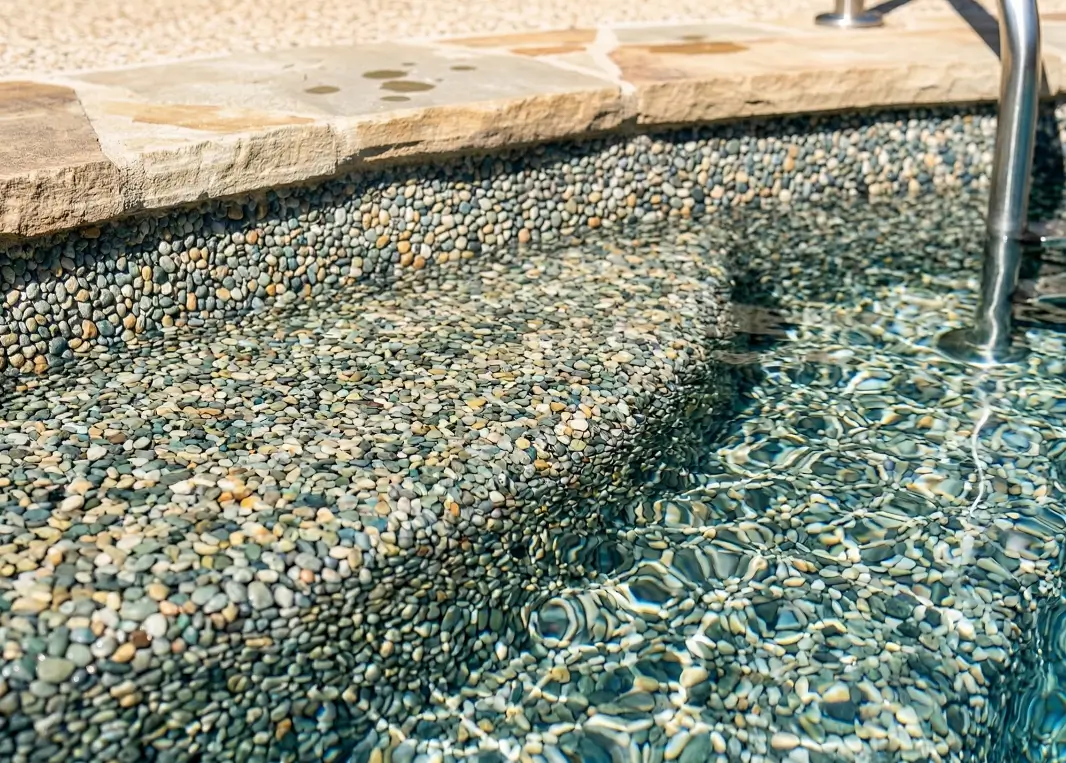
Pebble Tec is one of those upgrades that makes a backyard feel like a resort. It looks premium. It holds up. It has that natural, textured finish that hides minor wear better than smooth plaster.
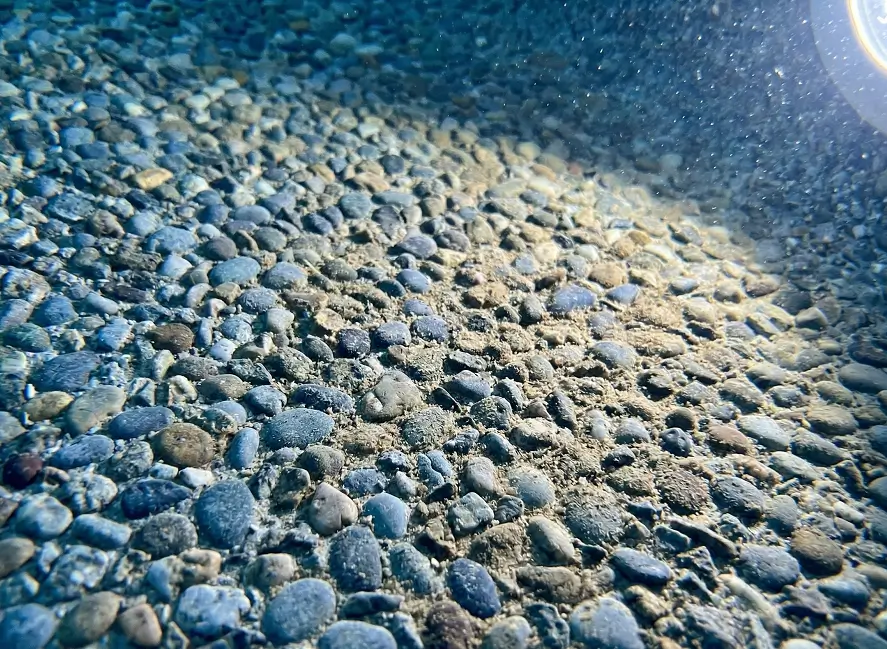
But that same texture is exactly why so many “normal” pool vacuums feel like a weekly fight. You see dust still sitting in the crevices. The cleaner slips on the slope. The waterline gets grimy fast. And you start wondering if you are doing something wrong.
You are not. Most traditional cleaners were designed for smoother surfaces and simpler debris patterns. Pebble Tec is a different terrain. Once you match the cleaner to the terrain, the frustration usually disappears.
Why Traditional Pool Vacuums Struggle on Pebble Tec
Traditional suction cleaners and manual vacuums can work on Pebble Tec, but they are fighting physics. Pebble Tec is an exposed aggregate style finish with a natural texture. That texture creates tiny valleys that hold onto fine debris and biofilm, and it changes how a cleaner seals, grips, and scrubs.
The most common complaints you will see from Pebble Tec owners are consistent: spotty pickup of dust, random movement, getting stuck, and faster wear on contact parts. Those complaints track with how older cleaner designs actually move and create suction.
The “Broken Seal” Issue with Suction Cleaners
Suction cleaners depend on your pool plumbing suction, and they use a seal or skirt area to keep suction focused under the body of the cleaner. On a deeply textured surface, small gaps form under that seal as it rides over high points, which can reduce effective suction at the intake and make steering less predictable.
When suction is inconsistent, fine dirt tends to get left behind, and the cleaner is more likely to stall in spots where traction and suction both dip, like slopes, transitions, and tight corners.
Wheel Slippage and Wear
On uneven terrain, traction depends on how much rubber is actually touching the surface and how evenly the weight is distributed. Wheels have a smaller contact patch at any given moment, so they can slip more easily when the surface is irregular or when the cleaner hits a slope. Tracks spread the contact area, which increases grip and helps a cleaner keep moving with fewer “spin out” moments.
Slippage does not just slow cleaning. It also increases wear on drive components because the cleaner is repeatedly trying to climb without stable grip. On a textured finish, that can show up as faster wear of softer rollers, tires, or foam style parts, especially if you have a lot of slopes and you run long cycles.
The Fine Debris Trap
Textured finishes give fine debris more places to settle and hold. Getting it out takes two things: agitation to lift the debris, and filtration fine enough to trap it once it is lifted. Pool finish guidance also recognizes that new finishes can release plaster dust early on, which makes fine particle cleanup even more important in the real world.
If your cleaner mostly glides without strong scrubbing, it can leave behind that stubborn dust layer. Then the only way to “reset” the look is more manual brushing, more vacuuming, and more filter cleanup.
Why a Robotic Pool Cleaner is the Ultimate Solution
For Pebble Tec, a robotic cleaner is usually the most reliable path to consistent results because it is built around the three things textured surfaces demand: traction, active scrubbing, and its own filtration.
If you are in buying mode and want to skip the trial and error, start by looking at modern robotic pool cleaners that are designed to clean floors, walls, and the waterline with a self contained filter basket.
1. Smart Navigation (No More Getting Stuck)
Many robotic cleaners use sensors and route planning to cover the pool in a more methodical way than older suction cleaners that drift on a more random pattern. The key difference is that a robot does not depend on a perfect suction seal against the floor to move. It uses its own drive system, so it can climb, pivot, and recover when it hits complex areas like steps, benches, and slopes.
When navigation is purely random, Pebble Tec’s uneven texture can amplify the problem. The cleaner can “bounce” off high points, overwork one zone, and under clean another, which shows up as visible patchiness in dusty pools.
2. Independent Filtration (Saves Your Pool System)
Suction cleaners send what they pick up into the pool filtration system. Robots typically trap debris in a filter basket inside the cleaner instead, so your pump strainer and main filter are not doing all the heavy lifting for vacuumed debris.
Pebble Tec pools often deal with abrasive fine material like silt and dust. If all of that goes straight to the main filter during vacuuming, you can end up with more frequent cleaning or backwashing, and less stable flow between maintenance days.
3. Unmatched Energy Efficiency
Independent research on residential pool systems has found that using a robotic cleaner can reduce overall energy use compared with pump driven cleaning setups, while also improving pool cleanliness in the tested scenarios.
If your cleaner depends on high flow from the pool pump to move well, you may be pushed toward longer run times or higher speeds during cleaning windows. That can raise energy costs and put more wear on equipment over time.
3 Must Have Features for Cleaning a Pebble Tec Pool
This is the buying checklist that matters most for Pebble Tec. If a cleaner nails these three, you usually get the satisfying result you were expecting all along: consistent pickup, fewer stuck moments, and a more even looking finish day to day.
1. Continuous Tracks (Tank Treads)
Tracks increase surface contact area, which helps traction on irregular finishes and transitions. In simple terms, more rubber touching the pool surface usually means more grip, especially when the cleaner is trying to climb or turn on a textured wall.
Without strong traction, the cleaner may avoid steep zones, fail to reach the waterline consistently, or spend extra time “trying” the same climb over and over.
2. Active Scrubbing Brushes
Pebble Tec holds fine debris and early stage algae more easily than smooth surfaces because there is more texture for it to cling to. Active brushes create agitation that breaks that bond, lifts particles into the water column, and gives the suction system something real to capture.
If the brush action is too gentle, you will still see dust in the pebble valleys after a cycle. That is when people end up doing extra manual brushing just to get the same “finished” look.
3. Strong Suction and Wall Climbing Ability
Strong suction is what removes the debris after the brushes loosen it. Wall climbing ability is what turns a floor cleaner into a full pool cleaner, especially in Pebble Tec pools where grime at the waterline is often the most visible. If waterline buildup is part of your frustration, it helps to understand why this zone is different, and why dedicated waterline scrubbing matters. You can read a deeper explanation in this guide on waterline scrubbing and why the waterline gets so dirty.
If suction is weak, fine debris gets stirred but not captured. If climbing is inconsistent, your pool can look clean on the floor but still look neglected at the waterline, which is the first thing you notice from the patio.
Our Top Recommendation for Pebble Tec Pools
If you want the shortest path to “finally, that worked,” choose a cordless robotic cleaner that combines tracks, active scrubbing, and filtration that can handle fine dust. Cordless matters for Pebble Tec too, because rough surfaces and complex shapes can increase the odds of a cord catching on steps, drains, or tight corners during a cycle.
Below are two Aiper options that fit the Pebble Tec checklist in different ways, depending on how much power and automation you want.
The Ultimate Powerhouse: Aiper Scuba X1 Pro Max
Aiper Scuba X1 Pro Max is built for full-coverage cleaning with high suction and active scrubbing. It is equipped with the exact power stack needed to pull hidden debris out of the small dips and valleys found on rough finishes.
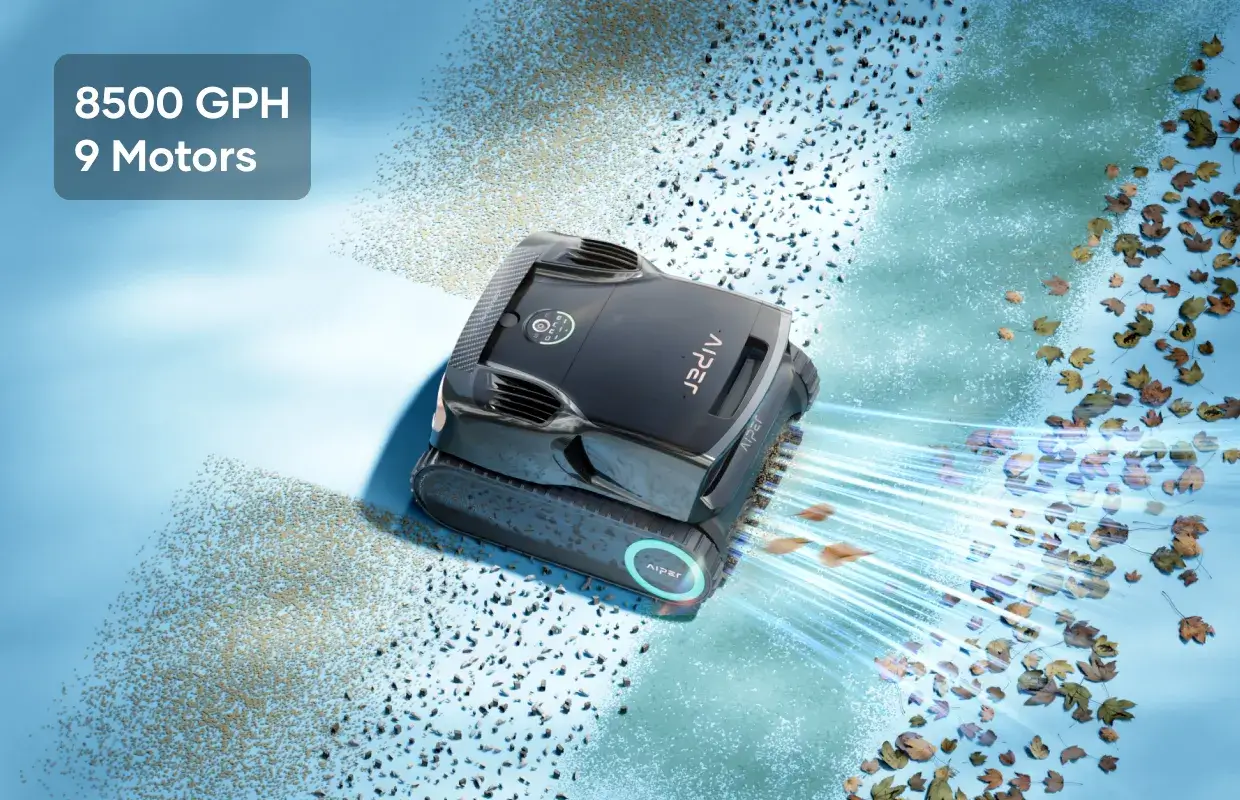
- Massive Power: It features dual active front and rear rollers backed by an 8,500 GPH suction and a 9-motor design. On Pebble Tec, “almost enough” suction leaves dust behind; this unit delivers the raw power to get it all the first time.
- Ultra-Fine Filtration: It utilizes a dual-stage filtration system, catching larger debris at 180 microns while trapping ultra-fine dust and algae-sized particles down to 3 microns with its MicroMesh filter. This completely eliminates the gritty, dusty layer that plagues Pebble Tec pools when standard filters fail.
If your filter is too coarse, a robot can finish a cycle and your pool will still look hazy. The Scuba X1 Pro Max ensures you don't have to rely on your main pool pump to "polish" the water after the vacuum is done.
The Smart Innovator: Aiper Scuba V3
Aiper Scuba V3 is designed around AI-guided cleaning, making it perfect for complex, highly textured pools where missing a spot means manual labor for you.
- VisionPath Navigation: It combines AI vision and depth sensing to map efficient routes and avoid obstacles. Its AI Patrol approach actively targets debris, preventing the predictable "missed spots" that happen when older vacuums bounce randomly off uneven Pebble Tec walls.
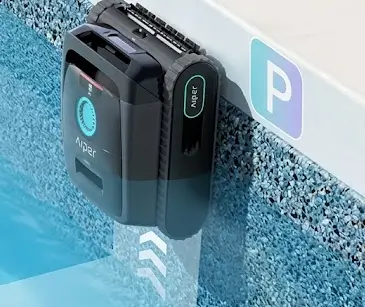
- JetAssist Waterline Scrubbing: It features JetAssist horizontal waterline cleaning, dual brushes, and 4,800 GPH suction. This is the precise combination required for waterline care: it stays pinned to the wall, scrubs with high pressure, and immediately captures what gets loosened.
If your current cleaner only touches the waterline briefly as it climbs, you will end up doing manual touch-ups. The Scuba V3 is built to eliminate that chore entirely.
Pro Tips for Maintaining Your Pebble Tec Surface
A robot can handle most routine cleaning, but Pebble Tec still benefits from a few simple habits that protect the finish and keep it looking even.
Brushing the Walls Manually
Even with a great robot, occasional manual brushing helps prevent buildup in places no cleaner hits perfectly every time, like tight corners, steps, and around fittings. Pebble Tec guidance recommends a nylon pool brush during initial start up because it is less aggressive to the finish than other brush types.
A practical note: if your Pebble Tec is brand new, follow the finish manufacturer’s startup rules before using wheeled vacuums or wheeled pool cleaners. Pebble Tec startup guidance explicitly warns against using wheeled vacuums or wheeled pool cleaners until after 28 days.
Managing Calcium Hardness
Pebble finishes are durable, but water balance still matters. If calcium hardness is too high, you are more likely to see scale, especially at the waterline. If it is too low, water can become aggressive and contribute to surface wear over time, which is why plaster and pebble finish organizations emphasize keeping calcium hardness in an appropriate range.
For a simple reference point, PHTA aligned guidance commonly lists calcium hardness targets around 200 to 400 parts per million for pools, with allowable ranges extending higher depending on the standard and facility type. Always follow your test kit guidance, product labels, and local pool professional recommendations, especially if you have hard fill water.
Conclusion
The best pool vacuum for Pebble Tec is almost never the one that “kind of works everywhere.” It is the one designed for textured terrain.
Pebble Tec holds fine debris in its crevices, challenges suction seals, and demands better traction for wall climbs. That is why robotic cleaners with continuous tracks, active scrubbing, and fine filtration tend to feel like the first real solution, not just another gadget.
If you want less pool work and more of that vacation at home feeling, focus on traction first, scrubbing second, and filtration third. When those three are in place, Pebble Tec stops being frustrating and starts looking like the premium finish you paid for.