
What Are Pool Enzymes? The Secret to Banishing Scum Lines and Oily Water

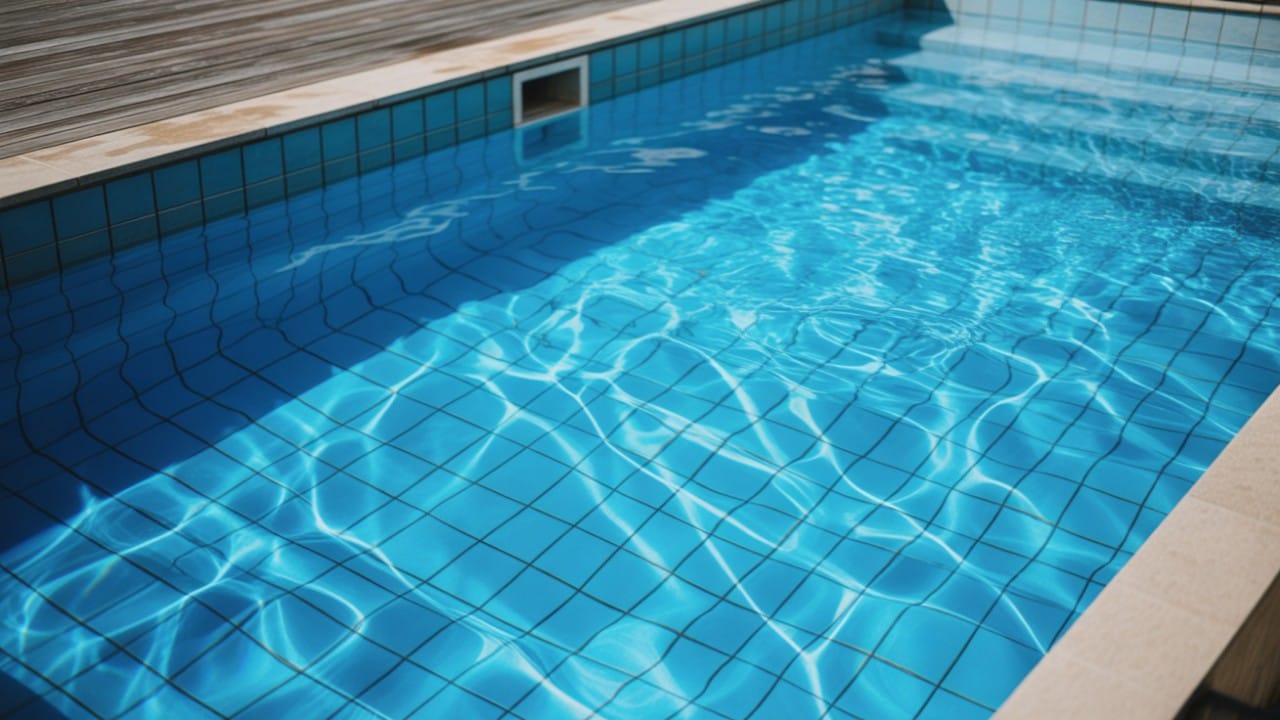
If you have ever looked at your swimming pool and noticed a dark, greasy ring around the waterline or water that looks "dull" despite having perfect chlorine levels, you are dealing with organic buildup.
This is where many pool owners get frustrated. You shock the pool, you balance the pH, but the water just doesn't sparkle. The missing piece of the puzzle isn't more acid or chlorine—it's biology.
So, what are pool enzymes? Think of them as the "digestive system" of your swimming pool. They are a powerful, natural additive designed to solve the problems that chlorine alone struggles to fix.
Here is everything you need to know about pool enzymes and why they might be the secret to your lowest-maintenance summer yet.
What Are Pool Enzymes? The "Pac-Man" of Pool Chemistry
To understand enzymes, you first need to understand what is polluting your water.
Every time someone jumps in your pool, they leave behind "non-living organics." This includes body oils, sweat, cosmetics, hair products, and sunscreen. Even if no one swims, nature adds pollen and bird droppings to the mix.
Chlorine is excellent at killing living things (bacteria and algae), but it is very slow at breaking down these oils and organics. When chlorine tries to burn through sunscreen, it gets used up rapidly, leaving you with less protection against bacteria.
Enzymes are non-living biological catalysts.
The easiest way to think of them is like the game Pac-Man. When you pour enzymes into the water, billions of microscopic "Pac-Men" are released. They seek out non-living organic waste (oils and grease) and digest it, breaking it down into basic carbon dioxide and water.
The 3 Main Benefits of Using Enzymes
Why should you add another bottle to your maintenance routine? Because enzymes tackle the specific aesthetic issues that make a pool look dirty.
1. Eliminates the Scum Line
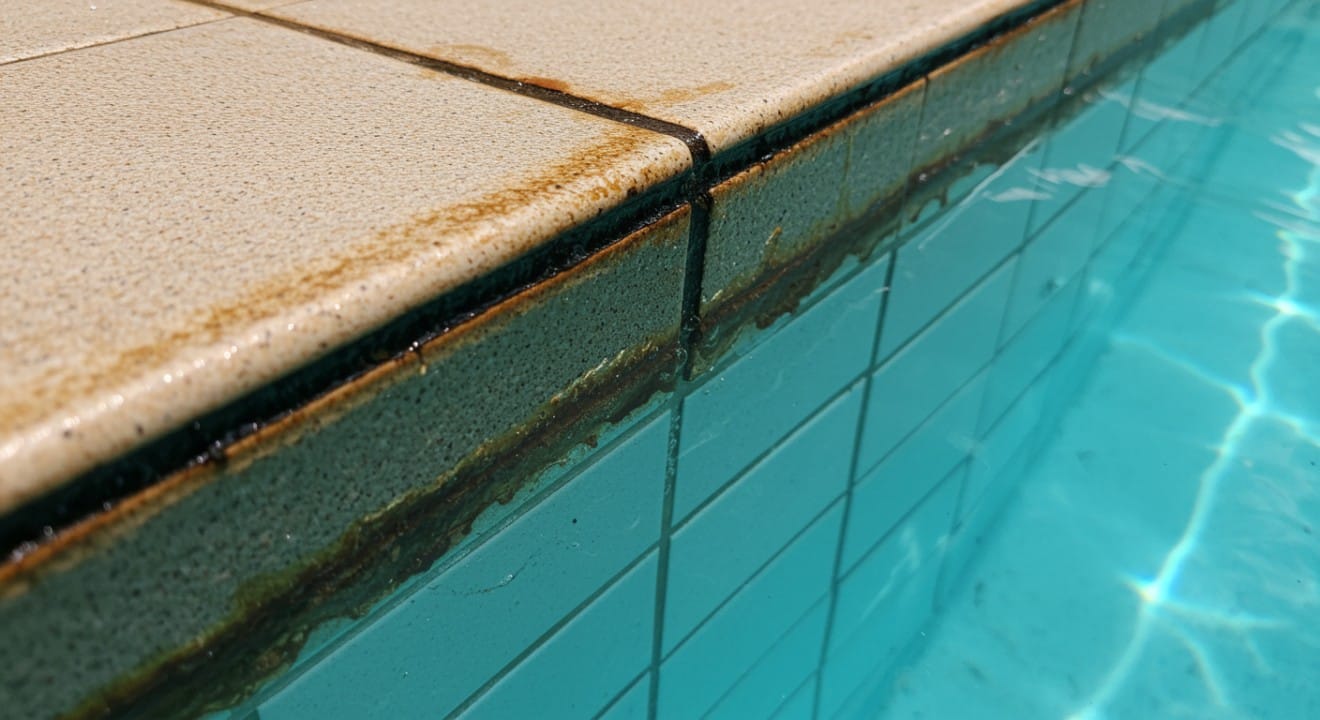
That unsightly black or brown ring around your pool tile isn't usually dirt; it is sticky, oxidized oil and sunscreen that floats to the surface and clings to the wall. Because enzymes digest these oils while they are still floating in the water, they prevent the scum line from forming in the first place. This saves you from having to manually clean your swimming pool tile with harsh scrubbers every weekend.
2. Prevents Clogged Filters
Have you ever opened your pool filter and found the cartridges or sand coated in a gray, gummy "goo"? That is organic waste. This gunk clogs the filter media, raising the pressure and forcing your pump to work harder. Enzymes "eat" the goo, keeping your filter membranes clean and reducing the frequency of cleaning your pool filter.
3. Makes Your Chlorine Last Longer
When your water is full of organic debris, your sanitizer is distracted. It wastes energy attacking the sweat and oils instead of killing pathogens. By using enzymes to handle the "trash," your chlorine is free to focus on sanitizing. This lowers your "chlorine demand" and saves you money on chemicals.
Enzymes vs. Chlorine: Can You Swap Them?
This is the most common misconception. No, you cannot use enzymes instead of chlorine.
- Chlorine (or Bromine): The "Police." Their job is to kill dangerous bacteria, viruses, and algae to keep swimmers safe.
- Enzymes: The "Janitors." Their job is to clean up the mess (waste) so the police can do their job.
You need both. Without a sanitizer like chlorine, your pool will be unsafe. Without enzymes, your pool may be safe, but it might be oily, cloudy, and difficult to manage.
When Should You Use Pool Enzymes?
While enzymes are great for weekly maintenance, there are specific scenarios where they are absolutely essential:
- After a Pool Party: A high bather load means a massive spike in sunscreen and sweat. Adding enzymes immediately after a pool party helps the water recover overnight without becoming cloudy.
- If You Have Pets: Dogs introduce significantly more organic load (oils from their fur and dirt from their paws) than humans do. If you struggle to keep pet hair and dander from fouling the water, enzymes are a must.
- During Pollen Season: Pollen is organic matter. If you are battling yellow dust on the surface, enzymes can help break it down before it clogs your skimmer.
- To Clear Cloudy Water: If your chemistry is balanced but the pool is still cloudy or hazy, it is often due to suspended micro-debris that is too small for the filter to catch. Enzymes can clear this up.
How Enzymes and Robotic Cleaners Work Together
Technology and chemistry work best when paired together. While enzymes break down the molecular bonds of dirt, you still need mechanical power to remove the physical debris.
Biofilm (a thin, sticky layer of bacteria and organics) acts like "glue" on your pool walls, trapping dirt and algae spores.
- The Chemistry: Enzymes degrade this sticky biofilm, loosening the dirt’s grip on the wall.
- The Mechanics: A wall-climbing robot, like the Aiper Scuba X1 Pro, can then scrub the walls much more effectively. Because the surface is less "sticky," the robot removes more debris in a single pass.
Additionally, because enzymes digest the grease in the water, the fine mesh filters inside your Aiper robot won't get coated in that impossible-to-clean oily film, making your post-cleaning maintenance much easier.
The Bottom Line
Enzymes aren't magic, but they are the closest thing to it for maintaining crystal-clear water. By letting biology handle the oils and grease, you prevent scum lines, protect your filter, and let your chlorine focus on keeping the water sanitary.
When you combine a quality enzyme regimen with the powerful scrubbing and filtering capabilities of an Aiper robotic pool cleaner, you achieve the ultimate "hands-off" pool care routine—spending less time scrubbing and more time swimming.
FAQ: Common Questions About Pool Enzymes
Will pool shock kill enzymes?
Yes. High levels of chlorine (over 5–10 ppm) will destroy the enzymes. Always wait at least 24 hours after shocking your pool before adding your weekly enzyme dose.
Do enzymes work in cold water?
They work best in warm water (above 65°F). If you are opening your pool in early spring and the water is very cold, enzymes may be sluggish or ineffective until the temperature rises.
Are enzymes safe for swimmers?
Yes. Most pool enzyme products are 100% natural, non-toxic, and hypoallergenic. You can usually swim immediately after adding them (though always check the bottle's specific instructions).