
What Is a Plunge Pool? A Simple Guide to Size, Depth, Cost, and Comparisons
A plunge pool is a compact, low-maintenance backyard pool designed for cooling off and relaxation—offering a space-efficient, cost-effective alternative to full-size pools.

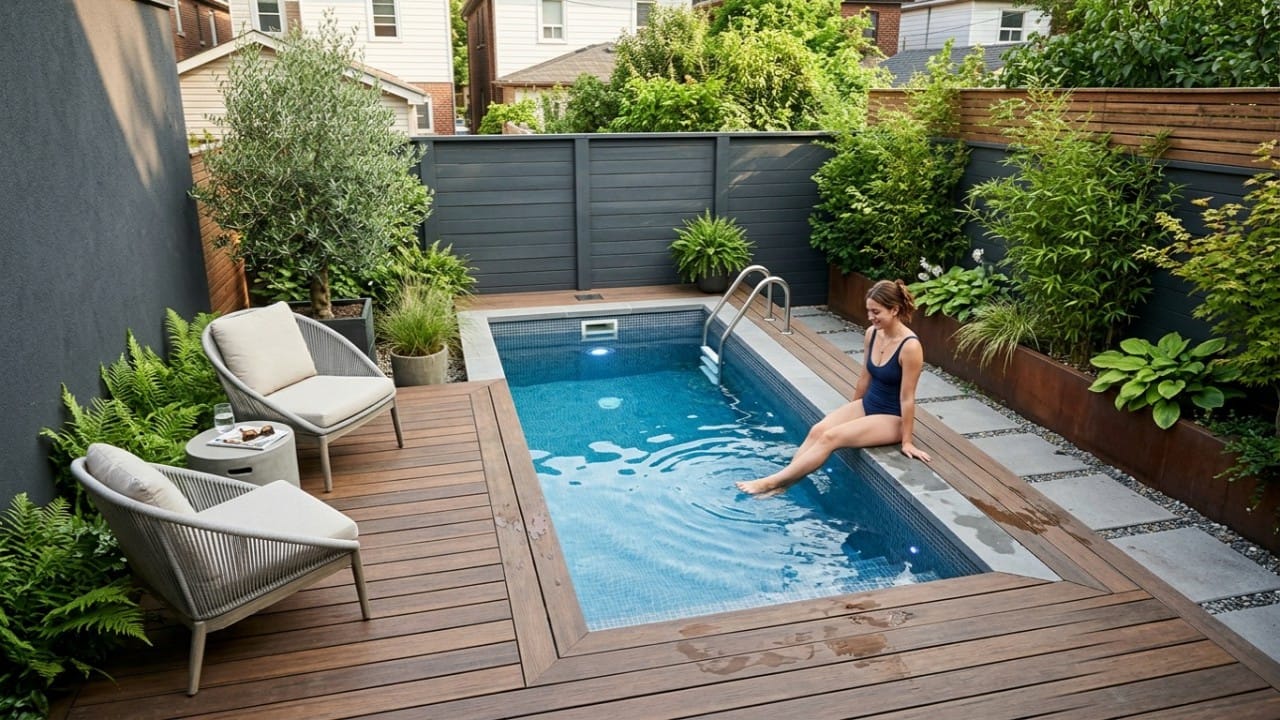
Did you know the national average cost to build a standard pool is $41,970, with many homeowners landing in a $25,000 to $59,000 range? If that number feels bigger than your backyard plans, you are not alone. This is exactly where people start asking: what is a plunge pool?
A plunge pool is a compact backyard pool built for cooling off, soaking, and lounging. It is not meant for lap swimming.
The name gets used in a few different ways. Resorts may call a small personal pool a “private plunge pool.” Wellness spaces may use “plunge pool” to mean a cold tub for recovery.
Let’s discuss the typical size and depth, how it compares to other small pools, what maintenance really looks like, and what a realistic budget can be.
What Exactly is a Plunge Pool?
A plunge pool is a small pool that gives you the best part of having a pool: you can cool off fast, sit, soak, and relax—and you do not need a big yard to make it work.
The Core Purpose of a Plunge Pool
A plunge pool is built for comfort, not competition. Because it is usually not deep enough for safe diving, it is not designed for diving boards or head-first jumps.
What people use a plunge pool for most often:
- Cooling off on hot days.
- Hanging out with a couple of friends.
- Gentle movement like walking in place or simple stretches.
- Achieving a resort feel in a tight, urban space.
Typical Dimensions: How Big and How Deep?
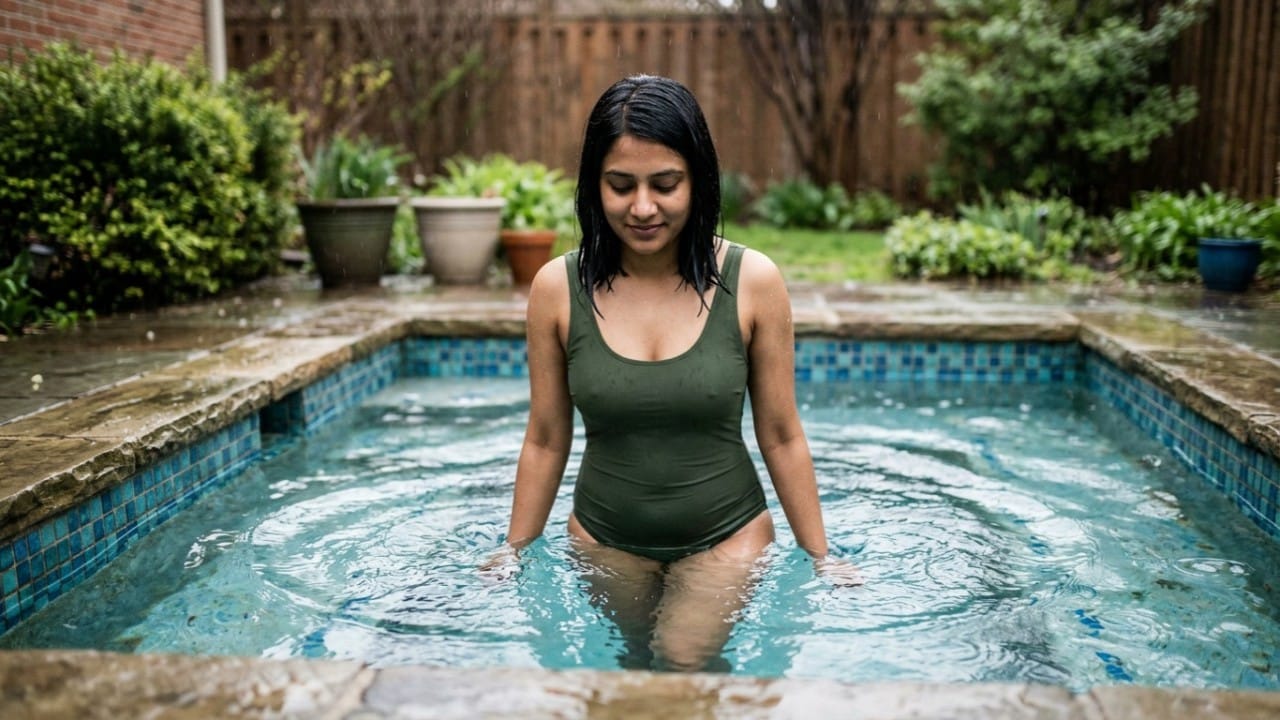
There is no single “standard” plunge pool size, but many fall into a small set of common footprints. Pool builders typically list plunge pools in sizes like 6x10, 8x12, and 8x20 feet.
- Depth: A lot of prefab plunge pools are built with a simple profile (often a flat bottom). A typical prefab plunge pool depth ranges from 48 to 66 inches (about 4 to 5.5 feet).
- Volume: Plunge pools use much less water than a full-size pool, often holding between 1,000 to 3,200 gallons. Less water can be easier to heat, but it also means the water chemistry can change faster if your balance is off.
If you want to compare plunge pool footprints to other backyard pool sizes, explore the pool size basics.
Resolving the Confusion: Plunge Pools vs. Other Small Pools
Small-pool terms get used loosely. Even pros do not follow one strict, universal definition for “plunge,” “cocktail,” or “dipping” pools. The easiest way to cut through the noise is to focus on three things: how you want to use the water, how much space you have, and whether you want spa-style heat and jets.
A quick cheat sheet:
| Feature | 22 Momme | 25 Momme |
|---|---|---|
| Weight | Balanced for year-round | Heavy, suited for cooler climates |
| Durability | Long-lasting | Extremely durable |
| Comfort | Smooth, breathable | Denser, warmer |
| Cost | Mid-range luxury | Higher price |
Plunge Pool vs. Regular Pool
- Footprint: A "regular" backyard pool is usually built with swimming and play in mind (often 15x30 feet or larger), taking up massive yard space. A plunge pool is designed to fit tight, awkward spaces.
- How you use it: A regular pool is better for swimming, games, and hosting a crowd. A plunge pool is the “soak and reset” version of a pool.
Plunge Pools vs. Spools and Cocktail Pools
- Spool (Spa + Pool): A spool blends spa comfort with pool function. It runs warmer and usually includes jets and blowers. Some models add directional jets that create a current, so you can “swim in place.”
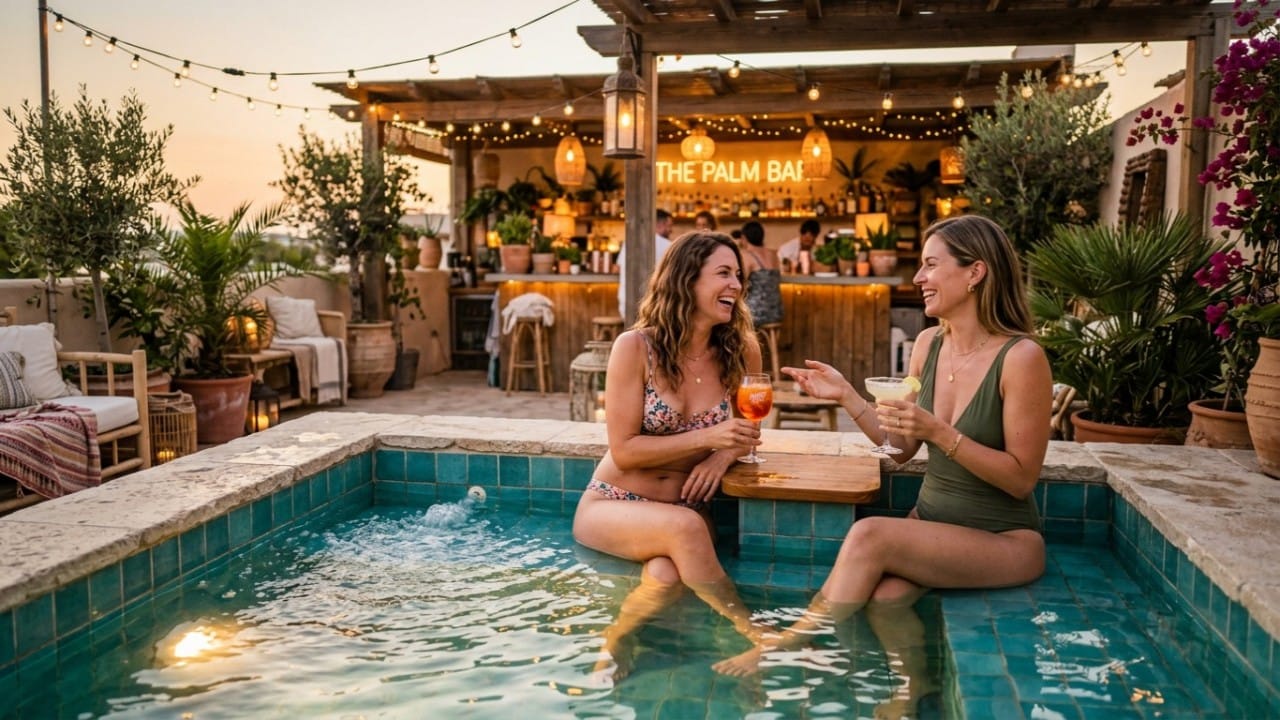
- Cocktail pool: Think “entertaining first.” These are very small pools (under 300 square feet) designed for sitting and socializing with a drink, often leaning heavily into built-in underwater seating.
So where does a plunge pool fit? Plunge pools are similar in size to cocktail pools but typically lack extensive in-water seating. They are more about a quick, refreshing plunge than long, seated lounging.
If you like the idea of spa-style features in your backyard setup, this guide may help: pools with hot tubs and spas.
What is a Private Plunge Pool at a Resort?
In hotel listings, a private plunge pool usually means a small pool that belongs exclusively to your room or villa, set on a terrace or in a private garden. What trips people up is expectations: these are designed for cooling off and relaxing, not for real swimming. Also, “private” usually refers to access, not total privacy; your pool may still be visible from nearby walkways.
What is a Cold Plunge Pool?
A cold plunge pool is a tub or pool kept cold on purpose. People use it after workouts or sauna sessions for a physical and mental reset.
For safety, the medical consensus focuses on two rules: do not go too cold too fast, and do not stay in too long. A common beginner temperature range is about 50 to 59°F (10 to 15°C) for no more than five minutes. While cold water immersion is excellent for reducing muscle soreness, sudden immersion can trigger a cold shock response, which spikes heart rate and blood pressure—meaning it should be approached carefully.
The Pros and Cons of a Plunge Pool
Why Homeowners Love Them
- Space: A plunge pool gives you a place to cool off without needing a long swim lane, making it perfect for narrow yards or courtyard layouts.
- Energy Control: With less water and less surface area, they are cheaper to heat. Using a cover when the pool is not in use can prevent up to 95% of water and heat evaporation.
- Style: Because they are compact, homeowners often spend their budget on high-end tile, bench ledges, or water features that make the space feel like a luxury resort.
What are the Disadvantages of a Plunge Pool?
- No Laps: You cannot comfortably swim laps, and they are not designed for diving.
- Capacity: A plunge pool feels perfect for one to four people, but feels crowded fast. It is not built for big pool parties.
- Still a Construction Project: Small does not mean “no project.” You are still dealing with excavation, permits, and strict fencing/barrier safety regulations required by local codes.
Plunge Pool Maintenance: Is It Easier to Clean?
A plunge pool has less water and less surface area, meaning you have less to skim, brush, and heat. But a smaller water volume means the chemistry can shift rapidly. A few swimmers or a hot weekend can push your sanitizer level out of range faster than in a 20,000-gallon pool.
Surface cleaning also matters. Sunscreen, body oils, and dust quickly form a ring right at the waterline, which is highly visible in a small pool.
Two simple ways to make maintenance effortless:
- Use a pool cover. It reduces evaporation, cleaning needs, and chemical use.
- Automate the cleaning. A cordless robotic cleaner is a perfect match for compact pools because you don't have to wrestle with long hoses in a tight yard. For example, our Aiper Scuba V3 is designed to focus on the spots that steal your time. Instead of manual scrubbing, it actively targets and scrubs that stubborn waterline ring, while utilizing dual brushes to clear the floor and walls. Plus, with smart app alerts and automatic waterline retrieval, it's incredibly easy to lift out of the water for a quick reset.
How Much Does a Plunge Pool Cost?
For most homeowners, a plunge pool sits in a “serious upgrade, but not full-size pool money” zone. The average plunge pool cost is about $28,000, with most homeowners paying between $10,000 to $40,000.
- Above-ground plunge pools: $3,000 to $30,000 installed
- In-ground vinyl: $10,000 to $30,000
- In-ground fiberglass: $18,000 to $55,000
- In-ground concrete: $20,000 to $75,000+
What usually drives the price up is not the pool shell itself, but everything around it: excavation, dirt removal, heating units, custom decking, lighting, and necessary safety fencing.
If you are weighing a plunge pool against a full in-ground build, this internal guide helps put the bigger numbers in context: inground pool cost and planning basics.
Final Verdict: Is a Plunge Pool Right for Your Yard?
A plunge pool is “right” when your goal is not swimming laps. It is about the feeling, the cool-down, and the private resort corner that fits the space you actually have.
It is a great fit if you want a compact water feature, your yard is narrow, or your patio is your main outdoor living zone. It is usually not the best fit if your top priority is hosting large crowds or playing active pool games.
Ultimately, if you want the luxury of water with a smaller footprint and easier upkeep, a plunge pool is a brilliant backyard investment.