
What is a Pool Aerator? Your Guide to Cooler, Balanced Water
A pool aerator cools water 3–10°F through evaporation and naturally raises pH without increasing total alkalinity. Affordable and easy to install, it improves circulation and ambiance as a low-cost alternative to pool chillers. Run it at night for best cooling and watch pH levels.

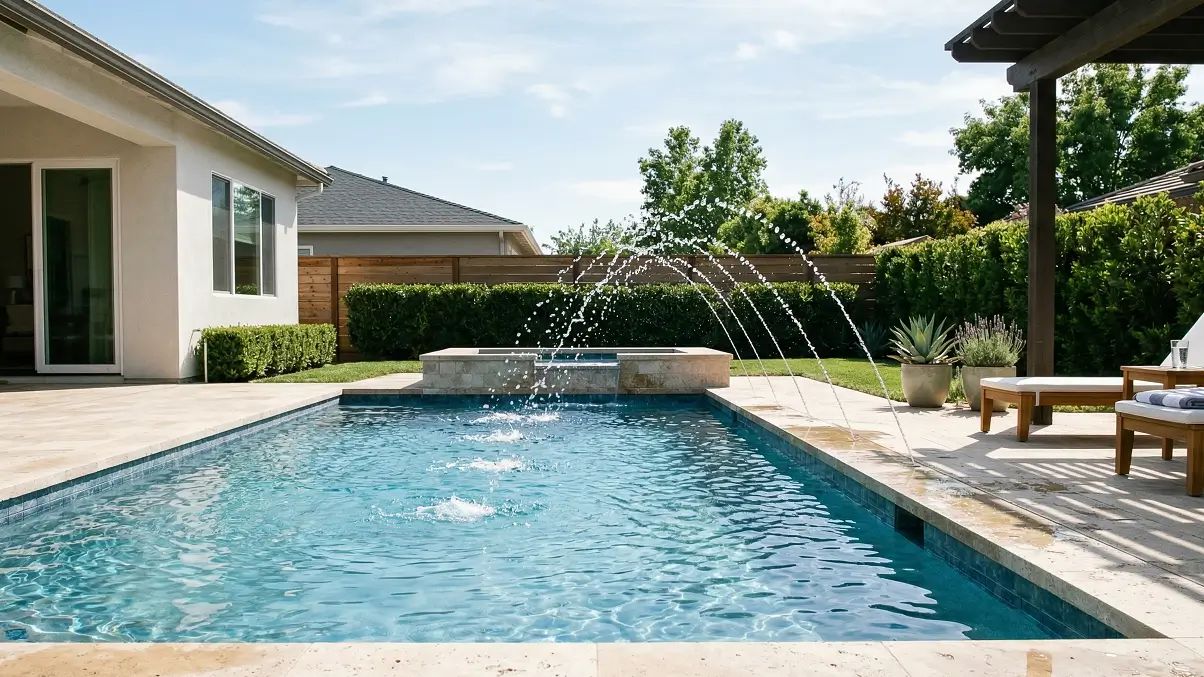
Pool water can get uncomfortably warm fast, especially when the sun has been hitting it all day. And sometimes chemistry feels even more frustrating than heat, like your pH will not budge without throwing everything else out of balance.
A pool aerator is a device that introduces air into your pool water by spraying it, bubbling it, or agitating the surface. It creates bubbles or a fountain effect, but its real value is what it does behind the scenes.
Aeration helps your pool shed heat naturally, and it can help raise pH in a way that does not rely on adding more chemicals. Used the right way, it is one of those simple upgrades that makes your pool feel more refreshing and easier to keep in a healthy range, without turning pool care into a daily project.
Quick Summary
- Cooling Power: Drops pool temperatures by 3 to 10 degrees Fahrenheit through evaporation.
- Cost-Effective: A low-cost solution (often under $50) compared to expensive mechanical chillers.
- Chemistry Control: Naturally raises pH without spiking Total Alkalinity.
- Easy Install: Most models simply screw directly into your existing return jets with no tools required.
How Does a Pool Aerator Cool Your Water?
A pool aerator increases air and water contact, acting as a highly effective, low-cost (often under $50) tool for summer pool maintenance. That one change affects two things that matter to pool owners in summer: temperature and pH.
More contact between water and air means more evaporation. Evaporation pulls heat out of the water, which can cool your pool over time. More air and surface agitation also speeds up how quickly certain dissolved gases, especially carbon dioxide, leave the water. That gas shift is the reason aeration can raise pH without the same side effects you can get from some chemical additions.
How much does a pool aerator cool water? A pool aerator can lower pool temperature by 3 to 10 degrees Fahrenheit by increasing the water's surface area and promoting evaporative cooling, especially when operated at night.
Beyond that, aeration adds gentle mixing at the surface and makes the pool feel more alive, visually and audibly. It is not a replacement for your pump, filter, or sanitizer, but it can make the water feel better and behave more predictably when you are dialing in balance.
Evaporative Cooling for Hot Summer Months
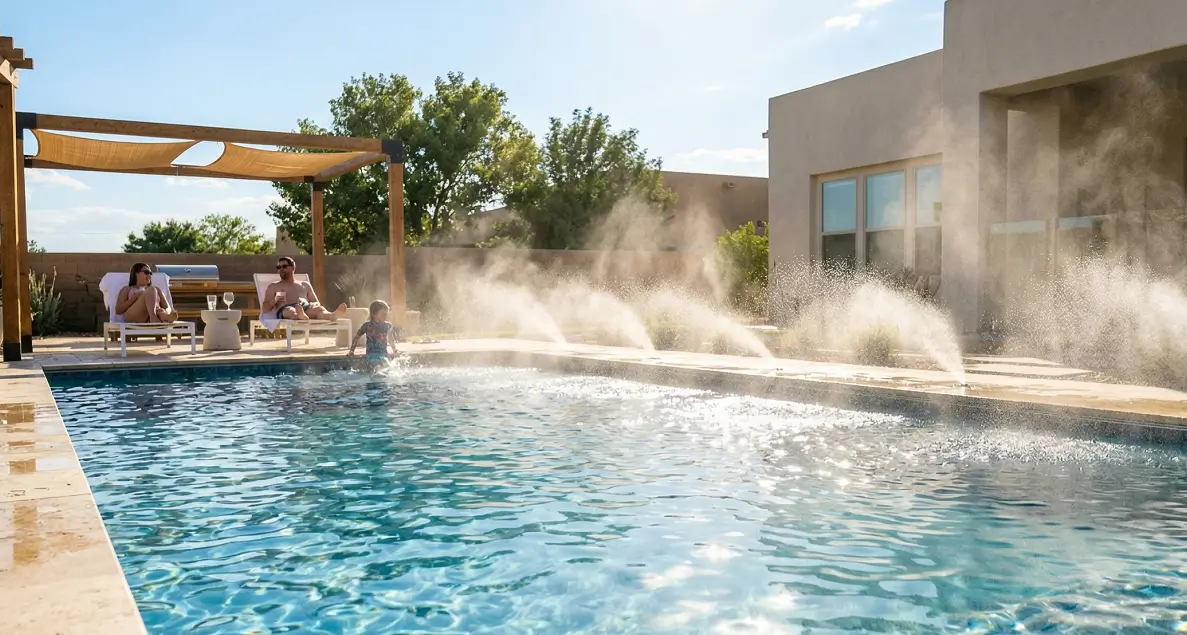
A pool aerator cools water through evaporative cooling. When you spray water into the air, you create more surface area. That makes it easier for a small amount of water to evaporate. Evaporation uses heat from the water, so the pool slowly loses heat as the process repeats.
How much cooling can you expect? It depends most on humidity, night time air temperature, wind, and how aggressively the aerator sprays. Research on evaporative cooling of water shows that temperature drops of several degrees Celsius are possible under hot conditions, which translates to meaningful cooling in Fahrenheit as well, but your pool’s size and weather will determine the final result.
If you want a practical comfort target, Aiper’s guide on ideal pool temperature for swimming helps you sanity check what “too warm” really means for relaxing, kids, laps, and more.
Raising pH Naturally (Without Impacting Alkalinity)
This is the benefit most people do not learn until they are stuck in a pH and alkalinity loop.
Aeration raises pH by helping carbon dioxide leave the water. Carbon dioxide in water is part of the carbonate system that influences acidity. When carbon dioxide outgasses faster, pH rises. That is why aeration is commonly used as a way to raise pH with no meaningful change to total alkalinity in the moment.
This matters because many pool owners are trying to raise pH when total alkalinity is already fine. In that scenario, aeration can be the gentler lever. You are not adding more “stuff” to the water. You are shifting gas balance through increased air and water contact.
For safe ranges, the CDC’s Healthy Swimming guidance includes maintaining pool pH in the 7.0 to 7.8 range and emphasizes regular testing alongside proper recirculation and filtration. You can see that guidance here: CDC Healthy Swimming.
If you want a quick refresher on what pH and alkalinity do, and why they fight each other sometimes, Aiper’s pool chemistry cheat sheet is a helpful home owner friendly reference.
Boosting Water Circulation and Preventing Algae
Aerators do not replace circulation, but they can support it.
Your pump and returns move treated water through the whole pool. That is what helps filtration work and helps sanitizer stay consistent. Public health guidance for pool operation stresses maintaining filtration and recirculation systems, plus scrubbing surfaces, because water that is not moving and surfaces that are not maintained can contribute to problems like algae and biofilm.
What aeration adds is surface agitation and extra mixing near the top. That can reduce stagnant zones at the surface, help break surface tension, and make temperature and chemistry feel more even across the pool.
If algae is your main issue, remember the hierarchy: sanitizer level and pH in range first, then good circulation and filtration, then physical cleaning. Aeration is supportive, not primary.
Enhancing Aesthetics and Ambiance
Aeration also changes how your pool feels emotionally, not just chemically.
A fountain or bubbler adds motion, sparkle, and that steady water sound that makes the backyard feel calmer. It can also mask neighborhood noise and make evening swims feel more like a resort moment.
That lifestyle benefit is real. Just treat it like a tool you run intentionally, not something you leave on nonstop, because the same spray you love is also what increases evaporation.
Types of Pool Aerators (And What Else They Are Called)
Aerators show up in product listings under a lot of names, which makes shopping harder than it should be.
Clarifying the jargon: you will commonly see terms like pool fountains, return jet sprays, water features or waterfalls, misters, and pool bubblers used for aeration style products.
Important distinction: a pool aerator cools mainly through evaporation and surface agitation. A pool chiller is typically a mechanical appliance designed to remove heat using refrigeration or heat pump style components, and it is usually much more expensive and complex than an aerator.
Return Line Attachments
Return line aerators, sometimes sold as "watercannons" or jet sprayers, are usually the simplest option. They are designed for extreme ease of use: they simply screw in directly to your pool's existing threaded return jets. You do not need professional tools or a pool technician to install them; it takes just a few minutes by hand. Because it uses your existing pump flow to shoot the water into the air, the biggest “operating cost” is usually the extra evaporation, not electricity.
Fountains and Water Features
Floating fountains and deck mounted sprayers are the most noticeable visually. They tend to create more spray, more sound, and often more evaporation.
From a water efficiency standpoint, the EPA notes that pools lose water through evaporation, splashing, and features, and its WaterSense guidance specifically calls out using controls like timers or wind control systems for water features with vertical drops. That is a strong hint that water features can drive extra water loss if you run them constantly.
If your pool is in a windy area, this is also where you can see more splash out onto tile and decking, which can contribute to visible scale over time.
Built In Pool Bubblers
Built in bubblers are permanent fixtures, often installed on sun shelves, tanning ledges, or steps. They aerate from the bottom up and create a bubbling effect at the surface.
They are great for ambiance and can contribute to gas exchange and surface movement. Cooling impact varies by bubble volume and how much the bubbler actually disturbs the surface compared with a spray fountain.
Because they are part of the pool design, they are usually chosen during a build or remodel rather than as a quick add on.
Pool Aerator vs. Pool Chiller: The Cost Comparison
Many pool owners searching for an aerator are actually just looking for a way to cool their bathwater-warm pool without spending a fortune. Here is the explicit difference: A true mechanical pool chiller (which uses refrigeration or a reverse heat pump) works flawlessly but will cost between $2,000 and $5,000 upfront, plus a noticeable hike in your monthly energy bill. In stark contrast, a simple return jet pool aerator costs under $50 and utilizes the pump you are already running—making it a nearly zero-cost operational alternative to achieve a 3 to 10-degree temperature drop.
Are Pool Aerators Worth It? Weighing the Pros and Cons
For most pool owners, a pool aerator is worth it because it is a simple tool that can make hot water feel more comfortable and can make pH adjustments less frustrating.
But it is not “free.” The tradeoffs are mostly about evaporation and monitoring. You are intentionally increasing evaporation and gas exchange, so you need to keep an eye on water level and pH trend.
Pros and Cons Comparison Table
| The Pros (Why You Need One) | The Cons (What to Watch Out For) |
|---|---|
| Drastically lowers water temps (by 2 to 10 degrees) | Increases water evaporation (requires topping off the pool more often) |
| Cost effective (much cheaper than mechanical chillers) | Requires chemistry monitoring (can push pH too high if left running constantly) |
| Raises pH safely (without spiking Total Alkalinity) | Can temporarily cool the water too much (if left on during unseasonably cold nights) |
| Improves circulation (helps prevent algae growth) | May increase salt or calcium buildup (on tiles near the splash zone) |
The temperature range above depends heavily on climate and run time. Engineering research on evaporative cooling of water shows several degrees of cooling can be achieved under hot conditions, which supports why pool spray and fountain style aeration can be effective, especially in drier night air.
The evaporation downside is also real. The EPA notes that pools consume water through evaporation and splashing, and its water efficiency guidance emphasizes covers as a major way to control evaporation when the pool is not in use.
The Upside: Cost Effective Cooling and Chemistry Control
If you want cooler water without investing in a mechanical chiller, aeration is one of the most practical first steps.
You are using natural physics. You are not adding a new appliance, and you are not relying solely on chemicals to change pH. In pool chemistry practice, aeration and turbulence are specifically used to raise pH by outgassing carbon dioxide, while leaving alkalinity essentially unchanged during the process.
For many home owners, that means fewer cycles of “add something, wait, test, repeat” just to get pH into a comfortable zone.
Is There a Downside to Aerating?
Yes, and it is manageable.
First, you will lose more water. Spray and surface turbulence increase evaporation and can increase splash out, especially with taller water features or windy conditions. The EPA’s WaterSense resources on pool water efficiency put evaporation at the center of pool water loss and strongly recommend using covers to reduce it when the pool is not in use.
Second, pH can climb too high if you run the aerator constantly. The CDC notes that as pH rises, chlorine becomes less effective at killing germs, and pH above the recommended range can create comfort and maintenance issues.
Third, more spray near the tile line can leave minerals behind as water dries. If your water balance is already scale prone, you may see more buildup in the splash zone.
Best Practices: When to Run Your Pool Aerator
A pool aerator works best when you run it with a purpose.
If your goal is cooling, run it when the air can accept more moisture and the pool is not being heated by direct sun. If your goal is pH lift, run it while you can test and stop once you hit your target.
Nighttime Aeration for Maximum Cooling
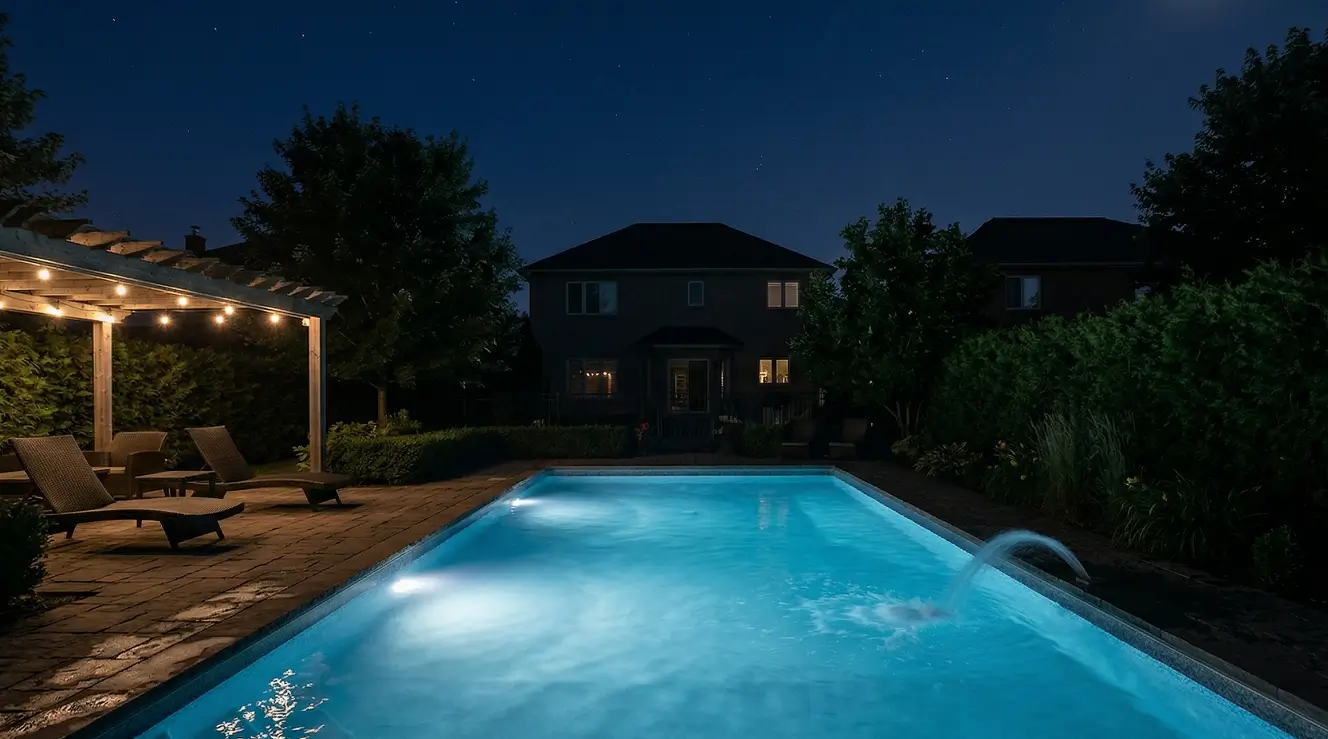
For cooling, night time is typically the most efficient window.
Air temperature is lower, the sun is not adding heat back into the pool, and evaporation can do more net cooling work. This is also when many pools naturally lose the most heat, so aeration stacks on top of that effect.
In humid climates, you may see smaller temperature changes because the air is already holding a lot of moisture. In dry climates, night aeration can be noticeably more effective.
A simple real world approach is to run the aerator overnight for a few nights, measure water temperature at the same time each morning, then adjust run time until you hit the feel you want.
Monitoring Chemistry During Aeration
When you aerate for pH control, testing is non negotiable.
The CDC recommends keeping pool pH in the 7.0 to 7.8 range and notes that higher pH reduces chlorine’s ability to kill germs, while very low pH can contribute to corrosion and discomfort.
While you are actively aerating to lift pH, use a tight routine:
- Test pH daily, ideally at the same time each day.
- Aim for a stable mid range. Many health and operations references describe 7.4 to 7.6 as an ideal operating target within the broader recommended range.
- Stop aeration once you hit your target, then retest the next day before running it again.
If pH keeps climbing, reduce aeration time and follow chemical labels and local professional guidance for safe adjustment.
Aeration and Total Pool Maintenance
A pool aerator is great at the invisible work: comfort temperature, surface movement, and helping pH move in the right direction. But it will not remove the physical debris that makes a pool feel like a chore, like leaves, grit, and the sticky waterline ring from sunscreen and pollen.
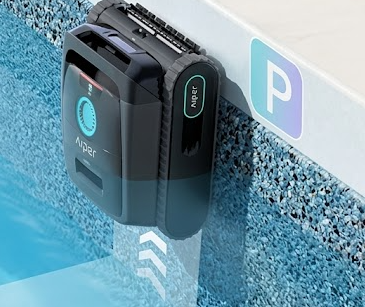
Pair aeration with a cordless robotic cleaner that handles debris and waterline buildup. For example, Aiper Scuba V3 includes JetAssist™ horizontal waterline cleaning as a listed feature, so it can focus on the grime line that aeration will never touch.
Without automated cleaning, your pool can still look dirty even when temperature and pH are dialed in, and waterline residue can keep building until it needs hands on scrubbing.
If you are building a more hands off routine, it helps to look at the full category of robotic pool cleaners so aeration and cleaning work together, not separately.
Conclusion
A pool aerator is a simple tool with surprisingly practical benefits. It introduces air into the water through spray, bubbles, or surface agitation. That can cool your pool through evaporation, and it can raise pH by speeding up carbon dioxide outgassing, often without forcing total alkalinity upward at the same time.
The key is intentional use. Run it when it is most effective, usually at night for cooling, and keep a close eye on pH so it stays in a healthy range. Pair aeration with strong circulation, filtration, sanitation, and consistent debris removal, and your pool starts to feel less like a responsibility and more like what it should be: time off.
You can explore Aiper’s cordless robotic pool cleaners.