
What is Hydrozoning? A Complete Guide to Save Water and Protect Plants
Hydrozoning groups plants by water needs to cut usage by 20-50%. Learn to map your yard, create 4 irrigation zones, and use smart tools for efficient watering.

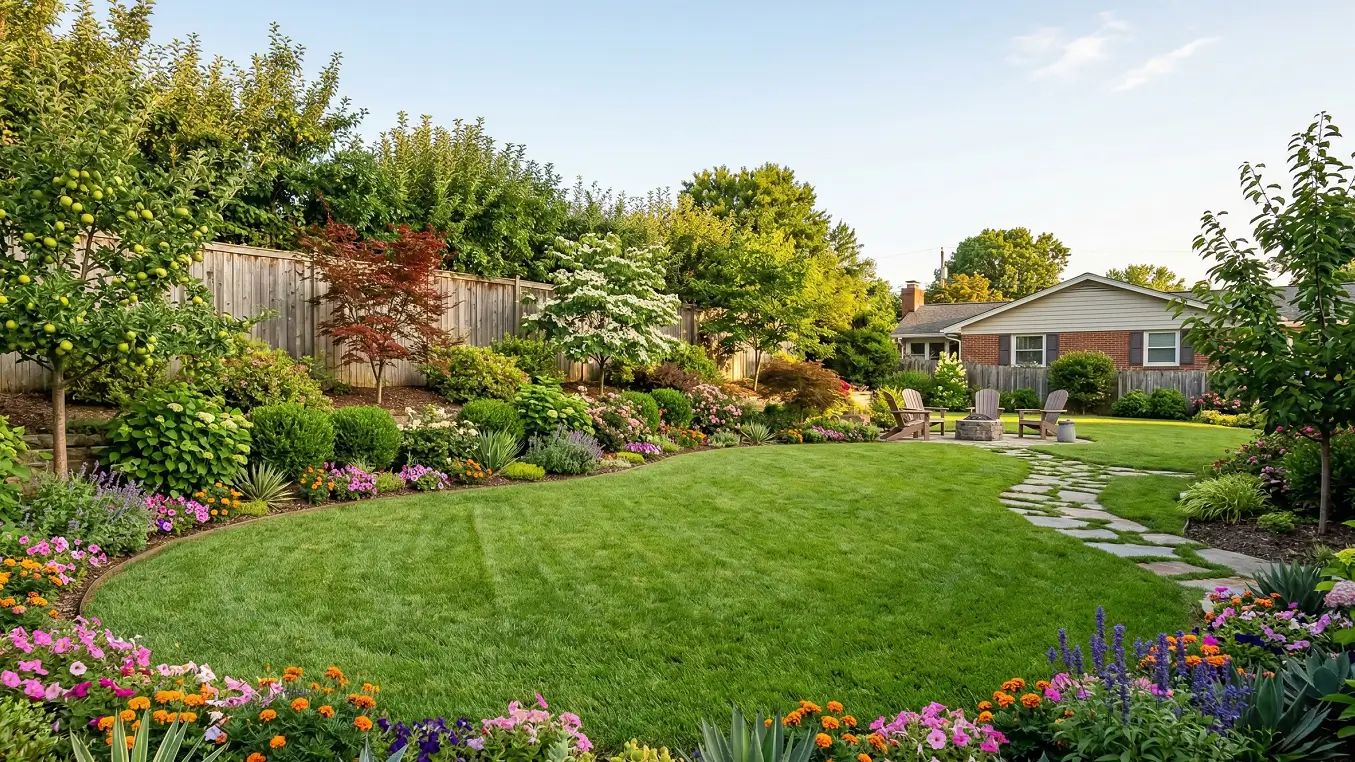
If your summer water bill keeps climbing, your plants look stressed, and local water restrictions are getting stricter, you are not alone. Many homeowners across drought-prone areas like California, Texas, and the Southwest face the same challenge every year. The good news is there is a smarter way to manage your landscape without sacrificing its beauty. Understanding what hydrozoning is can completely change how you water your yard.
Hydrozoning does more than just group plants; it balances the evapotranspiration rates of specific microclimates with the soil infiltration capacity of your yard, reducing overall water consumption by 20 to 50 percent. By organizing plants based on their specific needs, you reduce water waste, protect your greenery, and simplify landscape maintenance.
What is Hydrozoning?
Hydrozoning is the practice of grouping plants together based on their water and sunlight requirements. Instead of watering your entire yard the same way, you divide it into irrigation zones where each section receives only the amount of water it actually needs.
The idea is pretty straightforward. Give each plant exactly the amount of water it needs, no more and no less. When you group plants with similar requirements together, watering becomes much easier to manage and far more efficient.
It also does not mean you have to sacrifice a green lawn or bright, colorful flowers. It is really about being more thoughtful with placement. Plants that need more water can stay together, while drought-tolerant ones do better in their own space. With a bit of planning, you can still have a lively, beautiful yard while using a lot less water.
Why are the Primary Benefits of Hydrozoning?
Outdoor watering can account for a large portion of household water use, especially in warmer climates. By grouping plants by water needs, homeowners often reduce water consumption by 20 to 50 percent. That translates directly into lower monthly utility bills.
For those living in drought-prone areas, this method is more than just a cost-saving strategy. It is essential for staying compliant with water restrictions. When watering schedules are limited, having clearly defined irrigation zones ensures that every drop is used effectively.
Another major benefit is healthier plants. When plants receive the right amount of water, they experience less stress. This makes them more resistant to pests and diseases. It also reduces the need for fertilizers, pruning, and constant attention.
Water-wise landscaping built around hydrozoning also improves soil health. Overwatering can lead to root rot and nutrient loss, while underwatering weakens plant growth. A balanced approach helps maintain a stable environment where plants can thrive naturally.
Finally, maintenance becomes easier. Instead of guessing how often to water different areas, your yard operates on a structured system. Once established, it saves time, effort, and frustration.
4 Steps to Create Hydrozones in Your Yard
Transforming your yard into a water-efficient landscape does not require a complete overhaul. With a clear plan, you can gradually build effective irrigation zones that suit your space and climate.
Step 1: Map Out Your Yard & Local Climate
Start by sketching a simple map of your yard. This does not need to be perfect. A basic “bubble map” works well to identify different areas.
Pay close attention to sun exposure. Some parts of your yard may receive full sun all day, while others stay shaded. These differences directly affect how much water plants need.
Next, look at how water moves through your yard. Areas at the bottom of slopes or near downspouts tend to collect more moisture. Wind patterns also play a role, as windy spots dry out faster.
By understanding these natural conditions, you can begin grouping plants more effectively and designing irrigation zones that align with your environment.
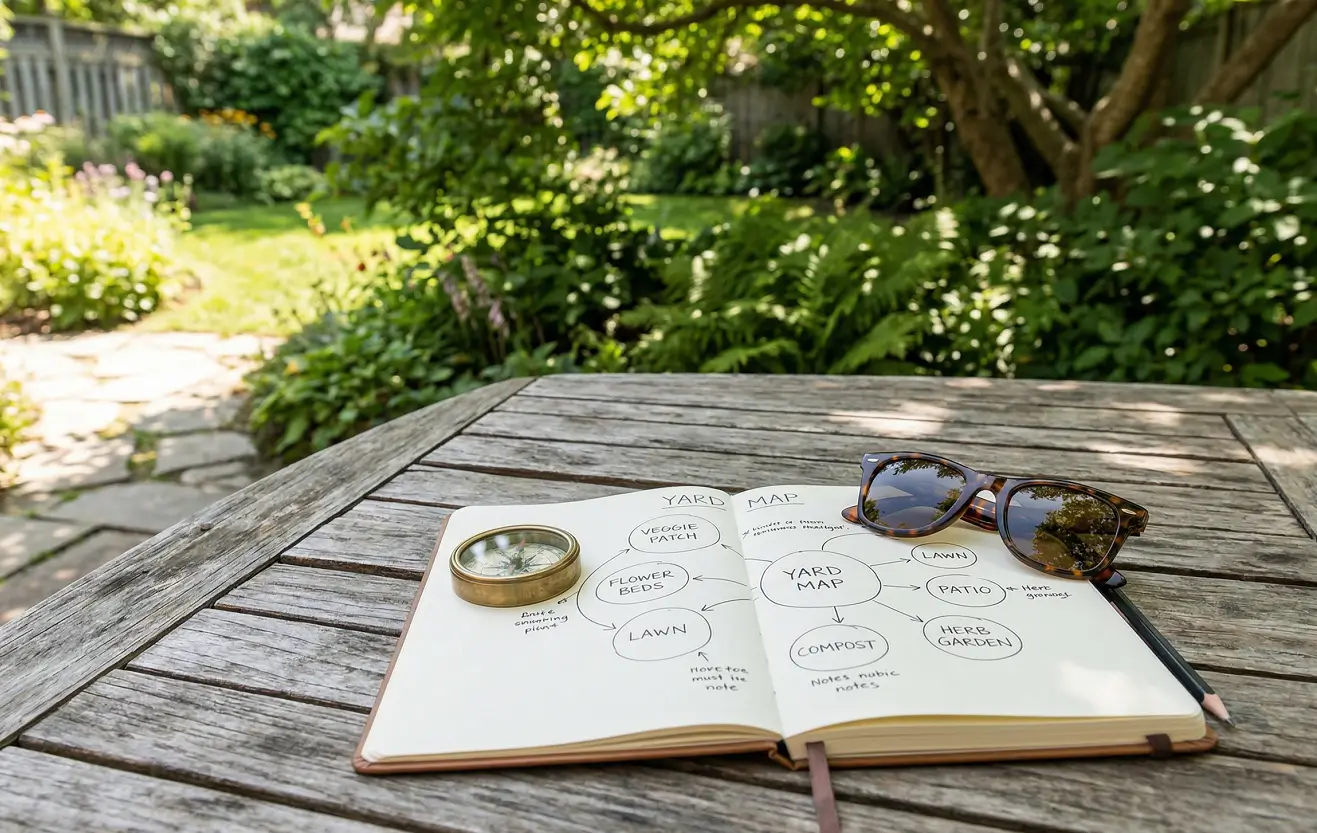
Step 2: Divide Into 4 Irrigation Zones (Cheat Sheet)
A simple way to organize your yard is by dividing it into four standard hydrozones:
- Routine Zone (2-3x/week): Best suited for lawn grass, vegetable beds, and any plants that need a steady supply of moisture.
- Reduced Zone (1x/week): Low-maintenance area perfect for most shrubs, smaller trees, and fruit plants.
- Limited Zone (Every 2-3 weeks): A great spot for drought-tolerant options like lavender and rosemary.
- Non-irrigated Zone (Rainfall only): Relies mostly on natural rainfall once established. Native plants, succulents, and cacti tend to do really well here.
This structure makes it easier to apply water-wise landscaping principles without overcomplicating your design.
Step 3: Set Up the Right Irrigation & Smart Tools
Each zone should have a watering method that matches its needs. Sprinklers work well in the Routine Zone where coverage is essential. Drip irrigation is more efficient for Reduced and Limited Zones because it delivers water directly to the roots.
Managing multiple irrigation zones manually can quickly become overwhelming. Each section requires a different schedule, and weather conditions constantly change.
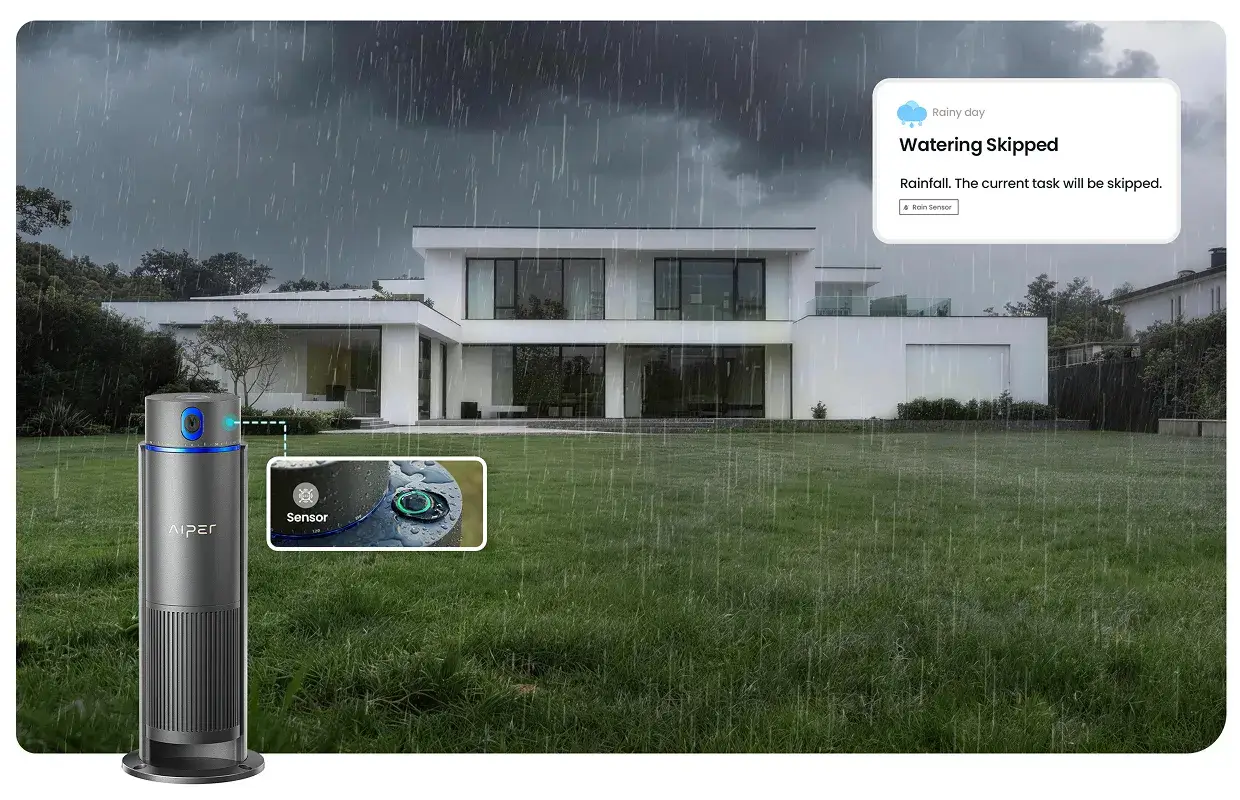
This is where smart technology makes a difference. The Aiper IrriSense 2 allows you to automate watering for each zone. You can set independent schedules for every valve, ensuring that each area receives the right amount of water. It also adjusts based on weather conditions, skipping watering during rainy days to maximize efficiency.
If you want to better understand how this type of system improves efficiency over time, explore the benefits of using a smart irrigation system.
With the right setup, maintaining multiple irrigation zones becomes simple and consistent.
Step 4: Pick Your Plants
Choosing the right plants is just as important as setting up irrigation. Always check plant tags at the nursery to understand their water and sunlight needs.
Native plants are a great option, especially for low-water zones. They are naturally adapted to your climate and require less maintenance once established.
When grouping plants, aim for consistency. Avoid mixing species with drastically different requirements in the same area. This ensures that your water-wise landscaping plan remains effective over time.
Common Mistakes to Avoid When Hydrozoning
Even a well-planned yard can run into problems if a few key details are overlooked.
- One common mistake is ignoring major differences in plant needs. According to the University of California Agriculture and Natural Resources, mixing plants with high and low water requirements leads to poor results. For example, placing a California Lilac or rosemary, which only needs water once or twice a month, next to a hydrangea or European birch, which needs watering one to two times a week, will cause one plant to suffer. Either the low-water plant drowns or the high-water plant dries out.
- Another common mistake is keeping mature trees in the same watering zone as your lawn. Trees usually need deep, occasional watering, while grass prefers lighter, more frequent watering. When they share the same space, neither really gets what it needs. Separating them makes it much easier for both to grow strong and stay healthy.
Conclusion
Hydrozoning is a simple, effective way to build a yard that looks great without demanding constant work or excess water. When you group plants based on what they actually need and set up your irrigation zones accordingly, you waste less water, spend less on utilities, and end up with a landscape that stays healthy and vibrant.
If you are ready to get started, grab a piece of paper this weekend and map out your yard. Small changes can make a big difference. With the help of smart tools like Aiper’s irrigation solutions, you can automate the process and enjoy a healthier, more sustainable outdoor space.
FAQs About Hydrozoning
What plants are best for hydrozoning?
A good place to start is with native plants, succulents, and drought-tolerant perennials for areas that do not need much water. These plants are naturally adapted to your local climate, which means they are easier to maintain and more resilient over time.
For areas that need more moisture, you can include turfgrass, vegetables, or flowering annuals that benefit from regular watering. The key is to group plants with similar needs so your watering stays efficient and consistent.
How many hydrozones should a yard have?
For most homes, four zones is a simple and practical setup that covers a range of watering needs. That said, it is not a strict rule. The number of zones can vary based on the size of your yard, how your landscape is laid out, and how much sun or shade different areas receive. Larger yards or those with slopes, garden beds, and mixed plant types may benefit from adding a few extra zones to improve control.
Is hydrozoning required for sustainable landscaping?
Yes. Grouping plants by water needs is a foundational strategy for sustainable design. It is also one of the core principles of xeriscaping.
Is hydrozoning hard to maintain?
Not at all. In fact, it usually makes maintenance easier. Once your zones are clearly defined and your irrigation is set correctly, your yard requires less guesswork. With the help of smart irrigation tools, much of the process can even be automated, saving you time while keeping your landscape healthy.