
Best Plants Around a Pool: Pool-Friendly Ideas for Australian Gardens
Select low-mess, non-invasive, heat and salt-tolerant native and compact plants for Australian poolside gardens. Avoid messy shedding species and aggressive-root plants to cut cleaning work and protect pool structures year-round.

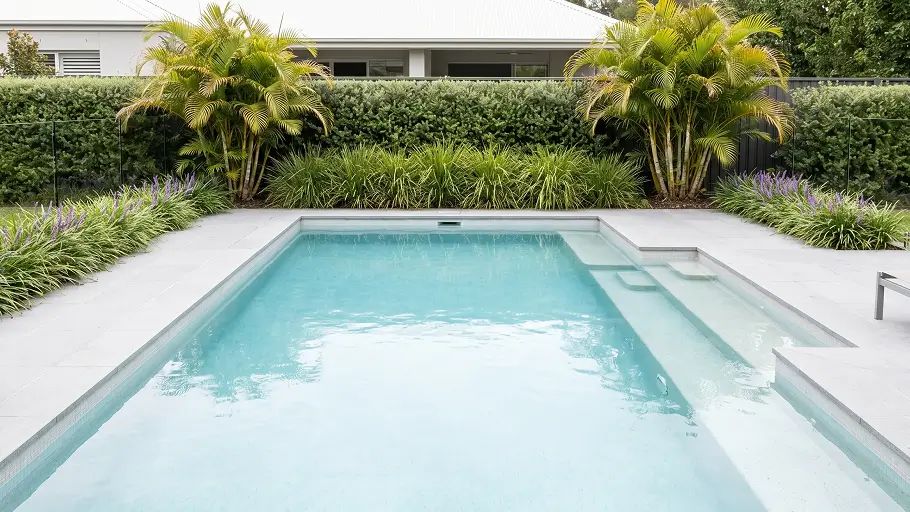
There is a moment every Australian pool owner knows well. You have just finished skimming the water, the filter is running again, and yet more leaves are already drifting across the surface. The truth is that poolside planting is completely different from planting in a regular garden bed. What works beautifully in a front garden can become a maintenance nightmare next to a pool.
This guide will help you choose the right plants, understand what makes a plant genuinely pool-friendly, and avoid the common mistakes that turn a relaxing oasis into a constant cleanup job. You will learn which species thrive in Australian conditions without dropping debris into your water or sending roots under your paving.
What Makes a Good Poolside Plant?
Before looking at specific plants, it helps to understand the qualities that separate a good poolside choice from a bad one. The best plants around a pool share several key traits that keep your space looking good and easy to enjoy.
Low mess is arguably the most important factor. Plants that drop excessive leaves, flowers, berries, or seed pods will constantly find their way into your pool water. This clogs filters, stains surfaces, and turns what should be a relaxing swim into a frustrating exercise in debris removal.
Root behaviour matters enormously. Invasive root systems can lift paving, crack concrete pool surrounds, and interfere with underground plumbing. According to landscaping professionals, trees with aggressive roots—such as figs and certain willows—should never be planted near a pool shell or pipework.
Maintenance level should be considered before appearance alone. A stunning plant that requires constant pruning, deadheading, or cleaning will quickly lose its appeal when you realise how much time it demands. Poolside planting should reduce your workload, not increase it.
Heat and sun tolerance is essential for most Australian gardens. Reflected heat from paving and pool surfaces creates a harsher microclimate than other parts of your garden. Pool-friendly plants must handle full sun, dry periods, and occasional chlorine or salt splash without wilting or burning.
Finally, think about what job you want your plants to do around the pool. Do you need privacy screening from neighbours? Are you trying to soften hard paving edges? Do you want to fill border spaces, or are you aiming for a resort-style look with feature plants? Matching plant choice to purpose will give you better results than choosing randomly based on looks alone.
Best Plants Around a Pool
The following plant groups have been selected because they perform well in Australian poolside conditions, create minimal mess, and offer practical benefits for different landscaping roles.
Low-Mess Border Plants
Border plants line the edges of paved areas, softening the transition between hardscape and garden. They need to be tidy, compact, and tolerant of occasional foot traffic.
Liriope (Liriope muscari) , often called lilyturf, is a clumping grass-like perennial that produces violet-purple flower spikes in summer. It stays neat, does not drop debris, and handles both sun and shade. Liriope is salt-tolerant and works beautifully as an edging around pools and paths.
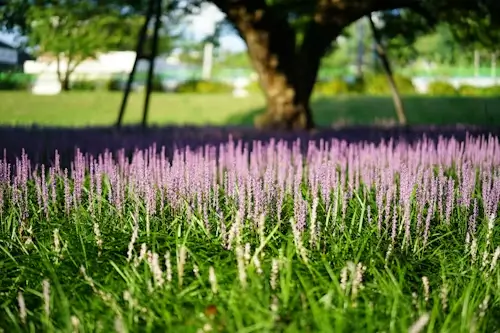
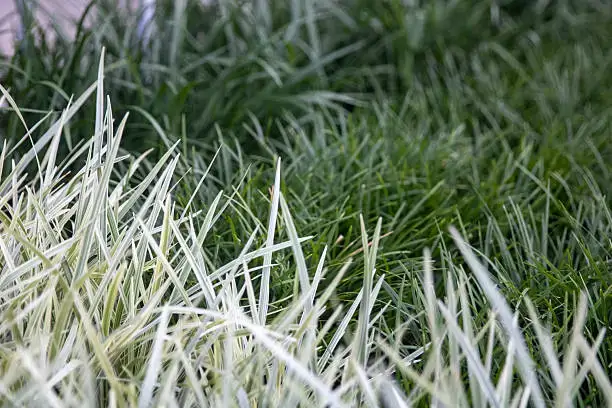
Lomandra is a tough Australian native with strappy, arching leaves. It is extremely drought-tolerant, handles full sun, and creates no leaf litter to speak of. Lomandra 'Lime Tuff' and 'Tanika' are compact varieties that stay around 50-60cm tall, making them perfect for poolside borders.
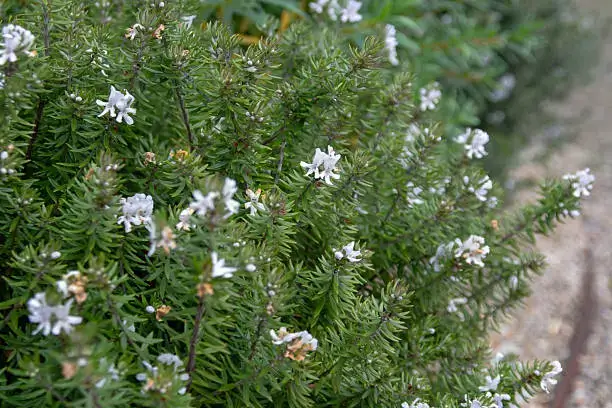
Westringia , commonly known as coastal rosemary, is a native shrub with small, tight-growing leaves and pale purple flowers. It handles wind, sun, and salt splash with ease. When kept trimmed, Westringia forms a dense, low hedge that stays tidy year-round.
Screening Plants for Privacy
Privacy is one of the biggest reasons homeowners invest in poolside landscaping. The right screening plants block unwanted views while still allowing airflow and sunlight.
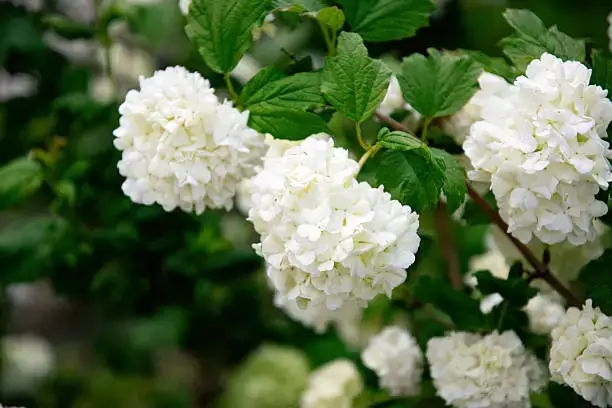
Viburnum species are versatile evergreen shrubs that grow quickly and form dense hedges. They produce fragrant flowers in spring and have minimal leaf drop. Viburnum tolerates pruning well, so you can maintain it at your preferred height.
Westringia also works well as a screening plant when allowed to grow taller. It can reach 1.5 metres or more and creates a soft, natural-looking hedge that does not feel like a solid wall. It is one of the hardest-working plants in Australian poolside gardens.
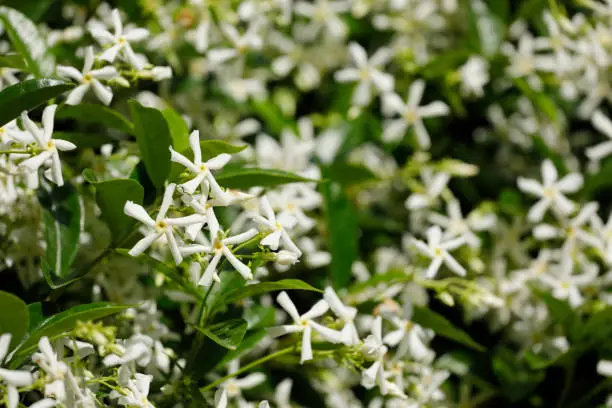
Star Jasmine (Trachelospermum jasminoides) is a climbing plant that can be trained onto a trellis or fence to create a fragrant green wall. It stays evergreen, produces minimal litter, and thrives in full sun to part shade. Star Jasmine is ideal for narrow side yards where you need privacy without taking up ground space.
Groundcovers and Soft Fillers
Groundcover plants fill spaces between larger specimens, suppress weeds, and soften bare soil areas around the pool.
Liriope works equally well as a groundcover when planted in drifts. Its grass-like clumps spread slowly without becoming invasive, creating a uniform carpet of green.
Lomandra can also be used as a groundcover, particularly the smaller cultivars. Its fine foliage adds texture and movement, and it requires almost no maintenance once established.
Mondo grass (Ophiopogon japonicus) is a tiny, hardy groundcover that thrives in both sun and shade. It creates a dense, dark green mat that stays low and never needs mowing. Mondo grass is perfect between pavers or as an edging along pool coping.
Feature Plants or Tropical-Look Plants
For homeowners who want a resort-style aesthetic, feature plants add height, drama, and a lush tropical feel without creating excessive mess.
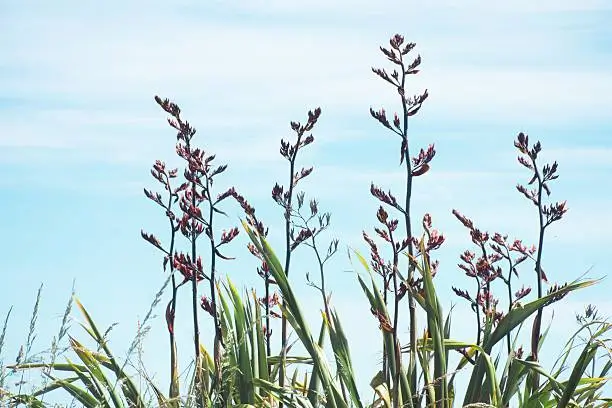
New Zealand Flax (Phormium) comes in striking colours including red, pink, green, and burgundy. Anna Red Flax grows to about 1.5-1.8 metres and adds bold architectural form. It is salt-tolerant, low-maintenance, and prefers a well-drained position in part shade, as hot overhead sun can burn the leaves.
Star Jasmine can also function as a feature plant when grown on an obelisk or allowed to cascade over a wall. Its glossy evergreen leaves and sweet fragrance make it a standout addition to any poolside area.
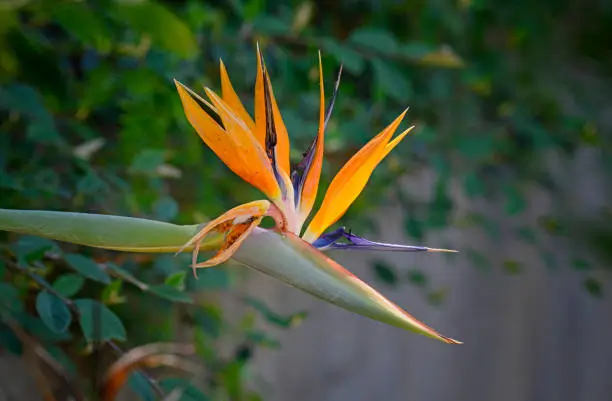
Bird of Paradise (Strelitzia reginae) offers bold tropical foliage and distinctive orange and blue flowers that rise above the leaves. It is robust, thrives in warm sunny locations, and has minimal leaf drop. The flowers do not create the same level of mess as many other blooming plants.
Golden Cane Palm (Dypsis lutescens) is a clumping palm with soft, feathery fronds. Unlike many palms, it has non-invasive roots and does not drop heavy fruit or large fronds. It works well in pots or garden beds and provides excellent screening and tropical atmosphere.
What Plants Should You Avoid Around a Pool?
Knowing what to avoid is just as valuable as knowing what to plant. Some plants look appealing but create significant problems in practice.
Heavy leaf and flower droppers are the biggest culprits. Jacarandas, poincianas, and deciduous trees drop masses of leaves, flowers, and seed pods that clog filters and stain pool surfaces. Even beautiful flowering trees can become a nightmare during peak shedding season.
Plants with invasive roots should never go near pool structures. Bamboo (running varieties), fig trees, umbrella trees, and willows can crack paving, damage pool shells, and interfere with underground plumbing. Note that clumping bamboo varieties are less risky, but running bamboo is a serious problem.
Spiky or thorny plants near walkways or pool edges pose a safety risk, especially for children running barefoot. Cacti, agaves, roses, bougainvillea, and silky oaks can cause painful injuries. If you want architectural succulents, place them well away from high-traffic areas.
Toxic plants like oleander should be avoided entirely. If leaves fall into the water, they can create health risks for swimmers. Similarly, eucalyptus trees drop oil-rich leaves that can stain water and create surface films.
The guiding principle is simple: poolside planting should reduce clean-up, not increase it. If a plant requires constant skimming, sweeping, or pruning to keep the pool usable, it is the wrong plant for the location.
Poolside Planting Tips for Australian Gardens
Australian conditions are unique, and poolside planting needs to account for them. Strong sun, reflected heat, dry periods, and exposed areas all affect how plants perform.
Drought tolerance is a highly useful trait for poolside plants. Many Australian gardens face water restrictions or dry summers. Choosing plants that thrive with minimal supplemental watering reduces your workload and keeps your garden sustainable. Natives like Westringia, Lomandra, and Kangaroo Paw are naturally adapted to dry conditions. For poolside gardens with a mix of borders, screening plants, and pots, a smart irrigation system like Aiper IrriSense 2 can also help manage watering more efficiently across different planting zones.
Salt tolerance matters if you have a salt-chlorinated pool. Occasional splash-back will not kill hardy plants, but sensitive species may show leaf burn. Look for plants described as salt-tolerant; many coastal natives fall into this category.
Plant choices may vary by region, but the selection logic stays the same. A pool in humid Queensland can support different plants than a pool in dry Perth or cool Melbourne. However, the principles of low mess, non-invasive roots, and heat tolerance apply everywhere.
Keep plants at a sensible distance from the pool edge. Landscaping professionals recommend spacing plants 1-2 metres from the pool coping. This protects paving and pipework, allows airflow, and makes maintenance easier. It also prevents leaves from falling directly into the water.
Use pots for flexibility. Potted plants let you reposition or swap plants as needed. They also contain root systems, eliminating the risk of invasive roots damaging pool structures. Use sturdy pots with good drainage and group them in clusters for visual impact.
Conclusion
A well-planted pool area transforms an ordinary swimming pool into a private retreat. But the key to long-term satisfaction is choosing plants that combine good looks with practical, low-maintenance behaviour.
Test your choices against the simple test: will this plant make my pool easier or harder to enjoy? When you get the selection right, your poolside garden will look inviting year-round and leave you with more time for floating, splashing, and relaxing—not skimming and sweeping.
FAQ
What are the best low-maintenance plants around a pool?
The best low-maintenance options include Liriope, Lomandra, Mondo grass, Westringia, succulents, and clumping palms like Golden Cane. These plants do not drop excessive debris, have non-invasive roots, and tolerate heat and dry conditions without constant care.
What plants should you not plant around a pool?
Avoid Jacaranda, Eucalyptus, Fig trees, running Bamboo, Oleander, Bougainvillea, and any tree with invasive roots or heavy leaf drop. These species create excess debris, damage paving and pipes, or pose safety risks.
Can you use pots around a pool area?
Yes, pots are an excellent option for poolside planting. They allow you to move plants as needed, control root systems completely, and change your garden design easily. Use sturdy, weather-resistant pots with good drainage.
What makes a plant pool-friendly?
A pool-friendly plant is one that produces minimal leaf, flower, and fruit drop; has non-invasive roots; tolerates heat, sun, and occasional splash; and requires low maintenance. The best choices stay tidy and practical over time without increasing your workload.