
Greywater for Irrigation: What It Is and How to Use It Safely
Greywater from showers, sinks and laundry safely irrigates lawns and ornamentals. Avoid blackwater and kitchen water, apply to soil directly, use within 24 hours, and keep away from edible plants.

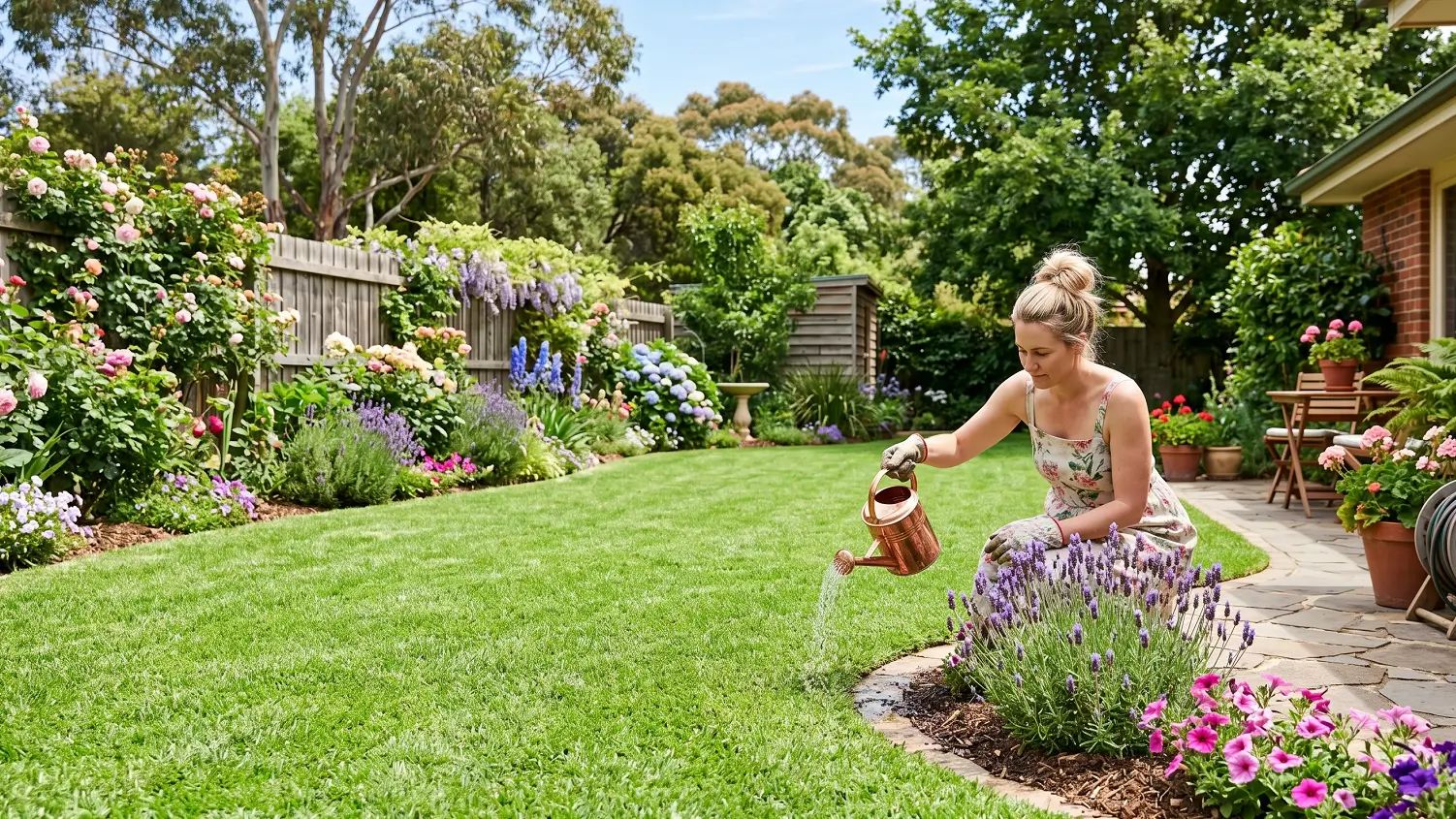
Water conservation is becoming a growing priority for many Australian households, especially in regions where dry conditions and water restrictions are common. One practical solution people often explore is reusing greywater to keep their gardens healthy without increasing water bills. It sounds simple, but there is often confusion around what greywater actually is and how safe it is to use.
Greywater is not the same as all household wastewater, and not every source is suitable for reuse. Understanding the difference is essential before applying it to your garden. In this guide, we will break down what greywater is, which sources you can reuse, whether it is suitable for irrigation, how to collect it, and, most importantly, how to use it safely.
What Is Greywater
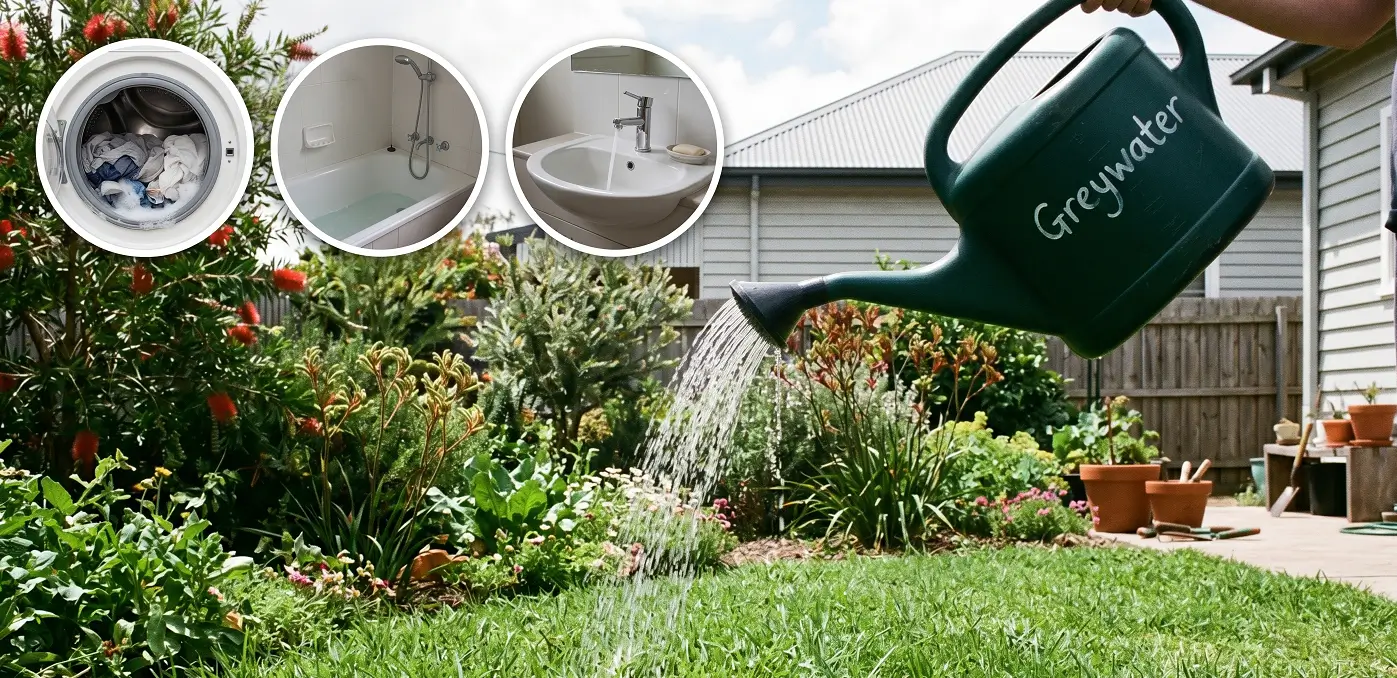
Greywater is basically the lightly used water that comes from everyday things around the house, like showers, baths, bathroom sinks, and the washing machine. It's already been used once, but that doesn't mean it's useless. With a bit of care, it can still be put to good use, especially in the garden.
That said, it's important not to confuse greywater with blackwater. Blackwater is what comes from toilets, and it contains human waste. Because of that, it's not safe to reuse unless it goes through proper treatment. In simple terms, toilet water should never be used in your garden.
Even though greywater might look clean enough at first glance, it's not really as harmless as it appears. It can still have bits of soap, detergent, dirt, and sometimes even tiny amounts of bacteria in it. So while you can reuse it, it's definitely not something to treat too casually.
Which Greywater Sources Can Be Reused
Water from showers, baths, bathroom sinks, and washing machines is usually the easiest and most common type to reuse. It mostly contains things like soap, shampoo, and a bit of dirt, which the soil can generally handle if it's used the right way.
Laundry water can be reused, too, but this is where you need to be a bit more careful. It really comes down to the detergent you're using. Milder products with lower salt and fewer harsh chemicals tend to be a much better fit for greywater use and are less likely to cause issues over time.
On the other hand, kitchen sink and dishwasher water are at a much higher risk. These sources often contain food scraps, oils, grease, and stronger contaminants that can harm soil structure and attract pests. Because of this, they are generally not recommended for simple, untreated reuse in the garden.
The key difference between these sources comes down to what the water carries. Water that contains organic waste, fats, or high chemical loads can create long-term issues for both soil and plant health. That is why it is important not to treat all greywater the same way.
Can Greywater Be Used for Irrigation
Greywater can be used for irrigation, but it's not something that works the same way in every garden. Whether it's a good fit really depends on what you're growing, where the water is coming from, and how you're using it.
In most cases, it's better suited for lawns, trees, and ornamental plants. These areas can handle a bit more variation in water quality and still benefit from the extra moisture. Established plants, especially those with deeper roots, usually cope much better than young or more delicate plants.
When it comes to edible plants, though, it's worth being more careful. Vegetables and herbs that are eaten raw need extra attention, particularly if the part you eat could come into contact with the water. That's where the risk of contamination comes in. Because of this, many people either avoid using greywater on these plants altogether or stick to applying it only to the soil, keeping it well away from the edible parts.
It is also important to avoid applying greywater to areas where water may pool or run off. Poor drainage can lead to odours, soil damage, and potential health risks.
In short, greywater can be a useful irrigation option, but it needs to be matched carefully to the right parts of your garden. Thoughtful use makes all the difference between a helpful resource and a potential problem.
How to Collect Greywater
For those new to greywater reuse, one of the easiest methods is to collect water manually using a bucket or bowl. For example, you can place a bucket in the shower while waiting for the water to heat up, or collect water from the bathroom basin when washing your hands. Laundry water can also be diverted into containers during the wash cycle. These small steps can add up quickly and provide enough water for basic garden use.
This method is ideal for households that want to try greywater reuse without making a long-term commitment or installing permanent systems. It is low-cost, flexible, and easy to manage.
However, it is important to use the collected water quickly. Greywater should not be stored for long periods, as it can begin to break down and develop bacteria. In most cases, it is best to use it within a few hours and avoid storing it for more than 24 hours.
How to Irrigate with Greywater
Using greywater safely is not just about the source of the water, but also how you apply it. Following a few clear steps can help you reduce risks and get the most benefit for your garden.
1. Choose the right areas to irrigate
A good starting point is simply figuring out where in your garden greywater actually makes sense to use. In most cases, lawns, trees, and ornamental plants are the safest bet. These areas tend to be a bit tougher and can handle small amounts of residue without any real issues.
You do need to be more careful with anything edible, especially vegetables and herbs that are eaten raw. It's usually best to avoid pouring greywater directly onto them. If you do use it, keep it to the soil around the plant rather than anywhere near the leaves or produce.
Potted plants and containers are another area to watch. Because they have limited soil, salts and chemicals can build up more quickly than in the ground, so greywater isn't always the best option there either.
2. Use fresh greywater quickly
Greywater is not designed to be stored. Once collected, it should be used as soon as possible. Leaving it sitting for too long allows bacteria to grow and increases the risk of unpleasant odours.
As a general rule, try to use greywater within a few hours and avoid storing it for more than 24 hours. Fresh water is always safer and more effective for irrigation.
3. Apply it the right way
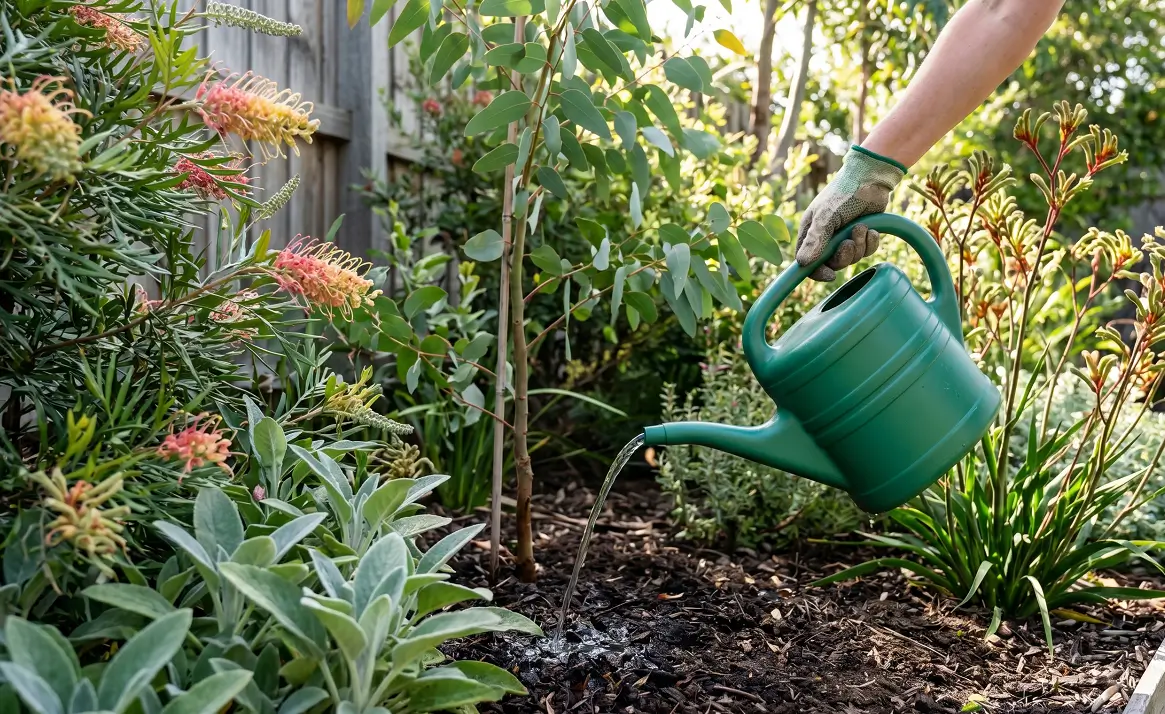
It's always better to pour it straight onto the soil instead of spraying it over the plants. This way, you lower the chance of spreading anything unwanted and keep your plants safer overall.
Try to avoid sprinklers or anything that creates a fine spray, since that can send tiny particles into the air and isn't ideal. A simple watering can or just pouring it gently onto the ground works much better. That way, the water goes right into the soil where the roots can actually take it in.
Make sure the water does not pool or run off into other areas, as this can create hygiene concerns and damage your garden.
4. Reduce what goes into the greywater
The quality of greywater depends heavily on what goes down your drains. Detergents, soaps, and cleaning products can contain salts and chemicals that may harm soil over time.
Whenever possible, choose products that are labelled as greywater-safe or environmentally friendly. These tend to have lower levels of harmful ingredients and are better suited for reuse.
It is also important to avoid using greywater if someone in the household is unwell, particularly with a gastrointestinal illness. Similarly, water from washing nappies or heavily soiled items should not be reused in the garden.
Greywater can contain detergents, salts, and microorganisms, so being mindful of its source is essential for safe use.
5. Protect people, pets, and the garden
When you're using greywater, it really comes down to being a bit cautious. Try to keep people and pets away from areas you've just watered, at least until the soil has had time to soak it in and dry out properly.
It also helps to check in on your garden every now and then. If the soil starts feeling a bit hard or crusty, or your plants don't look quite as healthy as usual, that could be a sign something's off. Even a light white buildup on the soil can mean salts are starting to collect.
There's no need to overthink it, though. Just paying a bit of attention as you go is usually enough. If something doesn't look right, tweak what you're doing and see how your garden responds.

Conclusion
Greywater can be a really handy way to cut down on water use while still keeping your garden going, especially during dry spells. If you use it the right way, it takes some pressure off your fresh water supply without compromising the health of your outdoor space. Or you might consider using a smart irrigation system like Aiper IrriSense 2 to manage watering more efficiently across different areas of the garden.
FAQs
What are the drawbacks of a greywater system?
Greywater systems can be useful, but they do need a bit of attention to work properly. If they're not managed well, you might run into issues like unpleasant smells, salt building up in the soil, or even contamination. Some setups can also be a bit costly to install and may need occasional maintenance to keep things running smoothly.
Is toilet water considered greywater?
No, it isn't. Water from toilets is known as blackwater because it contains human waste and harmful bacteria. It's not safe to reuse unless it goes through proper treatment, so it shouldn't be used in the garden.
What is the difference between black water and greywater?
The main difference comes down to where the water comes from and what's in it. Greywater comes from places like showers, sinks, and washing machines, so it's relatively low in contaminants. Blackwater, on the other hand, comes from toilets and carries waste, which makes it much more hazardous and unsuitable for simple reuse.
Can you water vegetables with greywater?
It depends on the type of vegetable and how the water is applied. Greywater is generally not recommended for vegetables eaten raw, especially if the edible part comes into direct contact with the water.