
How Long Should I Run My Salt Chlorinator in Winter?
Run salt chlorinator 4-6 hours daily in winter. It stops producing chlorine below 10°C; lower chlorine output or add chlorine manually. Keep pumps running in freezing weather and use robotic cleaners to reduce chlorine consumption.

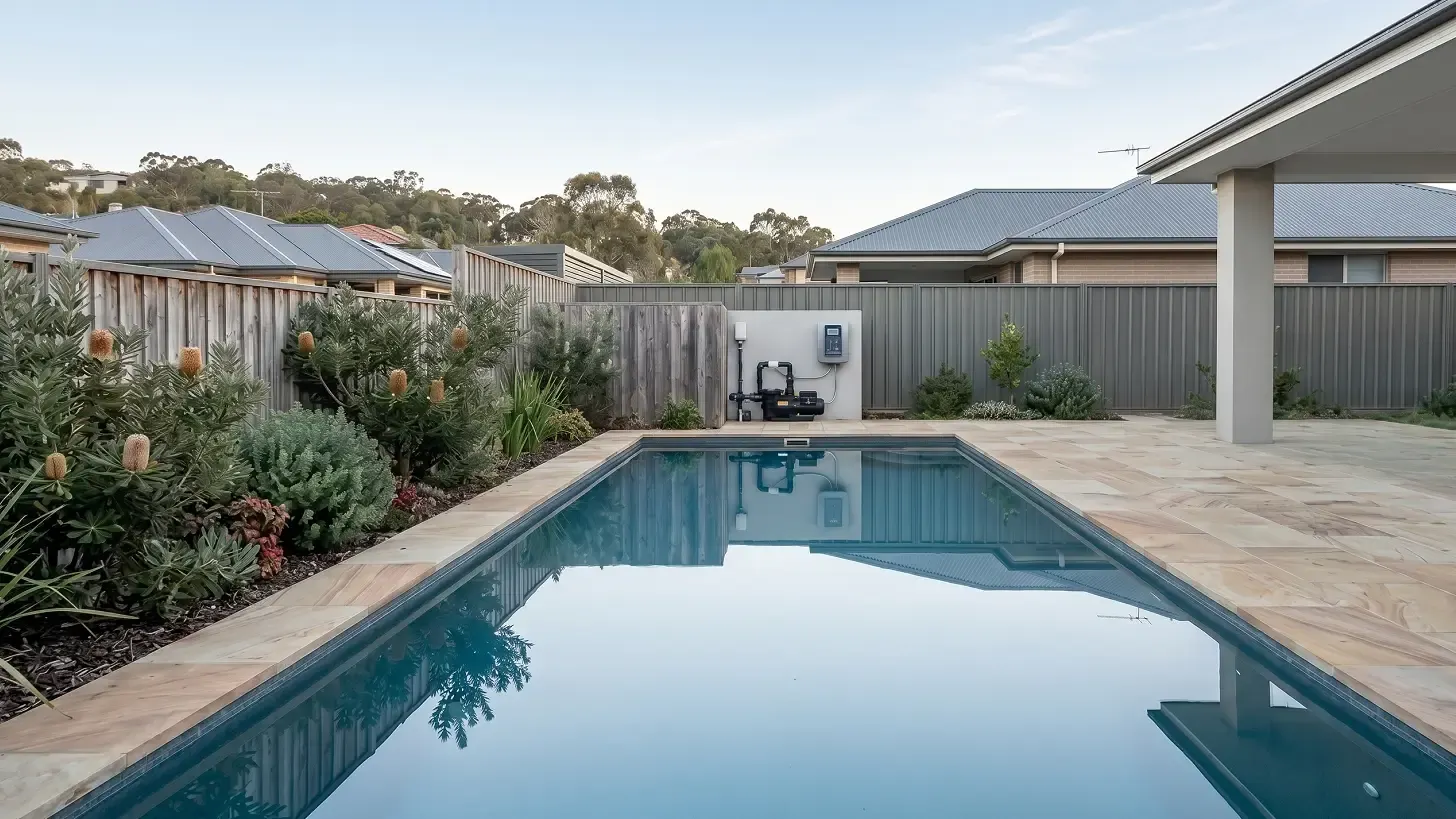
As the cooler months settle in across Australia, pool owners face a common dilemma regarding how to manage their filtration systems. The long, hot days of summer required your equipment to work overtime, but winter brings a completely different set of operational needs.
You might notice your electricity bills climbing or see warning lights flashing on your control box, leaving you wondering about the ideal schedule for the colder season. Managing a saltwater pool during this time does not have to be a guessing game, and getting the timing right is essential for protecting your equipment and keeping your budget in check.
Winter Run Times for Saltwater Pools
To answer the core question of how long should i run my salt chlorinator in winter, the general industry standard is four to six hours per day. This is approximately half of the duration required during the peak of summer, when systems typically operate for eight to twelve hours.
The exact runtime for your pool really comes down to your local weather and whether your water is warm enough for the cell to generate chlorine. If you live somewhere milder, you are still running the system to tick over and produce a bit of sanitiser. But if you are dealing with proper winter cold, the whole goal shifts: you are no longer trying to make chlorine, you are just keeping the water moving so it doesn't sit stagnant.
Why Winter is Different for Salt Chlorinators
Pool chemistry and how your equipment works change completely once the weather cools down. Knowing exactly what happens underwater makes it easy to see why you can safely cut back your daily pump hours without waking up to a green pool.
Reduced Chlorine Demand
Algae and bacteria need two main things to thrive: warmth and plenty of bright sunlight. When winter hits, the drop in temperature and weaker UV rays slow these nasty microorganisms right down, meaning they reproduce at a snail's pace. Because of this, your pool's appetite for chlorine completely plummets.
Because the pool is not consuming sanitiser at the summer rate, you do not need to produce it in large quantities. However, you still need to ensure the water moves through the filtration system regularly.
Proper movement prevents dead spots where organic matter can accumulate, which is why maintaining a consistent daily schedule remains important. For a deeper look at maximising your pool filtration efficiency, you can read about improving pool water circulation.
The Cold Water Shut-Off (The 50°F / 10°C Rule)
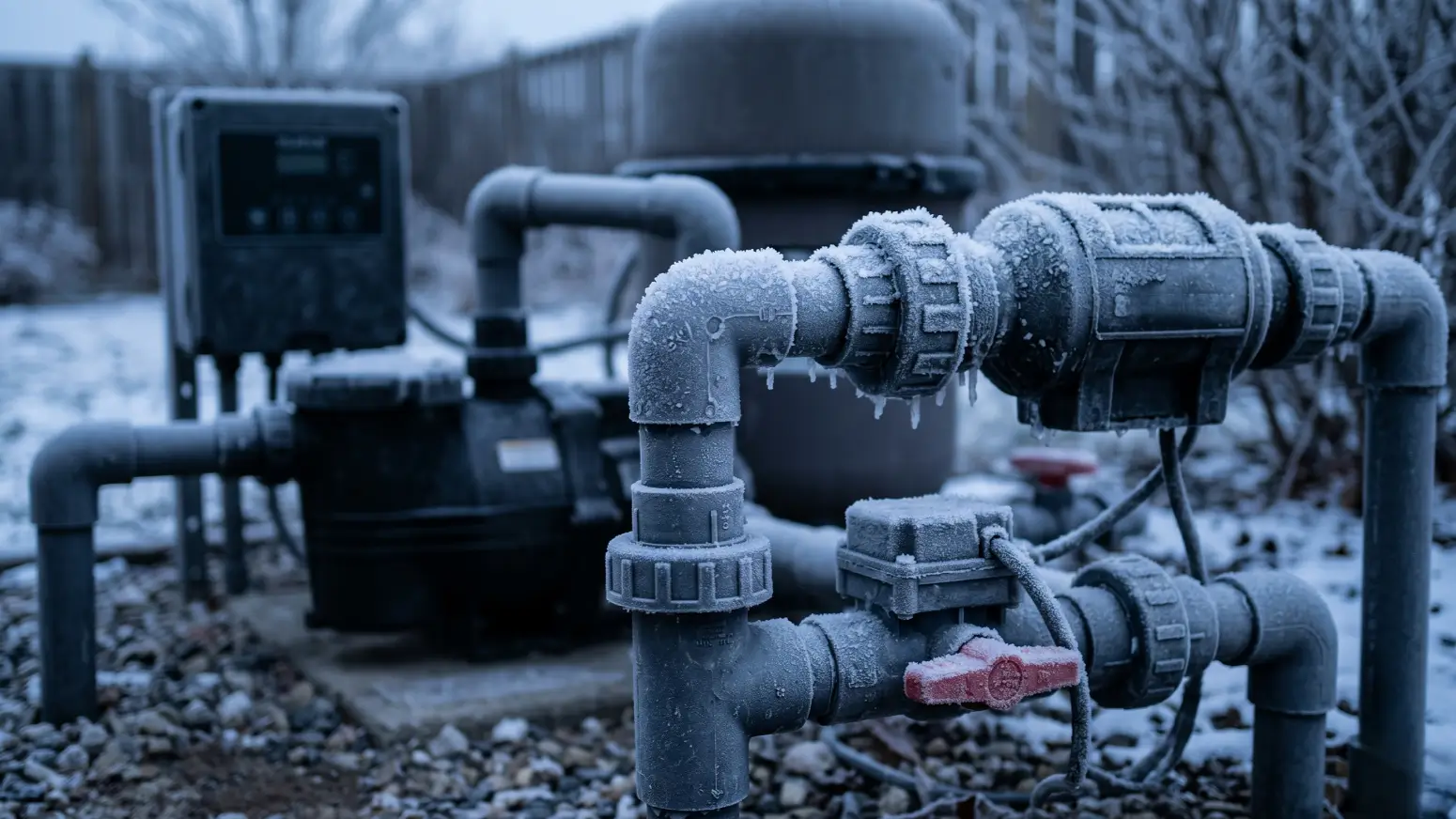
A major point of confusion for many pool owners is the built-in temperature threshold of modern saltwater systems. According to leading pool engineering standards, salt cells rely on water conductivity to perform electrolysis. When water temperatures drop below 10°C to 15°C, the electrical conductivity of the water decreases sharply.
If a salt cell continues to operate in these conditions, it is forced to work much harder to pass an electrical current between the plates. This extra strain can cause rapid degradation of the expensive precious metal coatings on the cell plates, dramatically shortening the lifespan of the unit.
To prevent this costly damage, most modern digital chlorinators feature an automatic low-temperature shut-off mechanism that stops chlorine production entirely when the water gets too cold.
How to Adjust Your Settings for Winter
Transitioning your pool equipment for the winter season involves a few simple, sequential adjustments to ensure everything operates safely and efficiently. If you need assistance with maintaining the physical components before making these adjustments, learn how to clean chlorinator cell in Australia.
Step 1: Test Your Water Temperature
Before you go touching any timers, grab a pool thermometer and check how cold the water actually gets during the middle of the day. If it is still sitting comfortably above 15°C, your salt cell can keep doing its job normally. But if it has dropped below 10°C, your chlorinator has likely gone into its safety shut-off mode or is barely gasping along.
Step 2: Set the Pump Timer
Once you know what temperature you are working with, reset your timer box to run for just four to six hours a day. If you live somewhere milder, try to schedule this window during off-peak electricity hours to save a bit of cash on your next power bill. If your area gets proper morning frosts, it is much smarter to set the pump to run during the freezing pre-dawn hours to keep the water moving and stop your PVC pipes from cracking.
Step 3: Lower the Output Percentage
If your water is still warm enough for the cell to tick over, you need to turn down the chlorine output on your control panel. Leaving it at your usual summer setting of 80% or 100% will spike your chlorine levels through the roof because there are no swimmers or harsh sun rays to burn it off. Knock the output down to 10% or 20% just to keep a safe, steady level of sanitiser moving through the pool.
Mild Winters vs. Freezing Winters: What’s Your Strategy?
Australia covers vastly different climate zones, meaning pool owners in Queensland will have a very different winter strategy compared to those in the colder tablelands of New South Wales or parts of Victoria.
Keeping the Pool Open (Mild Climates)
Up north or along the milder coastal spots, winter pool temperatures usually hover anywhere between 12°C and 18°C. Because it never gets truly freezing, most people leave their pools uncovered and open.
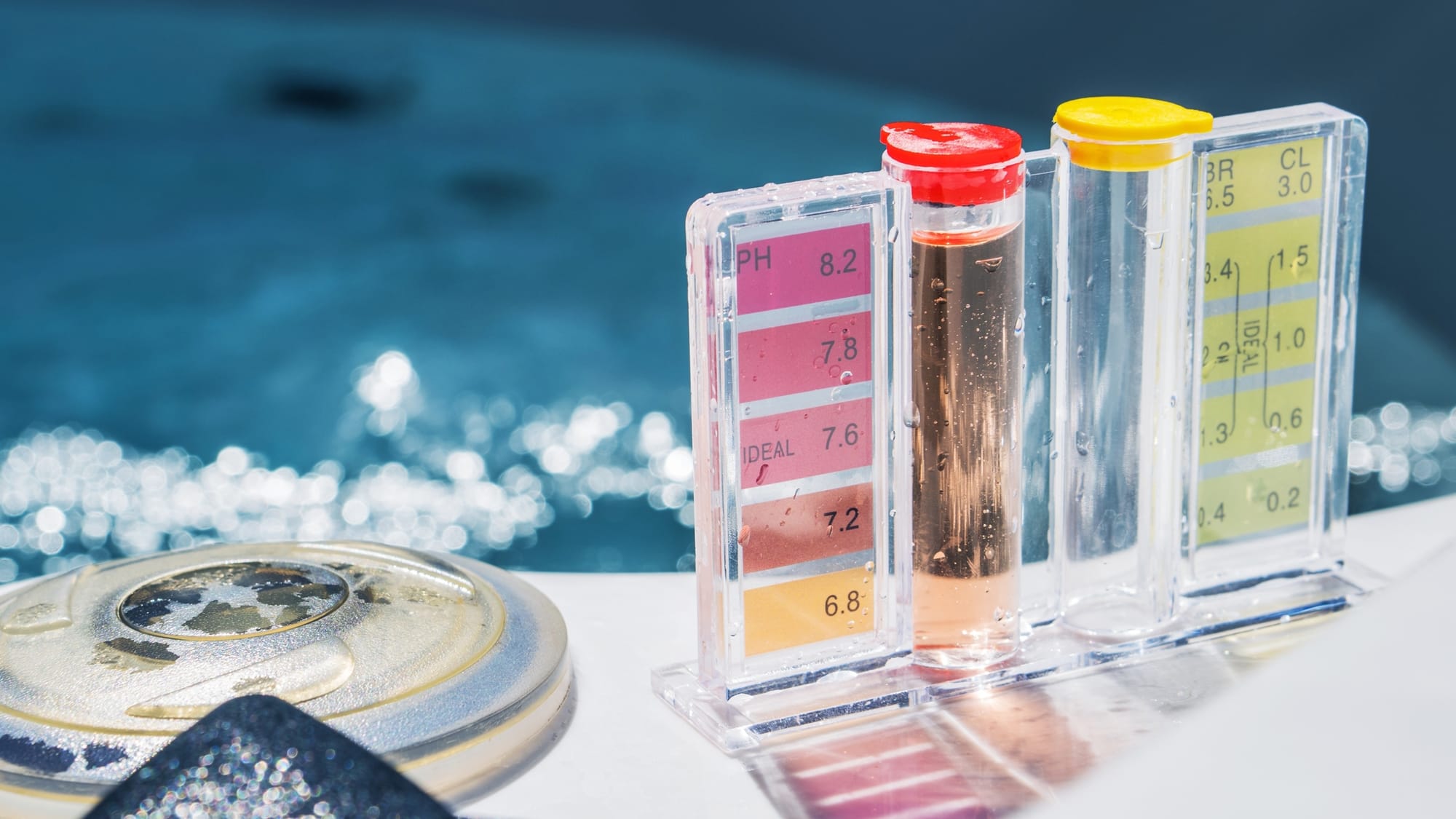
If that sounds like your backyard, your main game plan is simply cutting your pump back to that sweet spot of four to six hours a day, alongside a quick fortnightly water test to keep an eye on your pH and chlorine levels.
Closing the Pool (Freezing Climates)
If you are further inland or down south, where winter brings heavy frosts and freezing overnight temperatures, you will need a proper winterisation strategy. This means adding a dose of winter algaecide, pulling a solid winter cover over the top to keep out leaves and block the light, and completely shutting down or draining the equipment if you are worried about expanding ice cracking your pipes.
Managing Debris to Support Your Chlorine Levels
When you reduce your main pump runtime down to just four hours a day, the surface skimmer and main filtration system are operating for a fraction of their usual time. This creates a distinct challenge. Wind-blown winter leaves, twigs, and organic debris will sit in the water much longer before being pulled into the skimmer box.
When organic matter floats in a pool, it breaks down and acts as a direct consumer of free chlorine. This means the limited sanitiser your system produces is wasted on fighting leaves rather than protecting the water. To keep a pool pristine, owners need a way to remove physical waste without running their heavy, power-hungry filtration pumps all day.
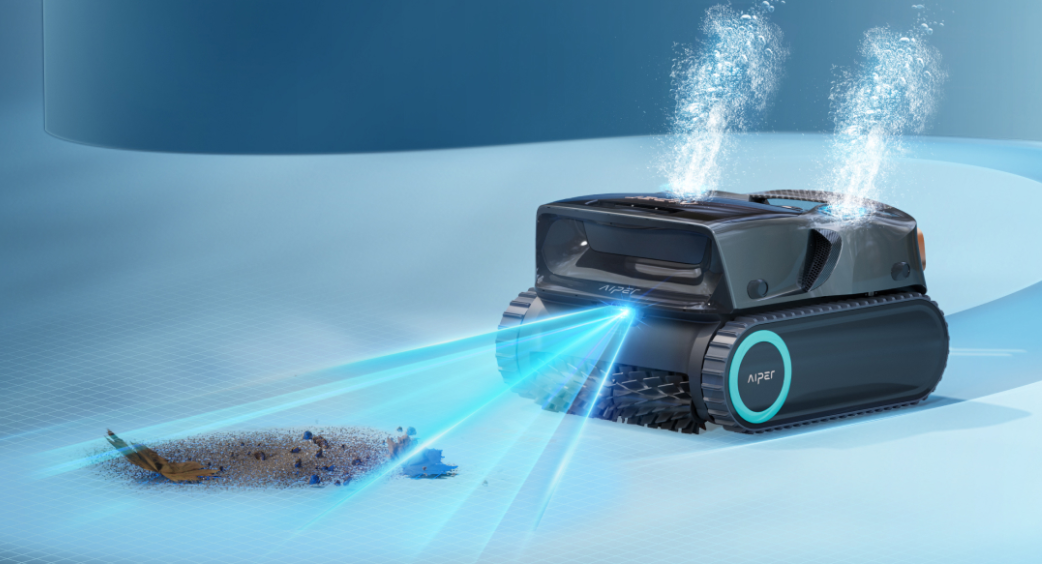
By utilising an independent cleaning solution like the Scuba X1 Pro Max, you can remove debris directly from the floor and walls without turning on your main pool pump. Without an independent cleaner, you are forced to run your main filtration system for extra hours just to clean the pool floor, which leads to unnecessary wear on your salt cell and higher electricity bills.
An independent robotic cleaner protects your winter chemistry by capturing organic waste before it can degrade your water quality.
What to Do When Your Salt Cell Won't Produce Chlorine
When your pool water drops below the critical 10°C threshold, your salt chlorinator can no longer protect your pool. At this point, you must turn the chlorinator output percentage down to 0% to protect the cell plates from damage.
To keep the water sanitary during these cold months, you will need to manually add liquid chlorine or a high-quality winter algaecide directly to the water. Pour the liquid chlorine around the perimeter of the pool while the pump is running its four-hour circulation cycle to ensure the chemical mixes thoroughly throughout the entire volume of water.
Conclusion
Adjusting your pool routine for the cooler months is a straightforward process that rewards you with lower power bills and prolonged equipment life. By dropping your run time to a modest four to six hours and monitoring the 10°C temperature threshold, you can protect your chlorinator cell from premature failure.
Combining this smart circulation schedule with specialised robotic pool cleaners ensures that your pool stays free of debris and stays perfectly clear until the warm weather returns.
Frequently Asked Questions
How many hours a day should I run my chlorinator?
During the winter months, running your chlorinator and pump for four to six hours per day is generally sufficient. This provides enough water circulation to distribute chemicals and prevent stagnation while accounting for the lower chlorine demand of cold water.
Should you run your pool pump when it's below freezing?
Yes, if your area experiences freezing ambient temperatures, you should run your pool pump continuously during the freezing period. Moving water is much harder to freeze than still water, so running the pump during a frost protects your PVC pipes, solar collectors, and chlorinator housing from cracking due to ice expansion.
How long does it take a salt cell to make chlorine?
A salt cell begins producing chlorine via electrolysis almost immediately after water starts flowing through it, provided the water temperature is above its minimum operating threshold and the salt levels are correct. The total amount of chlorine generated depends entirely on the output percentage setting on your control box and the duration of your daily pump run time.