
Dormant Grass vs Dead Grass: How to Tell the Difference & Fix It
Dormant grass retains firm, pale tissue at the crown and resists a gentle pull, whereas dead turf lifts easily with no living roots to support regrowth.

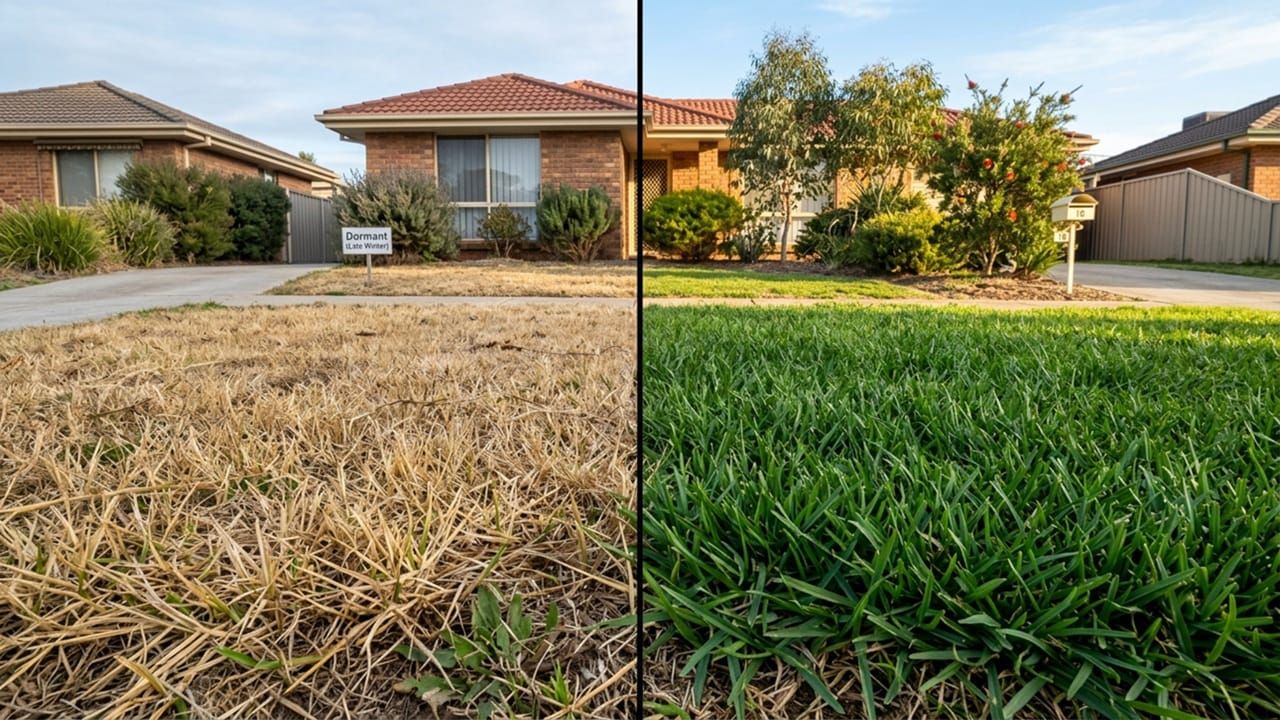
Dormant grass is still alive at the crown and roots, while dead grass has lost the living tissue needed to regrow. Both can look brown and dry, so colour alone is not enough. Check how firmly the turf is anchored, inspect the crown, look at the pattern and season, and watch for recovery under suitable growing conditions before removing it.
That distinction matters in Australia, where buffalo, couch, kikuyu and zoysia lawns can lose colour during cold weather, drought or intense heat. A lawn that looks finished may simply be protecting itself until conditions improve.
Dormant Grass vs Dead Grass at a Glance
| Check | Dormant grass | Dead grass |
|---|---|---|
| Symptoms | Growth has paused to conserve water and energy | The crown and roots are no longer viable |
| Colour | Usually tan, straw-coloured or dull brown | Brown, grey or bleached; may also show disease-related dark areas |
| Anchorage | Crowns, runners and roots remain firmly attached | Turf lifts or pulls away easily because roots have failed |
| Crown | Firm, with pale, white or green living tissue when gently inspected | Brown throughout, brittle, hollow or decaying |
| Pattern | Often follows season, shade, frost exposure or a broad dry spell | Often forms persistent patches linked to irrigation gaps, pests, disease, chemicals or severe damage |
| Response | Resumes growth when moisture and temperature suit the grass type | Does not produce new shoots and must be repaired or replaced |
What Does Dormant Grass Mean?
Dormancy is a temporary survival state. The leaves stop growing and may lose chlorophyll, but the plant keeps living tissue in its crown, roots, rhizomes or stolons. When the trigger passes, healthy grass can produce fresh shoots again.
Most Australian home lawns use warm-season grasses. Buffalo, couch, kikuyu and zoysia grow strongly in warm conditions but slow down or become dormant through colder periods, particularly in southern and inland regions. Cool-season grasses such as ryegrass and fescue behave differently: they generally stay more active in cool weather but can struggle or become dormant during hot, dry summers.
Dormancy can also be caused by drought. In that case, the plant reduces top growth to protect the parts that can recover. It is a coping mechanism, not proof that the lawn is healthy indefinitely; prolonged stress can eventually kill crowns and roots.
How to Tell If Grass Is Dormant or Dead
Do these checks in several brown areas and compare the results with a healthy section. Testing only one handful can miss a mixed problem.
1. Check the Season, Weather and Browning Pattern
Broad, fairly even colour loss during winter is consistent with dormancy in a warm-season lawn. The effect can be stronger in shaded areas, frost pockets and the cooler southern side of a home. In tropical and subtropical regions, the same grass may retain more colour because temperatures stay milder.
During summer, widespread browning after a hot, dry spell may indicate drought dormancy. By contrast, sharply defined patches often point to a local cause such as a blocked sprinkler, compacted soil, pet urine, fertiliser burn, pests or disease. Pattern alone cannot prove the diagnosis, but it tells you where to investigate next.
2. Try a Careful Tug Test
Choose a brown patch and grasp a small tuft close to the soil, including the base rather than only the dry leaf tips. Pull gently.
- If the turf resists and remains anchored, living roots or runners are probably holding it in place. Dormancy is more likely.
- If the whole tuft lifts with little resistance and the roots are sparse, brittle or rotten, that section may be dead.
The tug test is useful, but it is not perfect. Recently laid turf may be poorly rooted without being completely dead, while lawn grubs can sever roots and make otherwise green turf lift like a loose mat. Follow the test with a crown inspection.
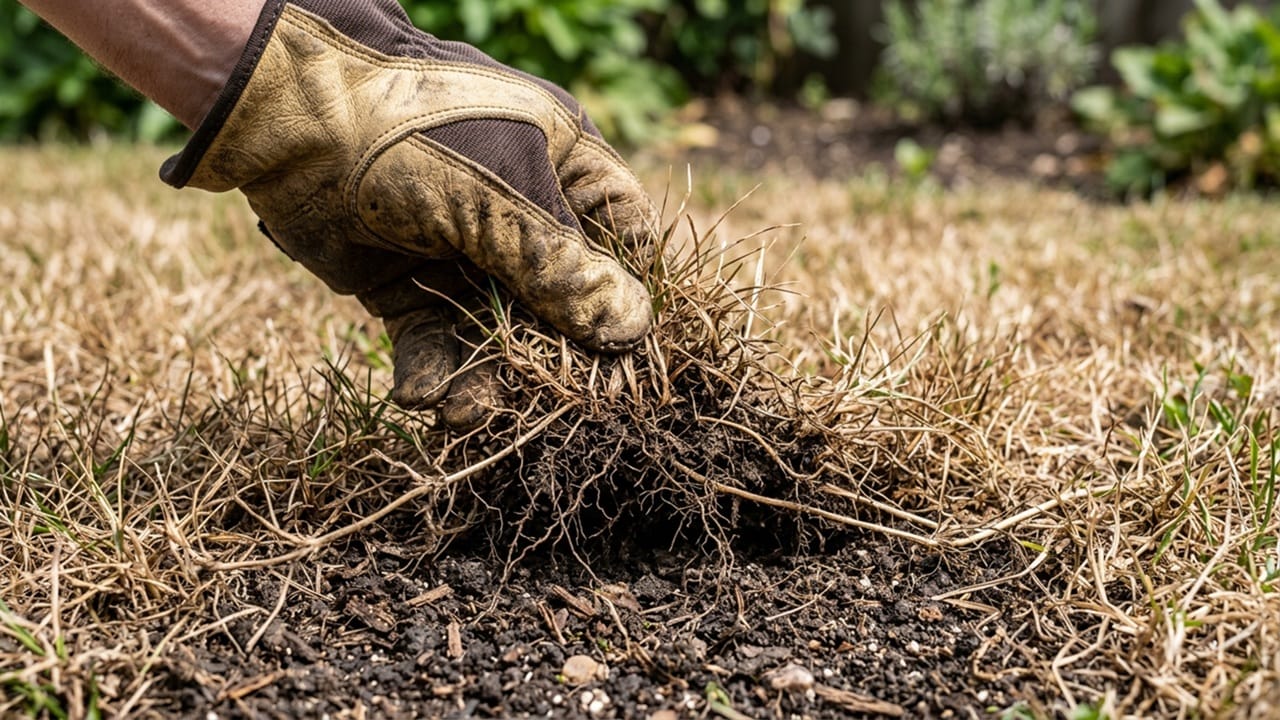
3. Inspect the Crown and Runners
The crown sits at soil level where shoots meet roots. Separate the leaves and look closely at this base. On buffalo, couch and kikuyu, also inspect a runner and gently scratch or cut a tiny section.
Firm tissue with a pale, creamy-white or green interior suggests the plant is alive. A base that is brown all the way through, dry and hollow, or soft and decaying is a stronger sign of death. Check more than one spot because a lawn can be alive around the edges of a dead centre.
4. Use a Recovery Test at the Right Time
If dry weather is the likely cause and local watering rules allow it, deeply water one small test area in the early morning. First confirm that water is soaking into the soil rather than running off. Keep the rest of your care gentle, then watch for fresh shoots while the grass is in its normal growing season.
Do not expect cold-dormant buffalo or couch to turn green simply because you watered it in midwinter. Temperature, daylight and grass type still control growth. If conditions are warm enough for that variety, the soil is moist and neighbouring turf is actively growing, a test area that produces no new growth is more likely to be dead or affected by another problem.
What to Do If Your Grass Is Dormant
The aim is to protect living crowns until active growth returns, not to force a green colour immediately.
- Reduce traffic. Dormant turf repairs slowly, and repeated foot traffic can break brittle leaves or compact wet soil.
- Mow only when needed. Keep the mower slightly higher and never scalp the lawn. Follow the one-third rule when growth resumes.
- Water according to soil and season. Winter rainfall may be enough in many regions. During dry dormancy, water only as permitted and aim for even infiltration rather than frequent surface wetting.
- Hold back heavy fertilising. A lawn that is not actively growing will not use a strong feed efficiently. Wait for genuine new growth and choose a product suited to your turf and soil test.

Pro tips: When a drought-stressed lawn needs controlled rehydration, consistent coverage matters more than simply adding more water. The Aiper IrriSense 2 can map up to 10 watering zones and adjust schedules in response to weather, which may help avoid repeatedly soaking one patch while missing another.
What to Do If the Grass Is Dead
Dead turf will not wake up, but you may not need to replace the entire lawn. Mark the confirmed areas and determine why they failed before starting repairs. Otherwise the same dry spot, pest or drainage problem can damage the replacement.
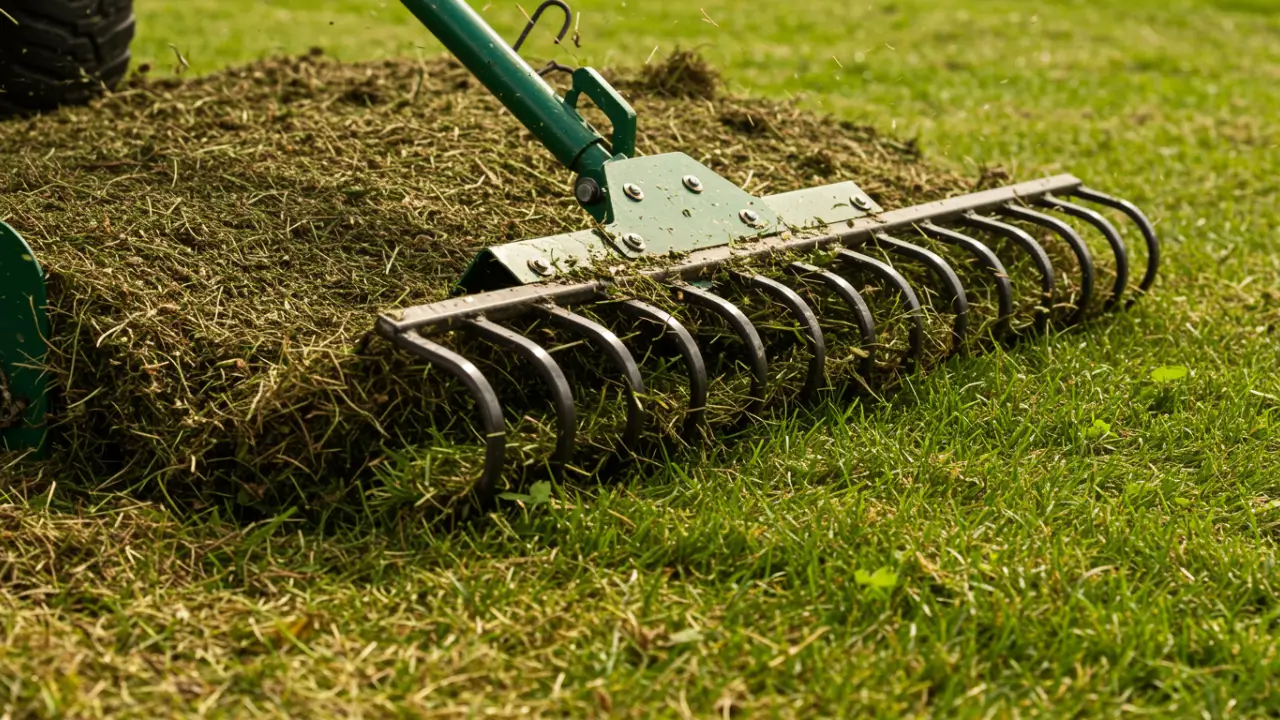
- Remove loose dead material. Rake out dead blades and failed roots. If the lawn has a thick, spongy thatch layer, read this guide on how to scarify a lawn and wait until the surrounding turf is actively growing before using aggressive equipment.
- Correct the cause. Check sprinkler coverage, soil compaction, drainage, shade, mowing height and recent chemical applications. Inspect for chewed roots, larvae, fungal growth or unusual odour if the damage is spreading.
- Prepare the soil. Loosen compacted ground, remove rubble and improve the surface so water can infiltrate. Use a soil test before adding lime or fertiliser rather than guessing.
- Match the repair to the grass. Seed can suit some couch and cool-season lawns, while many buffalo lawns are repaired with matching turf pieces or healthy runners. Use the same variety where possible so colour and texture remain consistent.
- Protect new growth. Keep the repaired area evenly moist during establishment without making it waterlogged. Limit traffic and delay mowing until the new grass is anchored and tall enough for a light cut.
Why Grass Dies Instead of Going Dormant
Grass dies when stress damages the living parts of the plant, especially the crown and roots, beyond recovery. Unlike dormancy, where the plant slows growth to survive temporary drought, cold or heat, severe or prolonged stress can stop water and nutrient transport completely. Common causes include extended drought, poor drainage, pests, disease, chemical damage and repeated mowing too low.
The Bottom Line:Act or Wait?
Wait if the crown is firm, the turf is anchored and the timing matches normal dormancy for your grass. Protect the lawn and reassess once its active growing season begins.
Repair if the crown is dead, the turf lifts easily and nearby grass is growing under the same conditions. Act sooner when a dead patch is expanding, because pests, disease, drainage faults or chemical damage can spread or recur. If the tests disagree, monitor a small area rather than stripping the whole lawn.
FAQs About Dormant and Dead Grass
Can dead grass come back to life?
No. Grass can only regrow if living crown, root, runner or rhizome tissue remains. Brown dormant grass can recover, but tissue that is dead must be replaced or filled by healthy surrounding turf.
How long does it take dormant grass to turn green?
It depends on the trigger and the grass type. Drought-dormant turf may show new shoots after moisture returns during warm growing weather. Winter-dormant warm-season turf may not green up until soil and air temperatures rise in spring. Judge recovery by new growth, not a fixed number of days.
Should I water dormant grass in winter?
Only when the soil is genuinely dry and local rules permit it. Dormant lawns use much less water, and rain may supply all they need. Overwatering cold soil can create waterlogging and disease without making warm-season grass grow.
Is patchy brown grass always dead?
No. Shade, frost exposure, hydrophobic soil and uneven sprinkler coverage can all cause patchy dormancy or stress. Use the tug, crown and recovery tests before deciding to remove the turf.
Should I fertilise brown grass?
Not until you know why it is brown. Fertiliser cannot revive dead tissue and is usually wasted on fully dormant grass. Apply nutrients only when the lawn is actively growing and a soil test or product directions support the application.
Wil watering dead grass bring it back?
No. Water cannot revive dead crowns or roots. The area must be repaired with seed, runners or matching turf after the original cause has been corrected.
How to revive dormant grass?
Water deeply if the soil is dry, reduce traffic and avoid heavy fertilising or low mowing. Once suitable growing conditions return, look for fresh shoots before resuming normal lawn care.