
The Essential Guide to Australian Water Restrictions: How to Keep Your Garden Thriving Smarter
Navigating Australian water restrictions doesn’t mean sacrificing your garden. By mastering local council rules like daytime bans and trigger nozzle mandates, and adopting smart, weather-adaptive irrigation, you can avoid hefty fines effortlessly.


As summer approaches or sudden dry spells hit, Aussie homeowners share a collective anxiety: keeping lawns green and gardens lush without breaking local laws. Across Australia, managing water isn't just about environmental responsibility—it’s a matter of strict legal compliance. Driven by unpredictable climate cycles like El Niño, local councils and water authorities routinely tighten outdoor water usage to safeguard regional reservoirs.
If you find yourself confused about when you can turn on your sprinklers, what a "trigger nozzle" actually is, or how to avoid a hefty council fine, you are not alone. Navigating the maze of state-by-state regulations can feel overwhelming, especially when rules change depending on whether you live in a capital city or a regional township.
This comprehensive guide breaks down everything you need to know about navigating Australian water restrictions while keeping your yard pristine, legally and effortlessly.
Understanding Australia’s "Permanent Water Conservation Measures" (PWCM)
A common misconception among residents is that "no active water restrictions" means a free-for-all with the garden hose. In reality, most major cities and regional hubs across New South Wales, Victoria, Western Australia, and Queensland operate under Permanent Water Conservation Measures (PWCM) year-round.
According to baseline guidelines enforced by authorities, these foundational rules typically mandate that:
- Daytime Watering is Banned: Residential sprinklers and automated systems are strictly prohibited during the hottest hours of the day (usually between 10 am and 4 pm or 9 am and 4 pm) to prevent inefficient evaporation.
- The Trigger Nozzle Rule: Any hand-held hose used for watering gardens or washing vehicles must be fitted with a functional, clip-on or instant on/off trigger nozzle.
- No Hard-Surface Hosing: Sweeping leaves, grass clippings, or dirt off driveways, paths, or pavements using a hose is illegal unless it's required for an immediate health or safety emergency.
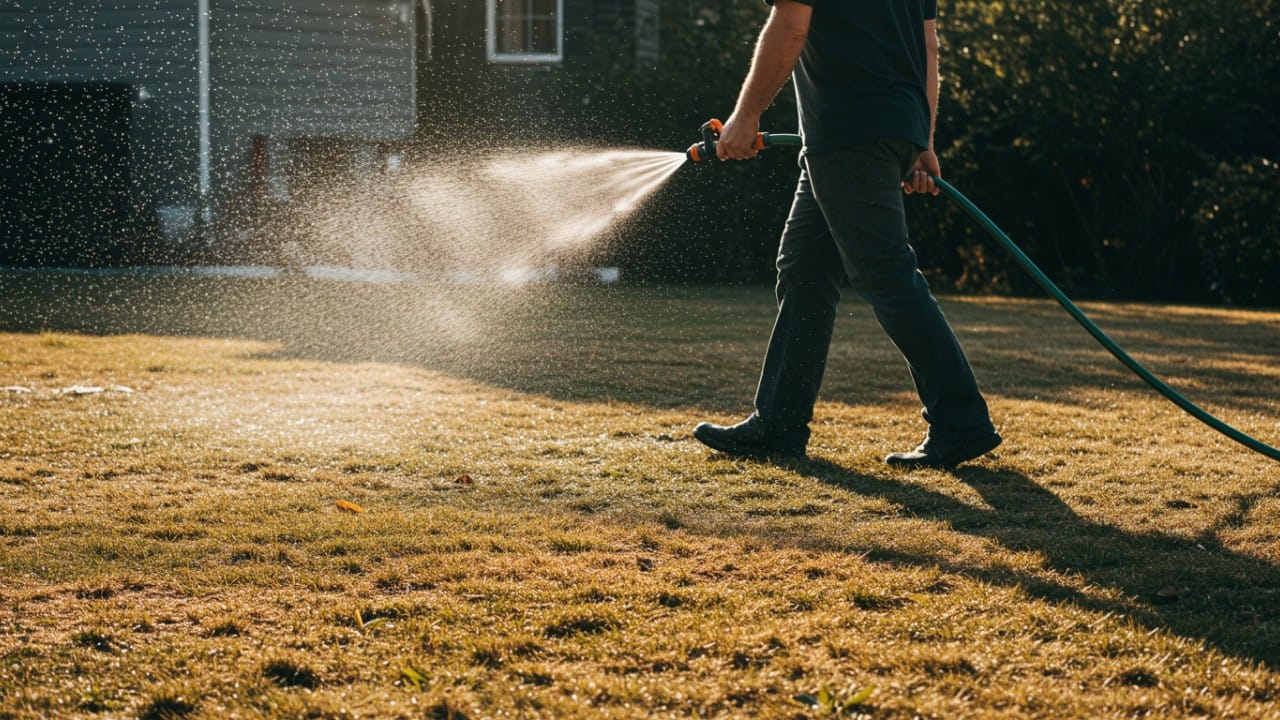
The Breakdown: Water Restriction Stages (1 to 4+)
When prolonged dry weather escalates into drought, water authorities trigger progressive restriction stages. While exact details vary by municipality, the standard Australian framework usually follows this trajectory:
| Restriction Level | Garden & Lawn Watering |
|---|---|
| Stage 1 (Mild) | Sprinklers restricted to designated morning/evening hours. Handheld hoses with trigger nozzles allowed. |
| Stage 2 (Moderate) | Odds/Evens System introduced (watering only on dates matching your house number). |
| Stage 3 (Severe) | Fixed sprinklers completely banned. Handheld watering strictly limited to brief windows. |
| Stage 4+ (Critical) | Total outdoor ban on council/treated water. No irrigation of any kind allowed. |
How to Find the Exact Water Restrictions for Your Local Suburb
Because water conservation laws are highly localized across Australia, relying on general state news isn't enough to guarantee safety from heavy council fines. To ensure you are following the absolute up-to-date restriction level in your specific suburb, follow these three practical steps:
1. Identify Your Specific Water Retailer
Water in Australia is rarely managed by a single state entity. Instead, it is divided among localized water authorities and regional councils. For example, while Sydney residents check Sydney Water, those in the ACT must refer to Icon Water, and regional areas like Wagga Wagga fall under Riverina Water. Check your latest water bill to confirm exactly which authority manages your property.
2. Use Online "Water Restriction Lookup" Tools
Almost every major water utility features an interactive search portal on their website. By simply typing your postcode or suburb name into their digital directory, the platform will instantly display your current restriction stage, your designated watering days (if an odds/evens system is active), and any specific seasonal prohibitions.
3. Check the Bureau of Meteorology (BOM) National Registry
For a broader macro-view, the Australian Bureau of Meteorology maintains a centralized Water Restrictions website. This national portal acts as an excellent starting point for checking current conservation statuses across various states and territories, linking you directly back to the relevant local municipal guidelines.
The Homeowner’s Dilemma: Solving the Compliance Puzzle
Navigating the maze of local water regulations is inherently stressful. Between calculating odd/even days, respecting specific council time windows, and avoiding penalties for street runoff, the margin for error is razor-thin. Relying on basic mechanical timers is a gamble—they lack the intelligence to adapt to shifting restrictions or local weather conditions, often leading to accidental non-compliance.
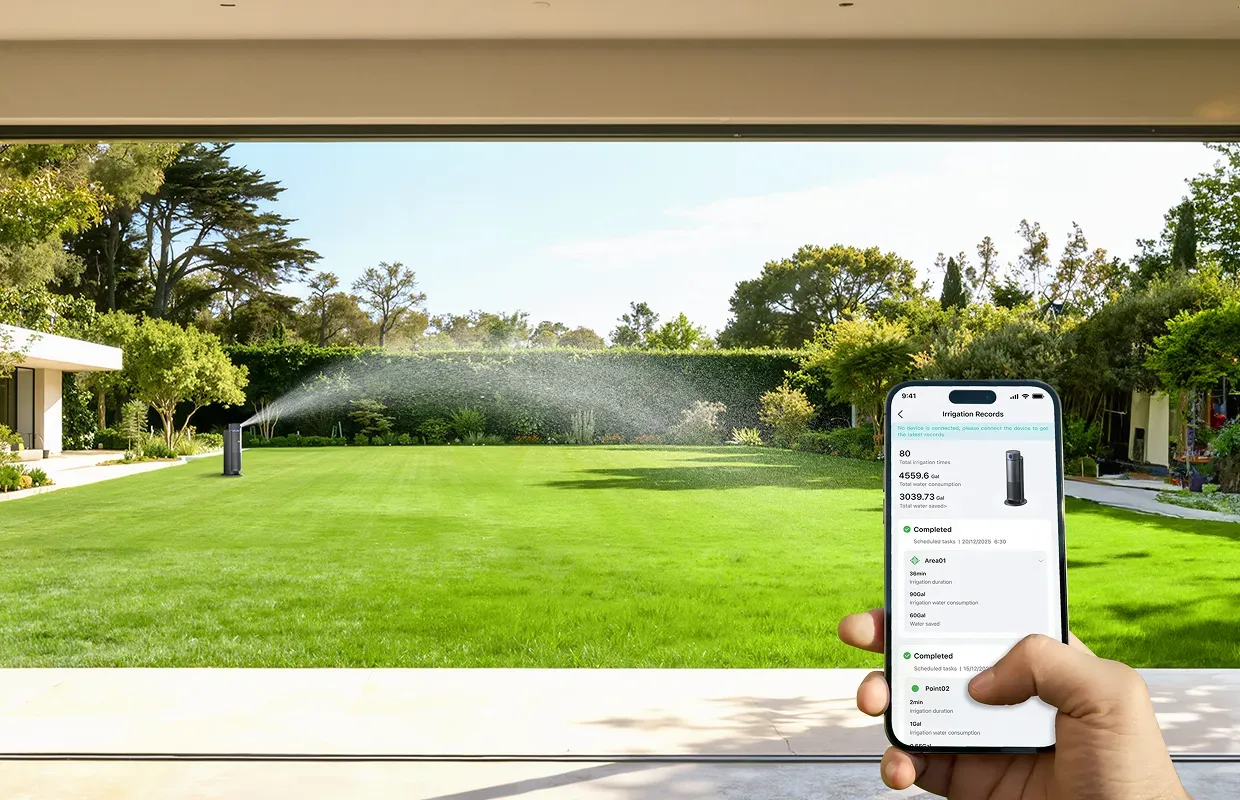
The solution lies in smart automation. The Aiper IrriSense 2 effectively transforms compliance from a manual chore into a "set-and-forget" system:
- Precision Compliance: Through the Aiper app, you can program exact, suburb-specific watering windows. Whether your council mandates early morning, late evening, or odd/even day cycles, you can align your schedule to the minute, eliminating the risk of accidental rule-breaking.
- Runoff Prevention: Avoid common fines for water splashing onto roads or footpaths. With up to 10 customizable irrigation zones, you can map your garden’s unique layout in the app, ensuring water is delivered exclusively to your plants, not the pavement.
- Weather-Adaptive Intelligence: Traditional timers waste water and violate rules during rainfall. The Aiper IrriSense 2 features integrated Weather-Sense technology, which monitors real-time conditions to automatically pause or adjust schedules if it rains, protecting your compliance status and saving up to 40% in water usage.
Conclusion
Maintaining a vibrant, healthy garden while navigating Australia’s complex and shifting water regulations doesn't have to be a source of stress. By understanding your local council’s specific restriction levels and leveraging smart, automated irrigation technology, you can successfully balance environmental stewardship with a beautiful landscape. Transitioning from basic, manual timers to an intelligent, "set-and-forget" system not only helps you avoid the risk of accidental rule-breaking and costly council fines but also ensures that your garden thrives efficiently, even during the most challenging dry spells.
FAQs
What are Permanent Water Conservation Measures (PWCM)?
These are baseline, year-round rules enforced in most major Australian cities (including NSW, VIC, WA, and QLD) designed to minimize water wastage. Key rules typically include a ban on daytime watering (generally between 10 am and 4 pm) and a mandatory requirement that all hand-held hoses be fitted with a functional trigger nozzle.
How can I find the specific water restrictions for my suburb?
Because regulations are managed by local councils and regional water authorities rather than a single state entity, they vary by location. First, check your latest water bill to identify your specific water retailer. You can then use their website's "Water Restriction Lookup" tool or consult the Bureau of Meteorology (BOM) national registry for current status updates.
Why is "water runoff" a concern?
Council regulations strictly prohibit water spraying onto public roads, driveways, or footpaths. Creating runoff is a common trigger for fines and is considered a waste of treated water. Using precise irrigation tools helps ensure water is delivered only to your plants and not the pavement.
What is the "Trigger Nozzle Rule"?
Under most Australian guidelines, any hand-held hose used for garden irrigation or vehicle washing must be fitted with a functional, clip-on, or instant on/off trigger nozzle. Using a hose without one can lead to non-compliance.
How does smart irrigation help me stay compliant?
Smart solutions like the Aiper IrriSense 2 remove the margin for human error. They allow you to program council-specific watering windows, map unique zones to prevent runoff, and use weather-adaptive intelligence (like Weather-Sense) to automatically pause watering when it rains, ensuring you maintain a lush garden while staying within the law.