
How to Lower Alkalinity in a Pool: The Complete Step-by-Step Guide
High pool alkalinity triggers cloudy water and damaging calcium scale. Safely lower it by turning off the pump and pouring hydrochloric acid into the deep end, then aerate to restore a safe pH level without bouncing your alkalinity back up.

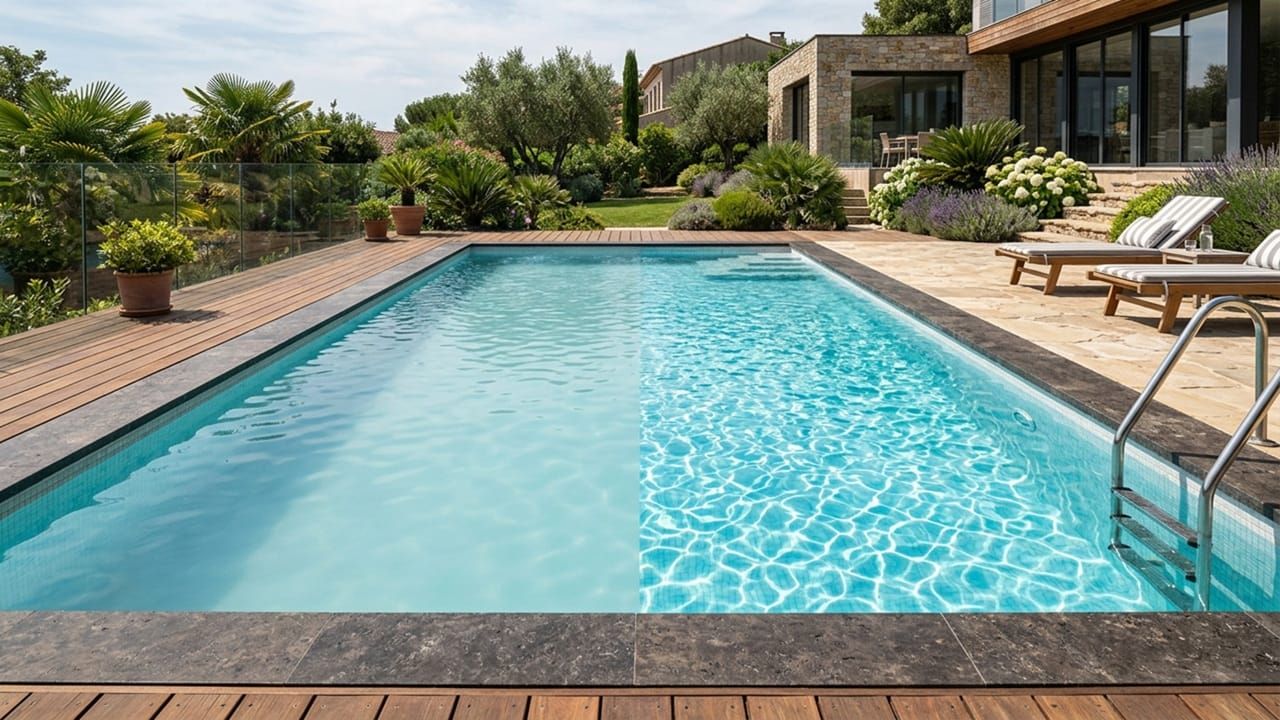
Stepping out into your backyard only to find your pool looking more like a cloudy swamp than a refreshing oasis can be incredibly frustrating.
If you've noticed hazy water or rough patches forming on your pool walls, your water chemistry is likely out of balance. Specifically, your total alkalinity is probably running too high.
Managing pool chemistry can feel like a balancing act, but lowering your alkalinity doesn't have to be a headache. According to Australian swimming pool industry standards, maintaining correct water balance is the single most important factor in extending the lifespan of your pool shell and equipment.
This troubleshooting guide will walk you through exactly how to lower alkalinity in pool water safely and effectively, without risking damage to your backyard investment.
Key Takeaways
- Total alkalinity acts as a buffer for your pH; the ideal range for Australian pools is 80 to 120 ppm (parts per million).
- High alkalinity causes cloudy water, stubborn calcium scaling, and reduces your chlorine's sanitising power.
- You can lower alkalinity safely using hydrochloric acid (muriatic acid) or sodium bisulfate (dry acid).
- Myth Buster: Baking soda raises alkalinity, it will not lower it.
- Regular physical maintenance and advanced automated pool care help prevent chemical pockets and scale formation.
What is Total Alkalinity and Why Does It Matter?
Think of total alkalinity (TA) as your pool's shock absorber. Its main job is to keep your pH stable by soaking up sudden changes, like a heavy downpour of rain or a massive weekend pool party, so your water chemistry doesn't wildly swing all over the place.
For Australian pools, the sweet spot is keeping your TA between 80 and 120 ppm. When it sits comfortably in this range, your pH stays steady, your chlorine works efficiently, and your water stays crystal clear. But if your alkalinity spikes above 150 ppm, it drags your pH right up with it, opening the door to cloudy water and expensive equipment problems.
3 Signs Your Pool’s Alkalinity is Too High
What actually happens if your pool alkalinity is too high? You don't always need a chemical test kit to know something is wrong. High alkalinity shows up in very visible, annoying ways around your backyard.
Cloudy or Turbid Water
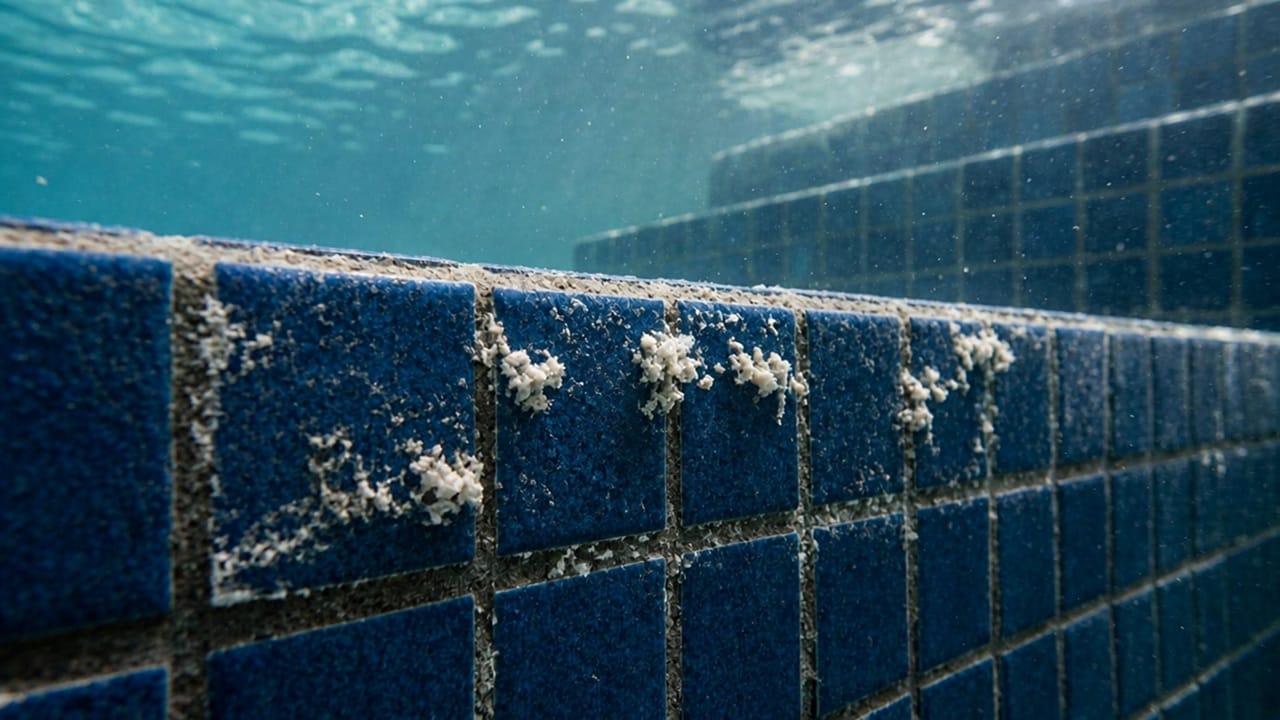
When alkalinity and pH sit too high for too long, the water loses its ability to keep minerals dissolved. Calcium begins to precipitate, or separate, out of the liquid, turning into tiny, floating microscopic particles. This results in stubborn, hazy, or cloudy water that no amount of running your standard filter seems to clear up.
Rough Calcium Scaling on Surfaces
As that suspended calcium floats around, it eventually finds a place to land. It bonds to your pool walls, floor, and steps, hardening into a rough, sandpaper-like texture known as scale. Even worse, this scale silently builds up inside your pipework and on your salt chlorinator cells, choking your water flow and shortening the lifespan of your expensive equipment.
Reduced Chlorine Efficiency
High total alkalinity forces your water into a highly alkaline state, which directly cripples your pool sanitiser. At a high pH, your chlorine becomes significantly less active. This means even if you have plenty of chlorine in the water, it cannot kill bacteria or algae effectively, leaving your pool highly vulnerable to a sudden green algae bloom.
The 5-Step Process to Lower Pool Alkalinity Safely
To safely drop your total alkalinity, you need to follow a specific chemical sequence: test, treat, circulate, aerate, and repeat.
Step 1. Test the Water and Prep the Pool
Before pouring any chemicals into your pool, you need an exact baseline. Skip the cheap plastic test strips, which can give highly inaccurate readings, and opt for a high-quality, drop-based liquid test kit.
What to Benchmark: You need to see exactly how far outside the safe zone your water is currently sitting. Your target benchmarks are:
- Total Alkalinity (TA): 80 to 120 ppm (parts per million)
- pH Level:4 to 7.6
Once you know your exact ppm, turn off your pool pump completely. You want the pool water to become perfectly still. Shutting off circulation allows the acid you are about to add to form a concentrated pocket in the deepest part of the pool, targeting the alkalinity directly rather than mixing instantly throughout the entire volume.
Step 2. Add Acid to Target the Alkalinity
To bring down the alkalinity, you will need to add acid. Always follow basic chemical safety protocols: wear protective gloves and eyewear, and never add water to acid, always add the acid into the water. For more advice on handling basic pool chemistry, check out this handy DIY pool chemical guide to save money on pool maintenance.
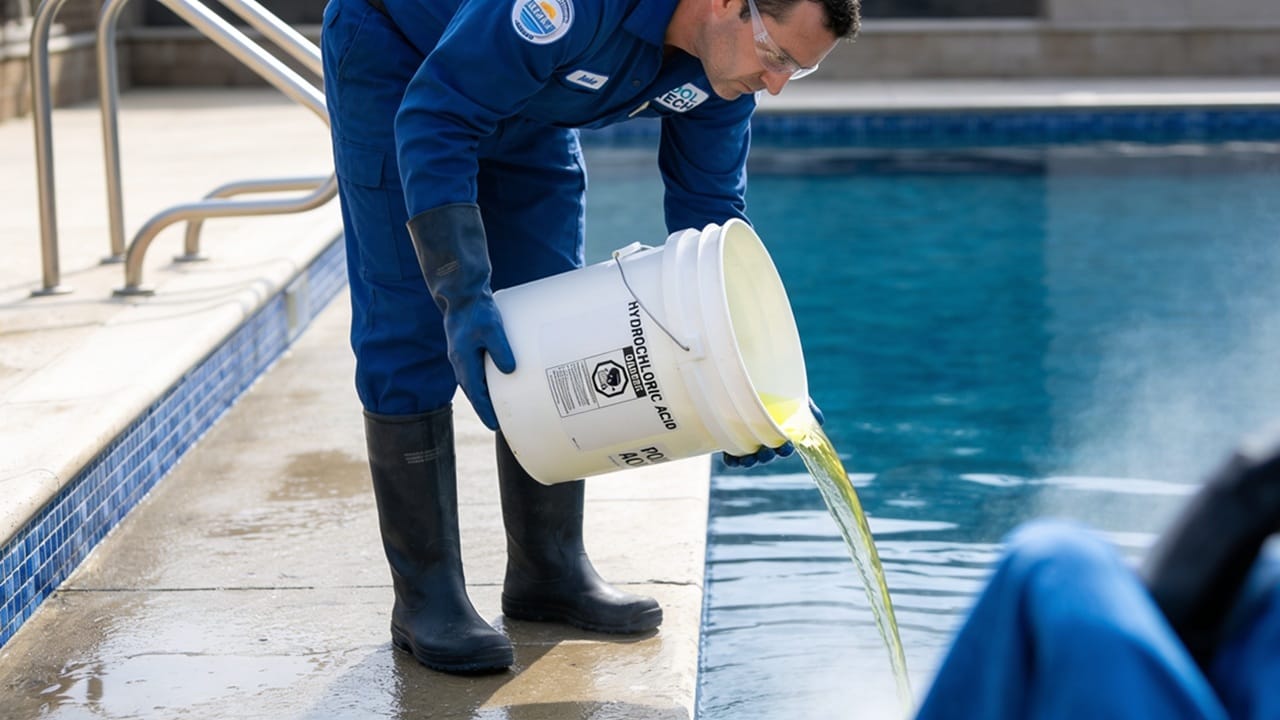
How Much Acid Do You Need? As a general rule of thumb for an average 50,000-litre Australian backyard pool, lowering your Total Alkalinity by 10 ppm requires:
- Liquid Hydrochloric Acid (approx. 33% strength): ~1 Litre
- Dry Acid (Sodium Bisulfate): ~1.2 Kilograms (Note: Always verify exact dosing with the manufacturer's label on your specific chemical drum, as acid concentrations can vary between brands).
You have two primary chemical options:
- Liquid Hydrochloric Acid (Muriatic Acid): This is the most common method in Australia. Mix the required dose into a bucket of pool water (using roughly a 1:10 dilution ratio) and pour it slowly into the deep end of the pool in a single spot.
- Dry Acid (Sodium Bisulfate): If you prefer handling dry chemicals, you can broadcast these granules directly across the surface of the deep end, ensuring they dissolve completely before settling on the floor.
Step 3. Circulate the Chemicals
After letting the acid sit in the still water for roughly 20 to 30 minutes to target the alkalinity, turn your pool pump back on. Let the pump run continuously for 4 to 6 hours. This ensures the chemical distributes evenly across your entire pool volume, preventing any highly acidic pockets from lingering near your pool walls or floor.
Step 4. Aerate the Water to Restore pH
Adding acid drops both your total alkalinity and your pH. While we want the alkalinity to stay down, a dangerously low pH (below 7.2) can corrode your pool equipment and irritate your skin.
To fix this, you need to aerate the water. Angle your return pool jets upward so they break the surface and create bubbles, run your pool fountains, or turn on your spa blowers. This process drives dissolved carbon dioxide out of the water and safely raises your pH back up without raising your newly lowered total alkalinity.
Step 5. Monitor and Repeat the Cycle
Chemical balancing takes time. Wait a full 24 hours for the water to completely stabilise before taking another reading with your test kit. If your total alkalinity is still hovering above the 120 ppm sweet spot, simply repeat the cycle. If you ever overcorrect and drop your levels too low, you can read about how to raise total alkalinity in your pool to bring it back into balance.
Preventing Scale Buildup and Protecting Your Pool Surface
Even after you complete the chemical process to lower your TA, residual calcium particles can still linger on your pool floor. If left undisturbed, these minerals slowly bond to your pool shell, hardening into that rough, ugly scale that ruins your pool's surface.
Pool owners need a consistent way to keep their pool floors completely clear of loose mineral debris, but manual brushing takes hours of exhausting, back-breaking labour in the hot sun.
Without a reliable automated cleaning system to constantly scrub the pool surfaces, loose calcium quickly crystallises into stubborn scale buildup that requires expensive acid washing to remove.
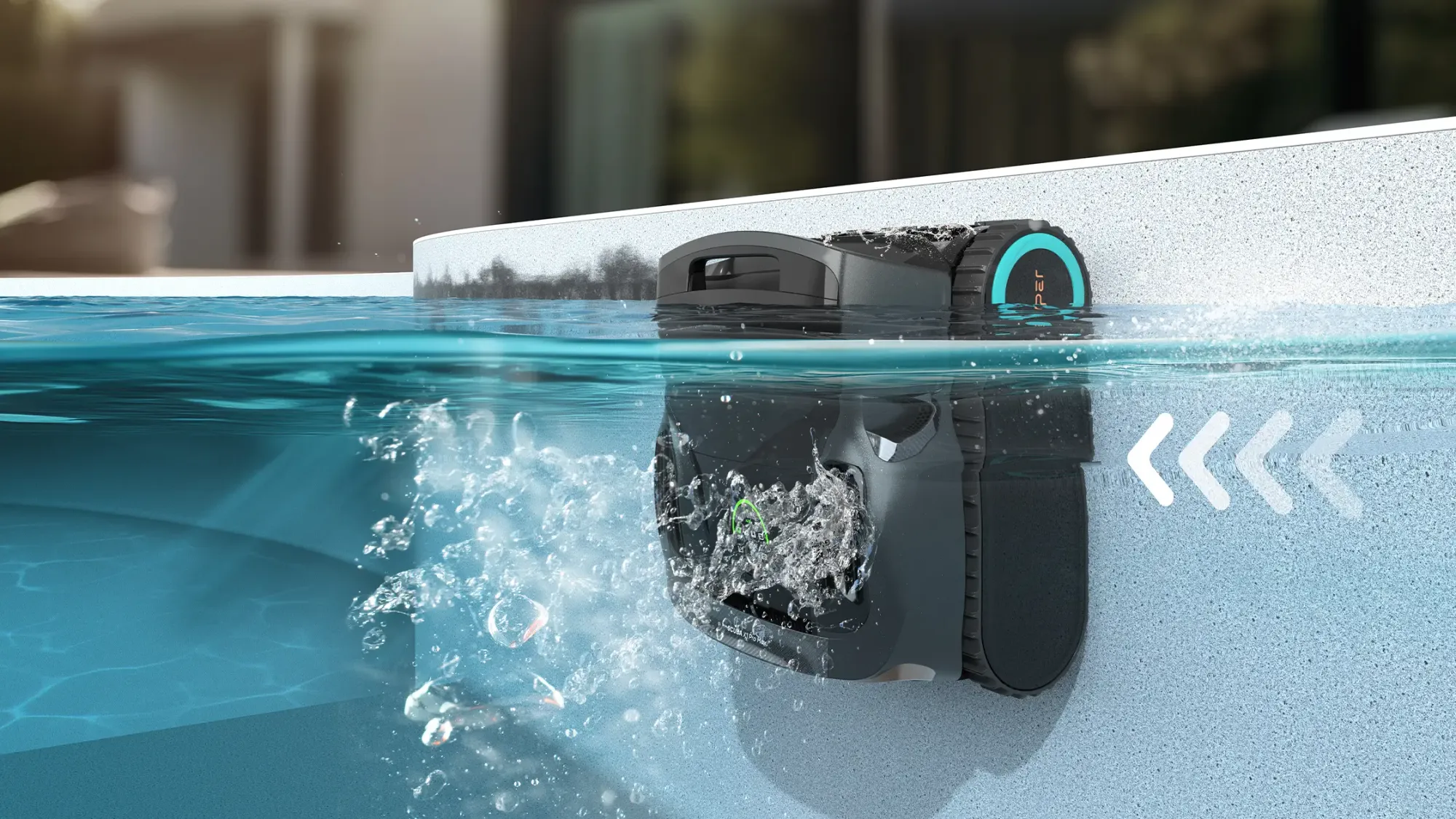
By introducing advanced robotic pool cleaners to your weekly maintenance routine, you can completely automate this defensive care. Investing in a premium model like the Aiper Scuba X1 Pro Max provides active, high-velocity floor scrubbing that physically dislodges loose calcium particles before they have a chance to bond to your pool shell.
At the same time, the powerful water filtration and movement generated by a robotic cleaner eliminates stagnant zones in your deep end. This extra circulation ensures that your water balancing chemicals mix perfectly, preventing chemical pockets from damaging your pool walls.
Pool Alkalinity Myths Busted (FAQs)
Does baking soda lower pool alkalinity?
No. This is one of the most common myths in pool maintenance. Baking soda is sodium bicarbonate, which has a naturally high pH and is explicitly used to raise total alkalinity. Adding it to a pool that is already running high will only make your problem worse.
Does shocking a pool lower alkalinity?
No, pool shock will not lower your alkalinity. Pool shock is a heavy dose of chlorine designed to sanitise organic matter and kill off algae. It has a completely neutral or slightly elevating effect on your total alkalinity levels.
Can you swim in a pool with high alkalinity?
While a pool with high alkalinity isn't toxic or dangerous to swim in, it won't be a very comfortable experience. Because high alkalinity drives your water's pH up, it will quickly cause burning eyes, itchy skin, and can dry out your hair. It’s best to balance the water before jumping in.