
How Much Does It Cost to Resurface a Pool in Australia? (Pool Resurfacing Cost Estimator)

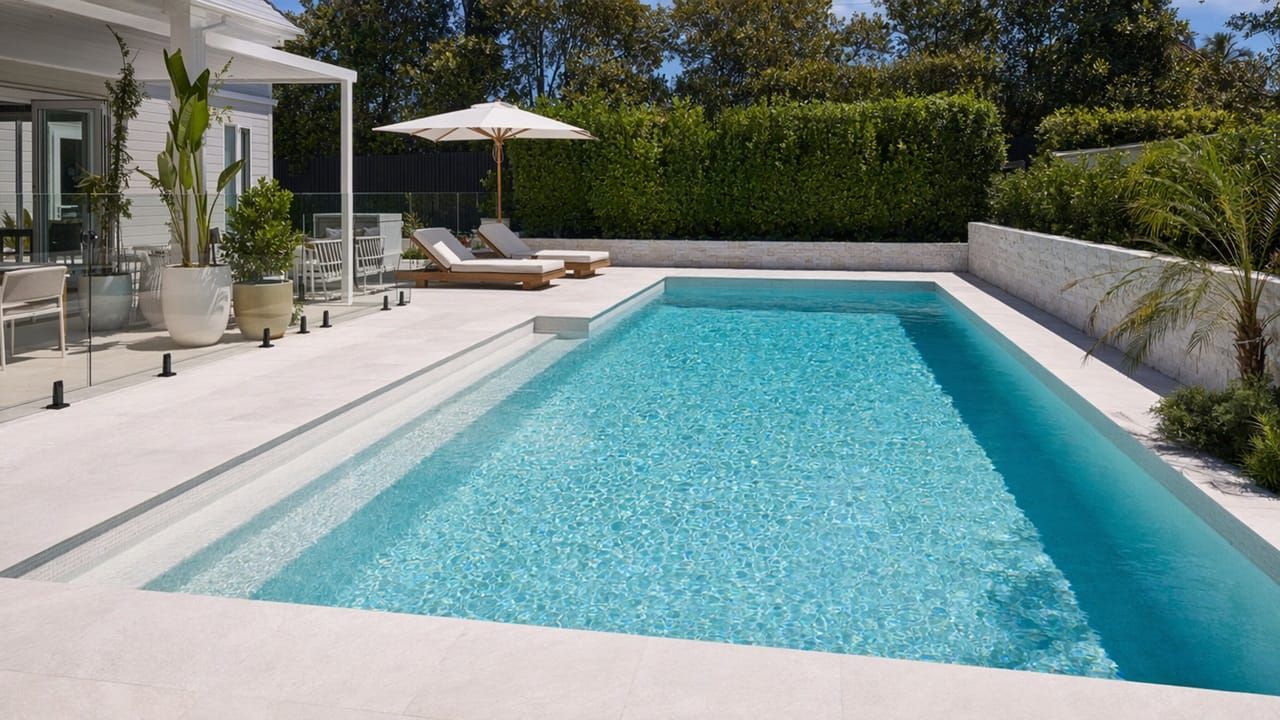
Few things beat the classic Australian backyard pool on a scorching summer afternoon. But over time, even the most beautifully constructed pools begin to show their age. If you are noticing persistent chalking, a rough texture that scrapes your feet, or stubborn stains that won’t budge, it is highly likely your pool is crying out for a facelift.
When your oasis starts looking worse for wear, dealing with vague or wildly varying contractor quotes can be incredibly stressful. According to industry standards established by the Swimming Pool and Spa Association (SPASA), a structural pool resurfacing is a major investment, but understanding how the math breaks down by square metre (m2) and material empowers you to budget confidently. Let’s dive into the real, up-to-date costs on how much to resurface a pool resurfacing in Australia.
Key Takeaways: Average Pool Resurfacing Costs
To give you an immediate idea of what to expect, the table below outlines the typical starting price ranges for standard residential backyard pool materials, measuring roughly 9 x 4 metres (36 m2 internal surface area).
| Material Type | Estimated Cost (per m2) | Average Total Cost (9×4m Pool) | Expected Lifespan |
|---|---|---|---|
| Epoxy Paint / Plaster | $70 – $120 | $5,000 – $9,000 | 5 – 7 Years |
| Fibreglass Coating | $110 – $170 | $6,000 – $12,000 | 15 – 20 Years |
| Pebblecrete & Quartz | $90 – $180 | $7,400 – $14,000 | 15 – 20 Years |
| Full Ceramic Tiling | $200+ | $15,000 – $30,000+ | 25+ Years |
For a broader look at how these finishes stack up across different builds, you can explore our detailed guide on types of pool construction materials.
How to Calculate Your Pool Resurfacing Costs (Pool Resurfacing Cost Estimator)
Pool Resurfacing Cost Estimator
Estimated Total Cost
When you invite a pool renovation specialist out for a quote, they won't look at how many litres of water your pool holds. Instead, quotes are calculated entirely based on the total internal surface area (m2) of the pool shell.
To save you from doing the manual math, we have put together an interactive Pool Resurfacing Cost Estimator below. Just plug in your pool's length and width, pick the material you are leaning toward, and you will get an instant ballpark figure based on current Australian market rates.
If you want to double-check the numbers yourself before playing around with the tool, you can use this standard industry formula to work out the approximate surface area:
Surface Area: Width x Length + Width x 3 + Length x 3
NOTE: The multiplier of “3” in this equation implies a fixed average pool depth of 1.5 metres (since 2 walls x 1.5m = 3m). Mathematically, this serves as a solid baseline assumption that correctly estimates the total interior surface area of a standard open-box pool structure, including the floor and all four walls.
Cost Breakdown by Resurfacing Material
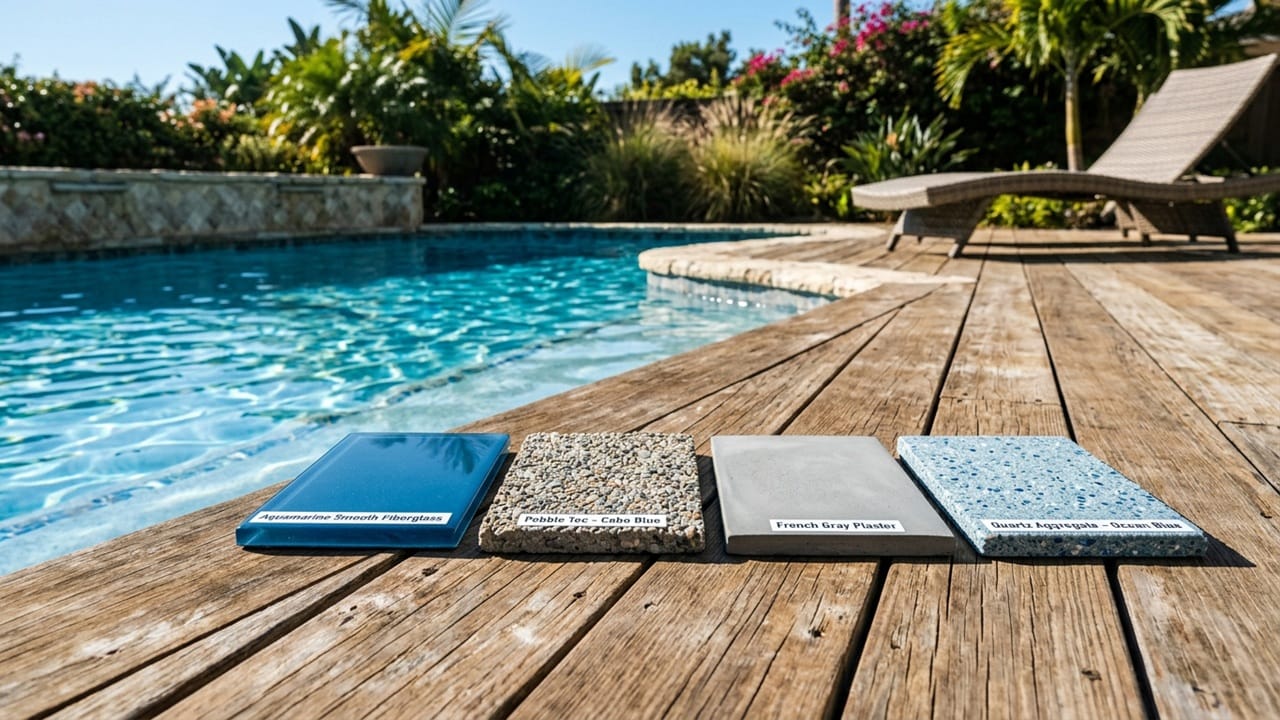
Your choice of material is easily the biggest factor driving that upfront quote. Around Australia, the choice usually comes down to finding the right balance between long-term durability and what fits your budget right now.
Fibreglass Pool Resurfacing ($110 - $170 per m²)
This is the most affordable upfront option on the market. It provides a bright, smooth finish initially but yields the shortest lifespan. Epoxy and plaster are highly vulnerable to chemical imbalances and UV degradation, meaning you will likely need to repeat the process every few years.
Pebblecrete and Quartz Finishes ($90 - $180 per m²)
Perfect for rejuvenating existing fibreglass shells or converting older concrete pools. Fibreglass creates a completely smooth, non-porous barrier that chemically blocks black spot algae and significantly lowers your weekly chemical consumption.
Full Tiling: The Premium Option ($200+ per m²)
This is the classic choice for a reason; it is easily the most popular finish in Australian backyards. Standard pebblecrete is incredibly tough and won't break the bank. If you want to elevate the look, you can upgrade the mix with premium quartz or smooth glass beads. While that does push the price toward the higher end of the scale, it rewards you with a beautiful, shimmering finish that looks fantastic under the sun.
5 Factors That Impact Your Total Resurfacing Quote
If your contractor’s quote comes back higher than the raw material costs calculated above, it is usually due to these five variables:
Current Pool Condition and Structural Repairs:
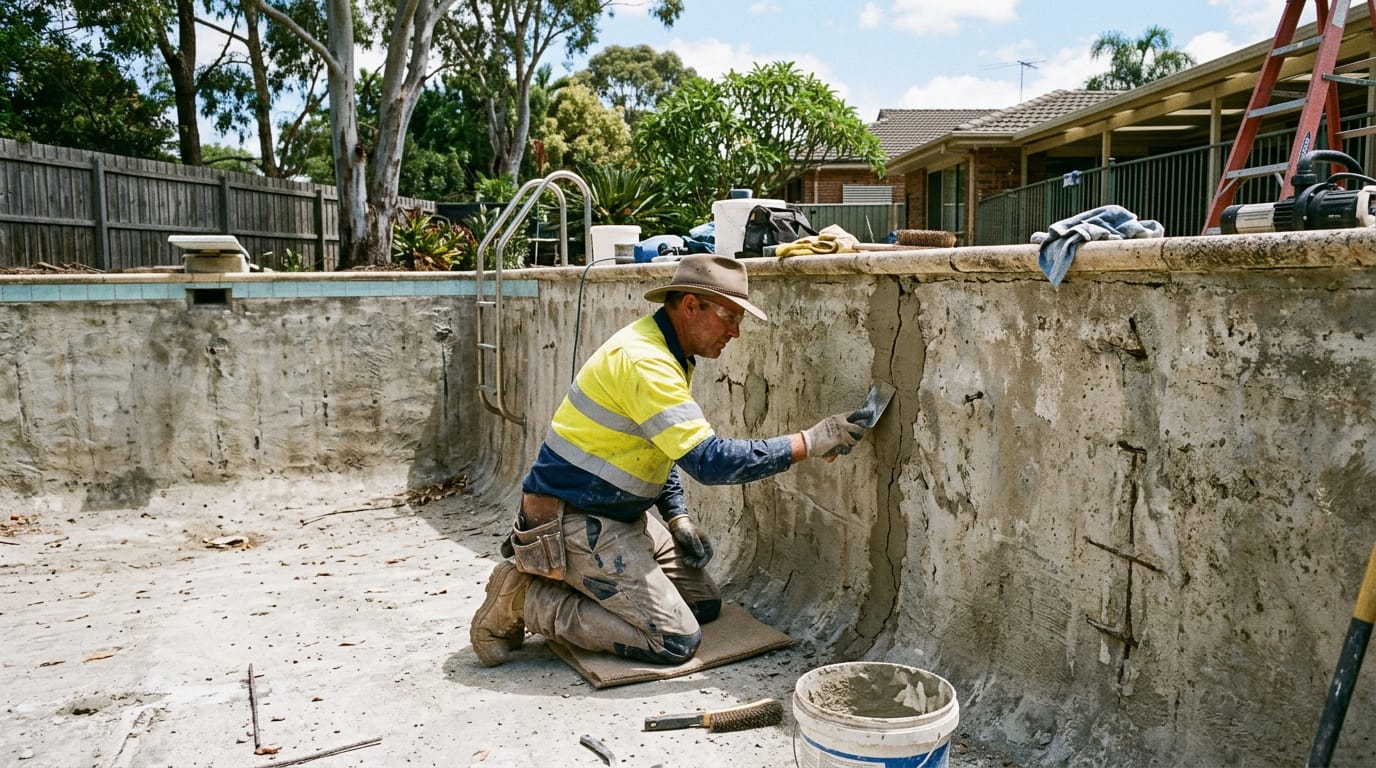
You cannot successfully resurface a structurally failing shell. If your pool has "drummy" (hollow) concrete, rust bleeding out from internal rebar, or structural cracks, expect to pay between $2,500 and $8,000+ for preliminary structural repairs.
The Complexity of Old Surface Removal:
Before the new layer goes on, the old, degrading surface must be entirely stripped away. This requires intensive water blasting, acid washing, or diamond grinding, alongside heavy waste disposal fees.
Site Accessibility and Labour Hours:
If a contractor can park their machinery right next to a wide-open backyard, labour remains efficient. If they have to transport raw materials through a tight suburban side-gate via wheelbarrows, the increased labour hours will bump up the price.
Waterline Tiles and Coping Upgrades:
Stripping an old pool surface frequently damages the existing waterline tiles. Replacing these tiles ($1,800 to $4,000) and updating the pool coping stones is a very common, often necessary add-on.
Draining, Refilling, and Rebalancing Costs:
You will need to account for council or water authority guidelines regarding draining chemical water, the cost of thousands of litres of fresh tap water, and the initial chemical load required to balance the pristine pool ($200 to $500+).
What is the Cheapest Way to Resurface a Pool?
If you are strictly looking at the lowest immediate expense, epoxy paint is technically the cheapest way to resurface a pool today. However, smart pool owners always look at the long-term return on investment (ROI). Because paint only lasts 5 to 7 years under the harsh Australian sun, re-doing a painted pool three times over a 15-year period vastly exceeds the cost of investing in a quality pebblecrete or fibreglass job once.
How to Tell If Your Pool Actually Needs Resurfacing
Unsure if you need to spend the money just yet? Look out for these undeniable warning signs:
- Persistent Chalking: The water remains cloudy, and a powdery residue rubs off on your skin.
- Surface Roughness: The floor has become abrasive enough to scratch feet or snag swimwear.
- Severe Staining: Large rust spots or ingrained black spot algae have permanently stained the shell.
- Unexplained Water Loss: You are losing more water than can be reasonably attributed to standard summer evaporation, indicating structural micro-cracks.
To see how modern renovations fit into contemporary aesthetics, take a look at our breakdown of pool design trends in Australia.
Protecting Your Investment: How to Make Your New Surface Last
After spending upwards of $10,000 on a brand-new pool interior, the last thing you want to do is cut its lifespan short. Many pool owners don’t realise that traditional manual pool brooms or older, heavy suction-side cleaners drag across the floor with harsh friction, prematurely wearing down and scuffing new plaster, vinyl, or pebblecrete finishes.
When you invest in a brand-new pool surface, you want to keep it looking perfect without accidentally wearing it down. Standard manual pool brushes and heavy, dragging suction cleaners rely on harsh friction, which can easily scuff up a fresh finish over time.
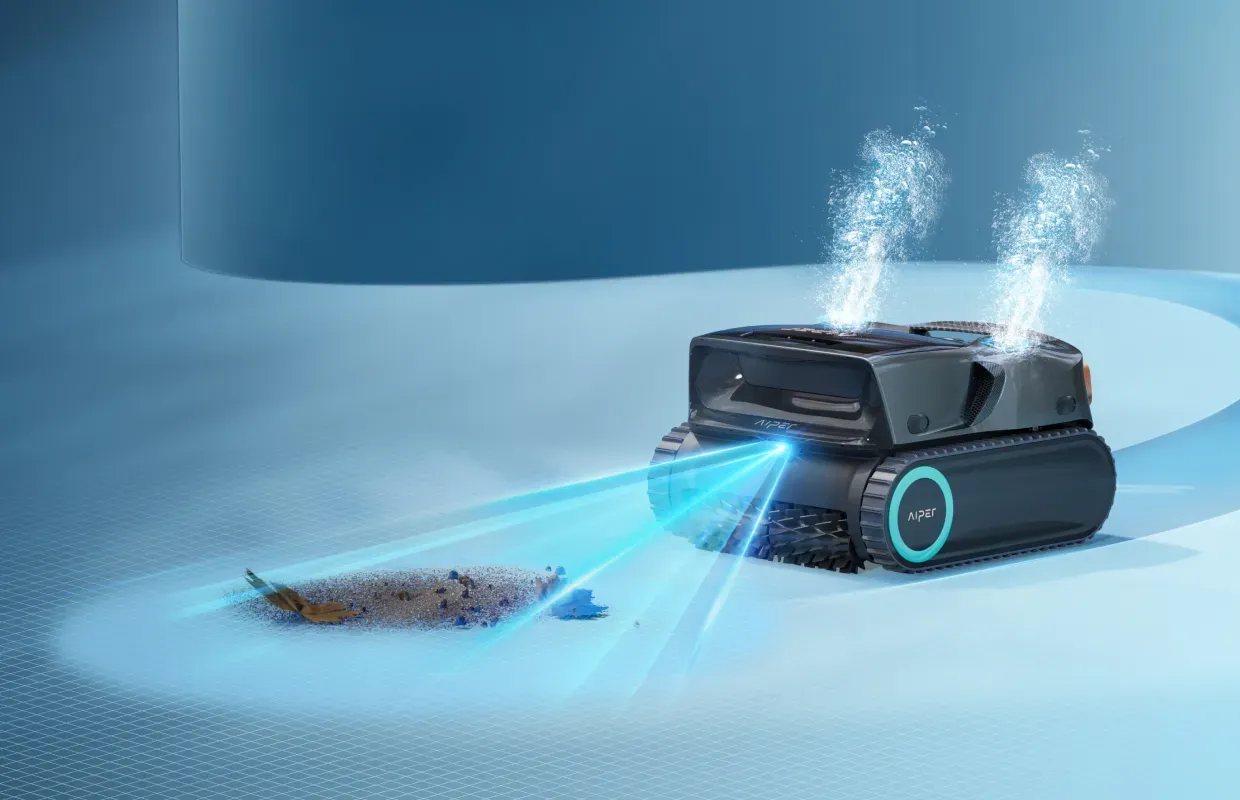
Switching to modern robotic pool cleaners gives you a thorough clean that is incredibly gentle on your pool floor. These smart cleaners use targeted scrubbing to lift away dirt and debris without grinding against the surface material. Sticking with outdated cleaning methods means risking early wear and tear, which could land you right back in the cycle of expensive pool renovations much sooner than you'd like.
For excellent care after a renovation, a cordless model like the Aiper Scuba X1 Pro Max handles everything from the floor right up to the waterline, keeping your pool immaculate for years to come. You can check out the full range of smart care options over at the Aiper store.
Frequently Asked Questions
Can I resurface a concrete pool with fibreglass?
Yes. Applying a structural fibreglass lining over an older concrete pool is a highly effective, popular method in Australia. It creates a smooth, flexible, and completely watertight barrier that permanently stops minor structural leaks.
How long does pool resurfacing take?
The entire on-site process typically takes between 5 and 14 days. This timeframe depends heavily on the weather, the drying times required for your chosen materials, and how much structural preparation work is needed.
Is pool resurfacing worth the investment?
Absolutely. Beyond completely transforming your backyard's visual appeal, resurfacing seals the pool shell. This prevents catastrophic structural water damage to your property while adding significant market value to your home.