
Winter Grass Weed Control: How to Remove and Prevent Poa Annua
Effective winter grass control relies on early identification, the targeted removal of established plants, and correctly timed pre-emergent treatments to stop the next germination cycle.

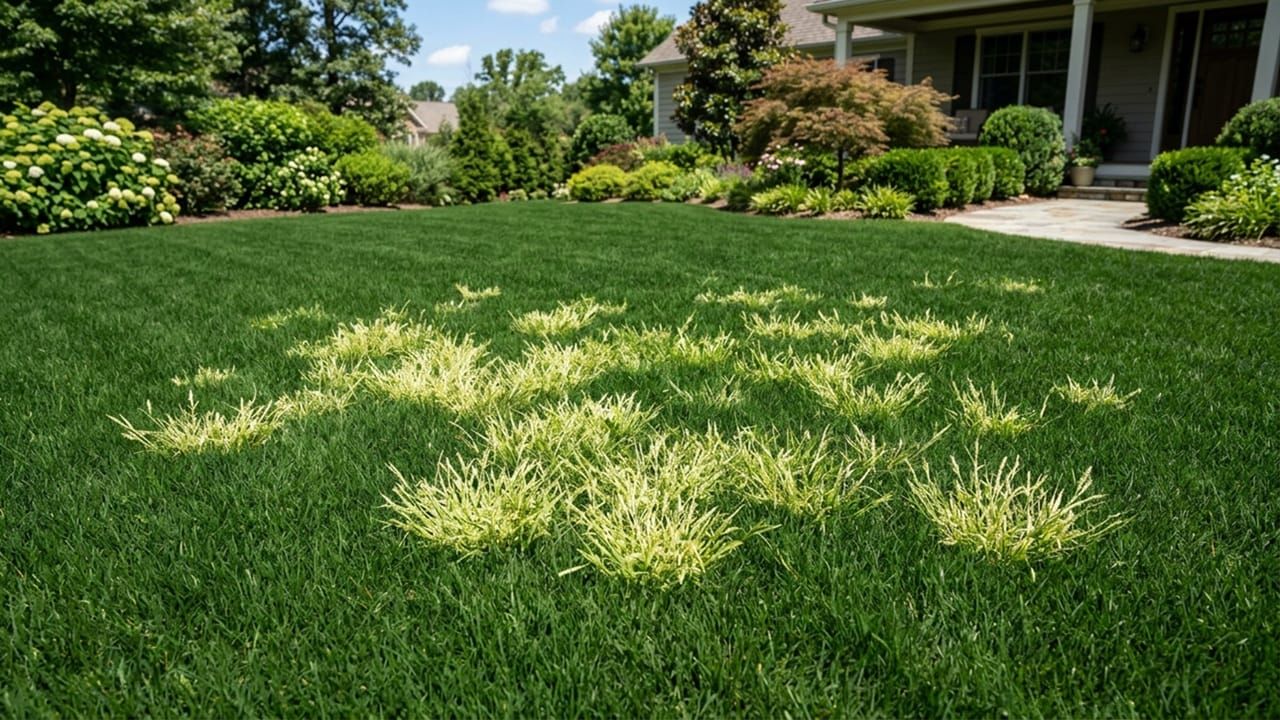
Effective winter grass weed control starts with two checks: has the weed already emerged, and is the proposed treatment allowed on your lawn type? Hand-pull a few young plants before they seed. For a larger existing outbreak, only consider a post-emergent product whose label lists winter grass, your turf species and the intended situation. Long-term control depends on correctly timed prevention, dense turf and avoiding persistently wet soil.
What Is Winter Grass and What Does It Look Like?
Winter grass ( Poa annua ) is a small, cool-season annual grass naturalised across Australia. It commonly appears in lawns during the colder, wetter months, especially where moisture and bare soil give seedlings room to establish. Its colour often makes the first clue obvious: soft, pale or bright green tufts stand out against darker warm-season turf.
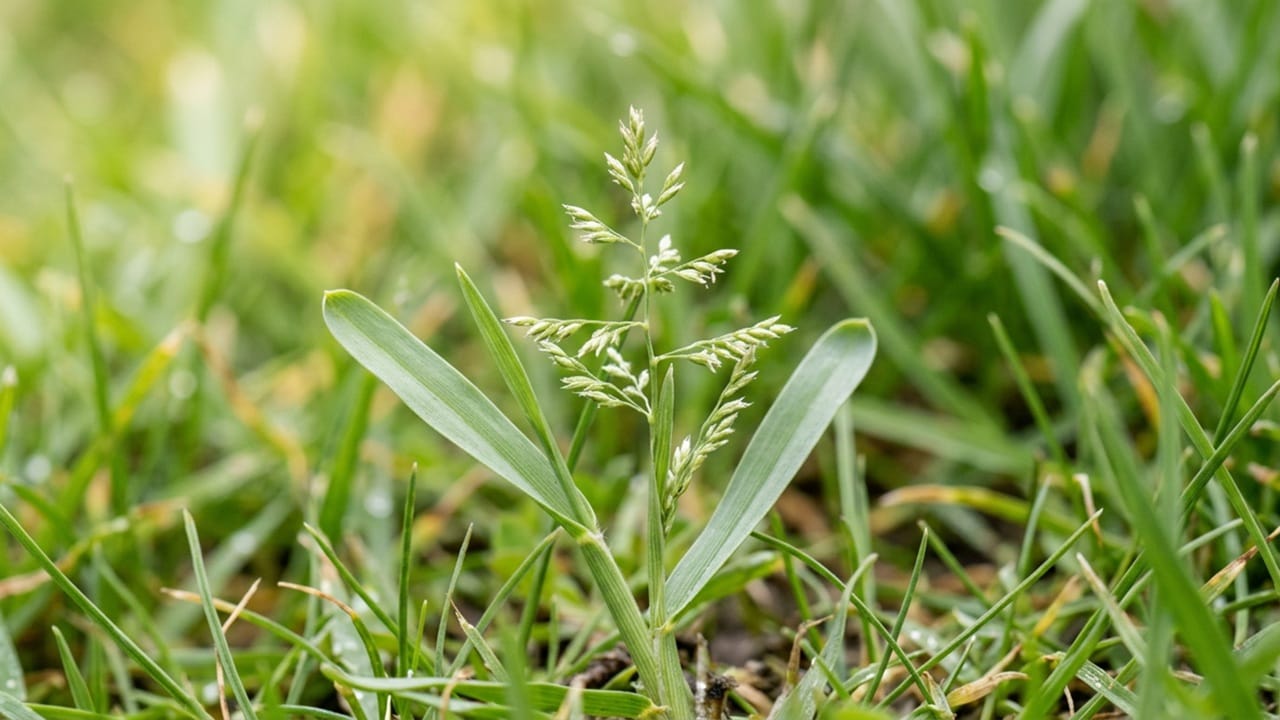
Look closely for smooth narrow leaves, often with boat-shaped tips, and a shallow, bunch-like growth habit rather than runners. As the plant matures, it produces small, open seed heads with a roughly triangular outline. These heads may sit low enough to remain visible after mowing. Confirm the identification before treating; a lawn grass or another grassy weed can look similar from a distance.
Match the Control Method to the Weed Stage and Lawn Type
The same approach will not work at every stage. Use this decision guide before acting:
| What you see | Most useful response | Key check |
|---|---|---|
| A few small tufts, little or no seed | Hand-pull promptly | Remove the crown and roots |
| Many established plants | Consider a suitable post-emergent treatment | Label must list winter grass, turf type and situation |
| No plants yet, but outbreaks recur | Plan a labelled pre-emergent program | Apply within the label's timing window |
| Thin, wet or compacted patches | Correct the lawn conditions as well | Improve coverage, drainage and watering practice |
How to Control Winter Grass That Is Already Growing
Once seedlings are visible, prevention alone is too late for those plants. Your practical options are physical removal or a post-emergent treatment that is explicitly permitted for the lawn and weed in front of you.
Hand-pull small patches before they seed
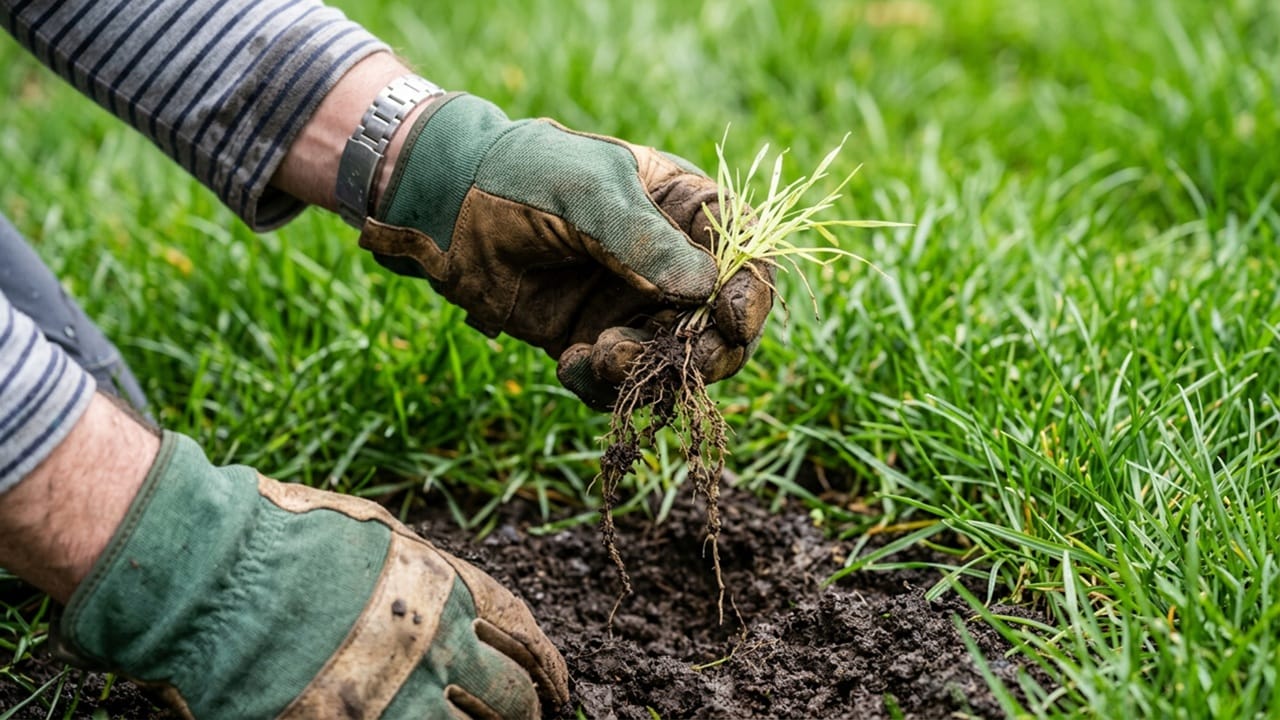
Moisten dry soil lightly, then grip each tuft at its base and lift slowly so the shallow roots come out with the crown. Bag plants that already carry seed heads rather than leaving them on the lawn. Fill larger holes with compatible soil and help the surrounding turf close over the space. Recheck the patch regularly and pull new seedlings while they are small.
Use a post-emergent only when the label fits
For widespread winter grass, start with the product label—not a generic online recommendation. In Australia, an agricultural chemical label defines the approved uses and safe directions for that specific formulation. Confirm that the label names winter grass or Poa annua , your exact turf species, and the intended home-lawn situation. If any one of those is absent, do not assume the product is suitable because a similar product is.
Follow the labelled rate, application timing, weather limits, watering directions, personal protective equipment and re-entry period. Keep children and pets away for the stated interval. Some labels require watering in; others require the leaf to remain dry. The label takes priority over normal irrigation habits. Also check mowing restrictions, repeat-application limits and the interval before sowing seed, laying turf or renovating the area. If the label is unclear, contact the manufacturer or a licensed turf professional before application. The APVMA guide to pesticide labels also explains that directions cannot be transferred between products.
Recheck instead of expecting one-pass eradication
Winter grass can germinate in waves when conditions remain favourable, so one pass may remove visible plants without ending the outbreak. Inspect treated areas over the following weeks, following the label before considering any repeat treatment. Remove survivors before they set seed and record where they appeared. That map will make next season's prevention more precise.
How to Prevent Winter Grass From Returning
Prevention aims to stop the next flush while making the lawn less welcoming to new seedlings. Begin planning during autumn lawn care , before pale clumps become obvious.
Time pre-emergent treatment before germination
A pre-emergent herbicide creates a treated zone that affects susceptible seedlings as they germinate; it does not reliably kill established winter grass. Timing therefore matters more than a calendar date. In many Australian areas, planning begins from late summer into early autumn, but soil temperature, rainfall, microclimate and the registered label determine the usable window.
Choose only a product whose label covers winter grass prevention, your turf species and your situation. Follow its directions for preparation, application, watering-in, PPE and re-entry. Check restrictions around overseeding, turf repair or renovation before applying, because a residual treatment may also interfere with desirable grass establishment. Where germination is staggered, use only label-permitted follow-up timing; never improvise extra applications.
Keep the lawn dense and mow at the right height
Healthy coverage reduces bare ground where winter grass can establish. Mow often enough to avoid removing more than about one-third of the leaf in a single cut, but do not scalp the lawn to remove seed heads. Set the right mowing height for your lawn type and address thin areas when renovation timing is compatible with any herbicide label.
Reduce persistently wet lawn areas
Winter grass favours moist, disturbed ground. Fix leaking fittings, redirect runoff, relieve compaction when conditions and turf type allow, and investigate low spots that stay wet long after rain. Water according to actual lawn need rather than a fixed summer schedule, and review these common lawn watering mistakes .
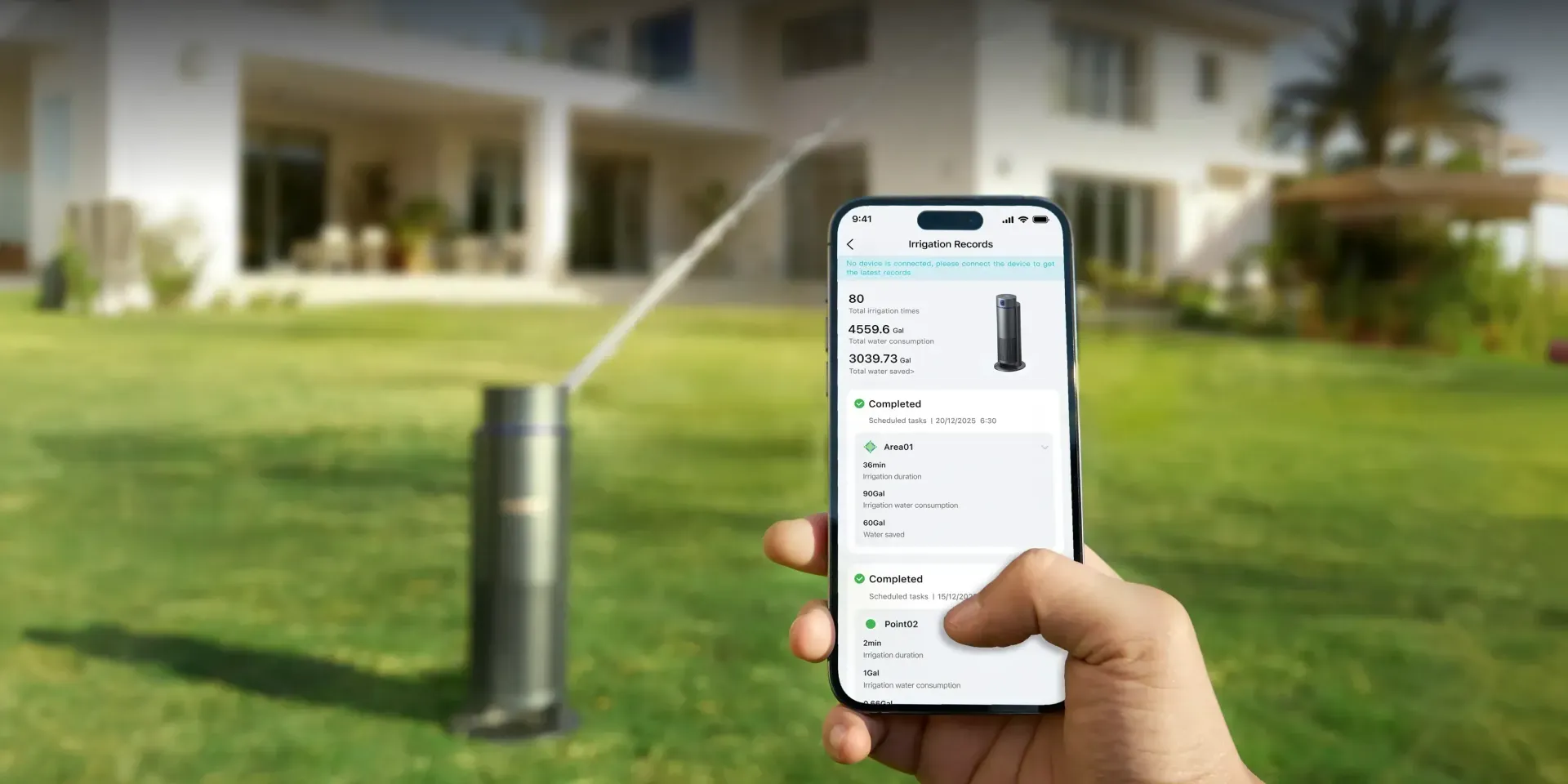
Where different zones dry at different rates, the Aiper IrriSense 2 supports up to 10 customisable irrigation zones with individual schedules, predictive weather monitoring and automatic schedule adjustments. Those controls can help reduce unnecessary winter watering; they do not identify or kill winter grass, and any herbicide label requirement to water in a treatment still comes first.
Five Winter Grass Control Mistakes to Avoid
- Treating before confirming the weed. Compare colour, growth habit, leaf tips and seed heads first.
- Using a pre-emergent on mature plants. It is primarily a prevention tool, not a rescue treatment.
- Assuming one lawn herbicide suits every turf. Verify the exact grass species and situation on the label.
- Scalping or overwatering the lawn. Both can create the thin, damp conditions winter grass exploits.
- Ignoring reseeding and re-entry instructions. These intervals are product-specific safety and performance directions, not optional suggestions.
Frequently Asked Questions
Does winter grass die in summer?
Winter grass often declines as soil dries and temperatures rise, particularly in warm-season lawns. Do not rely on summer die-off alone: plants may set seed beforehand, allowing another outbreak when cool, moist conditions return.
Will pre-emergent herbicide kill existing winter grass?
Generally, pre-emergent treatment targets susceptible seedlings around germination rather than mature plants. Check the specific label because permitted growth stages vary. Existing plants usually need hand removal or an appropriately labelled post-emergent option.
How long after treatment can I reseed or repair the lawn?
There is no universal interval. Read the specific label for reseeding, oversowing, turf-laying and renovation restrictions. The wait can differ by product, rate and turf situation, so do not borrow a timeframe from another herbicide.
Build a Two-Season Control Plan
Remove visible winter grass before it adds more seed, then record the affected areas and prepare prevention before the next germination period. When identification, label-compliant treatment, dense turf and moisture management work together, each season should become easier to manage. Keep monitoring: winter grass control is a program, not a single spray.