
How to Clean a Glass Pool Fence: The Fast, Low-Effort Australian Guide
Ditch standard window sprays and abrasive scrubbing; keep your glass pool fence crystal clear by using a simple white vinegar solution to dissolve baked-on calcium, paired with a fast weekly squeegee routine to stop hard water scale.

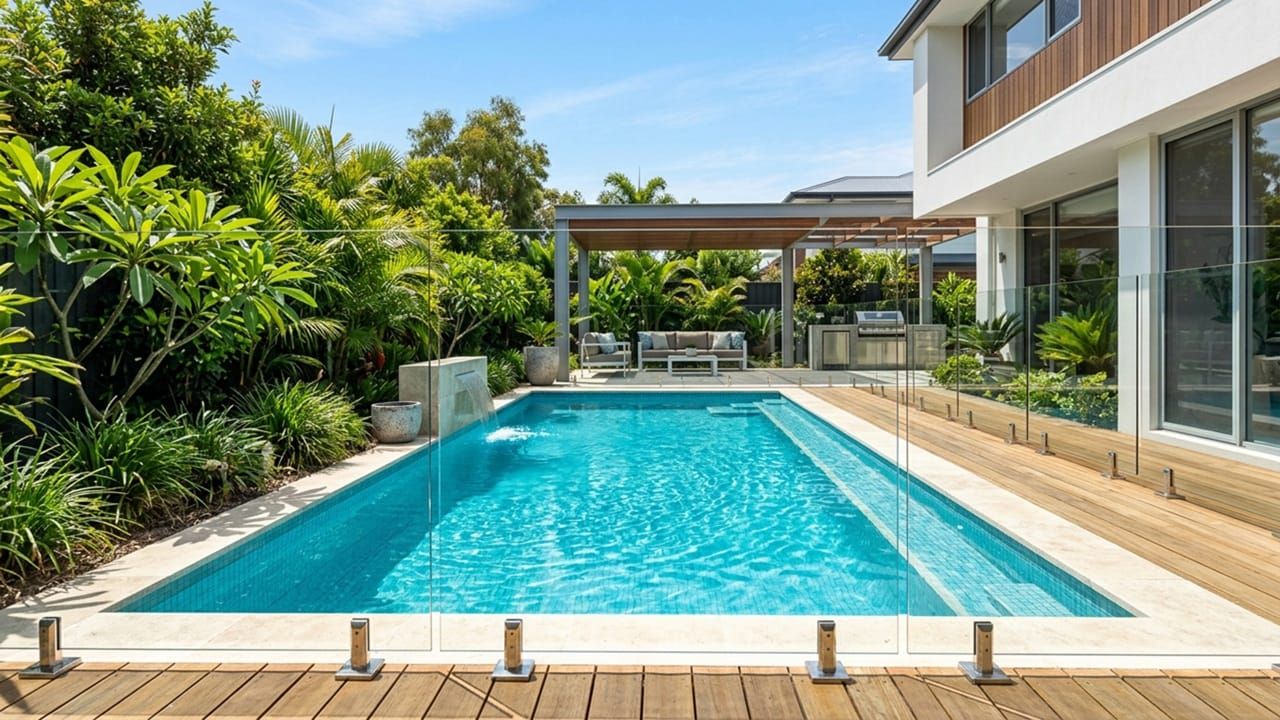
A frameless glass pool fence is a premium backyard aesthetic—right up until it’s covered in baked-on calcium, salt spray, and white water spots. You did not install premium glass fencing to spend your weekends scrubbing it.
The gap between a crystal-clear view and a cloudy, high-maintenance eyesore often comes down to your method. If you are relying on standard indoor window spray and paper towels, you are fighting an uphill battle against outdoor chemistry. Keeping your pool glass invisible doesn't require harsh chemicals or hours of labour; it requires the right pH balance, the correct tools, and a fast, repeatable technique.
Why Australian Glass Pool Fences Get Dirty So Fast
Indoor windows collect dust and fingerprints. Outdoor pool glass collects heavy mineral deposits, and the Australian climate acts as an accelerator for the buildup.
- Evaporation and Mineral Scaling: When pool water splashes onto the glass, the water evaporates quickly in the heat. It leaves behind calcium, salt, and chlorine residue.
- The UV Baking Effect: The high Australian UV index accelerates evaporation, baking these alkaline minerals directly onto the surface of the glass. Over time, these minerals bond tightly to microscopic surface imperfections, turning loose water spots into hard, stubborn scale.
- Why Standard Window Cleaners Struggle: Indoor cleaners (like standard Windex) are designed to cut through light grease. They are generally not acidic enough to break down the heavy calcium carbonate bonds left behind by pool water, which is often why they just push the dirt around and leave streaks.
Tools You Need (And Abrasives That Ruin Your Glass)
The tools you use dictate how fast the job gets done and whether the glass survives the process. Never use abrasive materials on pool fencing; once glass is scratched, it loses its clarity and the micro-abrasions will trap dirt even faster. Gather these before you start:
| Tool Category | What to Use | What to Absolutely Avoid |
|---|---|---|
| Water Removal | Professional-grade rubber squeegee | Plastic-bladed squeegees (causes skipping); leaving the glass to air-dry (causes spots) |
| Drying / Detailing | Lint-free microfibre towels | Paper towels (leaves lint); old newspaper (ink transfer and scratching) |
| Scrubbing | Soft sponges or non-scratch applicator pads | Steel wool, stiff bristle brushes, or green kitchen scouring pads (causes permanent micro-scratches) |
The 5-Minute Baseline Routine: Keep Pool Glass Clean With Minimal Effort
For pool owners who want a clear view without breaking a sweat, regular light maintenance is much faster than waiting for heavy scale to build up. Perform this quick routine once a week during the peak swimming season.
- Hose Down the Glass: Use your garden hose to thoroughly wet the entire glass fence. This removes loose dirt, debris, and fresh pool water splashes before they dry.
- Apply a Soap Wash: Mix a few drops of standard dishwashing liquid into a bucket of warm water. Use a soft sponge to quickly wipe down the glass. The dishwashing liquid lifts light oils and sunscreen residue.
- Rinse Immediately: Hose the soapy water off the glass before it has a chance to dry in the sun.
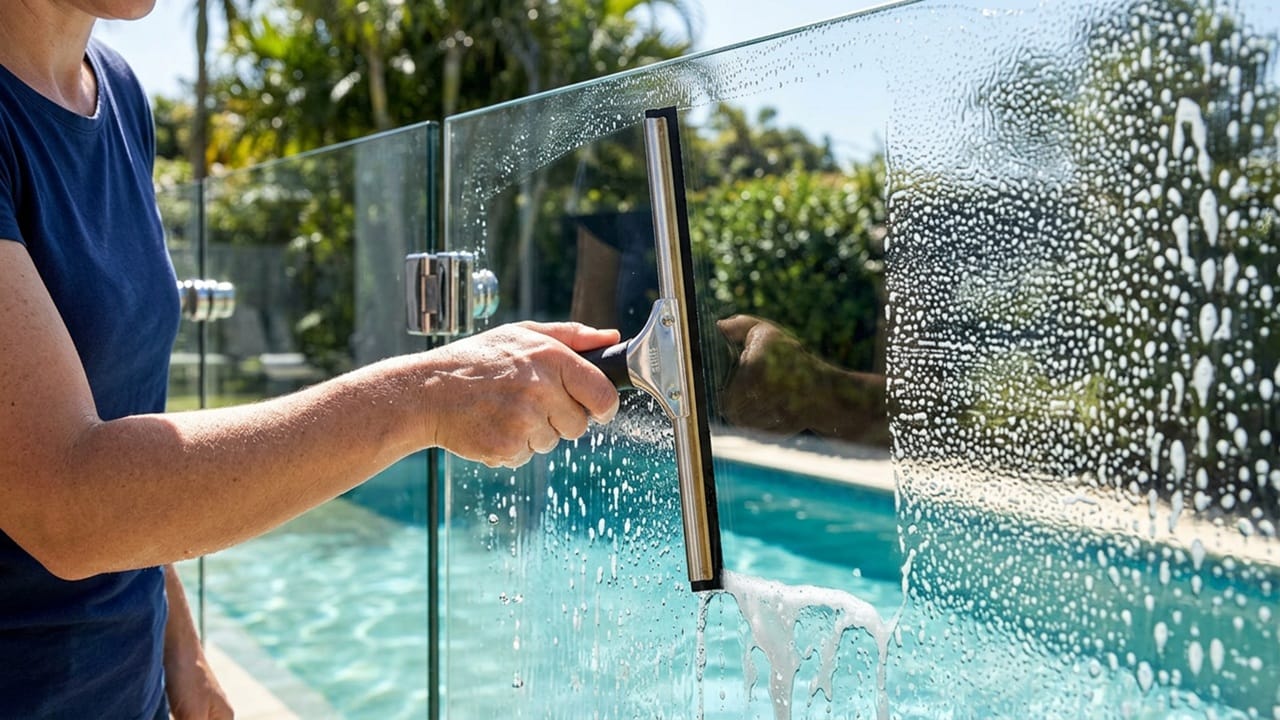
- Squeegee to Finish: Starting from the top corner, pull a rubber squeegee straight down the glass. Wipe the squeegee blade with a dry microfibre towel between every single stroke to prevent water trailing.
How to Deep Clean Extremely Dirty Glass and Remove Hard Water Scale
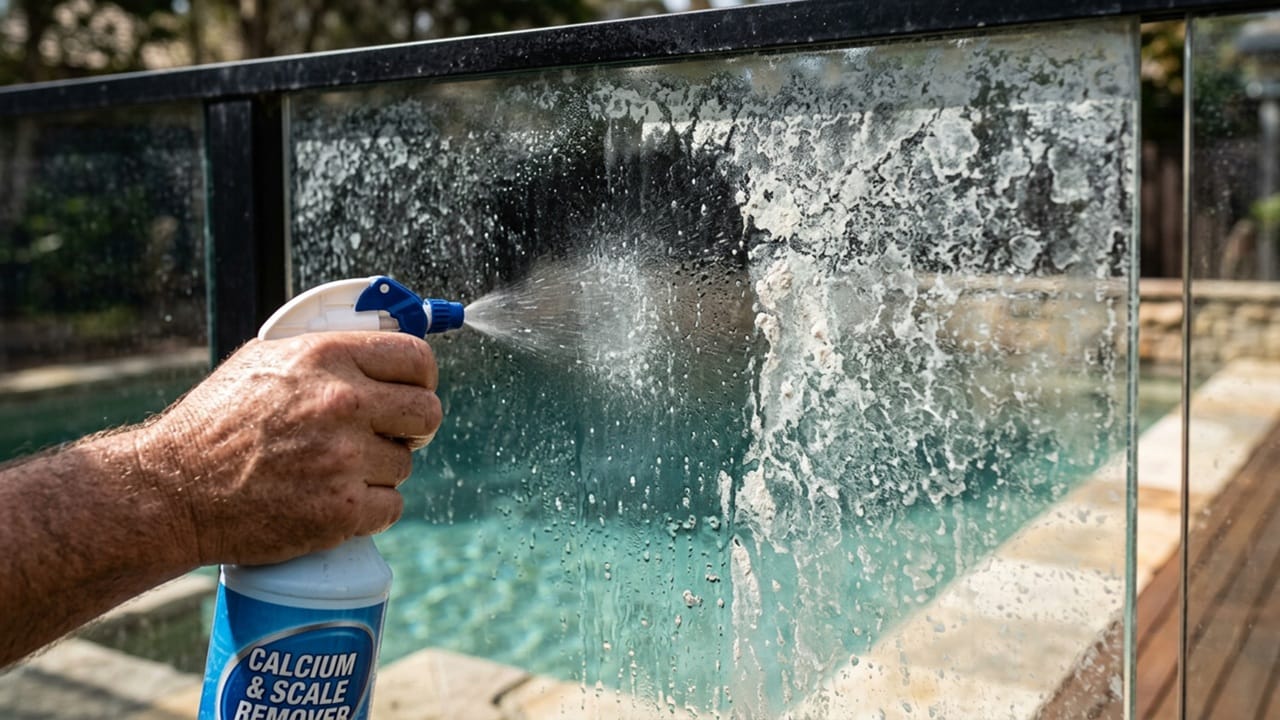
When you are dealing with glass that is cloudy, rough to the touch, and covered in severe hard water scale, soap and water usually won't be enough. You need an acidic solution to dissolve the alkaline calcium deposits.
Instead of buying expensive commercial descalers, a simple white vinegar mixture is highly effective and generally safe for your pool water balance if minor splashing occurs.
- Mix the Solution: In a spray bottle, combine 1 part plain white vinegar with 1 part warm water. Add a single drop of dishwashing liquid to help the solution cling to the glass instead of immediately running off.
- Saturate the Glass: Spray the mixture generously over the cloudy areas of the fence.
- Let it Dwell: This is a crucial step. Let the vinegar sit on the glass for 5 to 10 minutes to dissolve the mineral bonds. Do not let it dry completely; mist it with more solution if it starts evaporating.
- Agitate the Scale: Take a soft, non-scratch sponge and gently rub the areas with heavy buildup. You should feel the rough calcium spots smooth out.
- Rinse and Squeegee: Thoroughly hose down the glass to remove all the vinegar and dissolved minerals, then finish with a squeegee to help prevent new water spots from forming.
Proactive Maintenance: Stop Mineral Buildup From Returning
You can actively reduce how quickly your glass gets dirty by changing how water interacts with it.
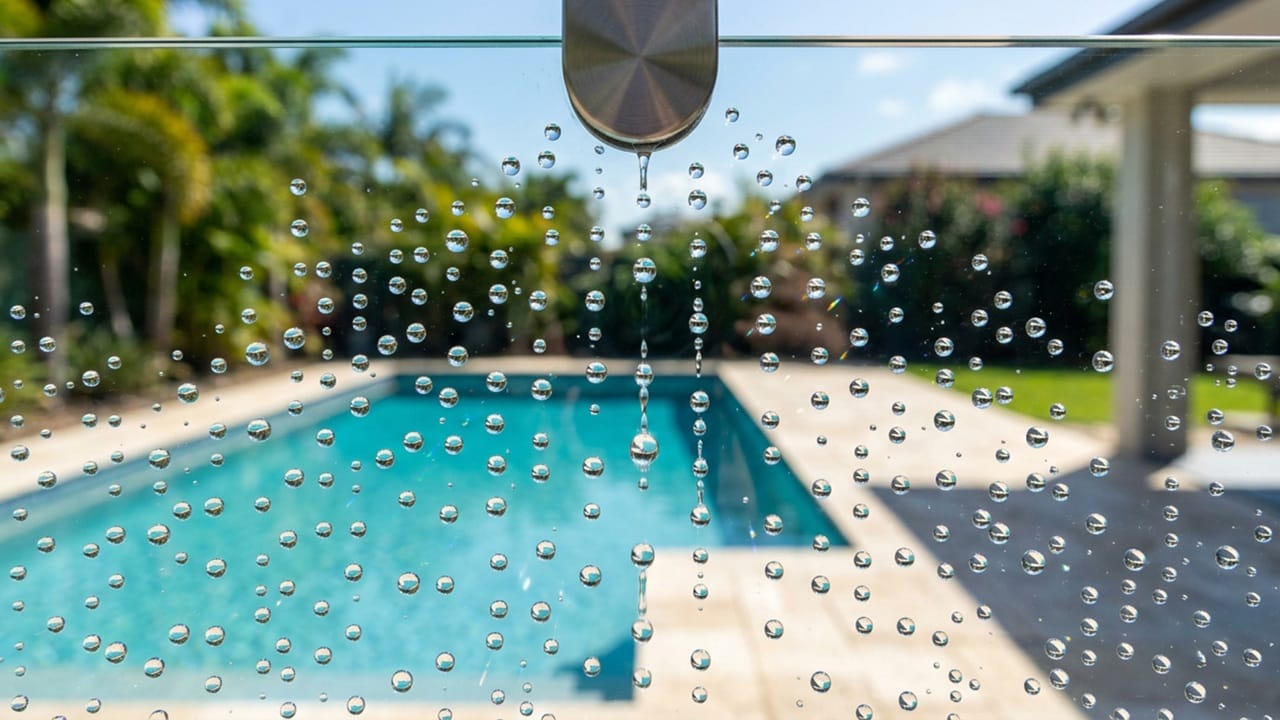
- Apply a Glass Sealant: Professional glass coatings act like wax on a car. They create an invisible, hydrophobic barrier that forces water to bead up and roll off the glass rather than sitting and evaporating. Applying a sealant regularly can significantly reduce your cleaning frequency and help prevent calcium from etching the glass.
- Adjust Your Environment: Check your garden sprinklers and pool return jets. If they are consistently spraying water directly onto the glass fence, adjust the nozzles away from the barrier to immediately reduce your weekly cleaning load.
The Bottom Line
Keeping your glass pool fence clean shouldn't be a constant battle against the Australian elements. By addressing the root cause—baked-on mineral scale—with a simple white vinegar solution and maintaining the glass with a quick weekly squeegee routine, you can preserve that premium aesthetic with minimal effort.
True low-maintenance pool ownership is about working smarter, not harder. Just as an Aiper robotic pool cleaner automates the heavy lifting of scrubbing your pool's floor and walls, applying the right baseline techniques to your glass fence frees up your weekend so you can actually spend it enjoying your pool.
Frequently Asked Questions About Cleaning Pool Glass
How do you clean a glass pool fence without leaving streaks?
Streaks happen when dirty water dries on the glass or when a dirty tool drags across it. To achieve a streak-free finish, clean the glass when it is cool (early morning or late afternoon) to prevent rapid evaporation. Always use a high-quality rubber squeegee, pulling from top to bottom, and wipe the rubber blade thoroughly dry with a microfibre cloth after every single pass.
Is vinegar better than Windex for pool glass?
For outdoor environments, yes. Most standard glass cleaners are ammonia-based, which is excellent for indoor grease but largely ineffective against outdoor hard water scale. White vinegar contains acetic acid, which actively dissolves the calcium carbonate, salt, and chlorine deposits that typically plague outdoor pool fences.
How often should you clean a glass pool fence in Australia?
If you live in a coastal area prone to salt spray or use the pool heavily, a 5-minute hose-and-squeegee routine should be done weekly. For sheltered suburban pools with lighter use, a bi-weekly wash is usually sufficient. A deep clean with vinegar is generally only required every 3 to 6 months to strip away accumulated scale.
Can you use vinegar on treated or coated glass?
Yes, but you should dilute it. If your glass has a hydrophobic coating, straight vinegar can degrade the protective layer over time. Use a heavily diluted solution (1 part vinegar to 4 parts water), wipe gently, and rinse immediately. Never use abrasive scrubbers on coated glass.