
How to Scarify a Lawn: A Practical Guide for Australian Homes


It is frustrating when your lawn looks patchy, spongy, and yellow, or when water puddles on top instead of soaking in. If this is happening, learning how to scarify a lawn is the best way to fix it. Scarifying pulls up the thick, matted layer of dead organic waste so air, water, and nutrients can actually reach the roots.
It is much more intense than mowing, and your yard will look rough and brown right after you finish, but that mess is a normal part of the healing process. This guide covers when to scarify lawn Australia, the step-by-step method, and the aftercare needed to bring your grass back healthier than ever.
What Is Lawn Scarifying?
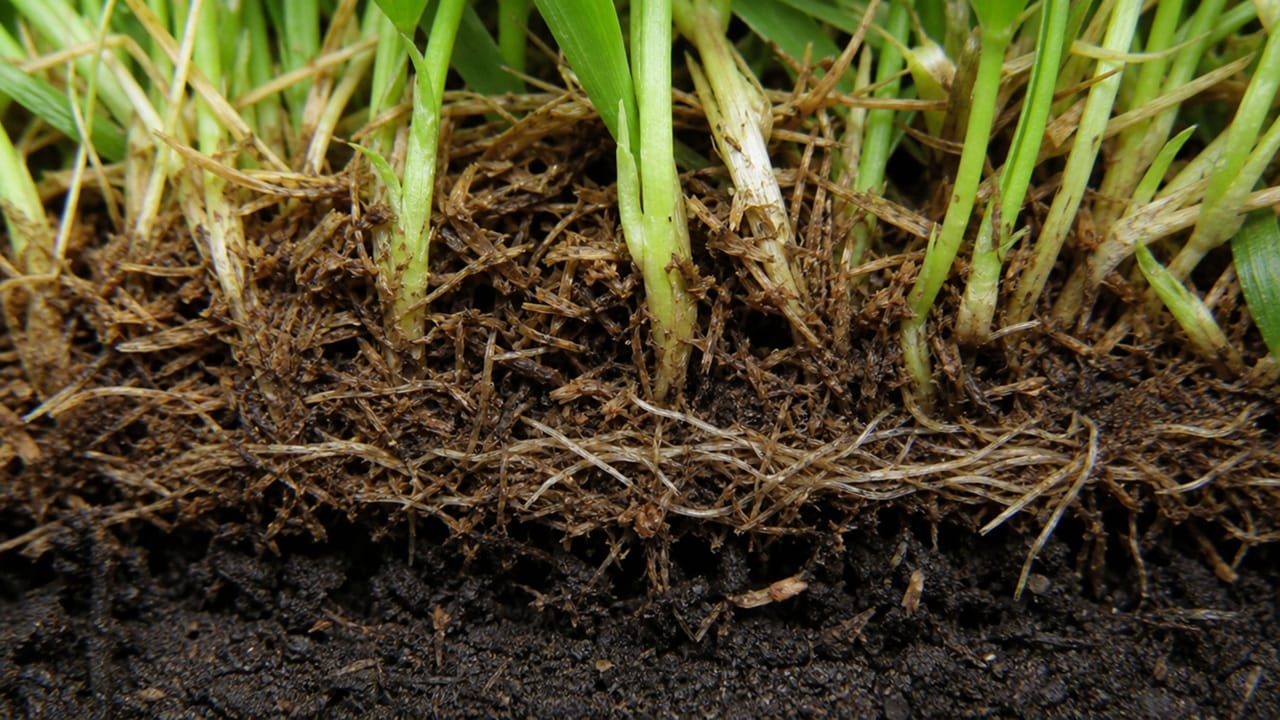
Lawn scarifying is a straightforward method of deep maintenance that goes well beyond surface grooming. Over many months of growth, a thick layer of dead grass blades, old roots, moss, and decaying organic matter inevitably builds up between the green tops of your grass and the actual soil surface below. This dense, tangled layer is known as thatch.
A thin layer of thatch is normal and cushions the soil, but too much creates a waterproof barrier that blocks oxygen, water, and fertiliser. This leaves your yard looking thin and tired. Scarifying simply removes this suffocating layer so your grass can breathe, absorb nutrients, and heal itself naturally.
Scarification vs Dethatching: Are They The Same?
People often use these terms interchangeably, but they differ in depth. Dethatching is a lighter process that simply brushes away the loose thatch sitting near the grass surface.
In contrast, scarifying lawn areas is more aggressive. A scarifier uses rigid steel blades that slice straight into the turf to pull up deeply compacted debris and cut through old stems. You do not need to obsess over the technical jargon, though. The main priority is figuring out if your thatch layer is thick enough to choke your grass and ensuring your yard is healthy enough to handle a deep clean.
When To Scarify Lawn In Australia
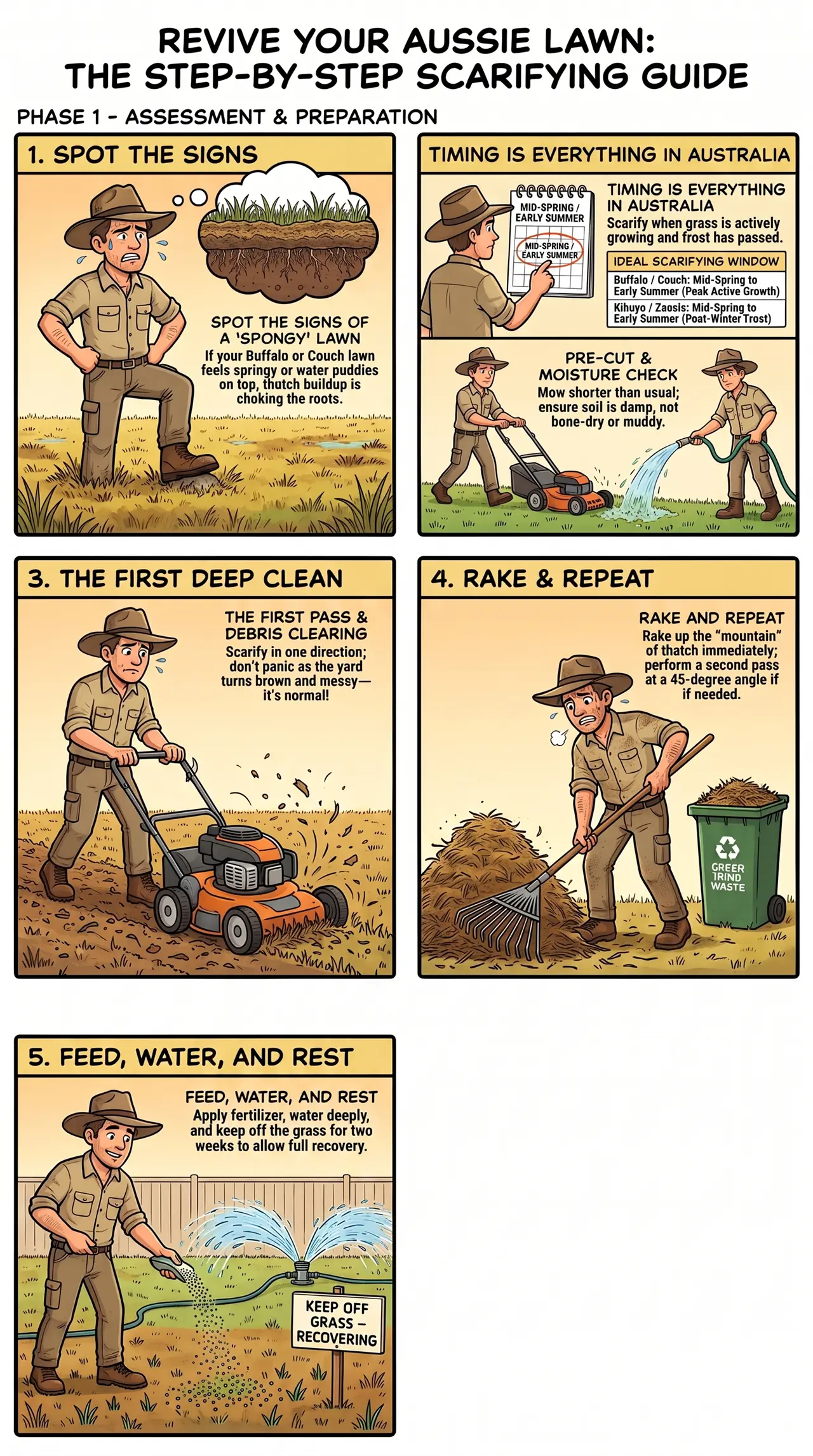
Timing is absolutely everything when it comes to this type of heavy maintenance. In Australia, the best time to scarify a lawn is always when the grass is in its peak active growing phase, because it needs plenty of energy to heal and push out fresh green growth.
For the vast majority of Australian properties featuring warm-season turf varieties like Buffalo, Couch, Kikuyu, and Zoysia, the ideal window opens up from mid-spring to early summer. You want to wait until all risk of winter frost has completely passed and you have already mown the lawn a few times, which proves the grass is growing vigorously.
You must avoid scarifying during winter dormancy, extreme summer heatwaves, periods of drought stress, or when the ground is completely waterlogged. The soil underneath needs to be slightly damp and pliable, never rock-hard and dry or oversaturated and muddy.
Signs Your Lawn Is Ready To Be Scarified
It is easy to tell when your yard has reached the point of needing a serious cleanout. Keep an eye out for these classic warning signs:
- The ground feels noticeably spongy or springy underfoot when you walk across it.
- Water pools on top of the lawn or runs off into the garden beds instead of sinking in.
- The grass looks increasingly thin, yellow, or patchy despite regular care.
- You can see a distinct, tightly woven brown layer of debris right at the base of the blades.
- Routine watering and fertilising no longer seem to make any difference to the colour or growth.
- The root zone feels completely compacted and suffocated.
If your yard is currently suffering from drought or heat stress, or if you have recently laid down fresh turf rolls, hold off on this process until the grass has fully established and recovered its strength.
How often should you scarify your lawn
As a general rule of thumb, most domestic yards only require a deep scarify once every year or two to keep thatch and moss under control. Many lawns do not need aggressive treatment very often, especially if the soil drains well and you do not over-fertilise.
It is always best to inspect the actual thickness of your thatch layer first. If you have a fast-growing grass variety, use heavy fertilisers, or deal with poor drainage, you might need to clear the debris annually. If the grass is healthy and the dirt is clear, you can easily leave it alone for longer intervals.
How To Scarify A Lawn Step By Step
The best approach to scarifying lawn spaces is to work slowly, remove the loosened debris as you go, and give the turf plenty of support so it can recover quickly. Following these structured steps will help you achieve the best results.
Step 1. Mow The Lawn Shorter Than Usual
Reducing the height of your grass makes it much easier for the scarifier blades or heavy rake to reach the deep thatch layer without getting tangled in long blades. Drop your mower height slightly lower than your normal cut, taking care not to scalp the ground entirely. Bag and remove all of these clippings before you start the main job so they do not clutter your workspace.
Step 2. Check Soil Moisture
The dirt must be slightly moist before you begin. If the ground is bone-dry and hard, the machine will rip healthy roots right out of the earth. If the ground is soaking wet, the blades will tear up the soil structure and leave you with a muddy, ruined mess. Avoid working right after a massive downpour; instead, aim for a day or two after light rain.
Step 3. Scarify In One Direction First
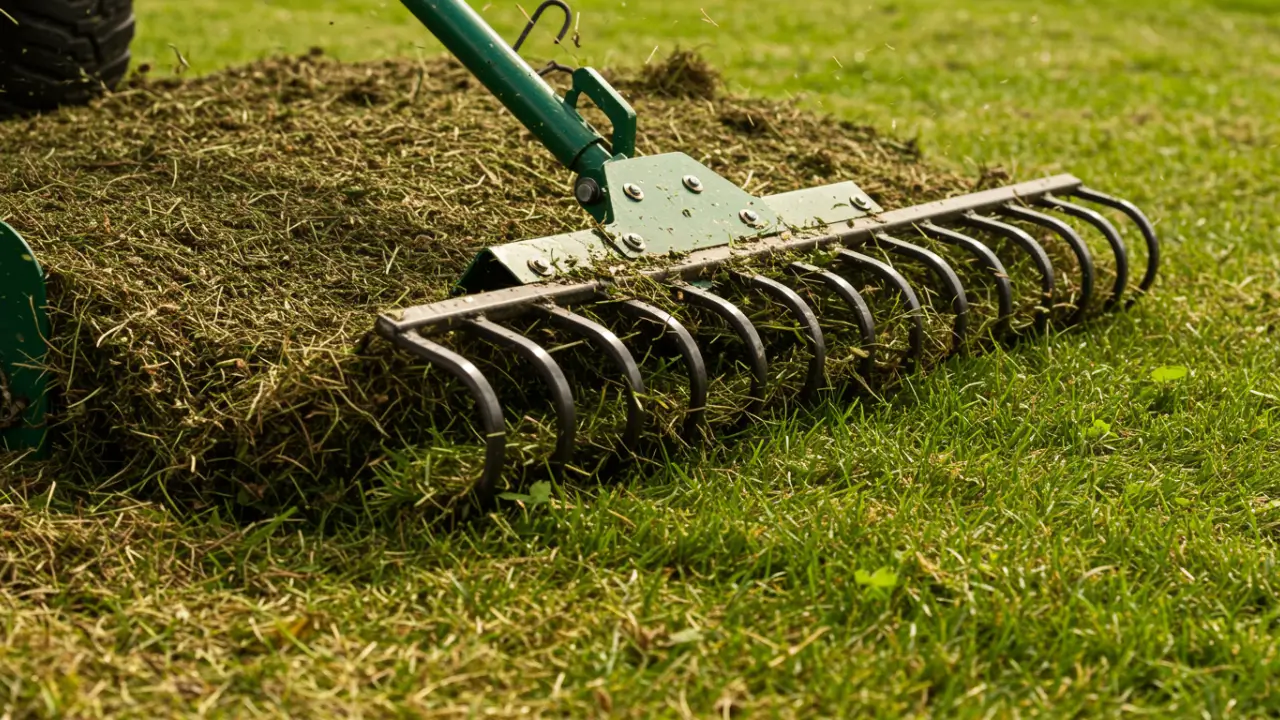
Set your tool or machine to a relatively high, gentle setting for your first pass, and move across the entire yard in a single direction. Do not drop the blades too deep on your first try, especially if the turf is already a bit weak. Seeing an alarming amount of brown, messy debris rise to the surface is completely normal, so do not panic when the yard turns brown.
Step 4. Rake Up The Thatch
You must clear away the loose debris immediately rather than leaving it scattered across the yard. If you leave that thick mat of dead material on the surface, it will continue to block vital sunlight, air, and morning dew from reaching the ground. Use a sturdy garden rake to gather the waste, which can go straight into your green home waste bin or compost pile if it is free of disease.
Step 5. Make A Second Pass If Needed
If your yard has a particularly severe case of organic buildup, you can perform a second pass with the machine. Walk at a forty-five-degree angle to your original path to catch any debris that was missed the first time. Only attempt this second pass if your grass variety is robust and actively growing, as weak or dry lawns can be permanently damaged by overworking the ground.
Step 6. Water, Feed And Let The Lawn Recover
Once the cleanup is done, give the lawn a deep soak and apply a balanced fertiliser to support new growth. Keep the soil moist without overwatering, and spread fresh seed over any large bare patches. For more consistent watering during recovery, the Aiper IrriSense 2 can automatically manage different lawn zones through app scheduling and weather-based adjustments. Do not mow again until the new grass is at least five centimetres high, and keep pets and family off the lawn for around two weeks.

What To Do After Scarifying Lawn
The work you put into aftercare is just as important as the cleanup itself. Your yard will look brown and messy for a while, but the exposed roots just need time, protection, and water to heal.
Give the dirt a deep soak every few days, but avoid overwatering so you do not invite fungal diseases. Put down a quality fertiliser to help the thin areas fill in fast, and do not mow again until the new grass is at least five centimetres high. Finally, keep pets and family off the lawn for two weeks to give the turf a chance to settle.
How Long Does It Take To Scarify A Lawn?
For a standard suburban yard, the actual mowing and scarifying takes about one to two hours, while larger properties can easily take half a day. Beginners are usually shocked by the cleanup, because pulling up thatch creates an absolute mountain of waste that has to be bagged and moved. Expect the grass to take a few weeks to bounce back, depending on your local weather, soil, and how well you water and feed it.
FAQ
When is the best time to use a lawn scarifier?
In Australia, you should only use a scarifier when the grass is growing actively, which means spring to early summer for most regions. Avoid working during winter chill, peak summer droughts, or extreme heat when the grass is struggling to survive.
Is scarifying the same as dethatching?
They are closely related but differ in intensity. Dethatching is a surface-level clean that removes loose debris from the top of the lawn, while scarifying uses deeper blades to slice into the soil and pull up packed organic material.
Can scarifying damage my lawn?
Yes, if you set the blades too deep, work too frequently, or run the machine while the turf is dormant or dry, you can kill the grass. Done correctly at the right time of year, it helps the yard recover by opening up access to food and water.
Should I mow before scarifying?
Yes, mowing your lawn slightly shorter than usual before you start allows the equipment to reach the hidden thatch layer easily and makes clearing away the waste material much faster.
Should I fertilise after scarifying?
Yes, applying a suitable fertiliser right after you finish cleaning and watering will give the exposed root system the immediate nutrients it needs to push out fresh green growth and fill in bare patches.
Conclusion
Scarifying can look incredibly destructive at first, but it is one of the best ways to revive a tired, spongy yard. Success comes down to picking the right season, starting with a gentle first pass, clearing the debris, and feeding the bare ground. For Australian backyards, timing matters just as much as your technique. With a little patience and a solid aftercare routine, your lawn will come back thicker, greener, and ready to thrive.