
Automatic Pool Water Leveler: Pros, Cons, and Is It Worth It?
An automatic pool water leveler protects your pump from running dry and saves time on manual top-ups. However, it can quietly mask hidden structural leaks, meaning regular water meter checks are still vital to prevent runaway water bills.

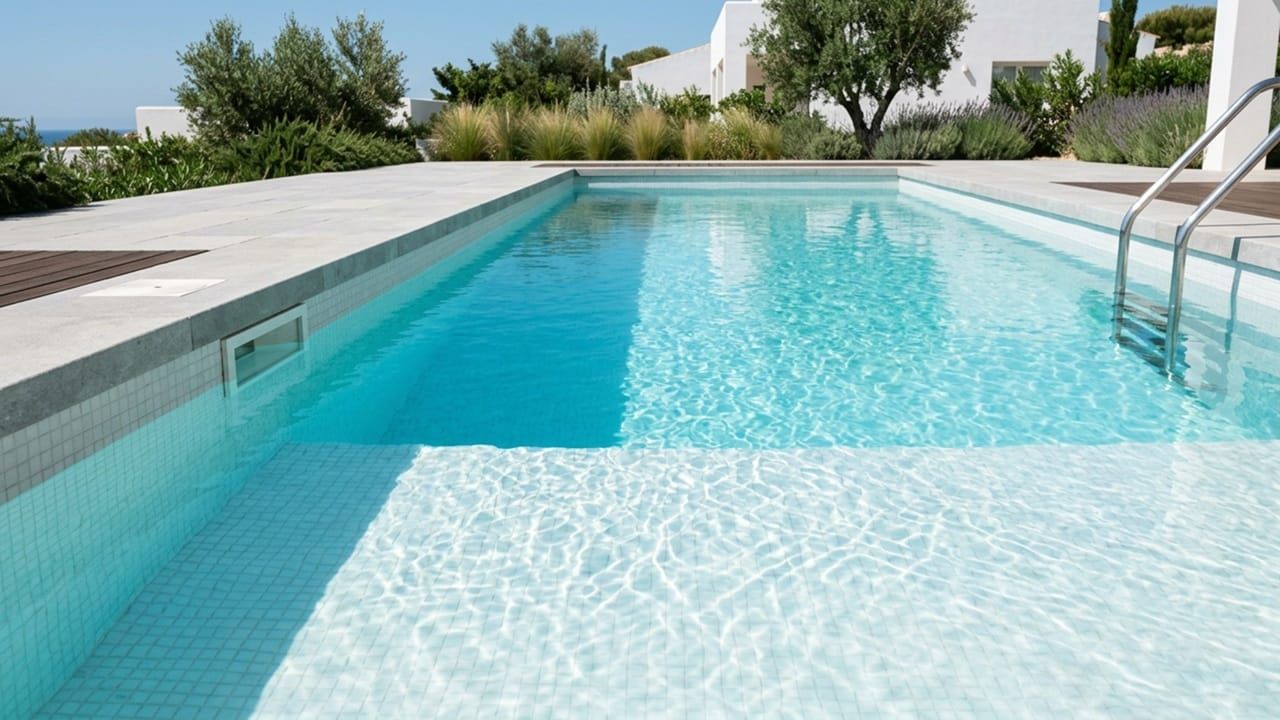
If you’re tired of dragging out the garden hose every few days, you’ve probably started researching automatic pool water levelers. These systems are designed to keep your pool at the exact right water level without you having to constantly check it.
Many pool owners love autofills because they save time, especially during hot Australian summers or when you’re away on holiday. However, this convenience comes with one major downside: if your pool develops a structural leak, the leveler will quietly keep adding water to replace what’s been lost. This can hide a massive problem for weeks, leading to astronomical water bills and expensive foundation repairs before you even notice anything is wrong.
In this guide, we’ll explain exactly how automatic pool water levelers work, the real risks to be aware of, and clever DIY workarounds to help you decide if one is the right choice for your backyard.
Key Takeaways
- Automatic pool water levelers refill your pool when the water level drops.
- They help protect your pool pump from running dry.
- They save time by reducing the need for manual top-ups.
- A hidden pool leak can go unnoticed because the system keeps replacing lost water.
- Regular pool checks are still important, even with an automatic leveler.
How Automatic Pool Water Levelers Work
An automatic pool water leveler works much like the float inside a toilet cistern.
As the pool water drops, a float also drops. This opens a valve and lets fresh water flow into the pool. Once the water reaches the correct level, the float rises and closes the valve again.
Some systems are built into the pool during construction and connect directly to your home’s water supply. Others are portable units that attach to a standard garden hose and sit on the edge of the pool.
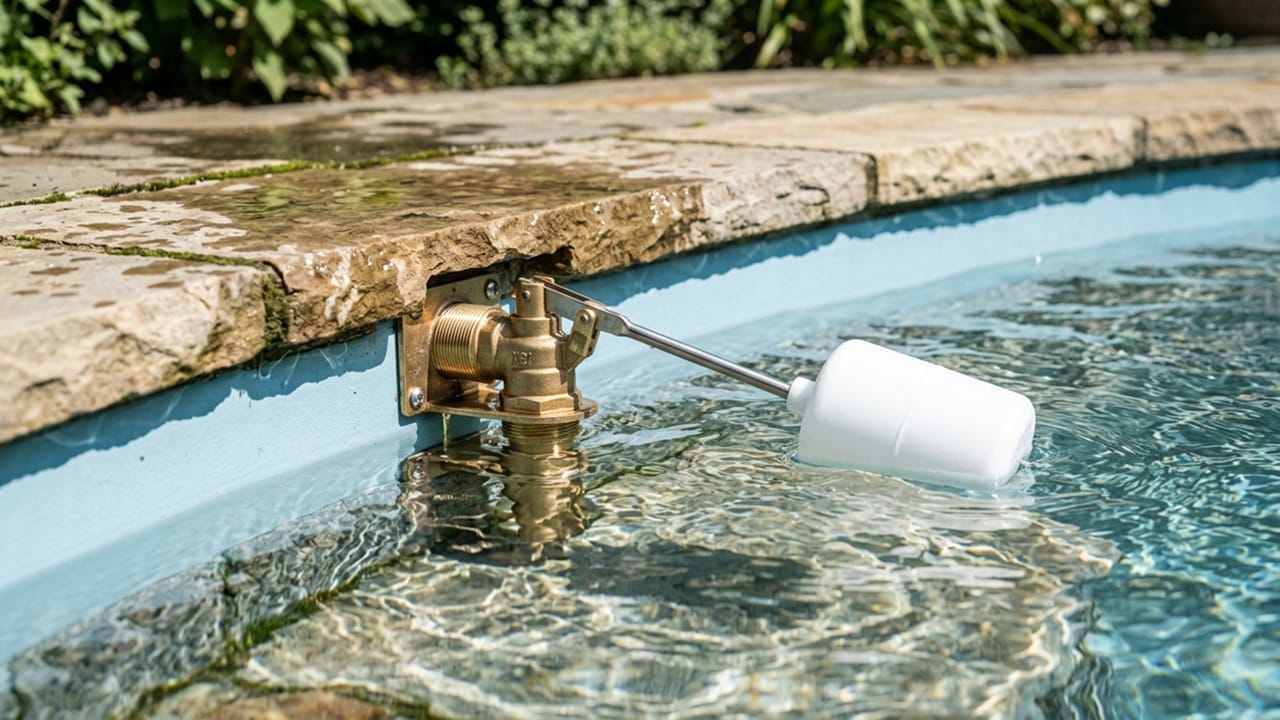
The goal is the same for both types: keeping the water level steady without you having to remember to fill the pool yourself.
If you’d like to learn more about why maintaining the correct water level matters, read Aiper’s guide on keeping your pool water level stable.
Advantages of Automatic Pool Fillers
An automatic water leveler does more than save you a few minutes each week. It also helps keep your pool equipment working properly.
Preventing Pool Pump Burnout
Pool pumps need enough water to work safely.
When the water level drops below the skimmer, the pump can start pulling in air instead of water. According to industry best practices, running a pump dry can damage seals, overheat internal parts, and shorten the life of the motor.
An automatic water leveler helps keep the water above the skimmer, reducing the risk of this happening.
Eliminating Manual Top-Ups
Australian summers can cause a surprising amount of water to evaporate.
Instead of checking the pool every few days, an automatic leveler replaces the lost water as needed. This is especially helpful if you’re going away, own a holiday home, or manage a rental property.
It also means one less job on your weekend to-do list.
Disadvantages and Risks of Autofills
Although automatic fillers are convenient, they also have a few downsides that every pool owner should understand.
Masking Hidden Structural Pool Leaks
This is the biggest concern raised by experienced pool owners.
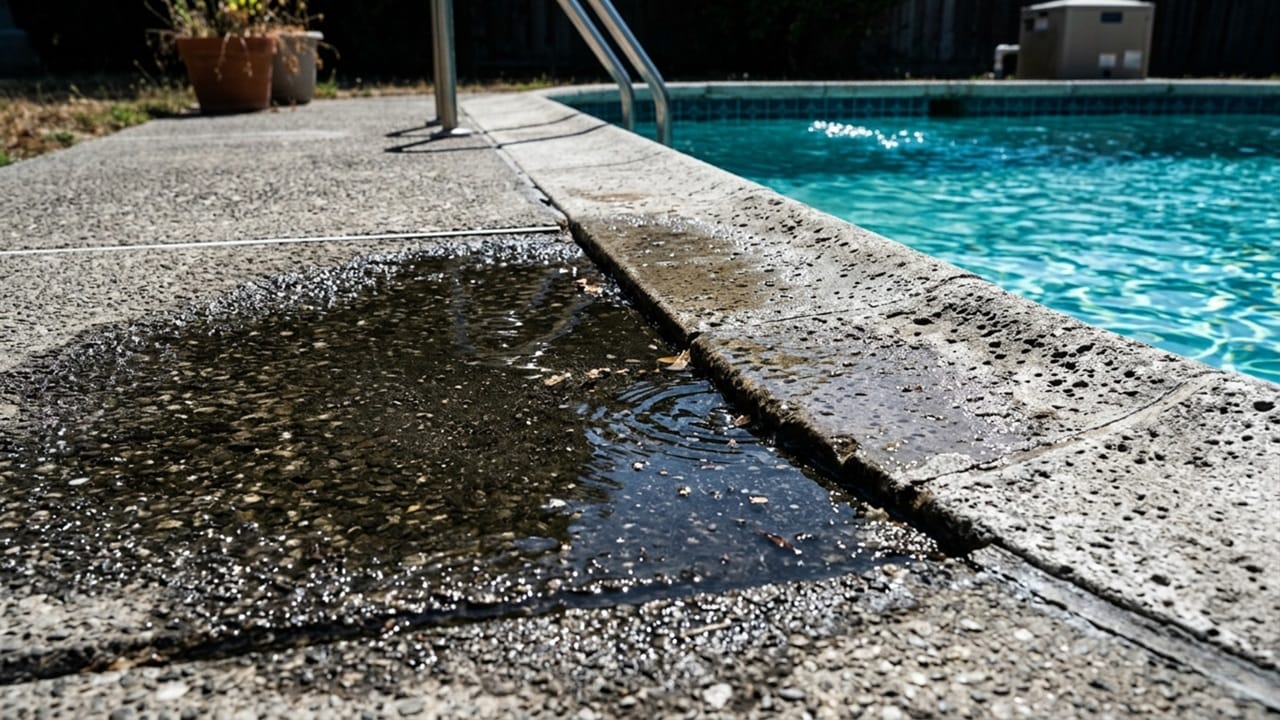
If your pool develops a leak, the automatic leveler simply keeps adding more water. Because the water level always looks normal, you may not realise there’s a problem until your water bill increases or the leak causes damage around the pool.
Checking your water meter from time to time can help you spot unusual water use before it becomes a costly repair.
Risk of Mechanical Float Failure and Flooding
Like any mechanical part, a float valve can wear out over time.
Mineral build-up, dirt, or small pieces of debris may stop the float from closing properly. If this happens, water may continue flowing into the pool.
Besides wasting water, too much fresh water can dilute your pool chemicals and, in some cases, cause flooding around the pool area.
Regular inspections help reduce the chance of these problems.
How Regional Climate Impacts Your Decision
Where you live can make a big difference when deciding if an automatic water leveler is worth it.
In hot, dry parts of Australia, pools lose more water through evaporation. During summer, many pool owners need to top up their pools every week. In these areas, an automatic water leveler can save time and help keep the water at the right level.
If you live in a cooler or wetter area, your pool may not lose as much water. Regular rain can replace some of the water naturally, so you may only need to top it up from time to time. In this case, a manual top-up may be enough.
Pool Leveling Options and DIY Workarounds
There isn’t just one way to keep your pool at the right water level. Here are some common options.
Built-in Plumbed Systems
These systems are usually installed when a pool is being built. They connect directly to your home’s water supply and refill the pool automatically whenever the water level drops.
They work well and require very little attention, but they are more expensive to install.
Portable Over-the-Coping Levelers
If you already have a pool, a portable leveler can be an easier option.
These units sit on the edge of the pool and connect to a standard garden hose. They’re simple to install and can be removed whenever you don’t need them.
Digital Tap Timers
Some pool owners prefer using a digital tap timer instead of a float valve.
The timer turns the water on for a set amount of time each day before switching it off again. This simple method reduces the chance of water running all day if a float valve gets stuck.
The Continuous Hose Trickle Method
Another option is to leave the garden hose running very slowly.
The idea is to replace the water that evaporates each day with a small, steady trickle. While this method can work, it needs regular checking. If the weather changes or evaporation increases, the water level may still become too high or too low.
Why Water Levels Impact Robotic Pool Cleaners
Keeping the right water level isn’t just important for your pump. It also helps your pool cleaner do its job properly.
Modern robotic pool cleaners are designed to clean the pool floor, climb the walls, and scrub the waterline. They work best when the water stays around the middle of the skimmer.
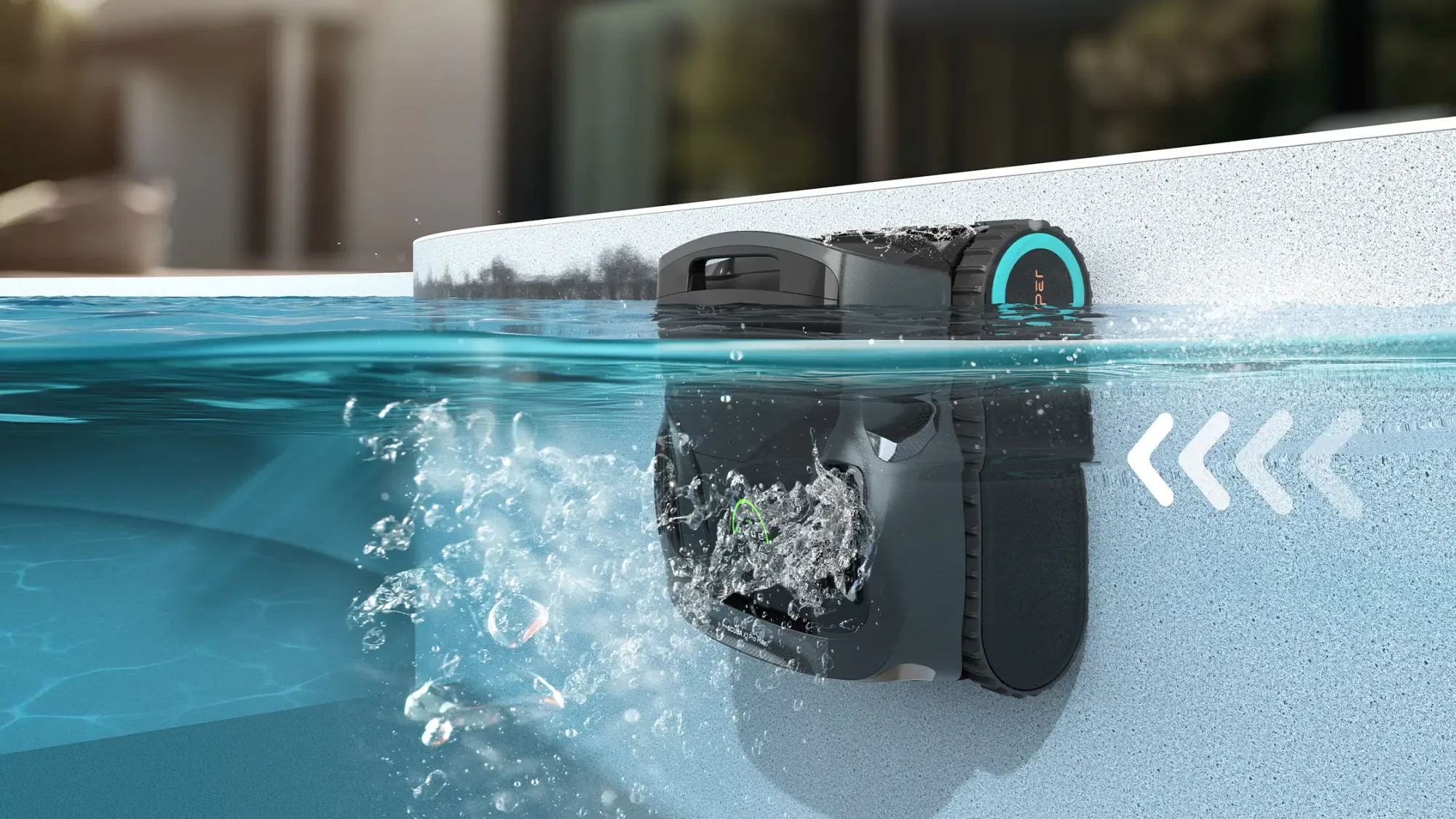
If the water level drops too low, the cleaner may not reach the waterline properly. This can leave behind dirt, sunscreen, and stubborn marks along the tiles.
If you’re looking for an easier way to keep your pool clean, a model like the Aiper Scuba X1 Pro Max collects leaves, dirt, and fine debris in its own filter basket instead of sending everything to your main pool filter. That means less cleaning by hand and a cleaner pool every day. Without regular cleaning, debris can build up, making it harder for your equipment to work efficiently.
Are Automatic Pool Water Levelers Worth It?
For many Australian pool owners, the answer is yes.
An automatic water leveler saves time, protects your pool pump, and helps keep the water at the right level throughout the year. It’s especially useful during hot weather or if you’re away from home for several days.
That said, it shouldn’t be something you install and forget about completely. It’s still a good idea to check your water meter, inspect your pool for leaks, and make sure the float is working properly. These simple checks can help you catch problems early and avoid expensive repairs.
Frequently Asked Questions
How does an automatic pool water leveler work?
It works with a simple float valve. As the water level goes down, the valve opens and lets fresh water into the pool. When the water reaches the right level again, the valve shuts off on its own.
Can you add an autofill to an existing pool?
Yes. Many portable and aftermarket systems are made for existing pools and connect to a standard garden hose. Built-in systems can also be added, but they usually require professional installation.
How do I know if my pool is leaking if I use an autofill?
Watch your water meter and compare your normal water use over time. If you notice your water bills increasing or the autofill is adding water more often than usual, it may be worth arranging a professional leak inspection. Regular checks around the pool for wet ground or cracks can also help you spot problems early.