
Why Is My Pool Heater Running But Not Heating the Water? (A Step-by-Step Troubleshooting Guide)
A pool heater that runs but does not heat is often caused by low water flow, incorrect settings, or weather limits—not a complete failure. Follow these troubleshooting steps to identify the issue before calling a professional.

The system is running, the fans are spinning, but the temperature is stubbornly stuck at the same cold reading.
Discovering that your pool heater is running but not actually heating the water is incredibly frustrating, especially when you are looking forward to a warm swim. However, a heater that fails to warm the water doesn’t necessarily mean the entire unit is broken. More often than not, it is the result of restricted water flow, a dirty filter, or a simple thermostat setting.
Replacing a pool heater is expensive, but before you pay a massive call-out fee to a technician, there are several easy DIY checks you can perform. This step-by-step guide will help you diagnose the problem and discover exactly how to heat your pool efficiently again.
Key Takeaways
Before performing any physical checks, make sure the unit's main power supply is switched off.
- Water flow is the #1 culprit: If your filter is dirty, internal safety switches will prevent the heater from firing.
- Check your settings: Ensure your thermostat is in "Pool" mode, not "Spa" mode, and is set at least 3°C to 5°C higher than the current water temperature.
- Know your heater limits: Heat pumps struggle to pull heat from the air when outside temperatures drop below 10°C (50°F).
- Safety first: Never attempt to DIY internal gas valves or complex electrical circuit boards.
1. Check Water Flow and Circulation (The #1 Culprit)
Low water flow is the absolute most common reason your pool heater is failing to operate. Proper pool water circulation is essential because pool heaters have built-in safety mechanisms (called pressure switches) that shut the heating element off when water flow is too low. This prevents the water inside from boiling and melting the internal components.
Here is how to ensure your water flow is strong enough to trigger the heater:
Clean or Backwash the Filter
A clogged filter severely restricts water flow. Check your filter's pressure gauge; if it is running higher than normal, it is time to act. Backwash your sand or DE filter, or remove and thoroughly spray down your cartridge filters.
Empty the Baskets
Check that water can actually get to your pump. Remove any leaves, twigs, or debris choking your poolside skimmer baskets and the main pump strainer basket.
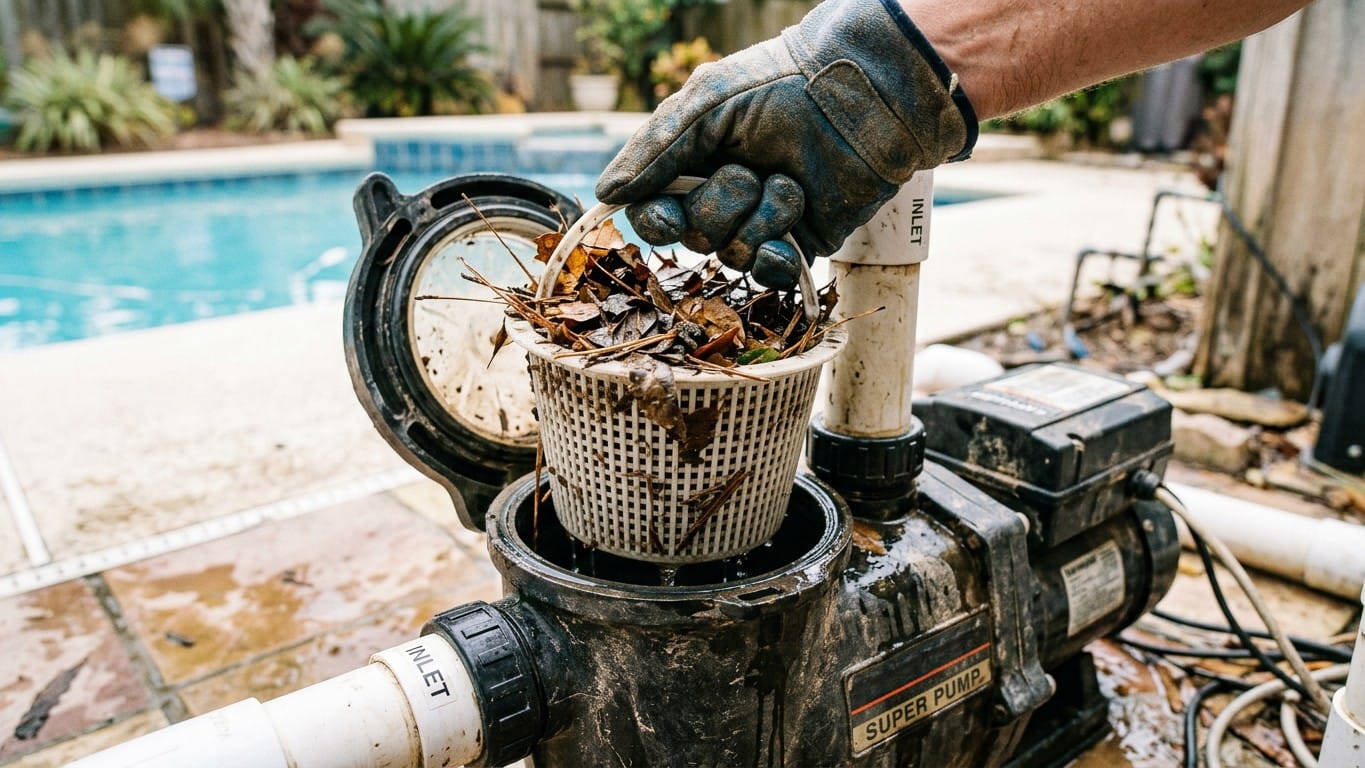
Inspect the Valves
Be sure that both your intake and return valves are fully open and there are no airlocks in the system. Partially blocked valves can cause the flow rate to drop, forcing the heater to bypass the heating cycle.
2. Check Thermostat and System Settings
Frequent problems with thermostats and digital sensors can trick the heater into thinking the water has already reached its desired temperature.
Target Temperature Requirements
If the sensor is working correctly, the problem might simply be the thermostat dial. The thermostat must be switched to ‘Heat’ mode and set to a temperature at least 3°C to 5°C (roughly 5°F) higher than the current temperature of the pool water to trigger the system to fire.
Verify "Pool" vs. "Spa" Modes
If you have a pool and spa combo, make sure the unit is not accidentally locked in “Spa” mode. If it is, your automated valves will send all the newly heated water directly to the hot tub, leaving your main pool freezing cold.
Pro Tip: Trap the Heat! In some cases, your heater is functioning perfectly, but the pool is losing heat to the cold environment faster than the heater can produce it. To prevent heat loss from wind and nighttime evaporation, always use a solar pool cover to trap the warmth in the water.
3. Diagnose by Pool Heater Type
If your water flow is strong and your settings are correct, it is time to look at the hardware.
Heat Pumps
Standard heat pumps do not generate their own heat; they extract ambient heat from the outside air. Because of this, they do not work effectively when the outside air drops below 10°C (50°F). If it is a cold day, your heat pump's fan will still spin, but it may go into a defrost cycle and temporarily stop heating the water. Ensure the unit is clear of overgrown bushes or debris to maximize airflow. For deeper diagnostics on these specific units, check our dedicated guide on electric pool heat pump troubleshooting.
Gas Heaters
If you have a gas heater that is only blowing cold water, check the physical gas supply valve to ensure it is fully open. Listen closely when the unit turns on—you should hear a clicking sound as the igniter tries to light. If you notice a strong smell of unburned gas, or if you look inside and see yellowish, sooty flames instead of crisp blue flames, immediately shut the heater off. Do not attempt to clean or replace gas burners yourself.
Electric Heaters
Look for the circuit breaker in your home's main electrical panel and check that the breaker hasn't tripped. Electric pool heaters consume large amounts of energy (often requiring a 240V dedicated line). If the breaker is faulty or undersized, the current will not be enough to heat effectively.
4. Look for Diagnostic Error Codes
Modern pool heaters feature digital displays that tell you exactly what is wrong. If your screen is flashing, check your manual for the specific code. For example, a “LO” or "FLO" code almost always means low water flow (directing you right back to Step 1). Codes for "high limit switches" indicate the unit overheated and may require a manual reset.
Preventing Heater Flow Issues Through Regular Cleaning
As we've established, the fastest way to shut down a pool heater is a dirty, clogged filter. When dead leaves, dirt, and debris are left to rest at the bottom of the pool, the main drain eventually sucks them straight into your filtration system.
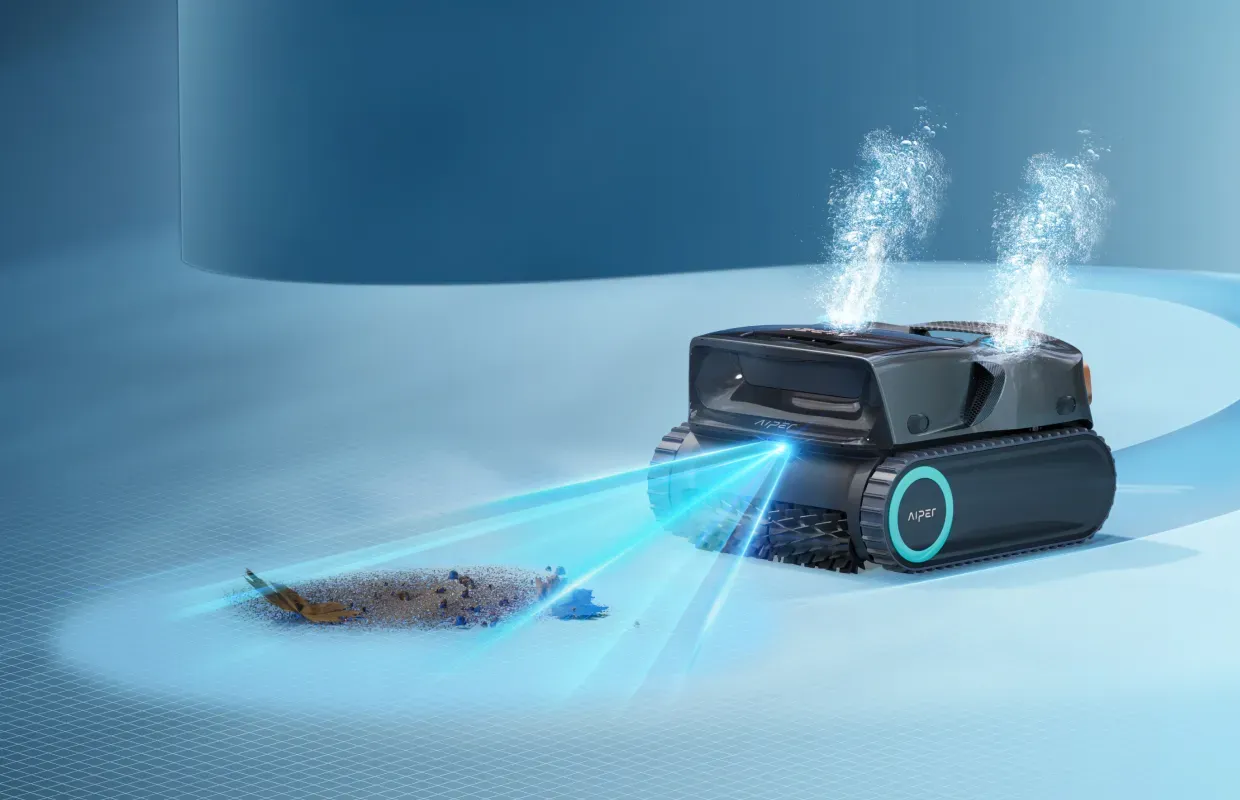
The easiest way to prevent heater flow issues is to keep that debris out of your filter in the first place. Rather than spending hours manually vacuuming, using a modern device like the Aiper Scuba X1 Pro Max or other smart robotic pool cleaners automates this defensive care. Because the robot scrubs the floor and captures debris in its own internal basket, it keeps your main pool filter spotless, ensuring your heater receives the smooth, uninterrupted water flow it needs to run flawlessly all season.
When Is It Time to Call a Professional?
If you have cleaned your filter, balanced your thermostat, and the heater still refuses to warm the water, you likely have a broken internal component. Stop your DIY troubleshooting and call a licensed pool technician if you notice any of the following:
- A strong smell of gas.
- Signs of burnt wiring or scorched electrical boards.
- A broken internal pressure switch that requires replacement.
- Heavy limescale and mineral buildup inside the copper heat exchanger tubes.
- Any leaks in a heat pump's refrigerant lines.
Frequently Asked Questions
How do I reset my pool heater?
Turn off the heater for a few minutes at the breaker, then turn it back on and check the water flow. If the high-limit switch tripped due to overheating, look for a small black or red reset button on the side or inside the heater panel. Press it firmly to clear the lockout.
How long does it take for a pool heater to heat the water?
This depends on your heater’s BTU rating, the pool's volume, and the ambient temperature. Generally, a properly sized gas heater can raise pool temperature by 1 to 2 degrees per hour, while an electric heat pump may take 24 to 72 hours to reach the target temperature.
Can a pool pump being too small affect the heater?
Yes. An undersized pool pump cannot push enough water through the heat exchanger to satisfy the heater's internal pressure switch. When the flow is too low, the heater will repeatedly trip off as a safety precaution. Additionally, if you are struggling with flow issues during the colder months, understanding how long to run your pool pump in winter is critical to prevent the system from freezing and to ensure proper heating cycles.