
How to Fix Acidic Soil: A Practical Guide for Australian Lawns and Gardens
Acidic soil can limit lawn and plant growth by locking away nutrients. Test your soil first, then use lime, compost, and better watering habits to gradually restore a healthier pH balance.

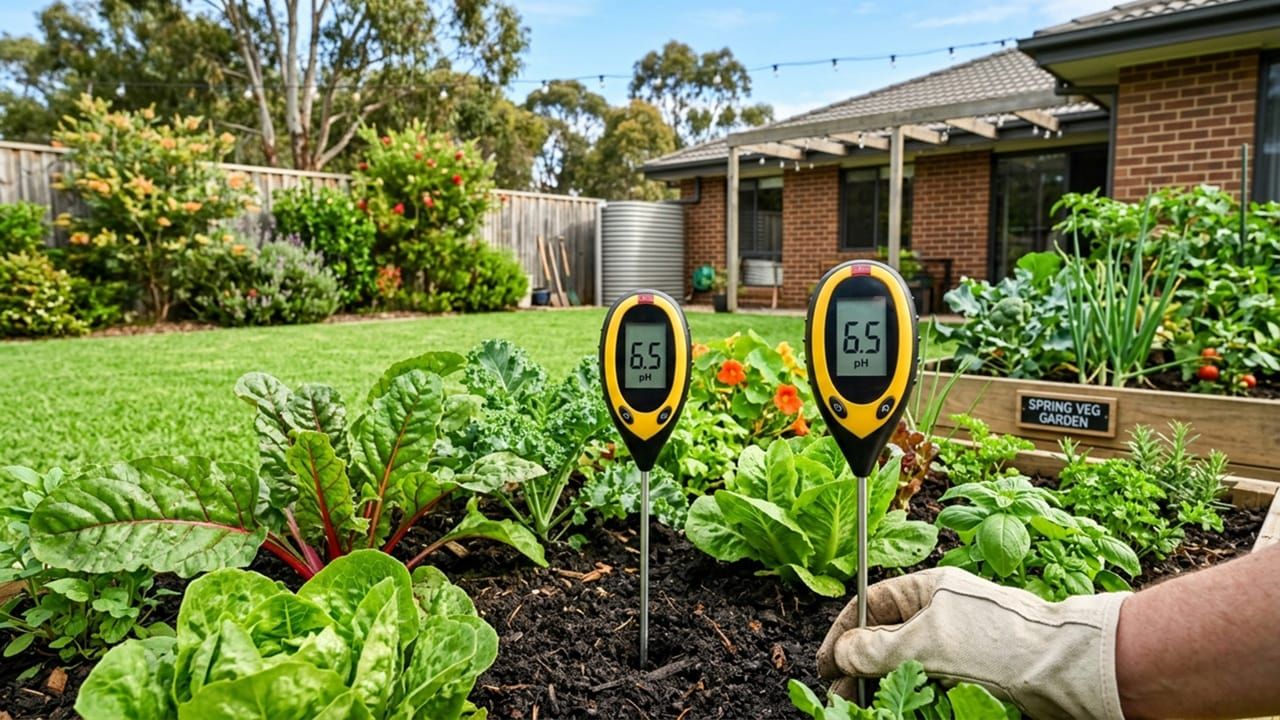
Acidic soil is one of those garden problems that often hides behind other symptoms. Your lawn may look pale even after fertilising. Plants may grow slowly. Moss or weeds may keep returning. In some areas, grass may thin out even though you are watering regularly.
When this happens, many homeowners assume they need more fertiliser, more water, or a different lawn care product. But if the soil pH is too low, plants may struggle to absorb nutrients properly no matter how much effort you put in.
The good news is that acidic soil can usually be improved with a clear, step-by-step approach. The key is to test first, choose the right soil amendment, and then maintain better long-term soil conditions. This guide explains how to fix acidic soil in Australian lawns and gardens without guessing.
What Is Acidic Soil?
Soil pH measures how acidic or alkaline your soil is. The scale runs from 0 to 14, with 7 considered neutral. A lower number means the soil is more acidic, while a higher number means it is more alkaline.
Most lawns, vegetables, and common garden plants prefer soil that is slightly acidic to neutral. However, not every plant wants the same conditions. Some plants, such as blueberries, camellias, azaleas, and certain Australian natives, can grow well in acidic soil.
The problem starts when the soil becomes too acidic for what you are trying to grow. When pH drops too low, nutrients such as nitrogen, phosphorus, calcium, and magnesium may become harder for roots to access. At the same time, some elements can become too available, which may stress plants further.
In simple terms, acidic soil does not always mean “bad soil”. It means the soil may not be matched to your lawn or garden plants.
Signs Your Soil May Be Too Acidic
You cannot confirm acidic soil by appearance alone, but there are several warning signs to watch for.
In lawns, acidic soil may cause pale or yellowing grass, slow growth, thinning patches, weak root development, and poor response to fertiliser. You may also notice moss or certain weeds becoming more common, especially in damp, shaded, or compacted areas.
In garden beds, plants may look weak even when they are watered and fed. Vegetables may grow slowly, flowering plants may bloom poorly, and leaves may show signs of nutrient stress.
However, these symptoms can also be caused by compacted soil, poor drainage, pests, disease, shade, or watering problems. That is why soil testing matters.
Step 1: Test Your Soil pH First
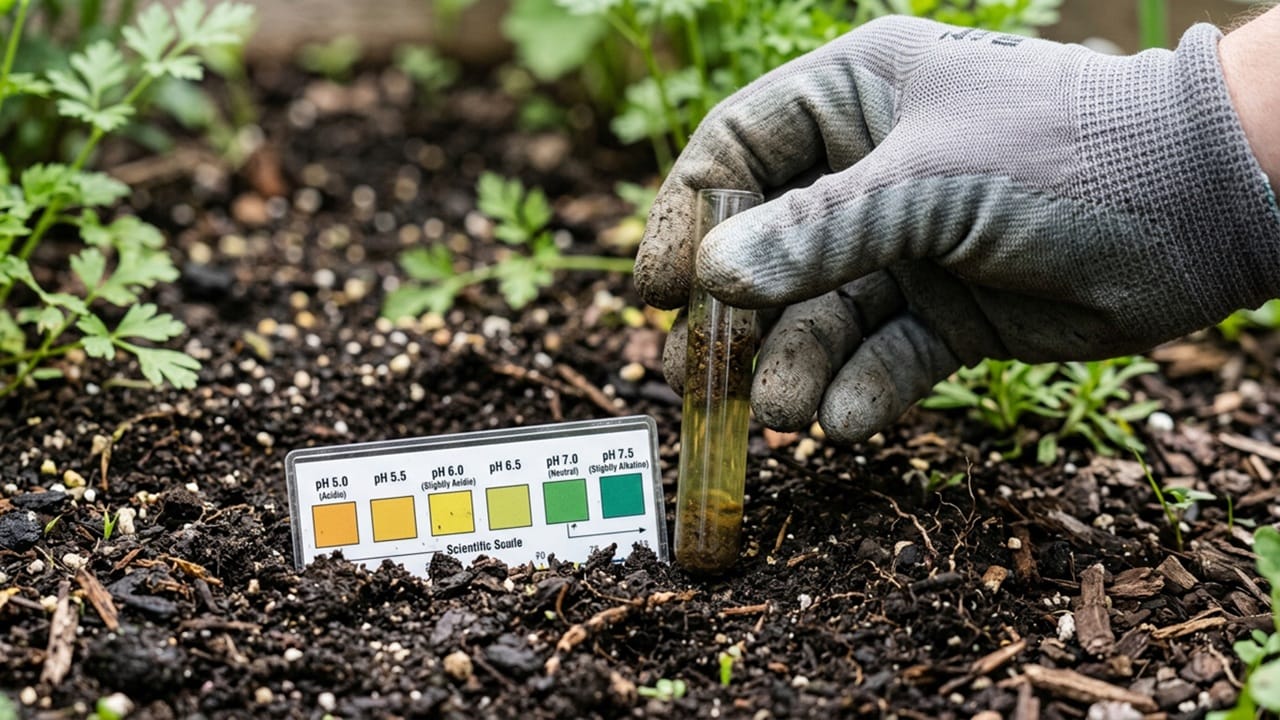
Before you throw any random amendments onto your land, testing your soil's exact pH level is the crucial first step. Think of it as getting a diagnosis before taking medicine.
The Golden pH Range
Most vegetables, flowers, and crops prefer a soil pH between 6.0 and 7.0 (slightly acidic to neutral). In this sweet spot, soil microbes are most active, and nutrients are highly bioavailable to plant roots. If your test results come back below 5.5, it’s time to take action.
How to Test at Home
You can easily pick up a portable pH tester or a simple test kit at your local garden centre. Collect a soil sample from about 4 to 6 inches (10–15 cm) below the surface, mix it with distilled water according to the kit's instructions, and record your baseline reading.
Step 2: Decide Whether You Need to Raise the pH
If your soil is only slightly acidic and your plants are growing well, you may not need to do much. A slightly acidic soil can be perfectly suitable for many gardens.
But if the pH is too low for your lawn or plants, you will need to raise it. This process is often described as “making soil less acidic” or “neutralising acidic soil”.
For lawns, the ideal range is usually slightly acidic to neutral. If the soil is too far below that range, grass may struggle to grow thick and healthy. Fertiliser may also become less effective because the roots cannot access nutrients efficiently.
For garden beds, check the needs of your plants before changing the soil. Acid-loving plants should not be treated the same way as vegetables, turf, or general ornamentals.
Step 3: Use Lime to Fix Acidic Soil
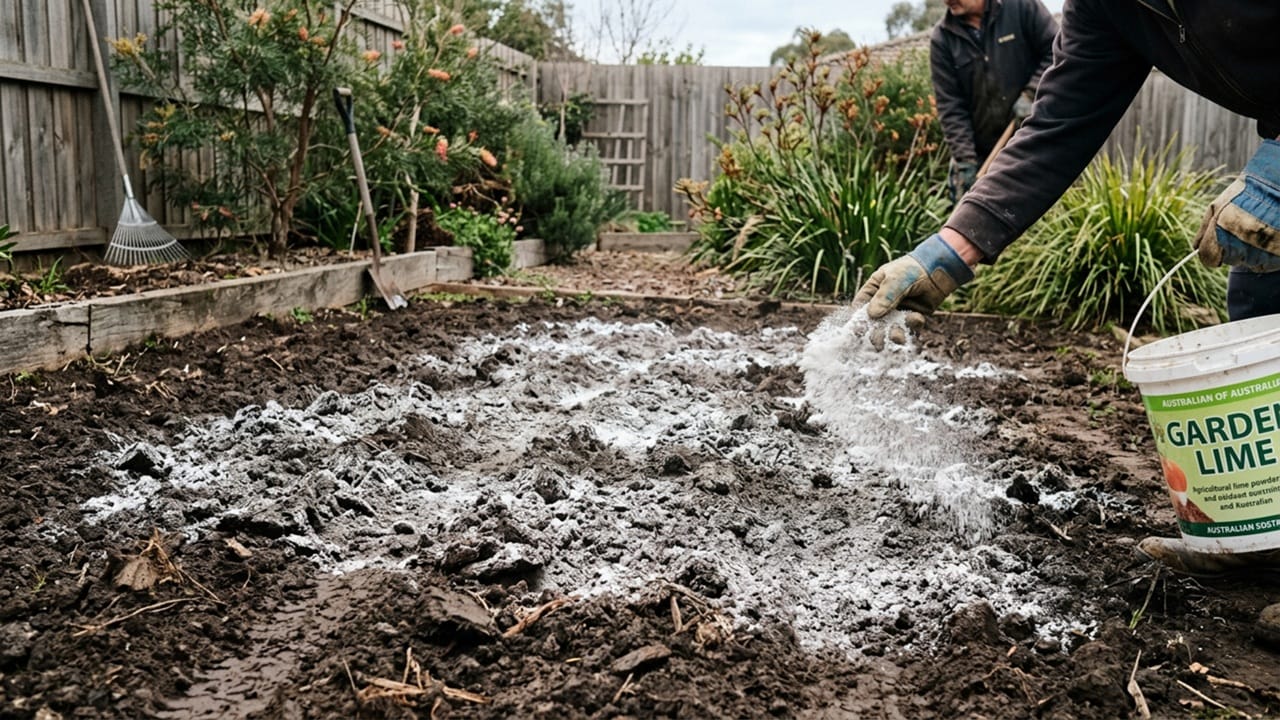
If you need to treat a large vegetable patch, an entire backyard, or a lawn, applying agricultural lime is the most standard, cost-effective, and powerful method.
Calcitic Lime vs. Dolomitic Lime
- Calcitic Lime (Agricultural Limestone): Primarily made of calcium carbonate. It raises your soil's pH while supplying a heavy dose of calcium, making it perfect for soil that isn't deficient in magnesium.
- Dolomitic Lime: Contains both calcium carbonate and magnesium carbonate. If your soil test shows that your ground is both highly acidic and lacking magnesium, this is your go-to choice.
When is the Best Time to Apply?
Limestone alters soil chemistry slowly, usually taking 2 to 3 months to show a noticeable shift in pH. Because of this, autumn or winter during tilling is the absolute best time to apply it. This gives the lime plenty of time to react with the soil through winter rainfall and cooler conditions, ensuring your soil is perfectly balanced by spring planting.
Step 4: Water It In and Give It Time
Lime does not fix acidic soil overnight. It needs moisture to react in the soil, and the pH change happens gradually. After applying lime or dolomite, water the area well so the material can start moving into the soil profile.
This is where consistent watering matters. Uneven watering can leave some sections dry, some oversaturated, and some still struggling. After pH correction, the goal is not to flood the lawn. It is to help the soil stay evenly moist enough for root recovery and microbial activity.
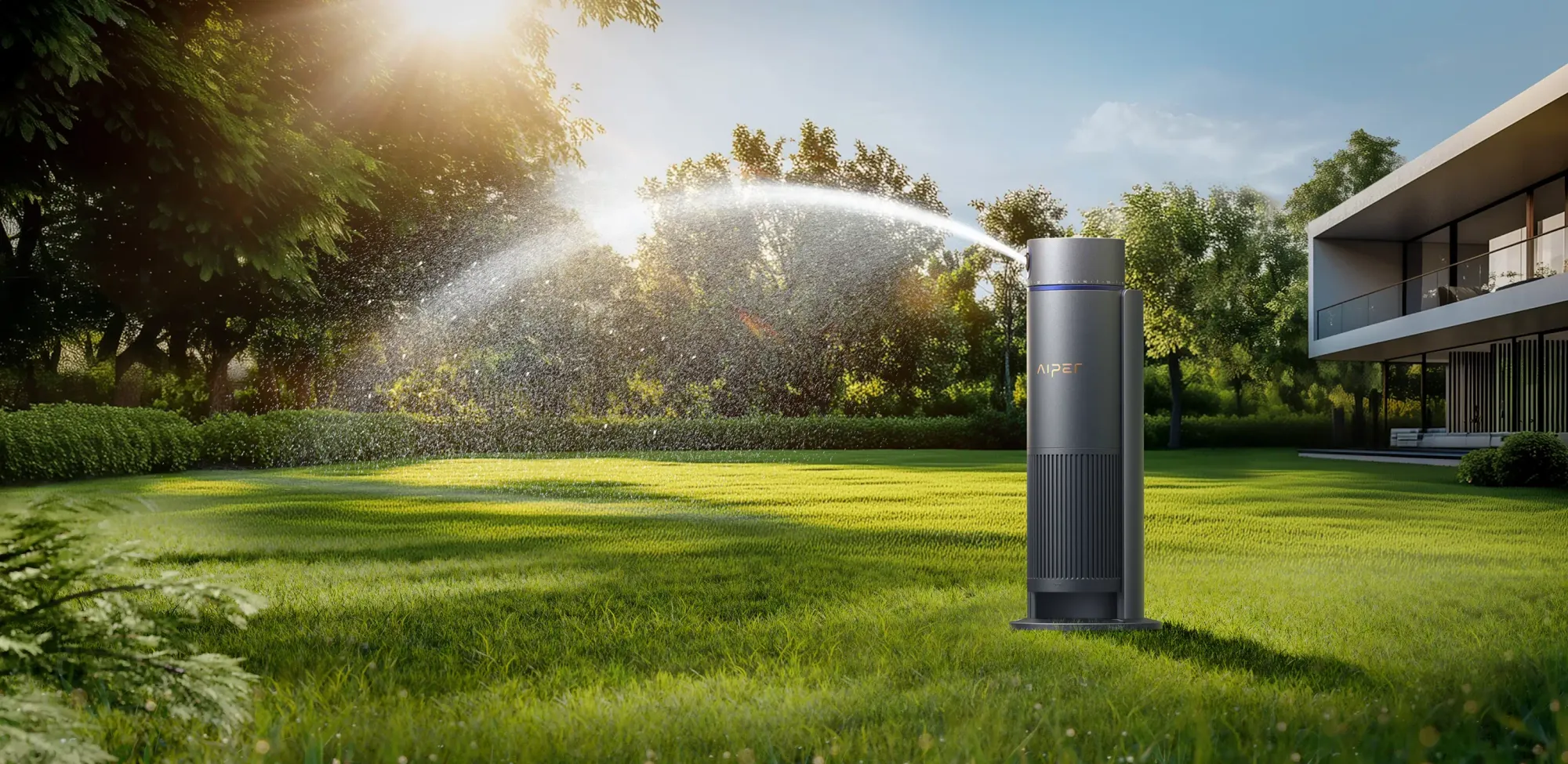
For homeowners who want a more controlled watering routine, a smart irrigation system such as Aiper IrriSense 2 can help manage the aftercare stage. IrriSense 2 supports precision mapping, up to 10 customisable irrigation zones, weather-based schedule adjustments, and real-time water tracking in the app. It is designed to target water only where it is needed and can help reduce overwatering.
Step 5: Improve the Soil Naturally Over Time
If you are searching for how to fix acidic soil naturally, compost is usually the safest long-term support. Compost may not raise pH as quickly or predictably as lime, but it improves soil structure, supports microbial life, and helps lawns and garden beds become more resilient.
Add well-rotted compost or organic matter to garden beds before planting. For lawns, a light top dressing can help improve soil structure over time. Avoid dumping thick layers on grass, as this can smother it.
Wood ash is sometimes suggested as a natural way to make soil less acidic. It can raise pH, but it is strong, inconsistent, and easy to overapply. Only use ash from untreated wood, apply it sparingly, and test your soil first. Eggshells and shell grit contain calcium carbonate, but they break down slowly and are better seen as a minor long-term addition than a quick fix.
What Not to Use on Acidic Soil
Some online hacks are not suitable for fixing acidic soil.
Do not use vinegar. Vinegar makes soil more acidic, not less acidic. It may be useful in some weed-control discussions, but it is not a solution for raising soil pH.
Baking soda is also not a good garden fix. It may temporarily change pH in a small area, but it can add sodium to the soil and harm plants.
You should also avoid adding lime and fertiliser at the same time unless the product instructions specifically allow it. In many cases, it is better to correct pH first, give the soil time to respond, and then return to a normal feeding routine.
Conclusion
The best way to fix acidic soil is to test first, then act carefully. If your pH is too low for your lawn or garden, lime or dolomite can help raise it. After that, consistent watering, organic matter, and good soil maintenance will support stronger long-term growth.
For Australian lawns, the goal is not just to change a number on a pH test. It is to create soil conditions where grass and plants can absorb nutrients, develop healthy roots, and recover from stress. With the right amendment and a smarter care routine, acidic soil can be managed effectively.
FAQs for Fixing Acidic Soil
What is the fastest way to fix acidic soil?
The fastest practical method is usually applying the right amount of lime or dolomite based on a soil pH test. However, it still takes time to work. You should not expect instant results.
Can I fix acidic soil without lime?
You can improve soil health with compost and organic matter, but lime is usually the most predictable way to raise soil pH. Natural options may help over time, but they are slower and less precise.
How do I know if my lawn soil is too acidic?
Common signs include yellowing grass, slow growth, thinning patches, moss, weeds, and poor response to fertiliser. However, these symptoms can have other causes, so a soil pH test is the best way to confirm the problem.
Is acidic soil bad for all plants?
No. Some plants prefer acidic soil. Before raising pH, check what your plants need. Acid-loving plants such as blueberries, azaleas, camellias, and some native plants may not need correction.
How often should I test my soil pH?
For most home lawns and gardens, testing every year or two is enough. If you are correcting a serious pH issue, test again after the lime has had time to work.