
How to Get Rid of Grubs in Grass: A Simple Lawn Control Guide
Test for active lawn grubs by peeling back spongy turf, then target the infestation and its green borders with the right treatment to restore your soil's health.

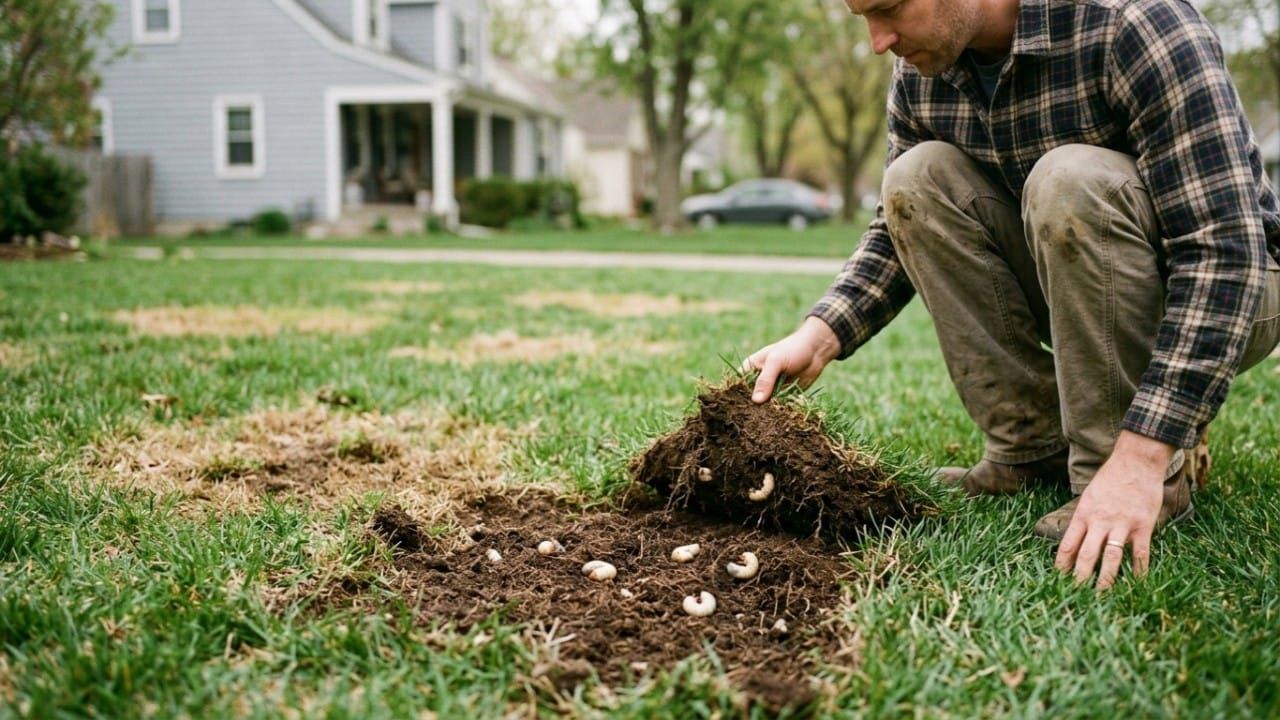
Brown patches, thinning grass, and turf that lifts easily from the soil can all point to lawn grub damage. These pests feed below the surface, so the problem may go unnoticed until the grass starts feeling soft and spongy or begins peeling back like a loose carpet.
Lawn grubs are the larval stage of certain beetles and feed on grass roots. As the root system weakens, the lawn becomes less able to absorb water and withstand warm, dry conditions. Increased bird activity or small holes across the lawn may also indicate that animals are searching for grubs beneath the surface.
However, a few grubs do not always mean the entire lawn needs treatment. The first step is to confirm an active infestation and assess the extent of the damage. This guide explains how to get rid of grubs in grass, choose an appropriate control method, repair affected areas, and reduce the risk of future damage in Australian lawns.
Quick Answer: How to Control Grubs in Grass
Controlling grubs in grass requires treating the damaged area together with an adjacent strip, preferably in the evenings when grubs are most active. Small patches with visible grubs may be removed manually. Biological treatment can be considered for moderate infestation, while the rapid spreading requires a registered lawn grub treatment. Water, mow, and feed your lawn appropriately after treating.
Here are the five steps to fix the grub-infested lawn.
- Treat the affected area and the nearby lawn.
- Choose a control method based on damage level.
- Apply treatment at the right time.
- Water or repeat treatment only as directed.
- Repair and monitor the lawn.
Step 1: Treat the Affected Area and Surrounding Lawn
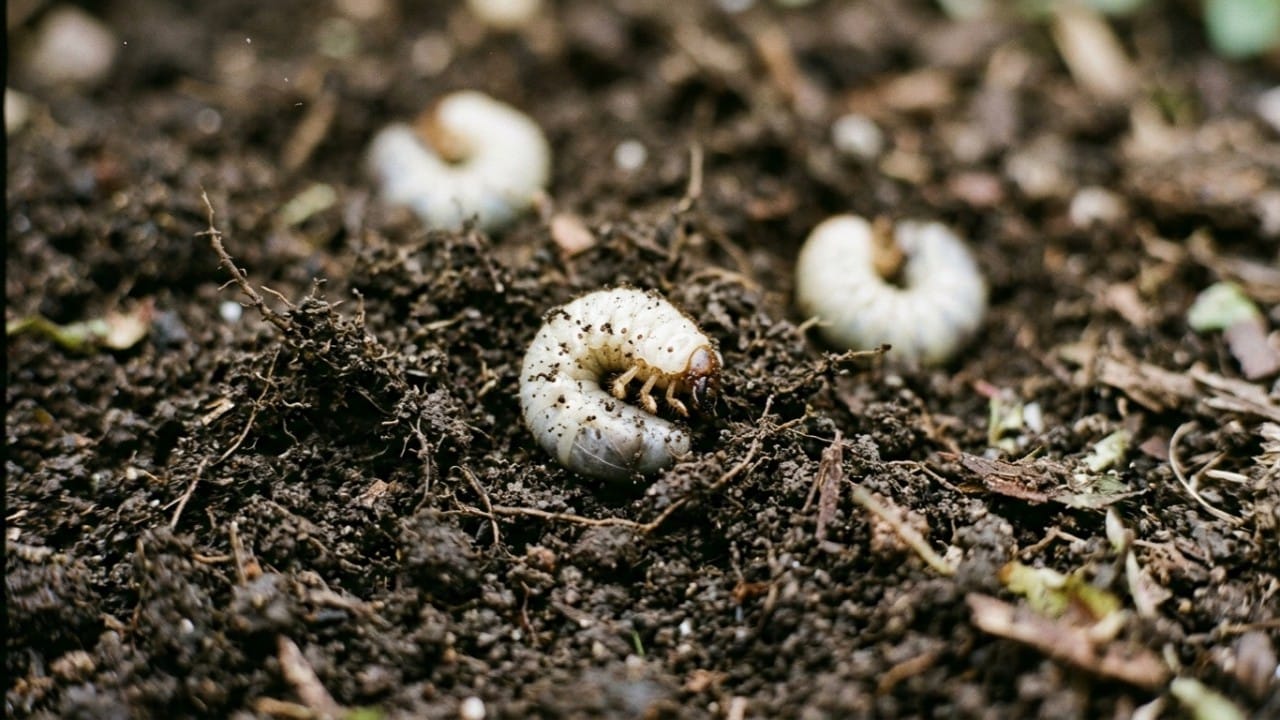
First, you should confirm that the problem is indeed caused by grubs. Cut a square of turf, 1 foot x 1 foot and about 2-3 inches deep in an affected area. This needs to have at least 5-10 grubs per square foot to make treatment necessary.
Usually, grubs spread outwards from the affected area. This means that treating just the dead centre of the affected area might not work. Note the early signs, such as thinning and lumpy turf that peel easily, along with brown patches of dead grass.
You need to treat the green patch bordering the affected area, too, to stop the grubs before they continue moving into healthy grass. But do not treat the unaffected areas excessively unless there is a widespread problem. Healthy turf containing just a couple of grubs does not require any insecticides.
Step 2: Choose the Right Grub Control Method
The right method depends on the severity of the grub invasion.
For Small Patches: Remove Visible Grubs
For small areas where grubs are visible and easily reachable, manually removing grubs can help. Using garden rakes, loosen up the dead turf and break up the top layer of soil. Manually remove grubs. Then dispose of them far away from the lawn.
Sprinkle some quality seeds onto the loosened soil. Tamp the turf back in place and water gently until new grass grows. All you need to do is to simply overseed and topdress the lawn to revive it.
This method can only be effective for small infestations or at an early stage.
For Mild to Moderate Damage: Use Natural or Biological Control
Moderate grub numbers are not a good enough reason to resort to curative insecticides. You can use natural alternatives such as beneficial nematodes, neem-based lawn products, and preventive lawn grub care.
Biological grub control products, such as nematodes, are usually safer for beneficial insects and tend to work more effectively when soil moisture levels and timing are ideal. They are applied in the millions in the early morning or late evening, along with watering, to reduce grub damage. The soil is then kept moist for 2 weeks, and results take 2-4 weeks to show up.
It is important to consider that not all biological control can kill all kinds of grubs. For example, milky spore works only on Japanese beetle grubs as a preventative measure and takes too long to use against fast-moving grubs.
For Fast-Spreading Damage: Use a Registered Lawn Grub Treatment
If the big dead spots are spreading and turf is easily pulling up, then a registered lawn grub control will be the most effective method. Adhere to the instructed rate of application and watering on the label. Restrict access from pets and children during the indicated label time.
Step 3: Apply Treatment at the Right Time
Lawn grubs can be more prevalent in some areas of Australia between spring and autumn. However, what is more important here is the damage and activity of these pests, not the season.
Apply treatment while there is damage, not several weeks after the lawn has already been killed by grubs. Preventative treatment with chlorantraniliprole/ imidacloprid is done before egg hatching in the early summer, and curative treatment, such as trichlorfon/carbaryl, is done for the active grubs directly.
Treatment is generally done in the evenings when many grubs become most active. Avoid doing the treatment in very hot or mid-day sunlight conditions. Do not mow just before or after the treatment unless it is permitted by the manufacturer's instructions.
Use the right amount and do not exceed the legally listed rate on the label for both preventive and curative chemicals.
Step 4: Water the Lawn Correctly After Treatment
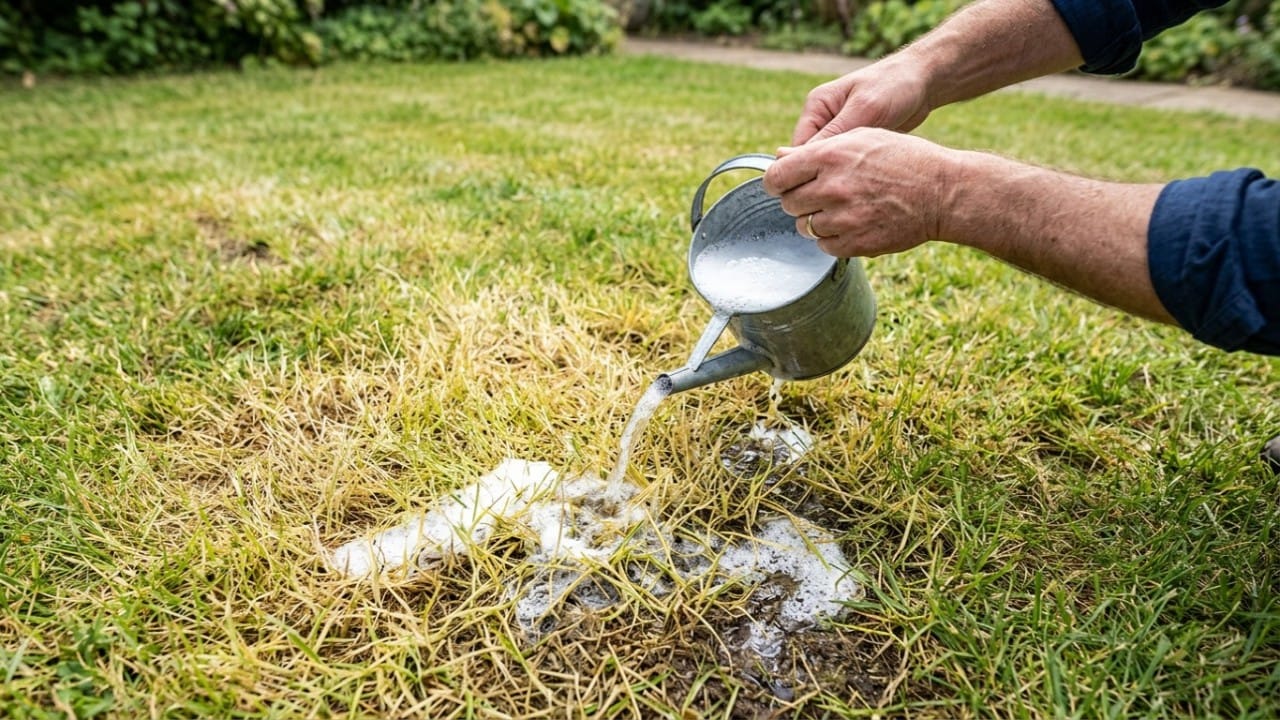
Watering right after the treatment allows the chemicals to penetrate the root zone. But the amount depends on the method and instructions given on the label. Some treatments require watering, while others need to remain on the grass blades. Natural or biological treatment needs the soil to be moist.
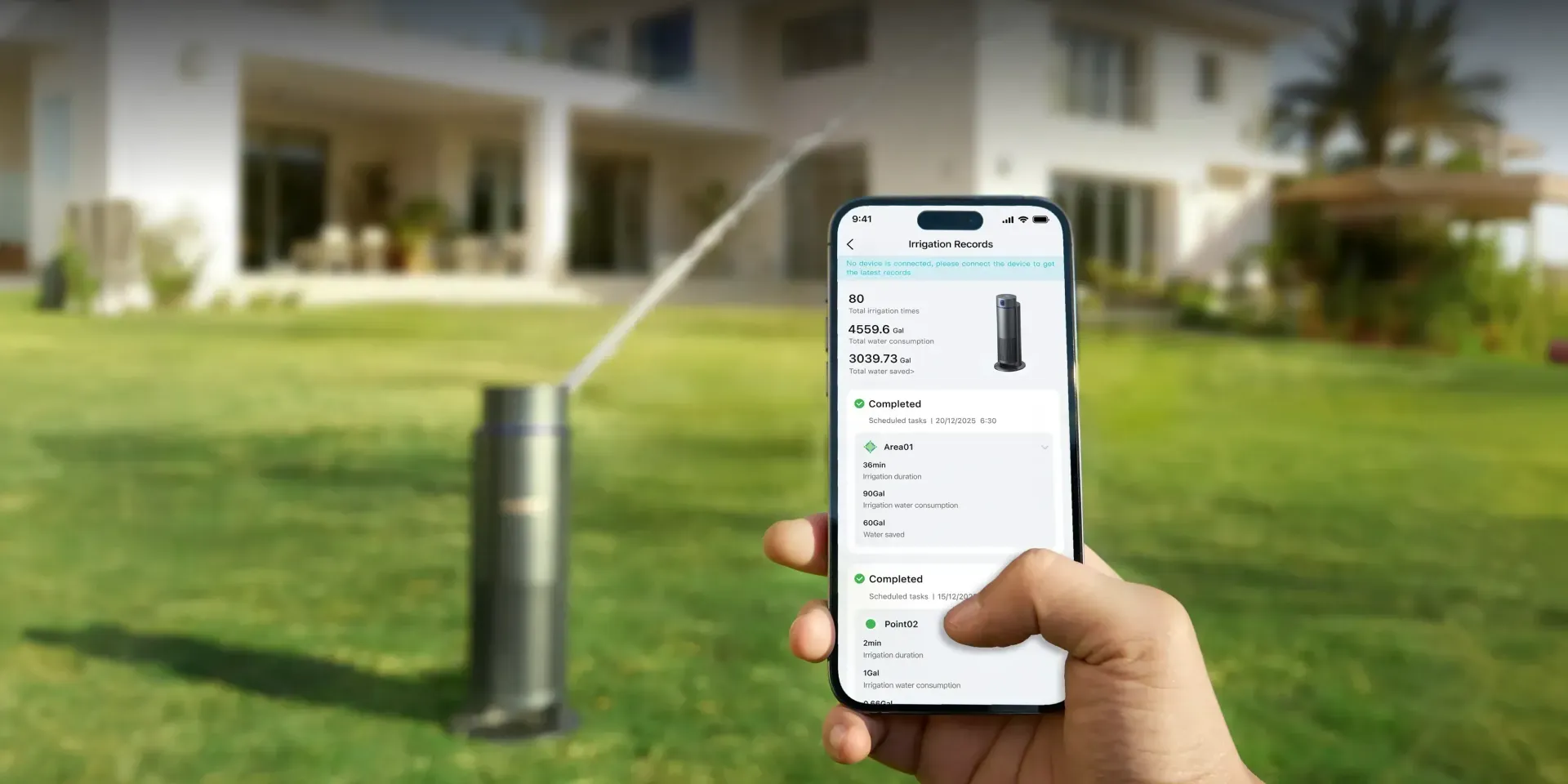
Once the required treatment period has passed, return to a deeper and less frequent watering routine. For easier control, the Aiper IrriSense 2 lets you schedule watering through the app, manage different lawn zones, and adjust irrigation according to local weather conditions. This can help recovering areas receive consistent moisture without unnecessarily watering healthy parts of the lawn. Always follow the grub treatment label before changing the watering schedule, as excess moisture can place additional stress on damaged grass.
Step 5: Help the Grass Recover
Once you've managed the grubs, the dead grass should be removed, not just scalped. Cut the grass a little higher than usual and limit the foot traffic. Fill in any spots with seed, runners, or sods where the root system was badly damaged.
Fertilise the grass only during the active growth period, and be aware of weed invasion. You shouldn't use nitrogen-rich fertilisers until the grass is already established and mowed a couple of times.
The existing grass could possibly recover on its own if it wasn't heavily damaged, but bare or dead patches would require repair. For immediate results, you can try patch repairs.
How to Prevent Grubs from Coming Back
Though you will be unable to prevent all lawn grub attacks, you can still minimise their impact. Killing the grubs is not sufficient to revive the dead turf. You need to follow the suggestions below and reduce the risk of extensive lawn repairs.
- Maintain lawn health through proper mowing and watering.
- Look out for early signs such as brown spots or increased birds/moths activity at dusk.
- Prioritise applying a curative grub killer to prevent future spreading.
- Dethatch and aerate the dead area and overseed with fast-growing grass.
- Do not over-fertilise or use too much nitrogen.
- Sod the extremely damaged areas.
FAQ
What Is the Fastest Way to Get Rid of Grubs in Grass?
The quickest way to eliminate grubs on your lawn would be through the use of a registered lawn grub control product. Treat in the evening and follow the label instructions.
Can I Get Rid of Grubs Naturally?
There are some natural ways you can try to eliminate a small number of grubs, including the use of neem-based products, nematodes, or manual removal.
Should I Treat the Whole Lawn for Grubs?
This is not always necessary. If you notice that the damage is limited to certain parts of the lawn, only those areas and the surrounding margin will need treatment. Treat the whole lawn if damage is spreading.
Will Grass Grow Back After Grub Damage?
Mildly damaged grass will recover after the grubs are treated. Severely damaged areas might require reseeding, runners, topdressing or new grass.
Conclusion
To fix the grub-infested lawn, target both the infected area and the surrounding lawn with the right treatment at the right time. Take care of the lawn until the new grass grows.
It is important to understand that no natural or chemical grub control will get rid of all the grubs! A well-managed lawn with early preventive action is the key to a grub-free lawn. Use preventive measures during summer every year, mow regularly and keep the lawn fertilised to enhance its tolerance for grubs.