
How to Dispose of Salt Cell Cleaner Safely in Australia
Salt cell cleaner waste needs careful handling to protect your plumbing, lawn and waterways. Neutralise used solution properly, avoid stormwater drains, and use Australian hazardous waste services for unwanted chemicals.

You have just finished performing your routine seasonal pool maintenance, and you are now staring at a plastic bucket filled with a murky, corrosive acid wastewater mixture. This scenario is incredibly common for pool owners across the country. While your pool equipment looks much better, handling the toxic liquid left behind can cause a lot of worry.
Many homeowners feel anxious about accidentally damaging their household plumbing, killing their lawn, or facing massive environmental fines for improper chemical management. It is easy to see why people get stressed when dealing with these chemicals at home.
Fortunately, learning how to dispose of salt cell cleaner does not require a degree in chemistry or complex laboratory mathematics. This straightforward guide will show you a simple, legal, and safe method to handle your leftover wastewater while keeping your home and the local environment perfectly protected.
Maintaining your pool equipment is vital for clean water, and knowing the right steps for cleaning your pool's salt chlorinator cell is only half the battle. The job is not truly complete until you have safely managed the chemical leftovers sitting in your work area.
What Is Salt Cell Cleaner and Why Disposal Matters
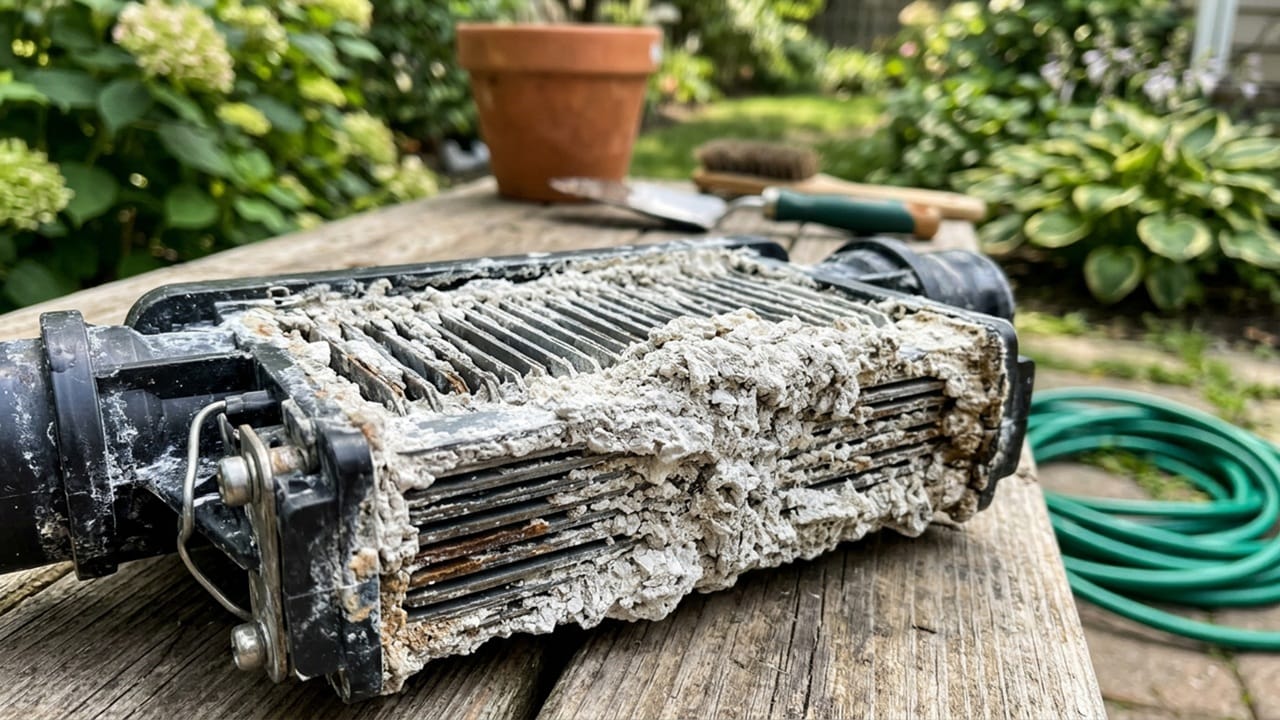
Salt cell cleaner is a specially formulated chemical descaler designed to dissolve tough mineral buildup. In a salt water pool and a traditional chlorine pool, the fundamental differences in water chemistry change how you manage your sanitiser. A salt chlorinator generates chlorine right in the plumbing line, but this process naturally creates a high pH environment inside the chlorinator cell, causing calcium scale to form over the metallic plates.
To remove this hard crust, Australians typically use three types of cleaners: hydrochloric acid, phosphoric acid blends, or milder organic acid blends. Regardless of the specific blend you choose, these liquids remain highly corrosive and dangerous goods until they are treated. Dumping untreated acid into the environment can cause severe soil degradation, erode concrete pathways, and eat through residential copper or PVC plumbing pipes within minutes.
What Type of Salt Cell Cleaner Are You Disposing Of?
| Cleaner type | Common examples | Disposal considerations |
|---|---|---|
| Hydrochloric acid | Pool acid | Highly corrosive |
| Phosphoric acid blends | Salt cell cleaners | Follow SDS instructions |
| Organic acid cleaners | Eco alternatives | Check product label |
Can You Safely Dispose of Salt Cell Cleaner at Home?
Whether you can handle this task in your own backyard depends entirely on whether you are managing raw, concentrated chemicals or diluted wastewater that has already been used on your equipment.
Unused or Concentrated Cleaner
Unused or concentrated chemical cleaner must never go down any household drain, toilet, or garden bed. Raw acid is far too concentrated for residential systems to handle safely. If you have an old bottle of cleaner that you no longer need, or if you mixed a fresh batch that was never used, you must store it safely in its original container and take it directly to a certified local hazardous waste facility.
Used and Diluted Wastewater
The leftover bucket of diluted wastewater can go down an indoor sewer drain, but only after it has been fully neutralized first. Once the active acid has reacted with the calcium scale on your chlorinator plates, it is weaker than raw acid, but it is still far too acidic for your household plumbing. Neutralizing the solution raises the pH to a safe level, turning the corrosive acid into a harmless saltwater mixture that indoor sewer systems can easily process.
Common Disposal Mistakes
One of the most destructive mistakes a pool owner can make is tipping a bucket of acidic waste directly onto the lawn or into garden beds. This completely destroys the soil biology, alters the earth's pH permanently, and kills your grass and plants from the roots up. Storing the waste liquid in glass jars or thin plastic takeaway containers is also highly dangerous, as glass can shatter from pressure and thin plastics will eventually dissolve, causing toxic leaks.
Additionally, you must never pour pool chemicals into street grates, gutters, or open channels. Following the official Australian stormwater pollution prevention guidelines is crucial because anything that enters a street drain flows directly into local creeks, rivers, and oceans without being filtered, which instantly harms native aquatic life.
How to Neutralize Salt Cell Cleaner Safely (Step-by-Step)
Neutralizing your leftover pool acid is an operational process that requires patience and care rather than exact scientific measurements. You do not need to worry about precise chemical weights or complex formulas to get this right.
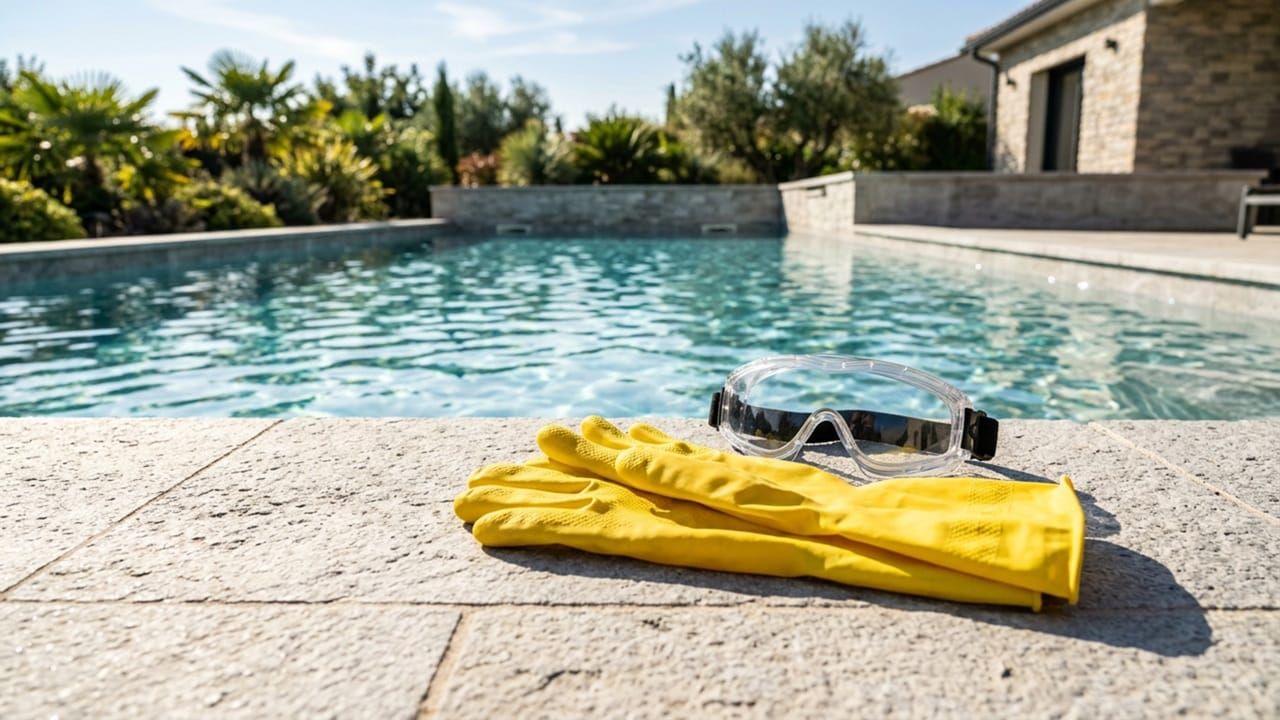
- First, put on your protective gear, including heavy-duty rubber gloves, safety goggles, and old clothing that covers your skin. Always set up your workspace outdoors in a wide open, well-ventilated area to avoid breathing in any rising fumes.
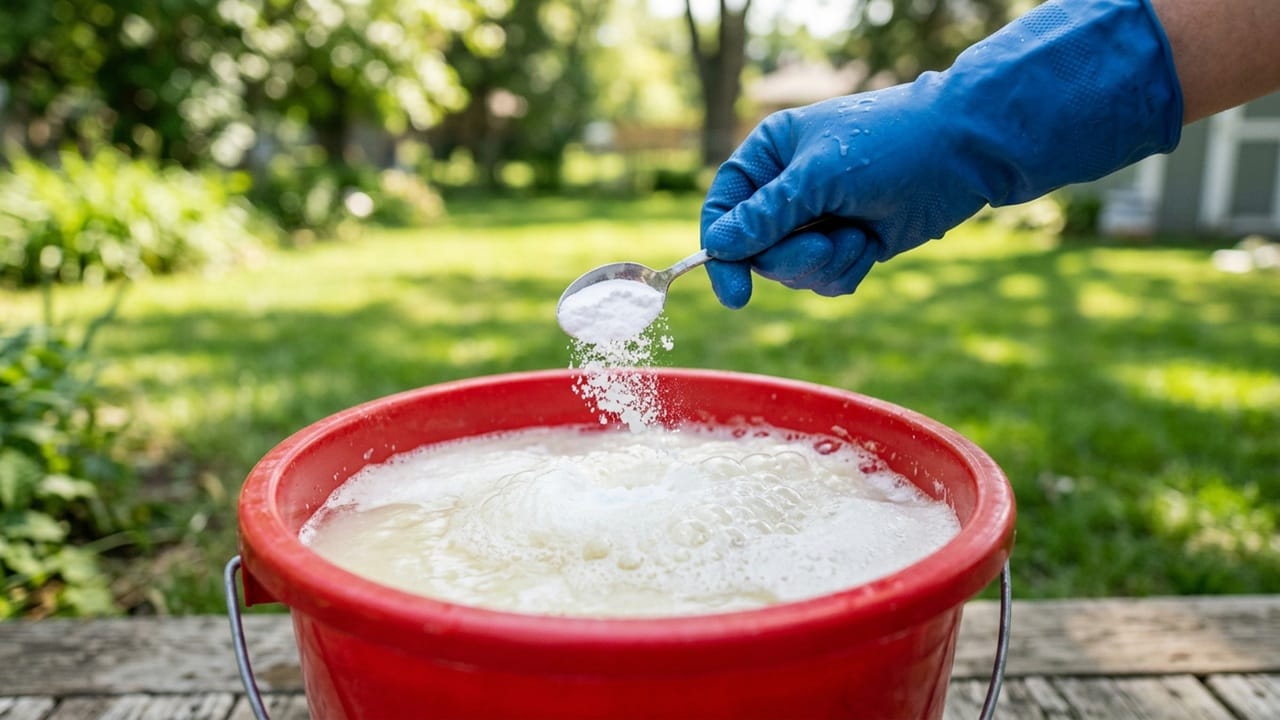
- Next, grab a container of standard household baking soda. You must always add the dry baking soda gradually to the liquid container. Never pour water into raw acid, as this can cause the liquid to superheat and splash violently out of the bucket.
- As you add the baking soda, a visible chemical reaction will occur. The liquid will begin to fizz, bubble, and foam up. This reaction means the alkaline baking soda is actively destroying the acid. Wait for the bubbling to subside completely before you add another small handful of baking soda.
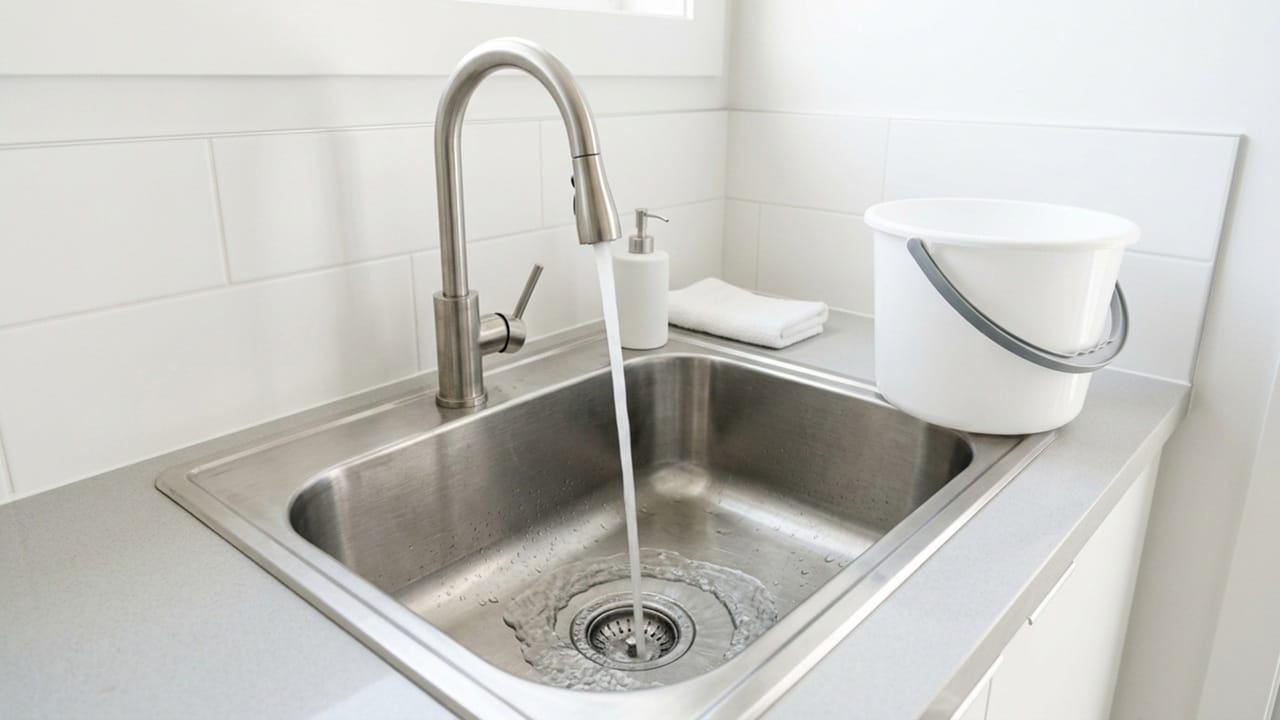
- Add baking soda gradually and avoid adding large amounts at once. For stronger acids or unknown concentrations, using a hazardous waste collection service is the safest option. When the reaction has stopped, test the pH if possible before disposal. The solution should be within a safe range recommended by your local wastewater authority.It is now completely safe to pour the liquid down an indoor sink or laundry trough, followed by flushing the drain with plenty of running tap water to clear the lines.
Australia Rules You Must Know: Stormwater vs. Sewer
Understanding where your household wastewater goes is the key to staying compliant with local laws. There is a massive legal and structural difference between the stormwater system and the municipal sewer system. Stormwater drains are designed solely for rainwater, and tipping chemicals into them is a serious environmental offence. The indoor plumbing system connects directly to the municipal sewer, which routes water to an advanced treatment plant capable of handling neutralized residential waste.
However, if your property relies on a private septic tank system rather than a town sewer connection, you cannot pour neutralized salt water down your indoor drains. The high concentration of salt can kill off the healthy anaerobic bacteria that your septic tank needs to break down solids, causing your entire system to fail. Septic system owners must bypass the household drain entirely and utilise community drop-off facilities instead.
For those connected to municipal lines, checking Sydney Water's residential and commercial waste disposal standards generally require discharged wastewater to meet safe pH limits before entering sewer systems.
Where to Dispose of Salt Cell Cleaner in Australia
When you are dealing with unused chemical concentrates or if you live on a property with a septic system, you need to use free government hazardous waste collection services. Every Australian state provides dedicated programs to help residents clear out household chemicals safely.
- Victoria: Use the Sustainability Victoria Detox Your Home program, which sets up mobile collection points across the state.
- Queensland: Check with your local city council, as most municipalities run dedicated weekend drop-off days at regional waste transfer stations.
- Western Australia: Take your leftovers to a designated permanent facility operating under the Household Hazardous Waste program.
- South Australia: Utilise the permanent hazardous waste depot operated by the green industries department or local council collection events.
- New South Wales: Residents can take advantage of the NSW EPA Household Chemical CleanOut program to get rid of unwanted pool acids completely free of charge.
Should You Pour It Back Into the Pool?
You will often find conflicting advice on internet forums suggesting that you should tip your used cell cleaner directly back into the swimming pool to lower your overall pH. While it is true that fresh acid lowers pool pH, pouring used cleaner back into the water is generally a bad idea.
The liquid in your bucket is saturated with dissolved calcium that was just scrubbed off your chlorinator plates. Tipping that liquid back into your pool water reintroduces that exact same calcium back into the ecosystem. If your pool water already has a high calcium hardness level, this sudden influx will cause immediate cloudiness and rapid scale formation right back onto the equipment you just spent time cleaning.
How Water Chemistry Affects Your Pool Equipment
Looking at the bigger picture, heavy mineral buildup on your chlorinator is usually a symptom of unbalanced water chemistry. High pH levels, elevated water temperatures, and elevated calcium hardness work together to accelerate scaling. By keeping your water chemistry balanced every week, you can drastically reduce how often you need to perform aggressive acid washes on your equipment.
Preventing scale buildup does more than just save your chlorinator plates. Heavy calcium scales floating in the water can also ruin the tracks, brushes, and internal sensors of your smart robotic pool cleaner, leading to poor navigation and mechanical wear. Understanding how long to run your salt chlorinator in winter helps you adjust your pool habits seasonally, keeping your water clean while stopping excess scale from building up when the pool is not in use.
Key Takeaways (Do’s and Don’ts)
| Do | Don't |
|---|---|
| Neutralize all used cleaners with baking soda until the bubbling stops before using indoor drains. | Pour any pool chemicals down street gutters, stormwater grates, or onto your garden. |
| Wear safety goggles and thick gloves while working in an open outdoor area. | Store acidic wastewater in fragile glass jars or thin plastic containers. |
| Use state-run hazardous waste collection points for raw, concentrated chemical disposal. | Tip the cleaner back into the pool water if you want to avoid instant scaling issues. |
FAQs
Can you pour salt cell cleaner down the drain?
You can only pour salt cell cleaner down an indoor household drain if the liquid has been fully neutralized first. You must never pour raw, un-neutralized acid down any household pipe or outdoor drain.
How do you neutralize muriatic acid?
You neutralize muriatic acid by slowly adding dry baking soda into the liquid mixture. Keep adding small amounts gradually until the bubbling and fizzing action stops completely.
Is salt cell cleaner hazardous waste?
Yes, when it is concentrated or un-neutralized, it is legally classified as a corrosive dangerous good. It requires careful handling, neutralization, or professional disposal through a state waste program to protect your community.