
How to Keep Your Pool Cover From Sagging (and How to Fix It)
Pool cover sagging is mainly caused by accumulated rainwater and debris; use submersible pumps to drain water immediately, add air pillows for above-ground pools and adjust strap tension for in-ground pools, and maintain proper pool water level to avoid cover damage.

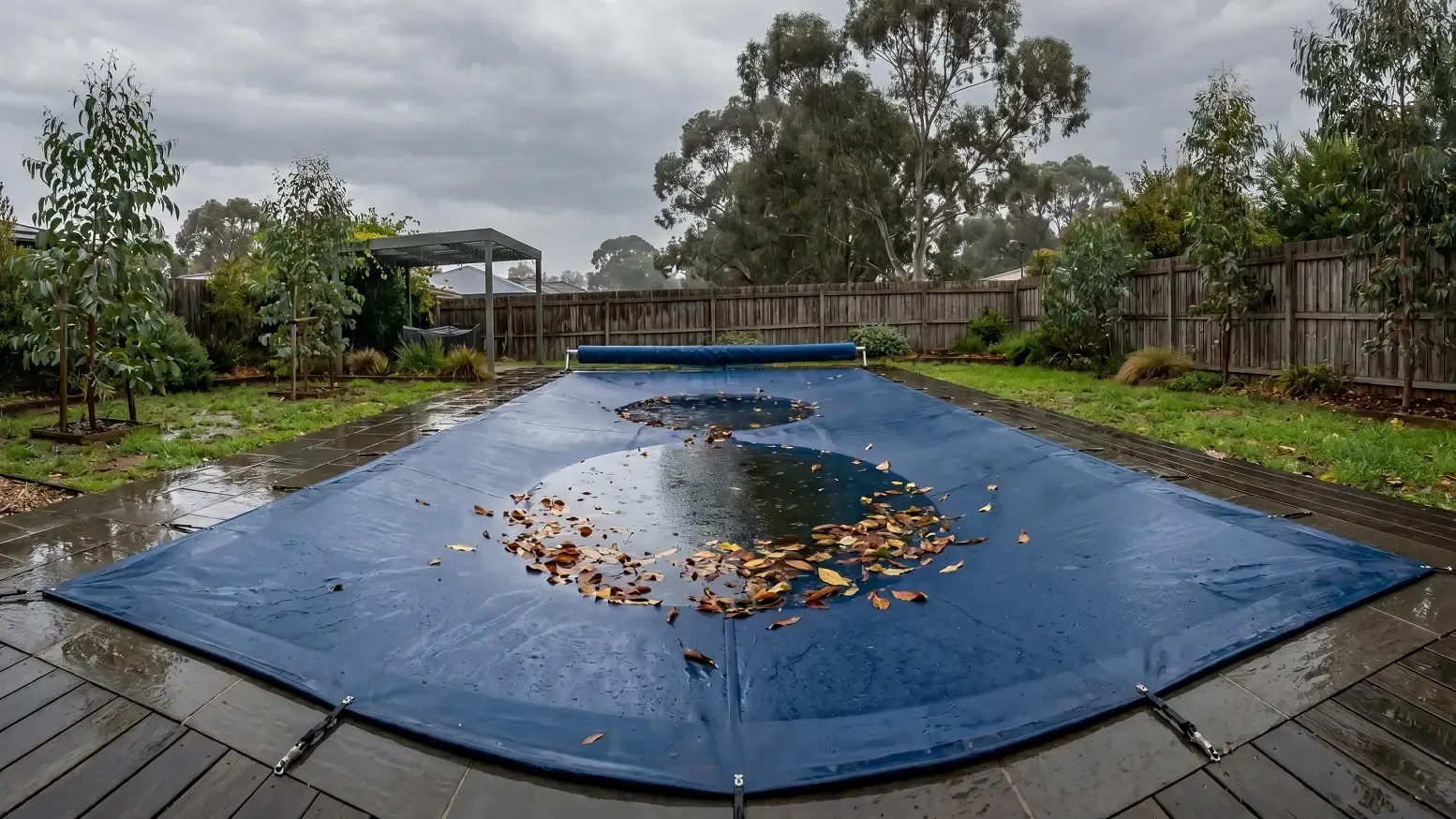
Walking out to your backyard after a heavy downpour, only to find a massive, muddy puddle bowing your pool cover can be incredibly frustrating. It is a common headache for many Aussie pool owners during the cooler months, but leaving it alone is a recipe for disaster.
That accumulated weight strains the material, which can lead to expensive tears, damage to your pool coping, or a chaotic cleanup when spring arrives. Understanding how to keep pool cover from sagging will save your equipment and your sanity.
Key Takeaways
- Excess rainwater and fallen leaves are the main reasons pool covers lose their shape and bow downward.
- The best way to fix the problem immediately is by removing the heavy surface water with a submersible pump.
- Above-ground pools need center support from air pillows, while in-ground safety covers require proper strap tension.
- Keeping the pool surface clear of heavy debris helps protect the underlying structure and prevents accidental water contamination.
- Combining a sturdy cover strategy with automated robotic pool cleaners ensures your pool stays spotless all year round.
Why Is My Pool Cover Sagging?
A pool cover will only start to dip when the downward weight of rainwater and debris outweighs the tension holding it up. According to standard pool manufacturing guidelines, these covers are designed to block light and debris, not to hold hundreds of liters of standing water.
Another major cause is a drop in the pool water level underneath the cover, which leaves a hollow space and deprives the cover of crucial underlying support. If you are still weighing up whether to use one this season, check out this guide on whether you need a pool cover in winter.
The Universal Solution: Use a Pool Cover Pump
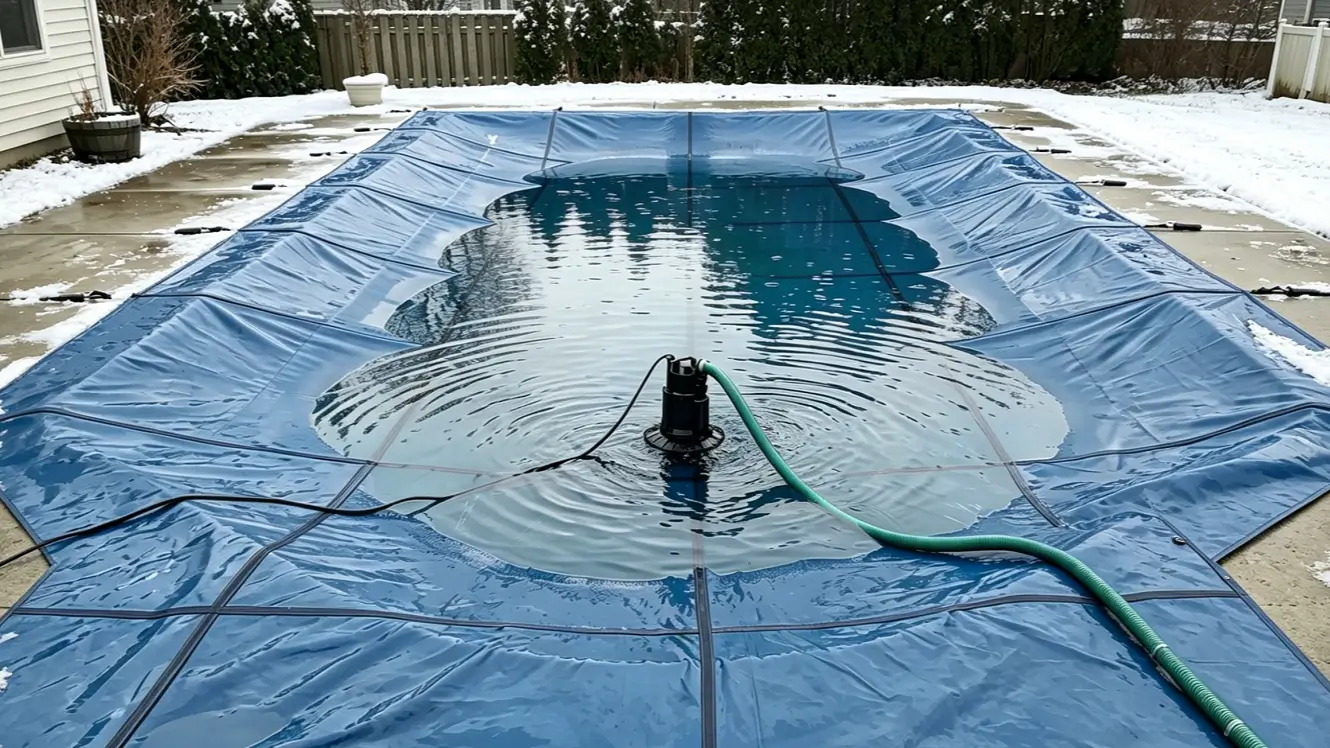
No matter what style of pool you have, you cannot let massive puddles sit on top of your cover. The weight accumulates quickly, and a single millimetre of rain adds significant stress across a large pool surface.
The most efficient fix is to place an automatic, submersible pool cover pump right in the center of the sagging area. The pump will automatically activate when it detects water, draining the surface before the weight can warp your cover or snap the anchors.
How to Stop an Above-Ground Pool Cover from Sagging
Solid winter covers on above-ground pools are particularly prone to caving in because they do not have a tensioned anchor system built into the concrete.
Prop It Up with an Air Pillow (Ice Compensator)
The most reliable trick for an above-ground pool is placing an inflatable air pillow underneath the cover before you tie it down. This pillow floats right in the middle of the pool, creating a slight dome shape under the material. This dome forces rainwater to run off toward the edges instead of pooling in the center.
Industry standards recommend only inflating the pillow to about sixty or seventy percent of its capacity, which leaves enough give for the pillow to compress without popping when cold weather sets in.
Secure the Edges with Clips and Cables
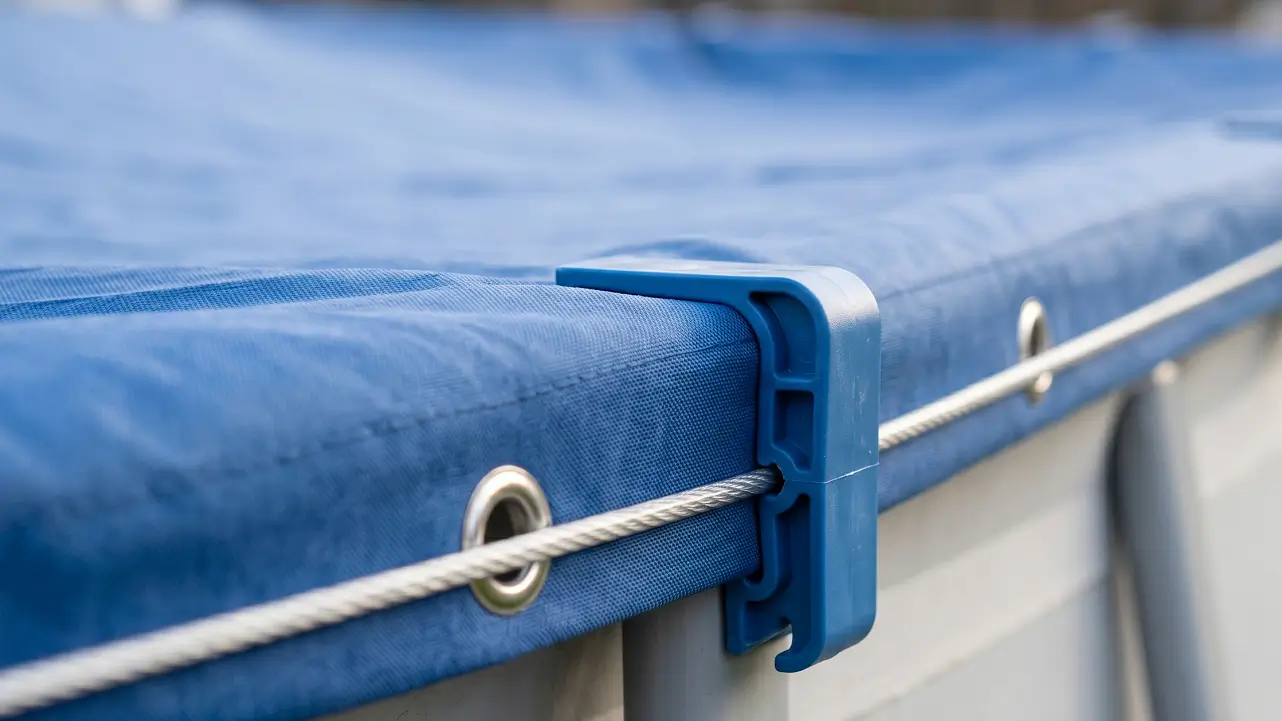
Strong winds can easily get under the edges of your cover, loosening the slack and causing it to sag. To prevent this, thread a heavy-duty vinyl-coated cable through the perimeter grommets and tighten it securely with a metal winch.
For extra security against strong gusts, snap the plastic cover clips directly onto the pool top ledge to lock the fabric firmly in place. If your cover has already suffered some wear from the wind, you can find helpful tips on how to repair your pool cover.
How to Fix a Sagging In-Ground Safety Cover
In-ground safety covers rely on a tight, trampoline-like fit to stay suspended above the water line.
Adjust the Spring Tension and Straps
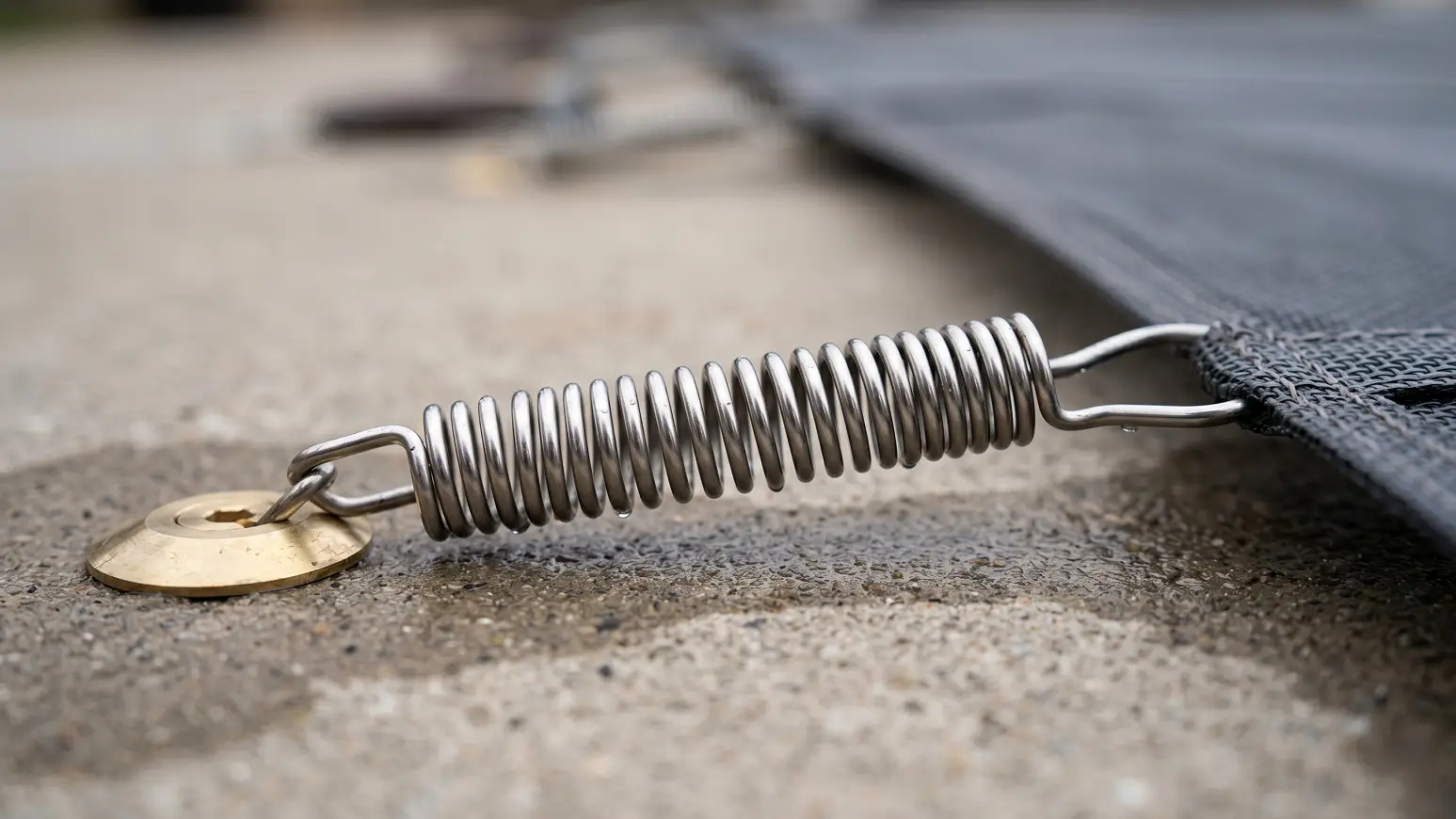
Safety covers feature heavy straps connected to brass deck anchors by stainless steel springs. Over time, these straps can stretch out and loosen. Walk around the perimeter of your pool and inspect the springs.
According to leading pool engineering principles, these springs should be compressed roughly halfway under normal conditions. If they look loose or fully extended, use your installation rod to pull the straps tighter and restore the proper tension.
Check the Pool’s Water Level
A common oversight is letting the water level beneath a safety cover drop too low. These covers are actually engineered to rely on the pool water for support if they are heavily loaded with water or debris.
If your pool has a hidden leak or if you drained the water too far below the skimmer box, the cover will stretch and sag under pressure. Ensure your pool water stays no more than thirty centimetres below the coping during winter.
Damage Control: What to Do When a Sagging Cover Dumps Debris
Sometimes the worst-case scenario happens: you go out to adjust a sagging cover, a strap slips, and a whole puddle of decaying winter leaves and dirty water spills straight into your clean pool.
When organic waste breaches your pool, you must act fast. This debris will quickly consume your winter chemicals, cause stubborn floor stains, and trigger an unwanted algae bloom. Dealing with this nightmare traditionally meant dragging out cumbersome manual vacuum hoses in the freezing cold, which is a miserable chore.
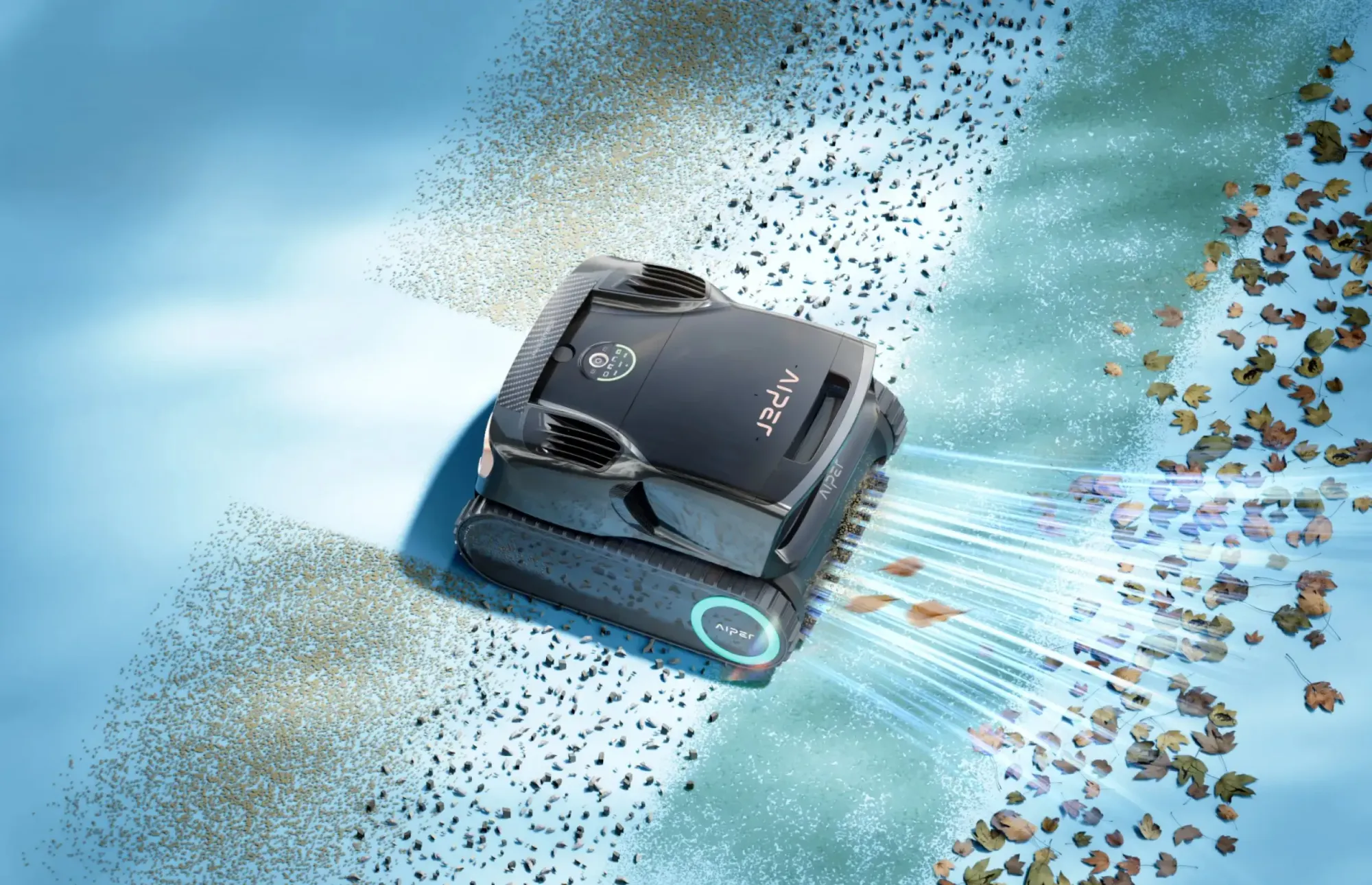
By dropping in a smart, cordless device like the Scuba X1 Pro Max, you can effortlessly clear the sunken debris while you focus on re-securing your cover. Without an independent robotic cleaner, you are stuck with manual brushing and backwashing your main filter for hours, which wastes water and chemical levels. A dedicated robotic cleaner handles the hard cleanup work for you, keeping your water clear even when cover accidents happen.
When to Replace a Sagging Pool Cover
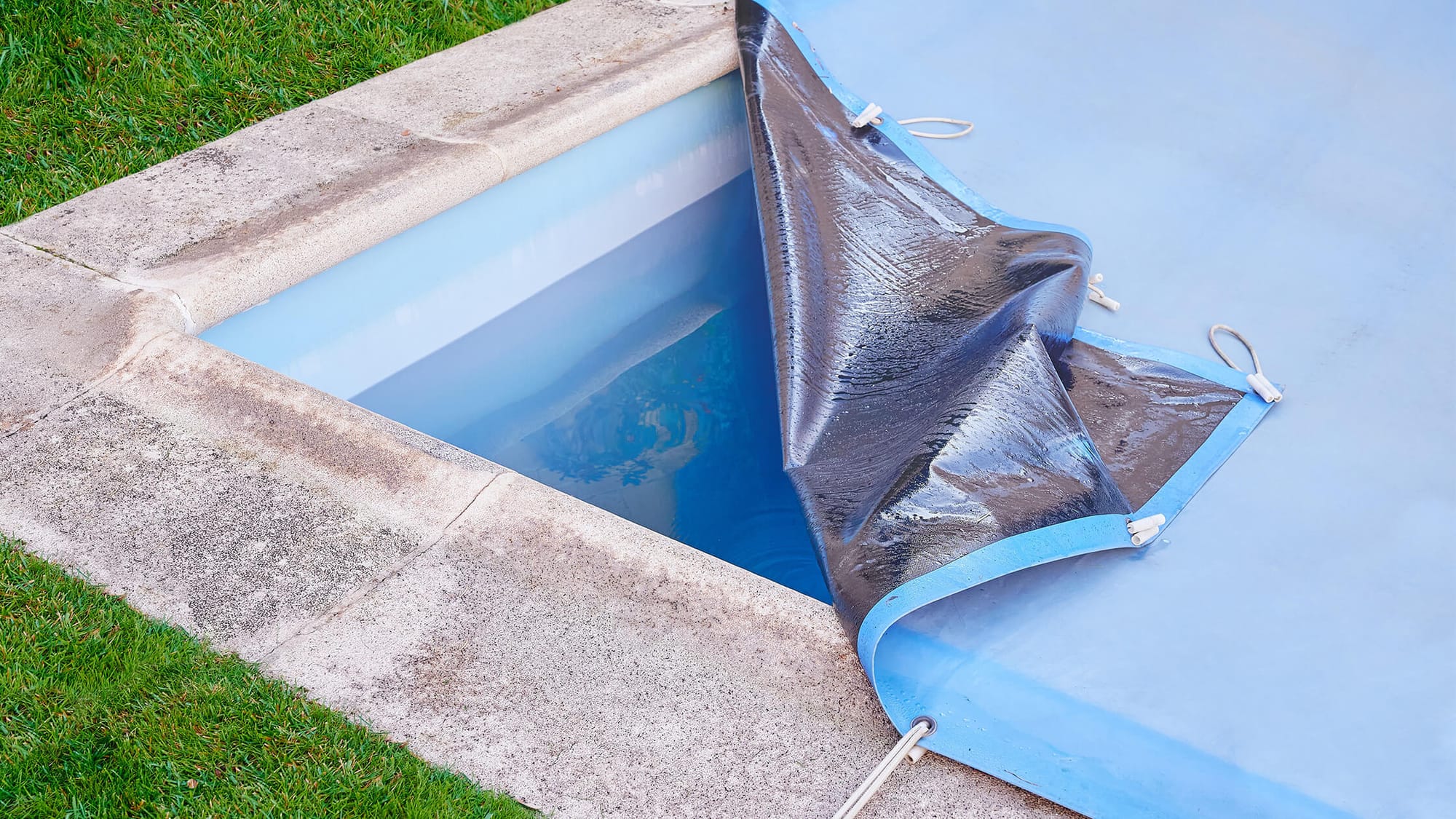
Like all outdoor gear, pool covers have a finite lifespan. Basic solid winter covers generally last between one and three seasons before the plastic degrades. Durable tensioned safety covers are much more durable, typically lasting between five and ten years before the material loses its elasticity and UV resistance. If you notice the straps are fraying, the brass anchors are stripping out, or the material simply refuses to hold tension anymore, it is time to invest in a replacement.
Frequently Asked Questions
How do I keep my pool cover from blowing off in the wind?
For in-ground pools using solid covers, placing weighted water bags around the perimeter prevents the wind from getting underneath. For above-ground pools, utilising a high-quality cable winch system combined with specialised cover clips keeps the edges firmly anchored to the pool wall.
Can I use beach balls instead of a pool air pillow?
Using beach balls is generally a bad idea. They are made from thin vinyl that easily punctures under heavy water weight and cannot withstand freezing winter temperatures, which causes them to deflate when you need them most.