
Solar Pool Heating vs Heat Pump: Which Is Best for Your Pool?
Solar pool heating is cost-effective & eco-friendly but weather-dependent; heat pumps offer consistent, efficient heating with low running costs. Choose based on your climate, budget, and pool usage frequency.

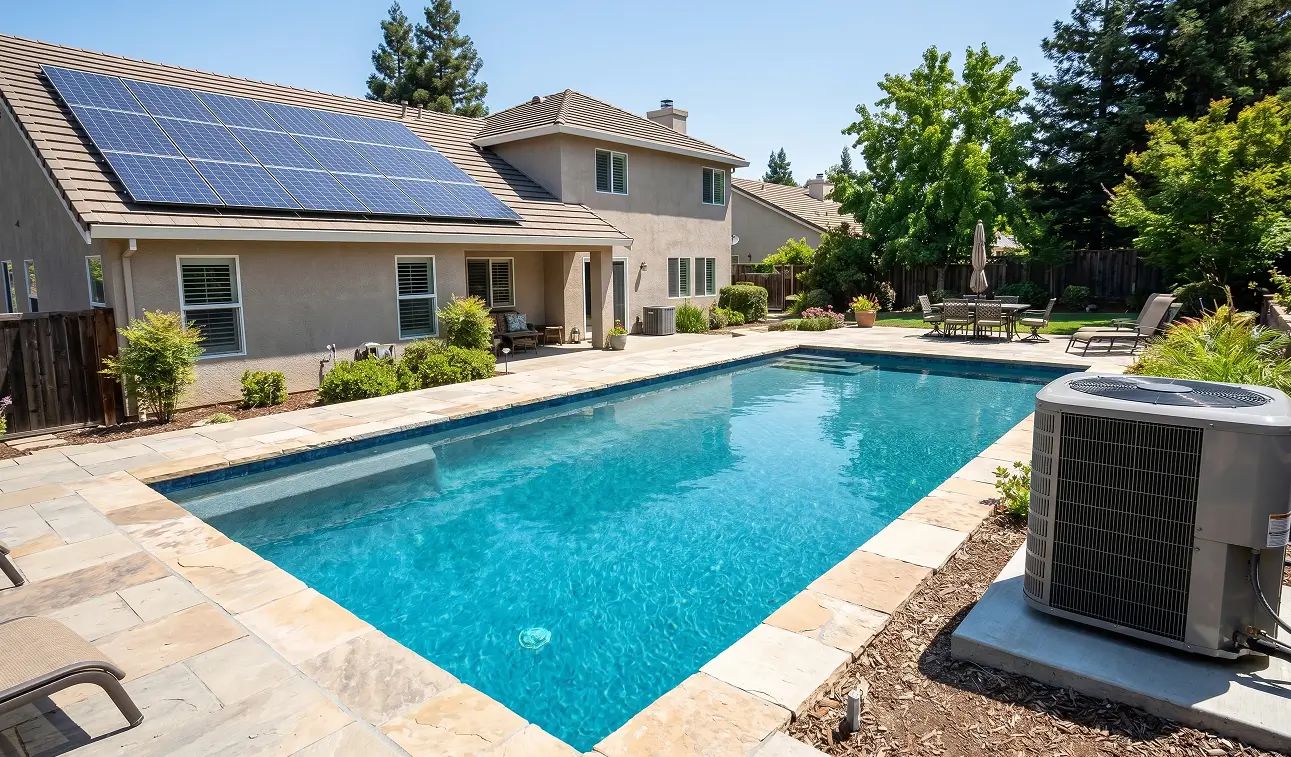
If you have a pool, you’ve probably thought about how nice it would be to use it for more than just a few hot months. The idea sounds simple, but once you start looking into heating options, it gets confusing fast. With so many ways to heat your pool available today, choosing the right one requires careful thought. There are different systems, different costs, and a lot of mixed advice online. When it comes to solar pool heating vs heat pump options, both can work well, but they suit different situations. The key is understanding how they actually work in real life, not just on paper, so you can pick something that fits your home and how you use your pool.
Solar pool heating
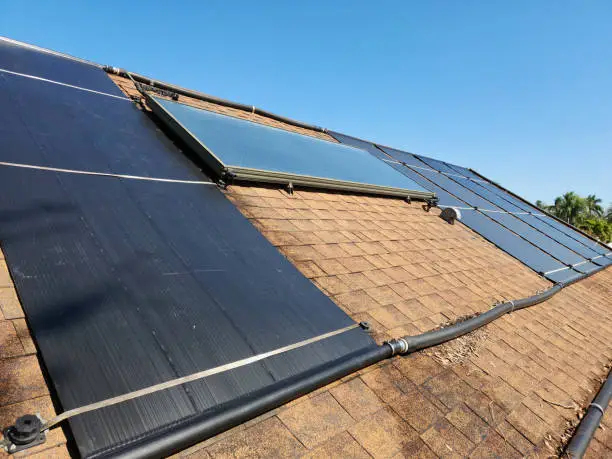
Solar pool heating is probably the most straightforward option out there. It uses the sun’s energy, which is free, and that’s a big reason why people consider it in the first place. The system usually includes solar collector panels that are installed on your roof or somewhere nearby.
Water from your pool is pumped through these panels, where it gets warmed up by the sun, and then sent back into the pool. It’s a simple loop, and there’s no complicated machinery creating heat. It just relies on sunlight.
In places like Australia, where we get a decent amount of sun, this can work really well for most of the year. But the downside is also pretty obvious. If the sun isn’t out, the system can’t do much. So performance can vary depending on the weather and time of day.
Heat pump
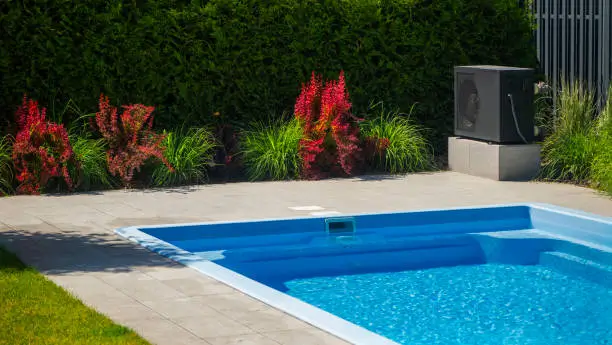
A pool heat pump works in a completely different way. Instead of relying on direct sunlight, it pulls heat from the air and transfers it into your pool water. It might sound a bit strange at first, but it’s actually a well-established technology.
A heat pump works in a simple loop. It pulls heat from the air around it and uses a special liquid called refrigerant to carry that heat. Then a compressor makes the heat stronger, and a heat exchanger passes it into your pool water. This cycle keeps going again and again to keep the water warm.
People like heat pumps because they don’t actually “make” heat from nothing. They just move heat from one place to another, which uses less energy. Industry research shows that heat pumps can provide several times more heat than the electricity they use. This is why many pool owners see them as a smart and practical choice for regular use.
Solar Pool Heating vs Heat Pump: Key Differences
Instead of a complex table, here is how the two systems compare across key features:
- Upfront Cost: Solar costs vary significantly based on roof setup; Heat Pumps are generally more predictable.
- Running Cost: Solar is very low (nearly free); Heat Pumps are low but require electricity.
- Efficiency: Solar depends entirely on the sun; Heat Pumps provide consistent performance.
- Environmental Impact: Solar is very low; Heat Pumps are also low due to high efficiency.
- Lifespan: Solar typically lasts longer; Heat Pumps have a moderate lifespan.
- Performance: Solar is weather dependent; Heat Pumps remain stable in most conditions.
This comparison shows the real differences between a solar pool heater and a heat pump. Both are meant to do the same job, but they work in different ways and cost different amounts to run. Their performance can also vary depending on the weather and how you use your pool. When you look at them side by side, it becomes much easier to see which one fits your climate, your budget, and how often you plan to swim.
Upfront cost
Upfront cost is usually the first thing people think about. Solar pool heating can be a bit hard to price because it depends on your roof and setup. If your roof is simple and gets good sun, the cost can stay fairly reasonable. But if changes or extra work are needed, the price can go up quite quickly.
Heat pumps tend to be more straightforward in this area. You’re mainly paying for the unit itself and installation. They are not cheap, but at least the pricing is easier to estimate compared to solar setups that depend heavily on your home layout.
Running costs and efficiency
This is where solar really stands out. Once it’s installed, you’re basically using free energy from the sun. That means your ongoing costs are very low, which is a big advantage over time.
Heat pumps do use electricity, so there is a running cost involved. But they are still considered efficient. Their performance is measured using something called COP (Coefficient of Performance). This indicates how much heat is produced compared to the energy used, and high-quality heat pumps often produce 4 to 8 times the energy they consume.
So while they are not free to run like solar, they are still much cheaper than traditional electric heaters.
Performance & reliability
Solar heating works best when the sun is strong. On bright days, it can heat your pool quite well. But once the weather changes or the sun goes down, the heating effect drops off.
Heat pumps are more reliable in that sense. As long as the air temperature is within a workable range, they can keep heating your pool during the day or at night. This makes a noticeable difference if you want a steady temperature instead of something that changes with the weather.
For many people, that consistency is what makes heat pumps worth considering.
Solar heating is slow and takes time to warm the pool, especially at the start. Heat pumps work more steadily and can warm the water faster over time. You will notice this difference if you want your pool to heat up more quickly.
Environmental impact
Solar pool heating is about as eco-friendly as it gets. It uses renewable energy directly and doesn’t produce emissions while running. If lowering your environmental impact is a priority, solar is hard to beat.
Heat pumps are also considered environmentally friendly, mainly because they are efficient. They use less electricity overall compared to other heating methods. Energy-efficient systems are a key part of reducing overall household emissions.
So while solar is the cleanest option, heat pumps still perform well from an environmental point of view.
Lifespan & maintenance
Solar systems are known for lasting a long time. It’s not unusual for them to keep working for 15 to 25 years or even longer. They don’t have many moving parts, so maintenance is fairly minimal.
Heat pumps have a shorter lifespan, usually around 10 to 15 years. They also need a bit more attention. Things like cleaning filters, checking components, and occasional servicing are part of keeping them running properly. It’s not overly complicated, but it is something to keep in mind.
Aesthetics & installation constraints
Solar panels for pools take up space and are usually installed on the roof. Not everyone likes how they look, and not every roof is suitable. They also need proper positioning to get enough sunlight.
Heat pumps are smaller and sit on the ground near the pool or house. They are less visible overall, but they do make some noise and need enough space around them for airflow. While solar panels are visible on the roof, heat pumps require dedicated ground space for ventilation. Both options come with trade-offs when it comes to installation.
Which system suits your needs?
The better option really depends on how you plan to use your pool.
Solar pool heating makes sense if you live in a sunny area and mainly want to reduce running pool heating costs. It works well for people who are okay with some variation in water temperature depending on the weather.
A heat pump is a better fit if you want more control. If you like the idea of using your pool regularly and keeping the temperature stable, it’s a more reliable option.
Some pool owners use both systems together. Solar heating does most of the work during the day when there is good sunlight, and the heat pump helps when the weather is not as favourable or at night. This setup gives more control over the water temperature, but it does cost more to install at the start.
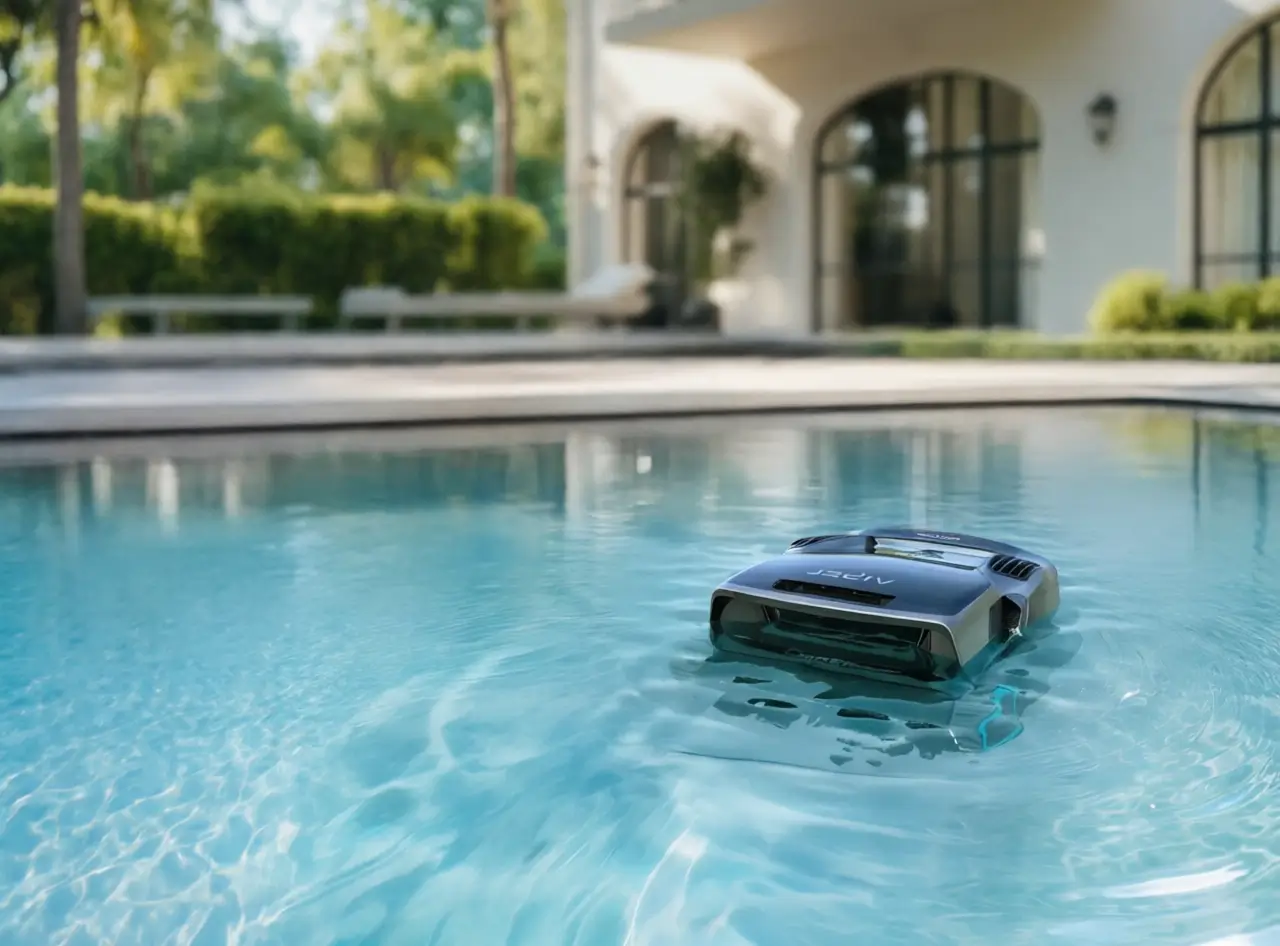
It’s also important to keep your pool clean because a clean pool heats better and runs more smoothly. Dirt and leaves can make the system work harder than it should. A cordless robotic cleaner like the Aiper Scuba X1 Pro Max can help with this by cleaning the pool automatically, so you don’t have to do as much manual work, and everything stays in better shape.
If you are okay with slow heating and want to save money on running costs, solar is a good choice. If you want faster and steadier heating, a heat pump is better. The right option depends on how often you swim and what you consider the ideal pool temperature to be for your lifestyle.
How much does it cost?
In general, solar pool heating systems can cost anywhere from $2,000 to $6,000 or more. The final price depends a lot on your pool size and installation setup.
Heat pumps usually fall between $3,000 and $8,000 or higher. Again, it depends on the size of your pool and the capacity of the unit you choose.
These are just rough estimates, but they give a general idea of what to expect in the current market.
Tips for Heating Pools
Using a Pool Cover
A pool cover makes a bigger difference than many people realise. Many owners often wonder if solar pool covers are worth it, and the data shows they are essential because a lot of heat is lost through evaporation, especially overnight. Covering your pool helps keep that heat in.
Expert data suggests that pool covers can reduce heat loss by up to 75%. That’s a significant improvement and can reduce how hard your heating system has to work. No matter which heating option you choose, using a cover is a simple step that pays off.
Optimise Maintenance for Extending Pool Heater Lifespan
Basic maintenance goes a long way in keeping your system working properly.
For solar systems, this might mean cleaning the panels occasionally and checking that water is flowing properly. Dust or debris can reduce how much heat they absorb.
For heat pumps, keeping the fan area clear and making sure the coils are clean is important. It’s also a good idea to have the system checked every so often to catch any issues early.
Keeping your pool itself clean also helps. Debris can affect water circulation and overall efficiency. Regular cleaning, whether manual or automated, supports the performance of your heating setup.
FAQs
Can solar heating maintain a warm pool all year?
Not usually. It depends on your location, but during colder or cloudy periods, solar alone may not be enough.
Are heat pumps noisy?
They do make some noise, but most modern units are fairly quiet. Placement makes a difference.
How big should my system be?
It depends on your pool size and climate. A professional installer can give the best recommendation.
What about pool covers?
They are highly recommended. They help retain heat and improve efficiency.
Do these systems need permission?
In most cases, no, but it’s always worth checking local council regulations.
Which one adds more value?
Both can add value, especially if they suit the climate and are well installed.
Final Thoughts
When it comes to solar pool heating vs heat pump systems, there’s no single “best” option for everyone. Solar is a good pick if you want to keep running costs low and use clean energy from the sun. Heat pumps are better if you want your pool to stay warm more consistently, no matter the weather.
Really, it comes down to where you live, how much you want to spend, and how often you swim. If you match the system to your actual needs instead of just going for the cheapest option upfront, you’ll usually be a lot happier with how it performs.