
Symptoms of Too Much Chlorine in a Pool: What to Look For and How to Fix It
Strong pool chemical odor comes from chloramines, not excess chlorine. High chlorine irritates skin, eyes and lungs, damages pool cleaners. Test free chlorine regularly; use sunlight, dilution or neutralizer to lower levels safely, remove robot cleaners before pool shock.

Stepping out of the pool with burning eyes, itchy skin, or a nagging cough is a quick way to ruin a good swim. While we need pool chemicals to keep the water clean and free from nasty bacteria, it is incredibly easy for those levels to spike out of whack.
When that happens, your refreshing oasis turns into a harsh environment that causes real physical discomfort.
If you or your kids are dealing with irritation after a swim, you want answers fast. Knowing the physical warning signs of chemical overexposure helps you figure out if the water is to blame, when it’s time to see a doctor, and how to get your pool back to a safe balance.
Common Physical Symptoms of High Chlorine Exposure
When pool water is overloaded with sanitiser, it triggers a few distinct reactions on your body. Public health guidelines note that high concentrations of chlorine irritate our sensitive tissues in several clear ways and cause the following symptoms of too much chlorine in the pool.
Skin and Hair Irritation:
Excessive chlorine acts like a harsh solvent, stripping away the natural oils that protect your skin and hair. This leaves you with intensely dry, itchy, or tight skin, and can even trigger irritant contact dermatitis, which looks like a red, patchy rash. Your hair will also feel straw-like, brittle, and stripped of its shine.
Eye Irritation:
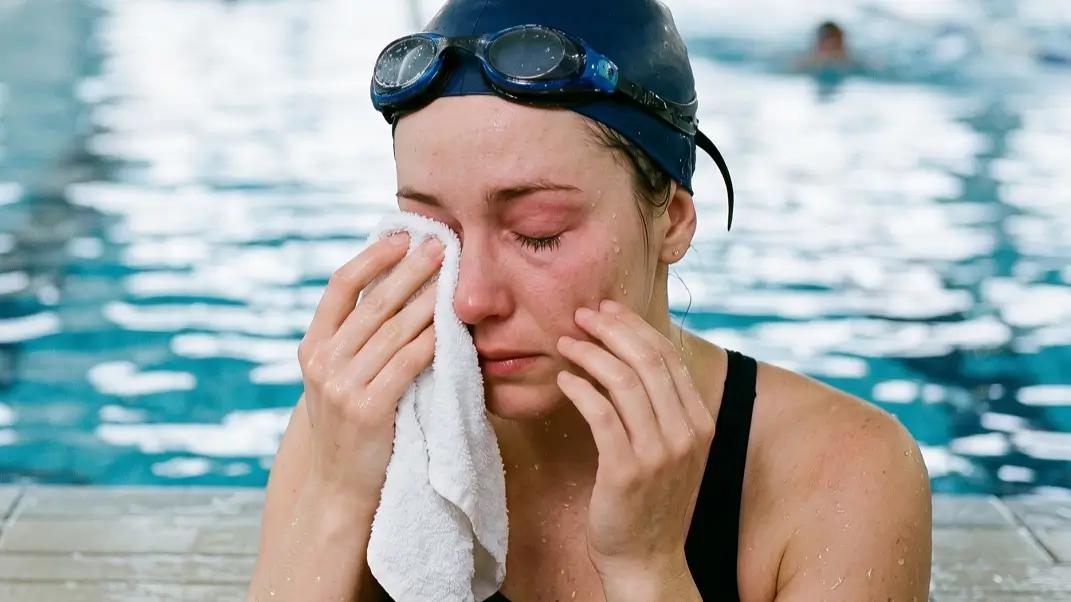
The delicate membranes of your eyes don't handle harsh chemicals well. High chlorine levels dissolve the protective tear film over your corneas, causing severe redness, stinging, a gritty feeling, and constant watering.
Respiratory Issues:
As chlorine turns into gas at the water's surface, it hangs in the air like a heavy blanket. Inhaling these strong fumes irritates your airways, leading to a scratchy throat, sudden coughing fits, wheezing, or chest tightness, especially if you already deal with asthma.
The "Chlorine Smell" Myth: Is It Actually Chloramines?
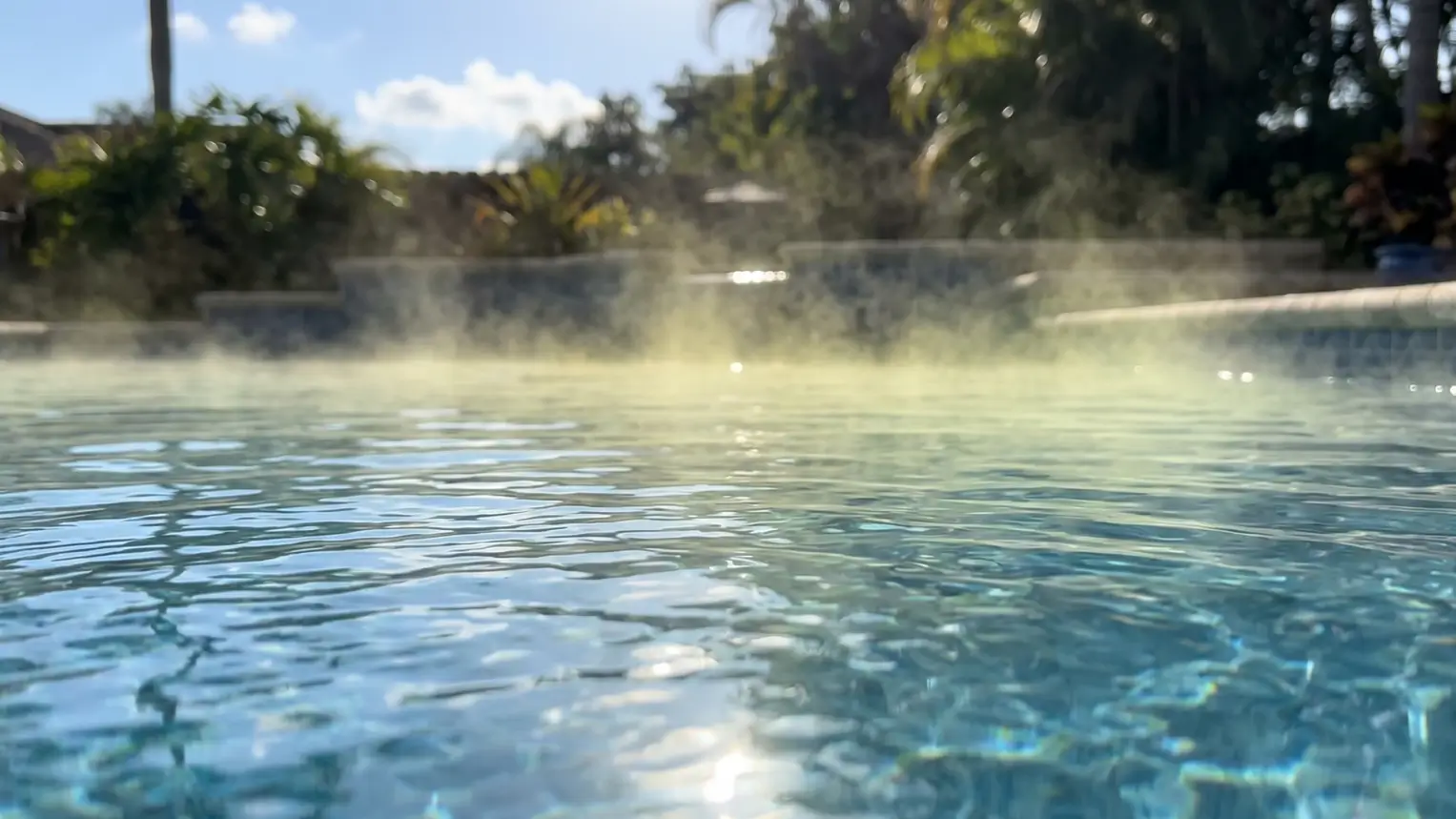
When a pool area smells incredibly strong, most people think the water has way too many chemicals in it. But this is actually a massive misconception.
According to industry water quality standards, a pungent chemical smell usually means you have too little free chlorine, not too much.
That classic, strong odour comes from chloramines (also called combined chlorine). These form when free chlorine binds with organic waste in the pool, like sweat, body oils, and urine. Once bound up, the chlorine can no longer sanitise the water properly, but it becomes highly irritating to your skin and eyes.
To fix it, you actually need to test the water and see if the pool needs a deep shock treatment. Learning the difference between total vs. free chlorine is the best way to figure out whether your water needs a boost to break down those irritating chloramines, or if it genuinely just needs time to rest.
Symptoms of Too Much Chlorine in Pool After Shocking
Shocking a pool means dumping in a heavy, concentrated dose of chemicals to wipe out bacteria and chloramines. It works wonders, but it creates a temporary, highly aggressive environment in your water.
Human Risks
It is incredibly common to experience the symptoms of too much chlorine in a pool after shocking if people jump back into the swim zone too early.
A shock treatment can push chlorine levels well past 10 parts per million (ppm), a far cry from the safe 1 to 3 ppm swimming range recommended by health standards. Swimming in a freshly shocked pool causes painful skin irritation, burning lungs, and will completely bleach your favourite swimwear. Always wait until a reliable test kit shows the water is back to normal before diving in.
Equipment Risks
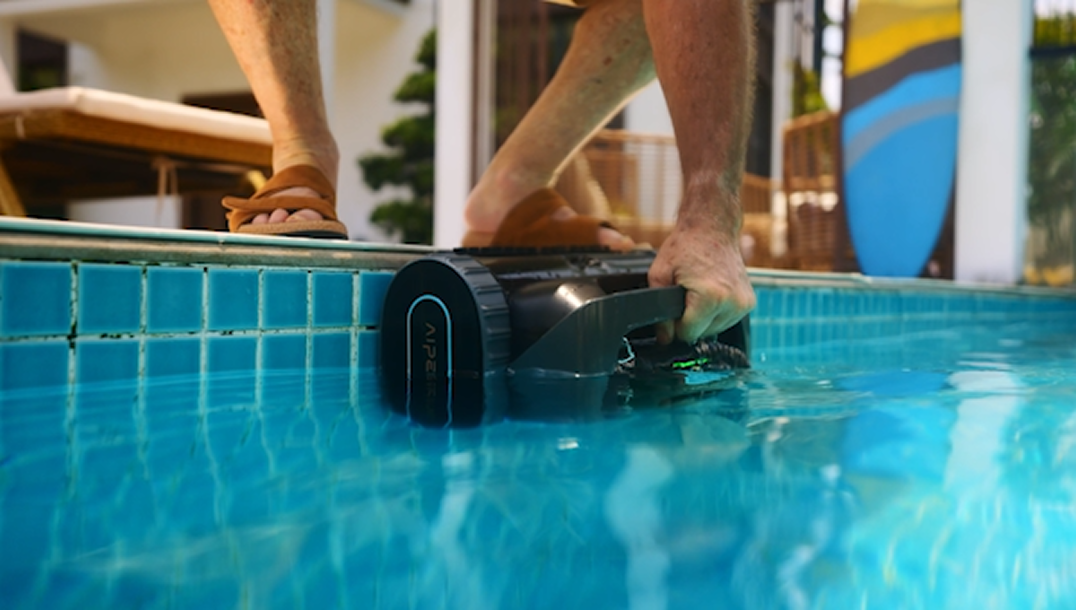
Super-chlorinated water doesn't just punish your skin; it also absolutely wrecks your pool gear. Leaving your cleaner in the water while you shock the pool is a surefire way to kill it. That massive chemical spike will quickly eat through rubber tracks, perish waterproof seals, and turn tough plastics so brittle they'll just crack.
To save your gear, always pull your automatic cleaners out of the pool before you add any shock. Once the water chemistry settles back down, you can drop your robotic pool cleaners back in to sweep up all the dead algae and debris left behind. Leaving your machine in during a chemical spike completely cuts its lifespan short, while using it once the water is balanced keeps your pool pristine without the backbreaking work
When to Seek Medical Attention
While a bit of dry skin or slight eye redness usually clears up after a quick rinse in the shower, severe exposure shouldn't be ignored. Medical emergency guidelines state that you should head to urgent care or see a doctor immediately if you notice any of these serious symptoms of too much chlorine in pool:
- Coughing that won't stop or severe, heavy wheezing.
- Real difficulty breathing or constant shortness of breath.
- A severe burning sensation in your nose, throat, or chest.
- Nausea, dizziness, or vomiting (which means someone has swallowed water or inhaled too much gas).
Bad skin rashes or blisters that look like chemical burns.
How to Tell if Your Pool Has Too Much Chlorine
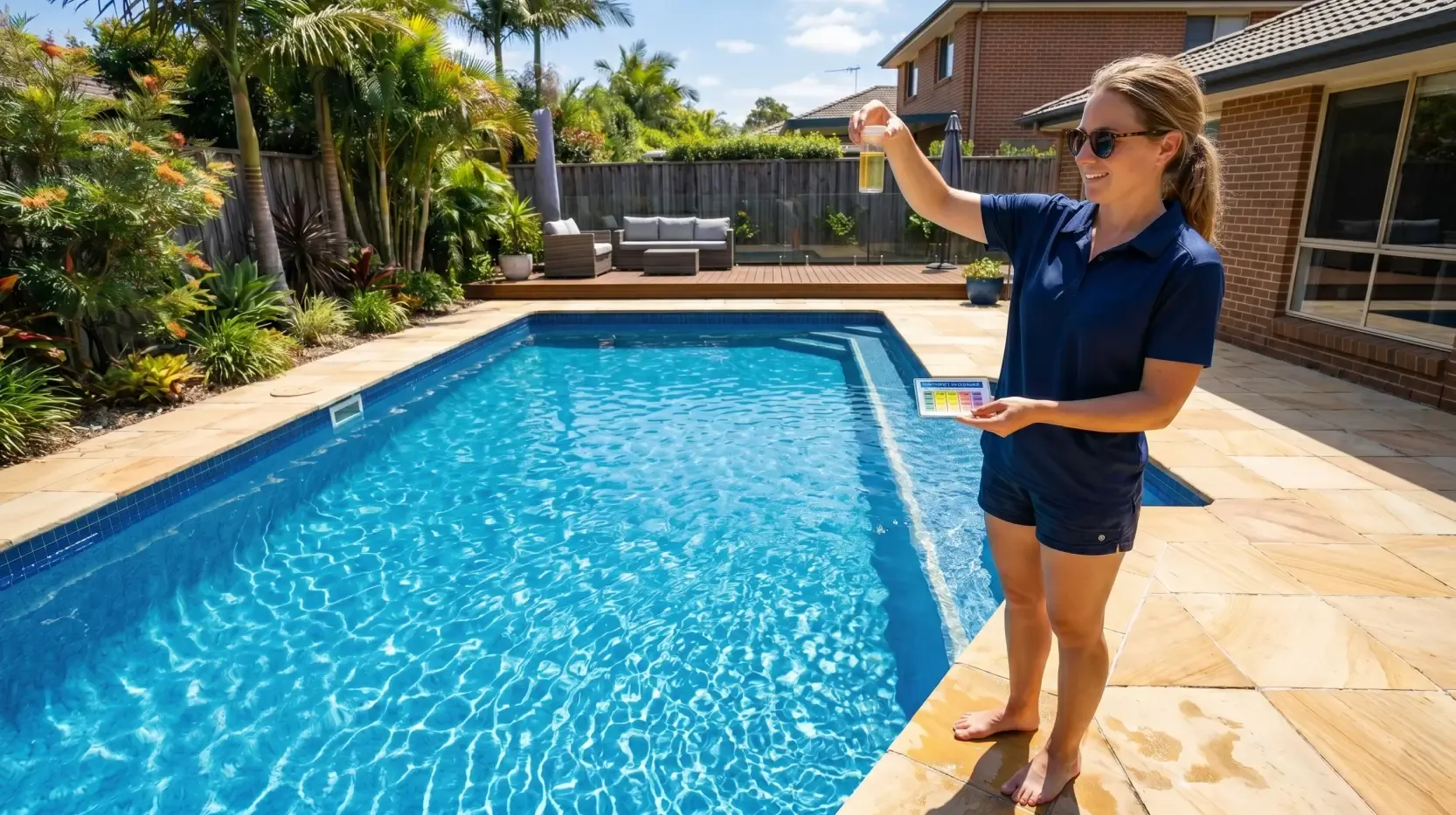
You can't just look at or smell the water to know if it's safe. The only way to know for sure is to test it. Grab a liquid test kit or some reliable digital test strips to check your free chlorine levels. If the reading comes back anywhere above 4 to 5 ppm, the water is too harsh for swimming and needs to come down.
How to Lower Chlorine Levels in Your Pool
If your test kit confirms the pool is running way too hot with chemicals, you can bring the numbers back down using three simple methods:
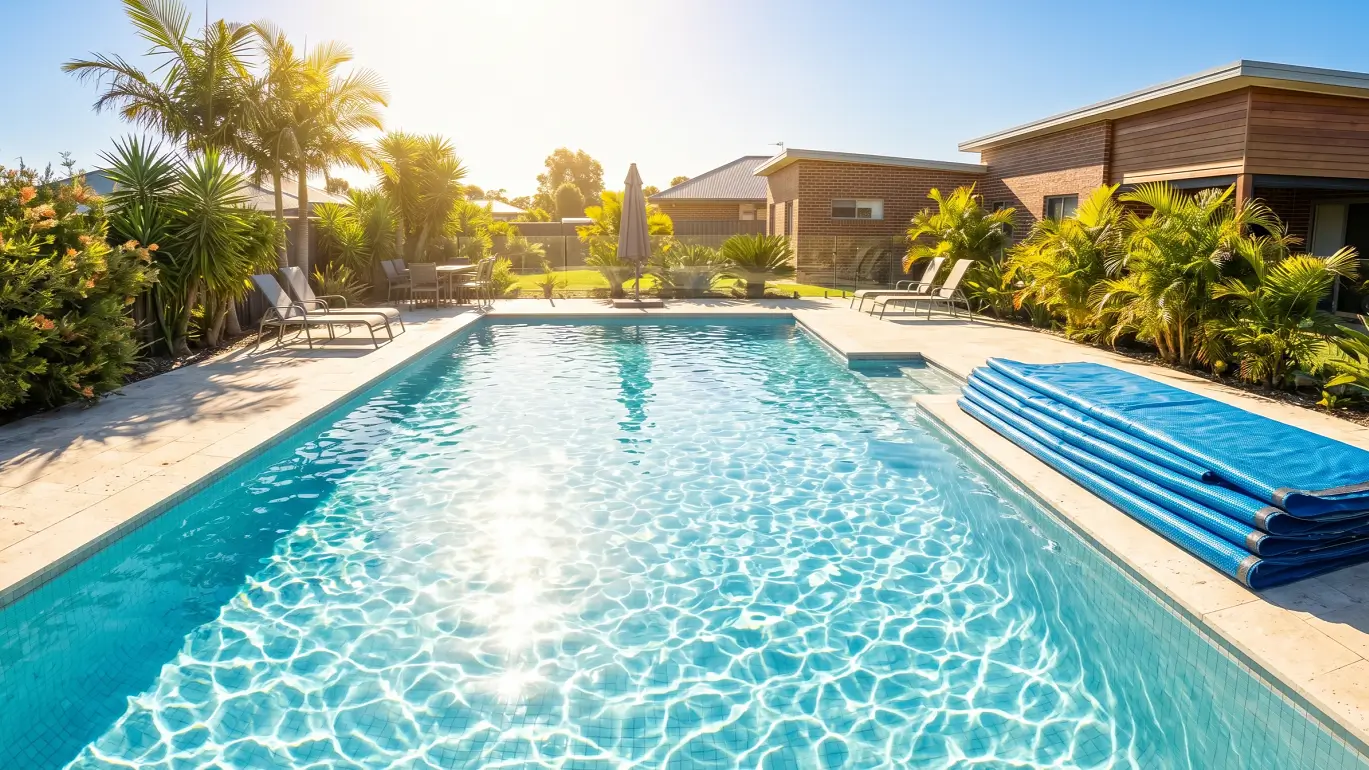
Let the Sun Do the Work:
If the levels are only slightly high, just take the cover off and let the afternoon sun hit the water. The Aussie sun burns off free chlorine incredibly fast. On a clear day, direct sunlight can naturally drop those high chlorine levels by up to 90% in just a few hours.
Dilute the Water:
If the levels are off the charts and you need a quick fix, drain a bit of the pool water out and top it back up with fresh water from the garden hose. This naturally waters down the chemical concentration
Use a Chlorine Neutralizer:
If you need an instant fix, you can throw a chlorine neutralizer like sodium thiosulfate straight into the water. It works right away to drop those numbers down, but you have to follow the packet instructions carefully.
If you overdo it, you'll completely tank your pool chemistry and have to start all over again.
Keep Your Pool Safe and Balanced
At the end of the day, keeping your pool safe just comes down to a simple balancing act. By running regular tests and paying attention to how your body feels after a swim, you can easily get ahead of any major chemical spikes.
Keeping the water properly balanced means a comfortable, worry-free swim for the whole family all summer long.