
Winter Lawn Care in Australia
Australian winter lawn care focuses on low mowing, limited watering, weed control and reducing grass stress. Adjust routines by climate and grass type; avoid over-fertilising and short cuts to keep turf healthy through cold months.


Winter can be a bit confusing for lawn owners in Australia. One week, your lawn looks fine, the next it looks slower, duller, or even a bit yellow. It’s easy to think something is wrong, but in many cases, it’s just the season doing its thing.
Winter lawn care is a bit different from spring and summer. You’re not trying to make the grass grow quickly anymore. Instead, the focus is more on looking after what you already have and helping the lawn get through the colder months without too much stress.
This guide is written for Australian conditions, where lawns behave differently depending on the region and grass type. We’ll go through what is normal, what actually helps, and what you’re better off avoiding during winter.
Why Lawn Care Changes in Winter in Australia
Winter changes how lawns grow because of cooler temperatures and less sunlight. Most Australian lawns don’t stop growing completely, but they slow down a lot.
Many Australian lawns slow down or go semi-dormant in winter
Warm-season grasses like buffalo, couch, and kikuyu are very common in Australia. These grasses often slow right down in winter. Some even go semi-dormant, which means they stop growing actively and may lose some of their green colour. This is completely normal and part of their natural cycle.
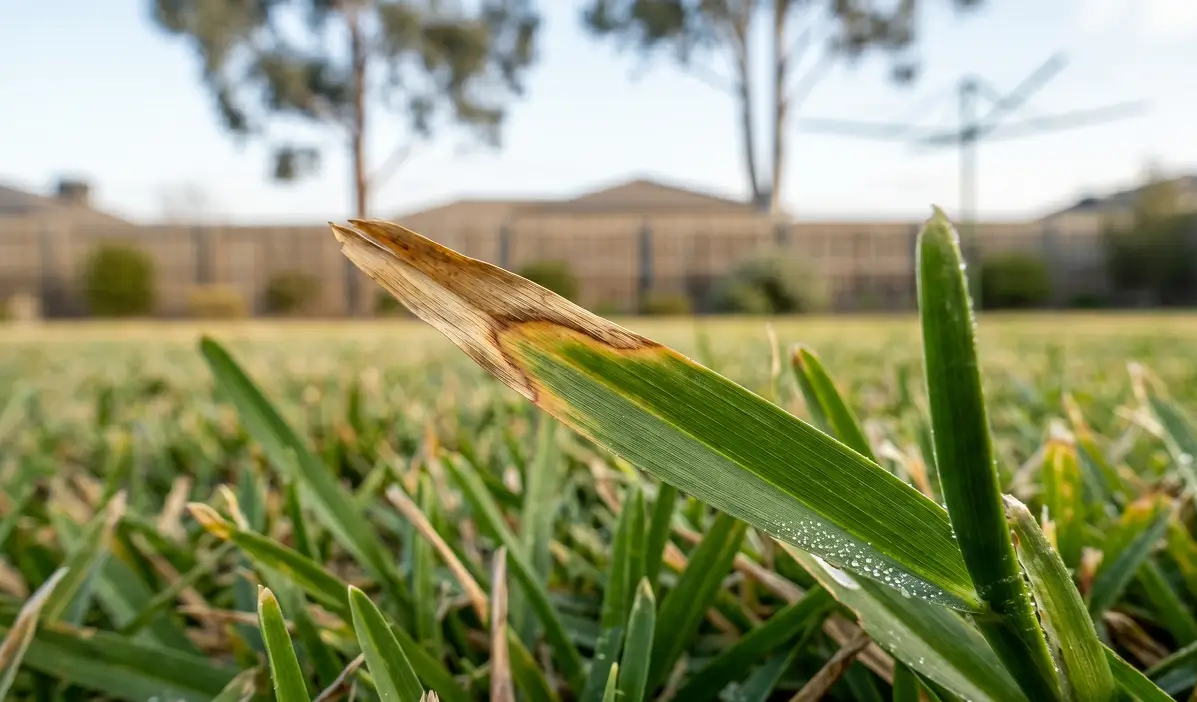
Winter colour loss does not always mean the lawn is unhealthy
A lawn turning pale or slightly yellow in winter can look worrying, but it does not always mean damage. In many cases, it’s just the grass reacting to colder conditions and lower sunlight. Once temperatures rise again, healthy lawns usually recover well.
Winter care is about reducing stress, not forcing growth
In winter, you’re not really trying to speed up lawn growth. It’s more about keeping things steady and not putting the grass under pressure. So you water a bit less, mow less often, and avoid heavy treatments that the lawn doesn’t really need in the colder months.
Start with Your Lawn Type and Your Climate
Not every lawn in Australia should be treated the same way in winter. What works in one region may not make sense in another.
Warm-season lawns behave differently from cool-season lawns
Warm-season grasses like buffalo and couch slow down a lot in winter. Cool-season grasses, which are more common in colder regions, may stay a bit more active. This difference changes how often you mow, water, and maintain your lawn.
Southern cool areas and milder coastal zones do not need identical winter routines
A lawn in places like Melbourne or Tasmania will behave quite differently compared to one in Brisbane or Perth. Colder areas usually have longer periods where the grass slows right down, while warmer coastal regions may still see a bit of growth through winter. That’s why winter lawn care is never really the same for everyone.
Use your lawn’s current condition as the final guide
Your lawn will usually show you what it needs. If it’s still growing a little, you just adjust your care gently. If it has almost stopped growing, you back off even more. The best approach is to look at your lawn, consider your local weather, and then decide what makes sense instead of following a fixed routine.
What to Do for Your Lawn in Winter
Water only when the lawn actually needs it
In winter, most lawns in Australia need far less water than in summer. Rainfall often does part of the job for you, so regular watering can actually do more harm than good. Overwatering can lead to soggy soil, weak roots, and even disease. A simple way to check is to look for dry patches or footprints that stay visible after walking on the grass. If the soil still feels moist, you can usually wait a bit longer before watering again.
Mow less often and keep the lawn slightly higher
Because growth slows down, mowing is usually needed much less in winter. Cutting too often can stress the lawn, especially in colder weather. It’s also better not to cut the grass too short. Leaving it slightly longer helps protect the roots and keeps the lawn stronger during cold spells. A good general guide used by many lawn experts is the one-third rule, which means never removing more than a third of the grass blade at one time, as supported by guidance from turf care resources such as Lawn Solutions Australia.
Stay ahead of winter weeds
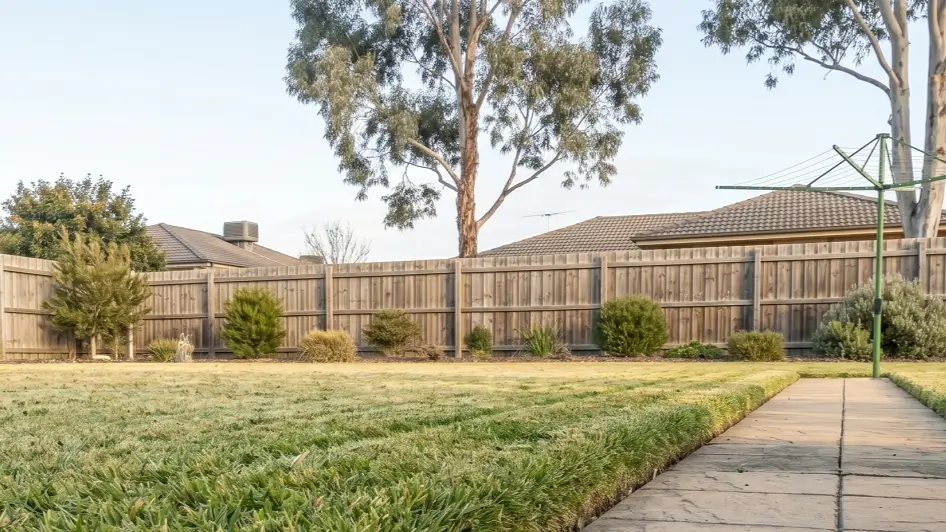
Winter is also the time when weeds tend to stand out more because the lawn is growing slowly. Common weeds in Australia, like bindii, clover, and winter grass, can spread pretty quickly if you leave them alone. The best approach is to deal with them early, before they get a chance to flower and spread seeds. Small patches are usually easy to handle with spot treatment or just pulling them out by hand. A thick, healthy lawn also helps a lot because it naturally makes it harder for weeds to take over.
Keep the lawn surface clear and reduce compaction
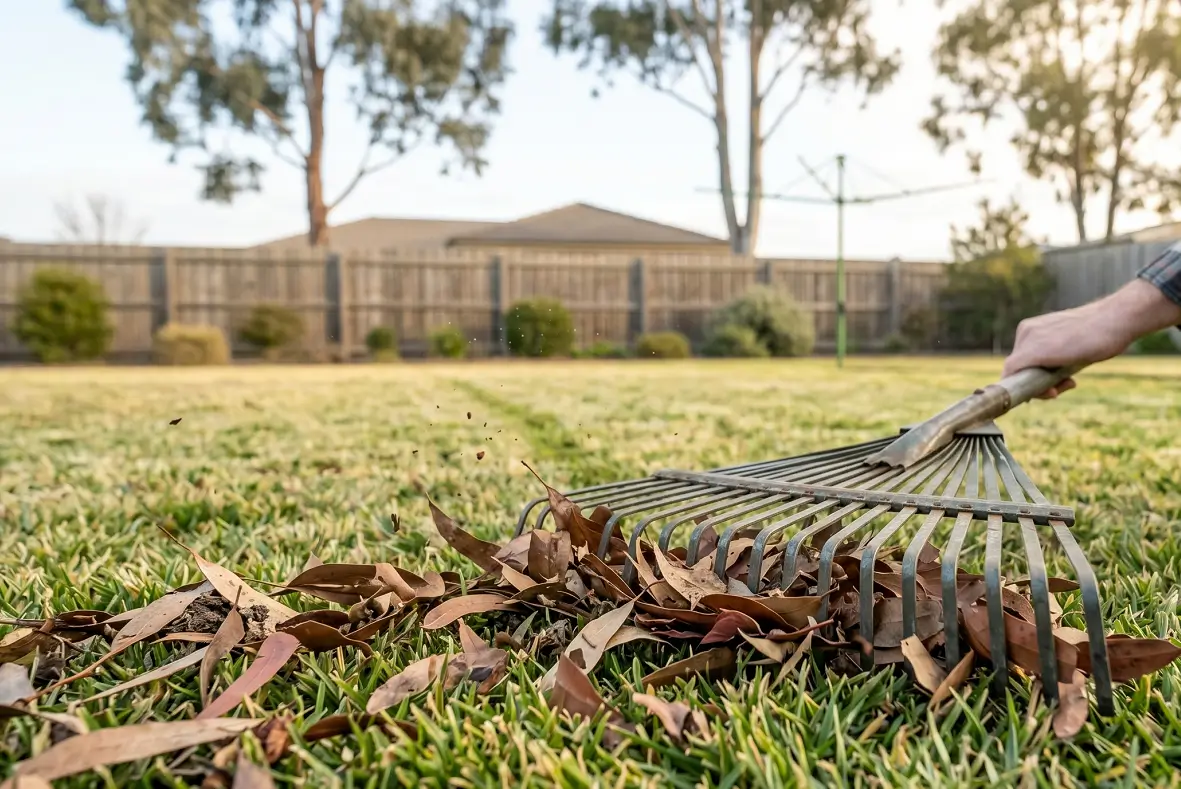
During winter, it’s a good idea to keep the lawn free from leaves, sticks, and other debris. If they sit there too long, they can block sunlight and hold extra moisture, which the grass doesn’t like. Try to avoid walking on the lawn when it’s wet, because the soil can get compacted quite easily. When soil is compacted, air and water can’t move through it properly, and the lawn starts to weaken over time.
If the ground feels hard or water is sitting on top, light aeration can help improve things. This small bit of care in winter makes a big difference later on. If you manage weeds and keep the surface clean now, your lawn will be much easier to look after in spring. It also helps the grass grow back stronger and more even when warmer weather returns.
What to Avoid in Winter
Winter lawn care is not just about what you do, but also what you stop doing.
Don’t overwater
Too much water in winter is one of the most common mistakes. Since evaporation is lower and growth is slower, extra watering often leads to soggy soil and weak grass.
Don’t cut too short
Short mowing in winter can stress the lawn. It removes too much leaf area, which the grass needs to stay protected during cold weather. It can also make weeds spread more easily.
Don’t walk on frosty or waterlogged grass
If the lawn is frozen or very wet, walking on it can damage the blades and compact the soil. This damage can take a long time to recover.
Don’t assume more fertiliser is always better
A lot of people think fertiliser will “fix” a slow winter lawn, but that is not always true. If the grass is not actively growing, extra fertiliser can be wasted or even cause an imbalance in the soil.
Should You Fertilise a Lawn in Winter?
Fertilising in winter depends a lot on your lawn’s condition and where you live in Australia.
When light winter feeding may make sense
In milder regions where lawns are still showing some growth, a small amount of fertiliser can help maintain colour and strength. But it should be light and not too frequent.
When fertiliser is unnecessary or wasteful
If your lawn has gone fully dormant or is barely growing, fertiliser usually won’t do much. The grass is not actively taking in nutrients, so most of it is wasted.
A simple rule for homeowners
A simple way to think about it is this: if your lawn is still growing, you can feed it lightly. If it has slowed right down or gone dormant, it’s better to focus on protection instead of trying to push growth.
Common Winter Lawn Problems and What They Usually Mean
Yellow grass
This is often just seasonal dormancy or cold stress. It does not always mean the lawn is dying.
Curled blades or dry-looking patches
This can mean the lawn still needs a small amount of water, especially during dry winter spells.
Blackened or damaged areas after frost
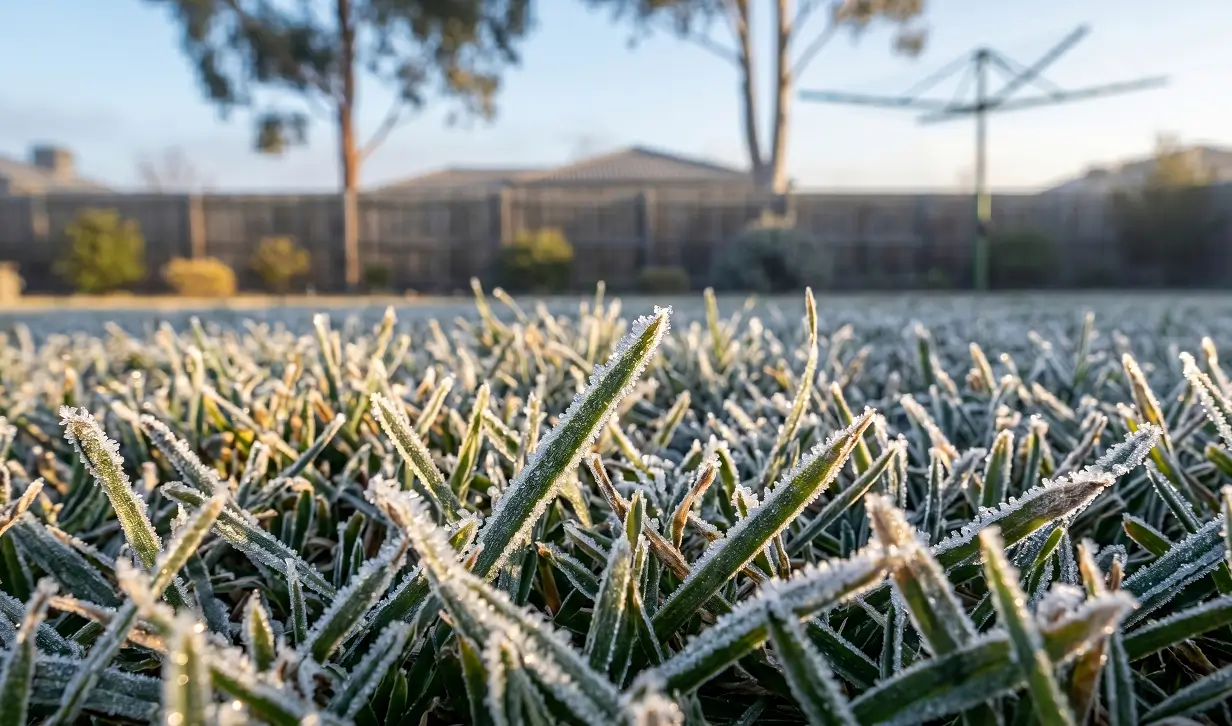
Frost can burn grass blades, especially in exposed areas. The roots are often still fine, even if the top looks damaged.
More weeds than usual
Weeds appear more in winter because the lawn grows more slowly and leaves more open space for them to spread.
Lawn staying wet for too long
This usually points to poor drainage or compacted soil. It can also increase the risk of disease if not managed.
Smarter Winter Watering for Better Control
Winter watering is more about control than quantity. Many lawns don’t need frequent watering, but when they do, it should be accurate and targeted. Overwatering is common in colder months because it’s easy to forget how little evaporation is happening.
For homeowners who want better control across different garden or lawn zones, smarter irrigation can help reduce waste and avoid soggy patches. Systems like the Aiper IrriSense 2 are designed to improve watering precision, so you’re not just guessing when or how much to water. It helps keep things more balanced, especially when weather patterns change quickly in winter.
Winter Lawn Care Checklist for Australia
- Identify your lawn type
- Reduce watering
- Mow less often
- Raise mowing height
- Manage winter weeds early
- Avoid walking on frosty or wet grass
- Focus on spring recovery, not fast winter growth
Conclusion
Winter lawn care in Australia is not about doing more work. It’s more about doing the right things at the right time. Lawns naturally slow down in cold weather, so the goal is to reduce stress and keep them stable until spring returns.
Once you understand your lawn type and local climate, winter care becomes much simpler. Less watering, lighter mowing, and early weed control usually go a long way. If you avoid overdoing things, your lawn will have a much better chance of bouncing back strongly when temperatures rise again.
FAQ
Should I water my lawn in winter in Australia?
Yes, but only when it actually looks dry. Most lawns need much less water in winter.
How often should you mow grass in winter?
Much less often than summer, sometimes every few weeks or even less, depending on growth.
Is it normal for buffalo or couch grass to turn yellow in winter?
Yes, this is often just dormancy due to cold weather.
Should I fertilise my lawn during winter?
Only if it is still actively growing. Otherwise, it is usually not needed.
What are the most common winter lawn weeds in Australia?
Bindii, clover, and winter grass are common.
Can frost damage a lawn?
Yes, frost can damage the leaf blades, but most lawns recover in spring.