
Why Does My Pool Pump Keep Losing Prime? Step by Step Fixes
A pool pump loses prime mostly from air leaks on the suction side or flow blockages. Fix it by checking water level, cleaning baskets, lubricating the lid O-ring, tightening fittings, and using the shaving cream test for hidden leaks. A failing check valve often causes overnight prime loss.

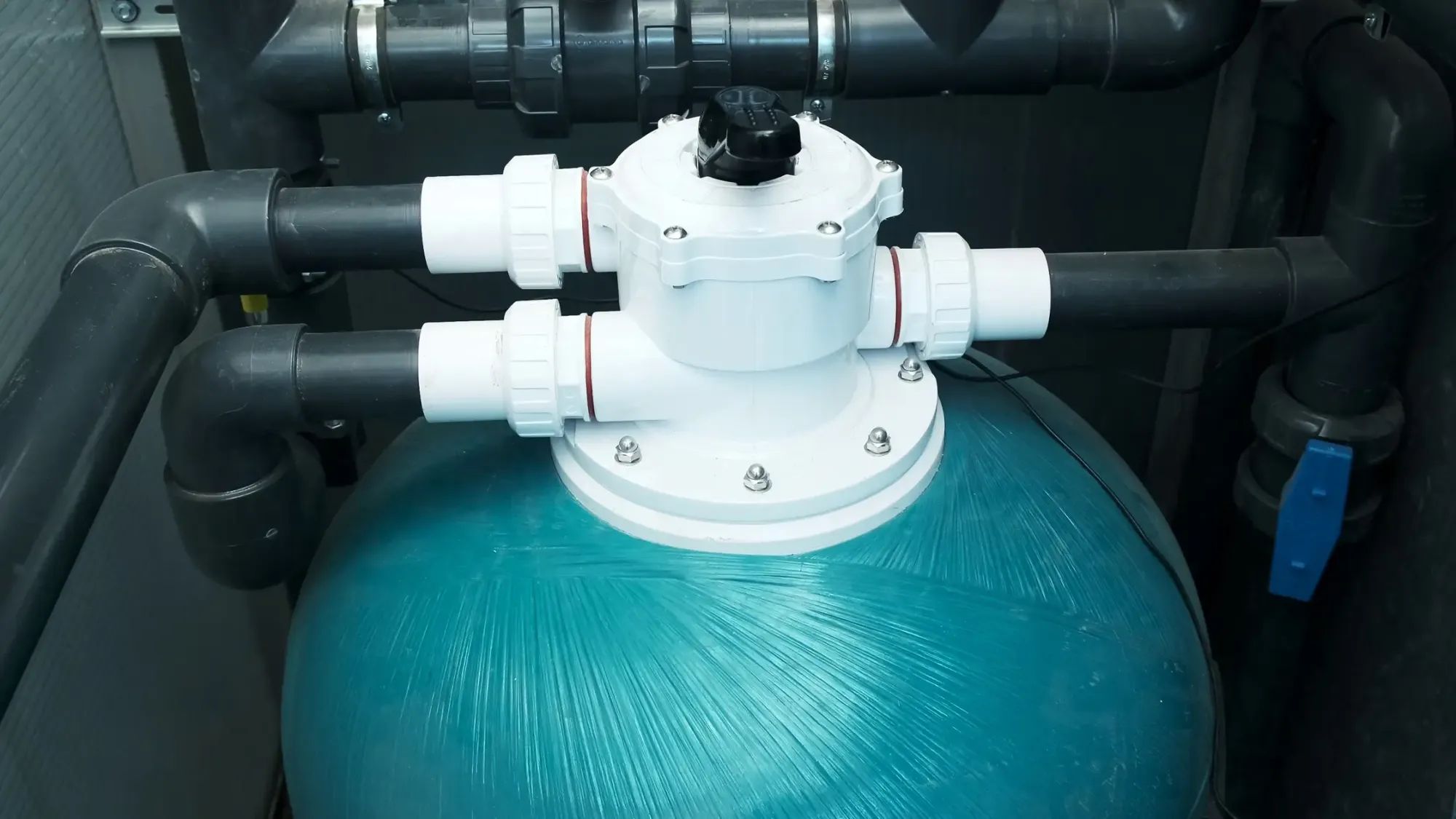
If you are wondering why does my pool pump keeps losing prime, the frustrating part is that the motor is usually not the real problem. A dry pump basket, a noisy motor, or a pump that keeps running out of water can make it feel like a bigger failure is coming next. In most cases, though, prime loss means air is getting into the suction side or water is being blocked before it reaches the pump.
Many of these problems are fixable with simple checks. Start with the easiest causes first, like water level, baskets, seals, and valves, before you assume the pump itself is worn out.
Let’s talk about the troubleshooting in a safe, practical order so you can narrow down the cause without guessing
Quick Fix Summary:
- Water Level: Halfway up the skimmer.
- Lid O-Ring: Clean and lubricate (No Vaseline!).
- Baskets: Clear debris from skimmer and pump.
- Check Valve: Inspect for backflow issues.
The Root Causes: Air Leaks vs. Flow Restrictions
A pool pump loses prime when it cannot keep a solid column of water moving into the impeller. According to standard pool plumbing practice, the first place to look is always the suction side, because that is where hidden problems usually live.
- Pressure side, after the pump — This part pushes water out toward the filter, heater, and returns. If there is a problem here, you usually see drips, puddles, or a clear drop in return flow.
- Suction side, before the pump — This part pulls water from the pool into the pump. Small cracks, loose fittings, low water level, or clogged baskets can pull in air without leaving any visible water on the ground.
- Why this matters — A suction side issue can break prime even when nothing looks wet. That is why a pump can act weak, sound stressed, and still have a perfectly good motor.
How to Fix a Pool Pump That Keeps Losing Prime
Start with the simple checks first. Turn off power at the breaker before opening the pump lid or touching plumbing.
Step 1: Check the Pool Water Level
The water should sit about halfway up the skimmer faceplate. If the level drops too low, the skimmer can pull in a swirl of air instead of a steady stream of water, and prime can disappear fast.
This is one of the easiest things to miss because the pump may still run for a while before the problem shows up. If topping off the pool restores normal basket fill, you have likely found the issue.
Step 2: Unjam Skimmer Weir Doors and Empty Baskets
A stuck skimmer weir door can block water from entering the skimmer the way it should. When that happens, the pump may drain the basket and start sucking dry air instead of water.
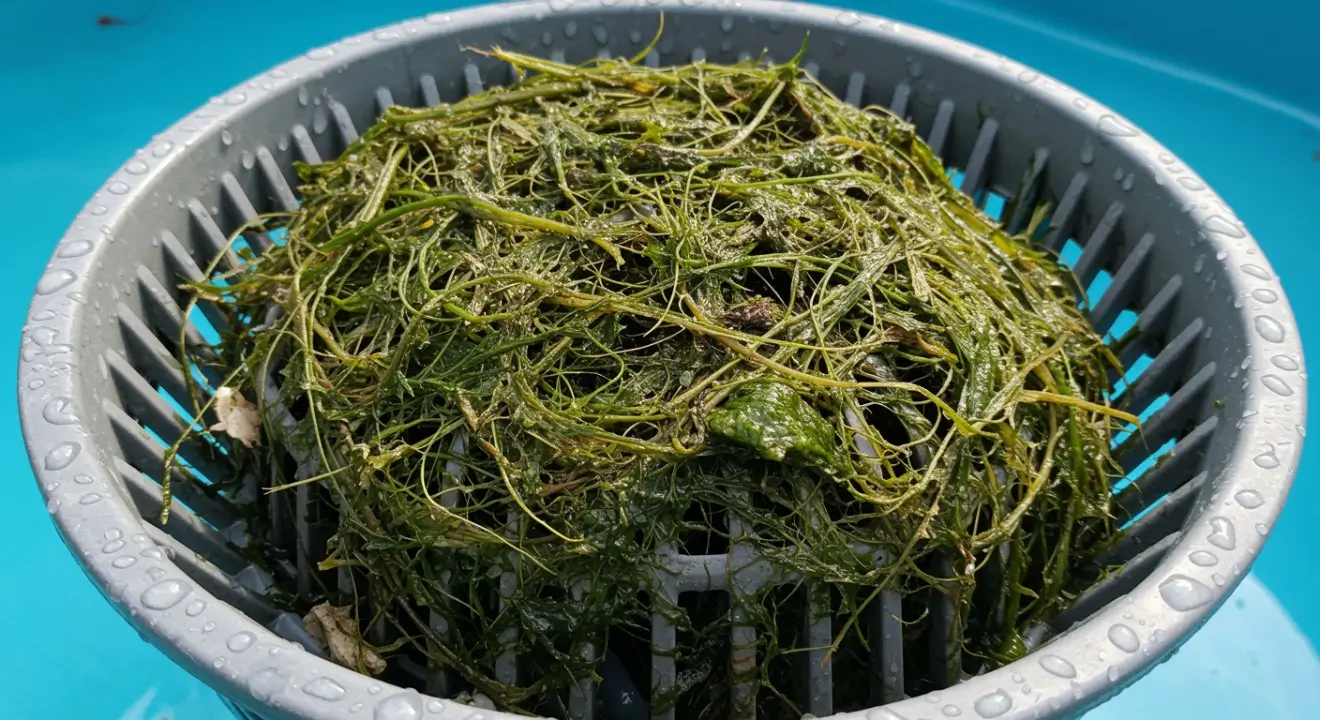
Heavy debris in either the skimmer basket or the pump basket can do the same thing. Leaves, hair, twigs, and fine grit all reduce flow, which starves the pump and makes prime loss more likely. Clear both baskets and make sure the weir door swings freely.
Step 3: Inspect and Lubricate the Pump Lid O Ring (The Number 1 Culprit)
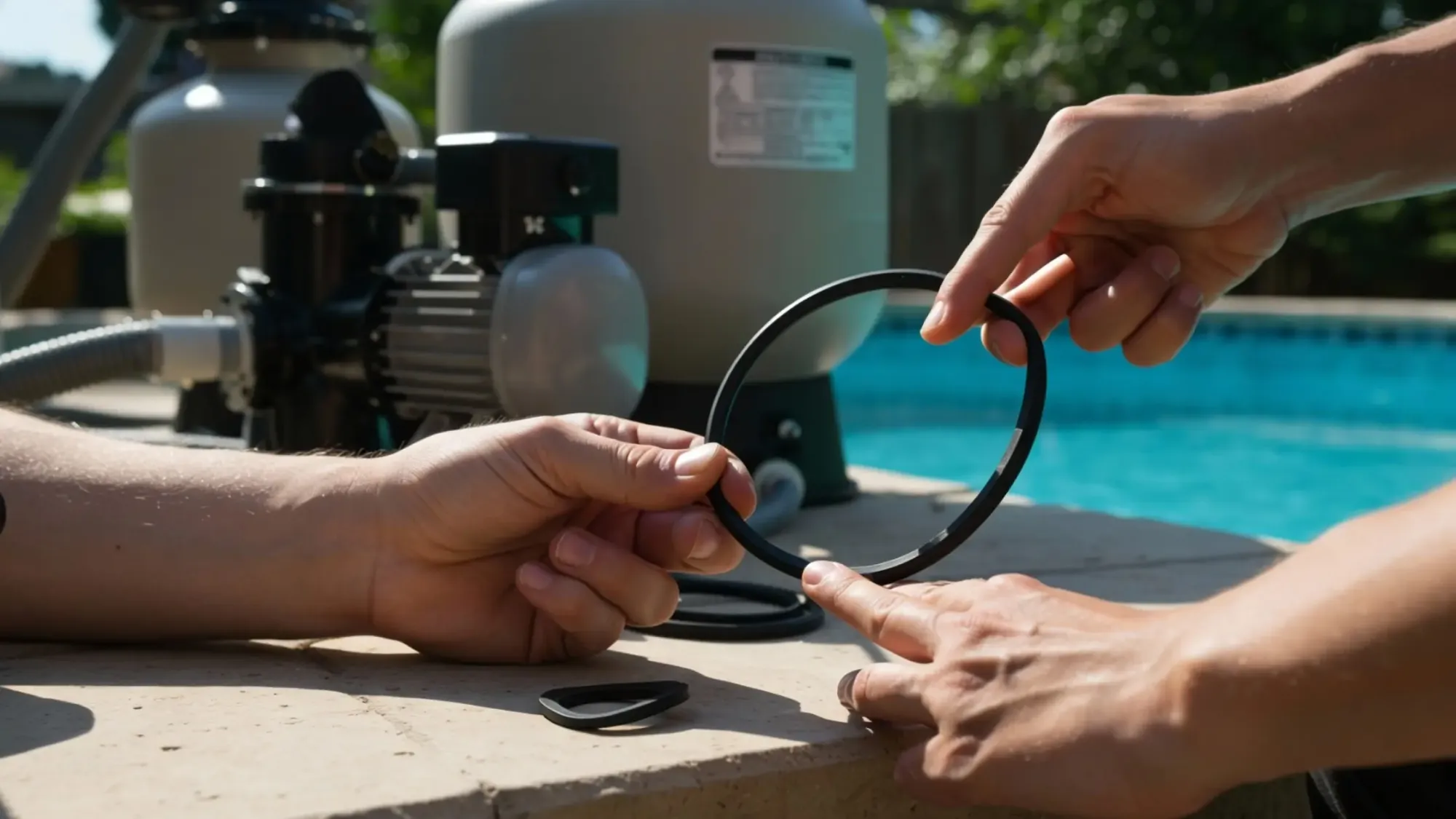
A dry, cracked, flattened, or stretched pump lid O ring is one of the most common causes of lost prime. Even a tiny gap at the lid can let air enter the system while the pump is running.
Remove the lid, wipe the groove clean, and inspect the rubber closely. If it looks brittle or misshapen, replace it. If it still looks usable, apply a pool safe lubricant made for O rings, then seat the lid evenly. Never use petroleum jelly or Vaseline, because those products can damage the seal over time.
If you want a deeper walk through, see how to lubricate pool O rings and filter pump.
Step 4: Tighten Drain Plugs and Plumbing Unions
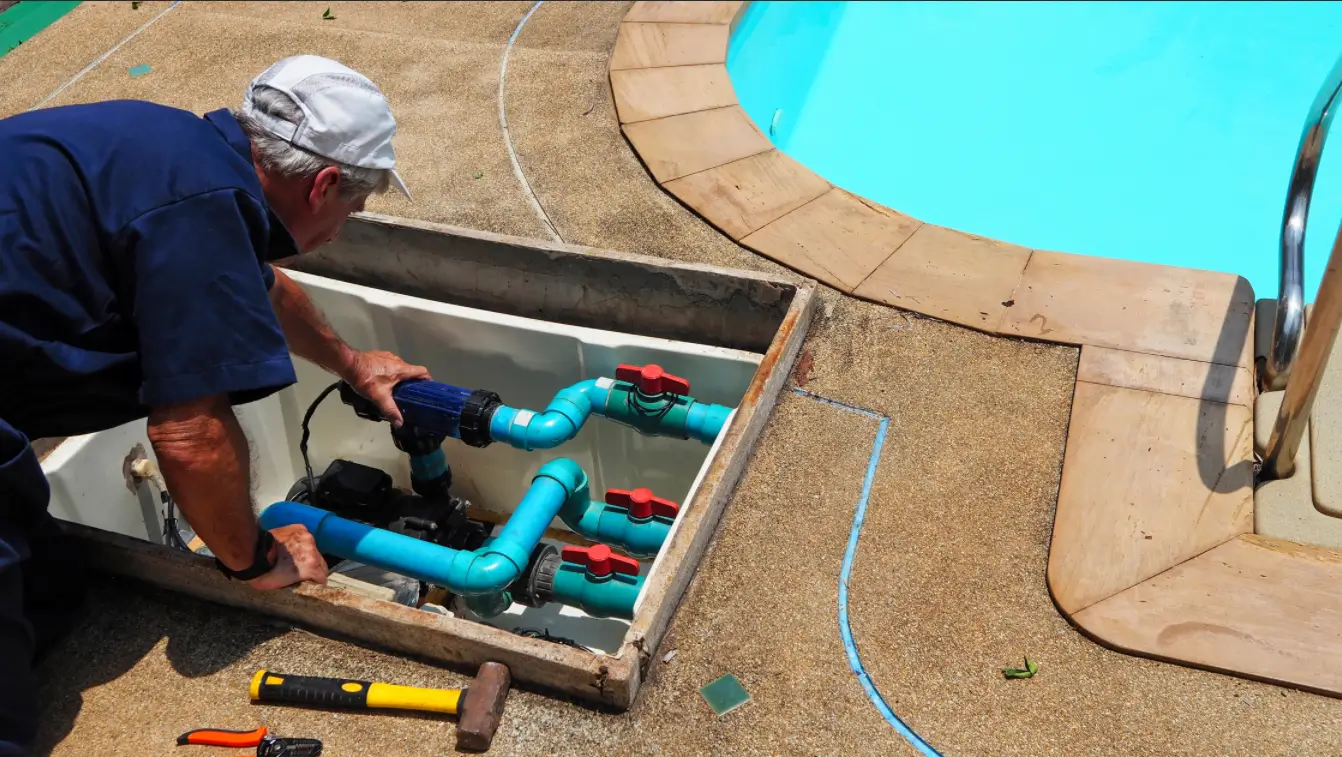
Check the threaded drain plugs on the pump housing and the unions or valves feeding the pump. Motor vibration can loosen these fittings little by little, and a small suction leak here can be enough to break prime.
Snug the parts by hand first, then tighten only as much as needed. If the plug or fitting is meant to seal with tape, a gasket, or an O ring, make sure the seal is in good condition instead of forcing the part tighter. Over tightening can crack plastic fittings and create a bigger problem.
Step 5: Perform the Shaving Cream Test for Invisible Leaks
If the leak is still hiding, use shaving cream to help find it. Spread a thin layer around suspect joints, lid seams, valve stems, and union connections while the pump is running.
If the cream gets pulled inward, disappears, or moves into one spot, that is likely where air is being drawn in. This test works well because suction leaks often do not drip water. They pull air inward instead.
Why Does My Pool Pump Lose Prime Overnight?
If the pump runs fine during the day but loses prime after the timer shuts it off, the water is probably draining back out of the lines while the system is off. That usually points to a failing check valve or a suction side leak that opens once the pump stops.
According to standard pool plumbing practice, a good check valve should hold the water column in place when the pump is off. If it does not, water can slide back toward the pool and leave the pump basket partly empty by morning.
Inspect for Failing Check Valves
Look inside the check valve for leaves, grit, a warped flapper, or a worn seal that keeps it from closing fully. Clean out any debris and make sure the valve closes smoothly by hand.
If the valve body is cracked or the seal no longer sits flat, replacement is usually the better fix. A pump should not need a full manual prime every morning. If it does, something is letting the water column break down while the system sits idle.
Preventative Maintenance to Protect Your Pump
Once the prime issue is under control, the next goal is to keep the circulation path clear. Fewer clogs mean less suction strain, steadier water flow, and less chance that air gets pulled into the system.
Reduce the Debris Load on Your Circulation System
When the skimmer and pump basket have to catch every leaf, bit of pollen, and piece of grit, they fill faster. That raises flow resistance and makes it easier for a pump to lose prime.
A dedicated cleaner can help take that load off the circulation system by handling debris before it reaches the skimmer and pump. That is where a robotic pool cleaner can help. If you want a practical bundle option, Aiper Experts Duo gives you a smarter way to reduce debris buildup before it can strain the pump. The benefit is simple. Less debris in the plumbing means less strain on the system, steadier suction, and fewer repeat prime problems.
Without that extra help, the main circulation system has to do all the work. Baskets clog sooner, flow drops, and lost prime can keep coming back.
Make O Ring Care a Routine Habit
Check the pump lid O ring at the beginning, middle, and end of the season. Wipe it clean, relubricate it, and replace it if the rubber starts to feel hard, shiny, or flattened.
This small habit can prevent many repeat prime problems. A spare O ring is cheap insurance compared with repeated troubleshooting on a pump that keeps pulling air.
When to Stop Troubleshooting and Call a Professional
If you have checked the water level, cleaned the baskets, serviced the O ring, tested for air leaks, and the pump still will not hold prime, it is time to stop the DIY work. At that point, you may be dealing with a cracked underground suction line, a hidden fitting leak, or a worn impeller inside the pump.
Major replumbing, underground pressure testing, and electrical troubleshooting are jobs for a certified pool technician. If the pump is overheating, tripping a breaker, or making unusual grinding noises, stop using it and get help before the damage gets worse.
Conclusion
A pool pump that keeps losing prime usually has one of two problems, air getting into the suction side or water being blocked before it reaches the pump. Start with the simple checks, then move to the lid seal, unions, and hidden leaks. Fixing the cause early helps protect the motor and keeps your pool easier to care for all season.
You can explore Aiper® cordless pool cleaner options at the store.
Frequently Asked Questions (FAQs)
Can a cracked pump lid cause a loss of prime?
Yes. A clear lid can develop hairline cracks from age, UV exposure, or over tightening, and even a small crack can let air into the system.
If the O ring looks fine but the pump still loses prime, inspect the lid itself very closely. A damaged lid can bypass the seal completely.
What if my baskets are clear, but the pump still struggles to prime?
You may have an obstructed impeller. Small debris like pine needles, pebbles, or hair can pass the basket and clog the impeller inside the pump housing.
If the impeller is clogged, the pump cannot pull enough water to stay primed. If you are not comfortable opening the pump safely, call a technician.
Can a pressure side leak cause my pump to lose prime?
Generally, no. Pressure side leaks usually push water out and create puddles or water loss, but they do not pull air into the system.
If your pump is losing prime, focus on the suction side first. That is where air enters without leaving an obvious wet spot.
Is it normal to lose 1/2 inch of water a day in a pool?
In peak summer heat, some evaporation is normal, and about 1/4 inch per day can happen in hot weather. But losing 1/2 inch every day is often more than evaporation alone.
If the water drops low enough to expose the skimmer, the pump can draw in air and lose prime quickly. That makes the water level worth checking first.
How many times should a pool pump turn over the water in an hour?
A pool pump is not meant to turn over all the water in one hour. A common pool industry target is one full turnover every 8 to 12 hours, depending on pool size, plumbing, and filter setup.
The exact target varies, but the goal is steady circulation without overworking the system. If the pump is undersized or the plumbing is restricted, turnover can suffer.