
Seeding or Sodding a Lawn: Which is Right for You?
Choosing between seeding and sodding depends on your budget, patience, and lifestyle: seeding is cheap but requires months of care and no traffic, while sodding offers instant results, handles light traffic sooner, and is ideal for warm-season climates.

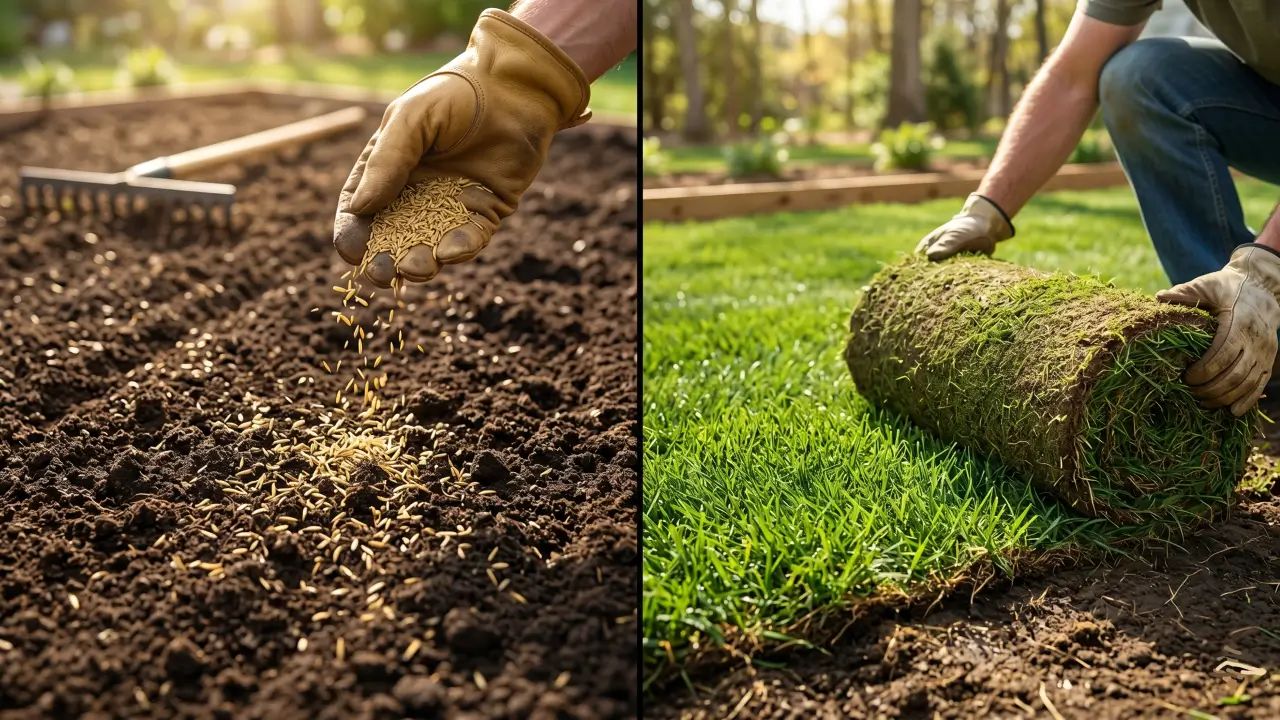
Every homeowner dreams of a lush, vibrant green yard, but getting there often involves a tough decision: seeding or sodding a lawn. If you are staring at bare dirt after new construction or trying to rescue a backyard full of dead patches, balancing your budget against the time it takes to see results can be overwhelming.
In this comprehensive guide, we will break down the true costs, timelines, and expert insights to help you choose the smartest path to a perfect yard.
Seed vs Sod: What’s the Difference?
Before diving into the heavy lifting, you need to understand the fundamental differences between planting grass seed vs sod.
Simply put, sowing involves spreading grass seeds over prepared dirt and nurturing them as they germinate over several months. Conversely, laying pre-grown turf gives you an instant carpet of mature grass that was cultivated on a professional farm.
Let’s look at how a sod or seed approach compares across the most critical factors for homeowners.
| Feature | Seeding (Grass Seed) | Sodding (Pre-grown Turf) |
|---|---|---|
| Establishment Time | 1 to 2 years for a dense, mature lawn | Instant visual results, usable in 2 to 3 weeks |
| Initial Cost | Very low | High investment |
| Labor Effort | High initial maintenance (watering/weeding) | High initial physical labor (heavy lifting) |
| Pet-Friendliness | Poor (Pets must stay off for months) | Good (Handles light traffic much sooner) |
Regional Factors: Cool-Season vs. Warm-Season Grass
When making your decision, your geographical location plays a massive role. The choice often comes down to the climate and the specific grass species that naturally thrive in your area.
Why the North is Better Suited for Seeding
Northern climates rely heavily on cool-season grasses like Kentucky Bluegrass, Perennial Ryegrass, and Tall Fescue. These varieties germinate quickly and thrive when sown in the early fall. The combination of warm soil, cooler air, and consistent autumn rain creates the perfect natural incubator. Because these grasses typically grow straight up rather than spreading via horizontal runners, sowing seed provides thick, even coverage that is highly cost-effective for northern homeowners.
Why the South is Better Suited for Sodding
If you live in the South, you are dealing with warm-season grasses such as Bermuda, Zoysia, Centipede, and St. Augustine. Unlike their northern counterparts, many premium warm-season grasses do not produce viable seeds or take an incredibly long time to establish from seed. Instead, they spread aggressively through horizontal stems (runners and rhizomes). Because of this unique growth habit, laying sod or sprigging is overwhelmingly preferred in southern states. It guarantees a uniform, weed-free lawn without the grueling, multi-year wait associated with warm-season seeds.
Seeding or Sodding a Lawn Cost Breakdown
When planning a landscape overhaul, the sod or seed cost is usually the deciding factor that pushes homeowners in one direction or the other.
Sowing seeds is incredibly budget-friendly up front. Premium seeds typically cost between $0.09 to $0.20 per square foot.
On the flip side, buying pre-grown turf is an investment in time-saving. It averages $0.30 to $0.80 per square foot for the materials alone. If you hire landscape professionals to do the heavy lifting, installation can push that total well over $1.00 to $2.00 per square foot.
A Real-World Scenario: Imagine you have a standard 2,000-square-foot backyard. Sowing premium fescue might cost you around $200 to $400 for the seeds and starter fertilizer. Rolling out instant turf for that exact same area could cost $1,000 to $1,600 just for the pallets of grass. You are essentially paying a premium to skip the awkward growing phase.
How to Plant a Lawn from Sod: Expert Steps
If you have decided to take the fast track and want to know how to plant a lawn from sod, preparation is everything. You cannot just throw green rolls over rocky dirt and hope they survive the summer heat.
Step 1: Test and Prepare the Soil
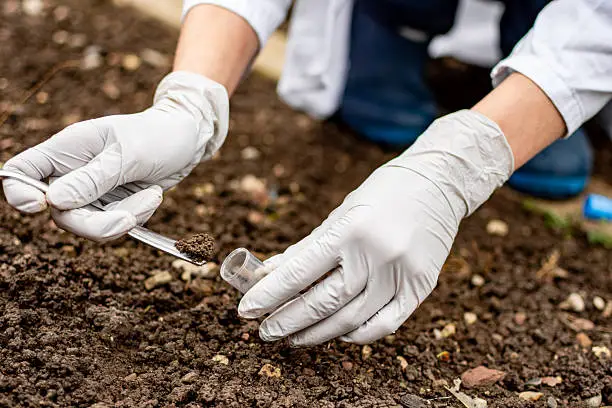
Before laying anything down, you must prepare a healthy foundation. According to guidelines from Penn State Extension, you should collect soil samples three to four weeks before preparing your site.
This allows you to adjust the nutrients accurately, which is why understanding the impact of soil pH on your lawn's health is a crucial first step for long-term success.
Step 2: Lay the Rolls Promptly
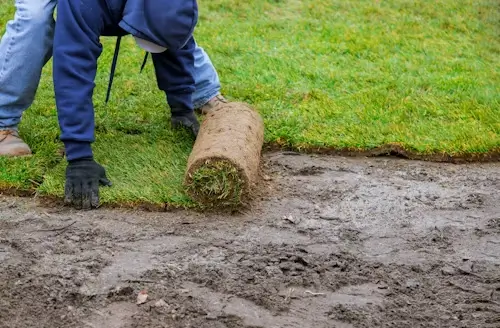
Fresh turf is highly perishable. You must lay it within 24 hours of delivery. Start along a straight edge, like a driveway or patio. Stagger the joints like brickwork, ensuring the edges are pressed tightly together without overlapping.
Step 3: Roll for Contact
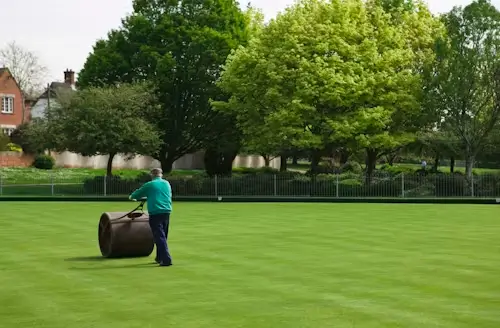
Once laid, use a lawn roller filled with water to press the turf firmly into the dirt. This eliminates dangerous air pockets and ensures the fragile roots make direct contact with the topsoil below.
Step 4: Water Deeply and Consistently
New roots dry out incredibly fast and will shrink if neglected. Establishing a strict hydration schedule is vital; you need to know exactly when to start watering your newly laid turf to prevent the edges from turning brown.

Is it Better to Seed or Sod a Lawn? (Pros & Cons)
Homeowners frequently ask in landscaping forums, is it better to seed or sod a lawn? The answer heavily depends on your specific lifestyle, especially if you have an active family or dogs.
The Case for Sowing Seeds: The biggest advantage here is variety. You can select specific grass blends tailored to your yard's unique shade levels or drought conditions. The roots also establish directly in your native dirt, leading to a deeper, more resilient root system.
However, the wait can be agonizing. You must keep kids and pets completely off the dirt for months. If your dog loves to dig or run zoomies, they will tear up the fragile sprouts instantly.
The Case for Pre-grown Turf: The instant gratification is undeniable. It acts as an immediate weed barrier and prevents soil erosion on sloped yards. If you have active dogs, turf is usually the only realistic option, as it can handle light paw traffic within a few weeks.
The downside? Besides the high cost, the transplant window is incredibly short. Furthermore, the varieties available at local turf farms are often limited to full-sun species.
Common Mistakes to Avoid When Starting Out
Whether you choose a DIY approach or hire a pro, avoid these hidden traps that can ruin your landscaping investment:
- Over-Tilling the Dirt: Many homeowners rent a rototiller, thinking they need to deeply churn up the entire yard. Over-tilling actually brings dormant weed seeds to the surface and destroys the soil's natural structure, leading to a bumpy, uneven surface later.
- Buying Cheap Builder-Grade Materials: Do not grab the cheapest, driest rolls sitting outside a big-box store. Those are often stressed or full of weeds. Always order fresh-cut turf directly from a reputable local farm.
- Shallow Watering: A light sprinkle every evening will not cut it. Both methods require deep moisture penetration to encourage roots to grow downward rather than staying dangerously close to the hot surface.
Summary & Your Smart Maintenance Plan
Deciding on seeding or sodding a lawn ultimately comes down to your budget, your patience, and whether your golden retriever rules the backyard. But regardless of which path you take, the first few weeks of watering will completely make or break your yard's survival.
Instead of dragging hoses around every morning and hoping you applied the right amount of water, automate your success. The Aiper IrriSense 2 smart irrigation controller takes the guesswork out of yard care.
By monitoring local weather data and allowing you to customize watering zones right from your phone, it ensures your fragile new seeds or fresh turf gets exactly the moisture it needs to thrive—saving water, lowering your bills, and giving you back your weekends.
FAQs About Lawn Establishment
Can I put grass seed over existing sod?
Yes, this process is called overseeding. It is a highly effective way to fill in bare spots, thicken up an older yard, or introduce shade-tolerant grass varieties to a fading lawn.
Which grows faster, sod or seed?
Pre-grown turf gives you a finished look immediately and establishes a solid root system in about two to three weeks. Sowing from scratch can take an entire growing season to become dense enough for regular backyard activities.
What is the cheapest way to plant a lawn?
Sowing grass seed yourself is by far the most economical method. However, you pay for those savings with your time, physical labor, and the rigorous weed-control maintenance required during the first year.