
Can You Swim in Cold Water? Temperature, Risks and Safety Tips


Swimming in cold water can feel refreshing, challenging, and even rewarding. From ocean swimming in winter to taking a dip in your backyard pool on a cool morning, more people are discovering the appeal of colder water.
But can you actually swim in cold water safely?
The answer is yes — but it depends on several factors, including the water temperature, how long you stay in, your swimming experience, and how well you prepare your body.
Cold water can create a strong reaction from your body, especially if you are not used to it. Understanding the risks and knowing how to prepare can help you enjoy cold water swimming while staying safe.
What Water Temperature Is Too Cold for Swimming?
There is no single temperature that is considered “too cold” for everyone. Your experience level, body composition, weather conditions, and swimming ability all affect how your body responds.
As a general guide:
| Water Temperature | What It Feels Like | Safety Considerations |
|---|---|---|
| Above 20°C | Comfortable for most swimmers | Suitable for regular swimming |
| 15–20°C | Cool and refreshing | Beginners should limit time and prepare properly |
| 10–15°C | Cold water | Cold shock response becomes more likely |
| Below 10°C | Extremely cold | Requires experience and careful preparation |
Remember that air temperature, wind, and whether you are swimming in a pool, lake, or ocean can all change how cold the water feels.
For beginners, starting with slightly cooler water and gradually adapting is usually safer than jumping straight into very cold conditions.
What Happens to Your Body in Cold Water?
When your body enters cold water, it immediately begins trying to protect your core temperature. This response is natural, but it can affect your ability to swim safely.
Cold Water Shock
The first reaction to cold water is often called the cold shock response. You may experience:
- A sudden gasp or faster breathing
- Increased heart rate
- A feeling of panic or discomfort
- Difficulty controlling your breathing
This is why entering cold water slowly and staying calm is important, especially during your first few swims.
Reduced Muscle Control
As your body cools down, your muscles and nerves do not work as efficiently. Your swimming ability can decrease, making it harder to move, grip, or maintain your normal technique.
Risk of Hypothermia
If your body loses heat faster than it can produce it, your core temperature can drop. Warning signs include:
- Strong or uncontrollable shivering
- Numbness
- Confusion
- Trouble speaking clearly
- Loss of coordination
If you notice these symptoms, get out of the water immediately and begin warming up.
Are There Benefits to Cold Water Swimming?
Many swimmers enjoy cold water swimming because it can feel energising and mentally refreshing.
Research into cold exposure is ongoing, but many people report benefits such as:
- Feeling more alert after a swim
- A temporary improvement in mood
- A sense of achievement from overcoming discomfort
- Enjoyment from spending time outdoors
However, cold water swimming is not a replacement for medical treatment, and the effects can vary from person to person.
The most important part of cold water swimming is enjoying it safely and listening to your body.

How Long Can You Stay in Cold Water?
There is no universal time limit because everyone reacts differently to cold water.
Beginners should focus on short, controlled swims rather than trying to stay in the water as long as possible.
A few tips:
- Start with shorter sessions and gradually increase your time
- Avoid swimming alone
- Leave the water before you become excessively cold
- Pay attention to how you feel during and after your swim
A longer swim does not necessarily provide more benefits. In cold conditions, safety should always come first.
How to Prepare for Your First Cold Water Swim
Your body needs time to adapt to colder temperatures. Preparation can make your first experience more comfortable and reduce the risk of cold shock.
Start Gradually
Cold showers can help you become more familiar with the sensation of cold water. They are not the same as swimming in cold conditions, but they can help you practise controlled breathing and staying calm.
Check the Conditions
Before swimming, consider:
- Water temperature
- Weather conditions
- Wind and rain
- Your own energy levels
Cold water feels much more challenging when combined with cold air or strong wind.
Never Swim Alone
Having another person nearby is one of the simplest ways to improve safety. This is especially important when swimming in unfamiliar locations or trying colder temperatures.
Essential Gear for Cold Water Swimming
The right equipment can help you stay warmer and safer.
Useful cold water swimming gear includes:
Neoprene Wetsuit
A wetsuit helps reduce heat loss and can make colder swims more manageable.
Swimming Cap
A large amount of heat can escape from your head, so a swimming cap can improve comfort, especially in colder water.
Neoprene Gloves and Boots
Your hands and feet often feel the cold first. Extra insulation can help you stay comfortable for longer.
Bright-Coloured Swim Cap or Tow Float
Visibility matters, especially when swimming outdoors. Bright equipment helps other swimmers, boats, or water users spot you more easily.
How to Prepare Your Pool for Cold Water Swimming
A clean and well-maintained pool creates a safer environment for swimming throughout the year.
Before taking a cold dip in your backyard pool, check:
- Water clarity
- Pool chemical balance
- Leaves and debris
- Algae growth
- The condition of pool surfaces
Cold temperatures do not completely prevent pool maintenance issues. Organic debris and algae can still affect water quality, especially when pools are not cleaned regularly.
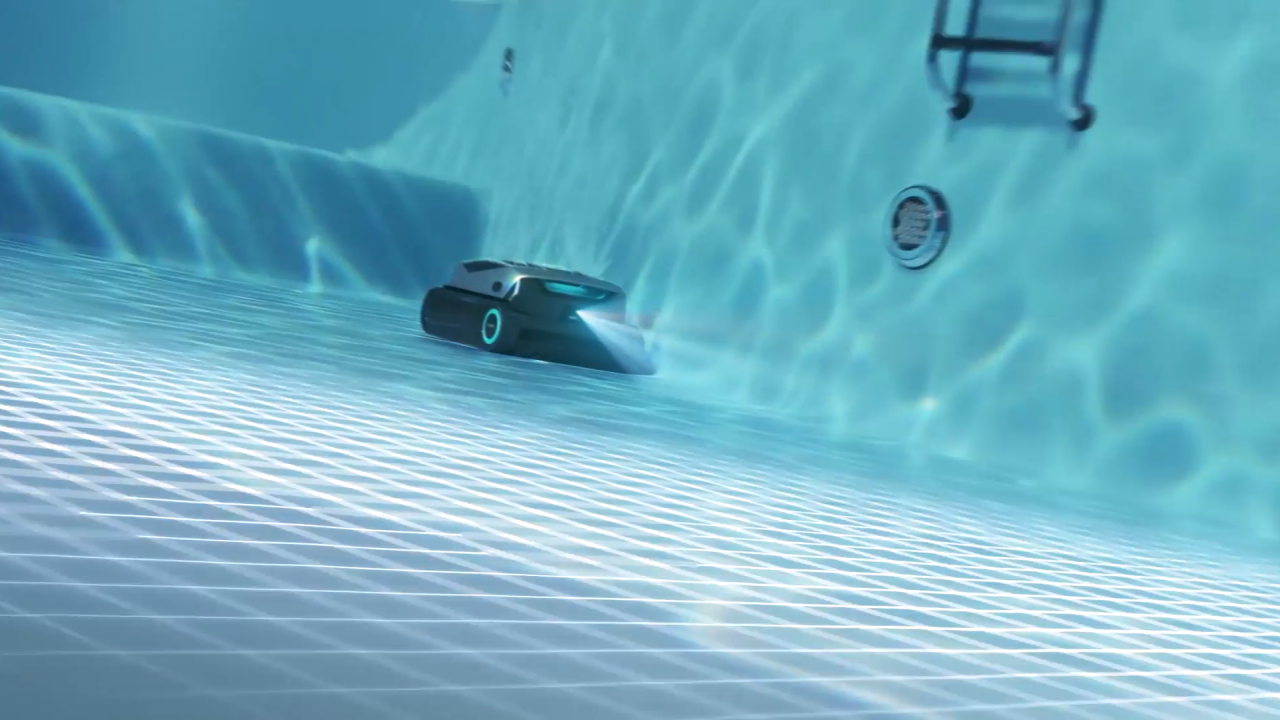
A robotic pool cleaner can help reduce routine maintenance by removing dirt, leaves, and debris from pool floors and walls, making it easier to keep your swimming environment ready whenever you want to take a dip.
What Should You Do After Cold Water Swimming?
Getting out of cold water does not mean your body immediately returns to normal. Some swimmers experience “afterdrop”, where their body temperature continues to fall for a short period after leaving the water.
Follow these steps after your swim:
1. Get Dry Quickly
Remove wet clothing and protect yourself from wind as soon as possible.
2. Put on Warm, Dry Clothes
Focus on warming your core first with dry layers, a hat, and warm footwear.
3. Warm Up Gradually
Avoid immediately jumping into extremely hot water. Allow your body to warm up steadily.
4. Have a Warm Drink
A warm drink can improve comfort and help you feel warmer while your body recovers.
Frequently Asked Questions About Cold Water Swimming
Can you swim in a pool when the water is cold?
Yes, you can swim in a cold pool, provided the temperature is suitable for your experience level and you take proper safety precautions.
Is cold water swimming safe for beginners?
Beginners can try cold water swimming, but they should start slowly, avoid swimming alone, and learn how their body responds to colder temperatures.
How cold is too cold to swim?
Water below 10°C can create significant cold-related risks and should only be approached by experienced swimmers with proper preparation.
Should you warm up immediately after cold water swimming?
You should warm up after swimming, but avoid sudden extreme heat. Dry clothes, shelter from wind, and gradual warming are recommended.
Final Thoughts
Cold water swimming can be an enjoyable way to challenge yourself and experience the outdoors, but preparation and safety should always come first.
Understanding water temperature, recognising cold shock symptoms, using suitable equipment, and knowing when to leave the water are essential skills for any cold water swimmer.
Whether you are swimming in the ocean, a lake, or your own backyard pool, a careful approach allows you to enjoy the experience while reducing unnecessary risks.