
Should You Leave Your Pool Cleaner in the Pool?
Leaving pool cleaners in water overnight is occasional okay, but long-term submersion causes chemical corrosion, sun damage and motor failure. Take it out especially during pool shock treatment.

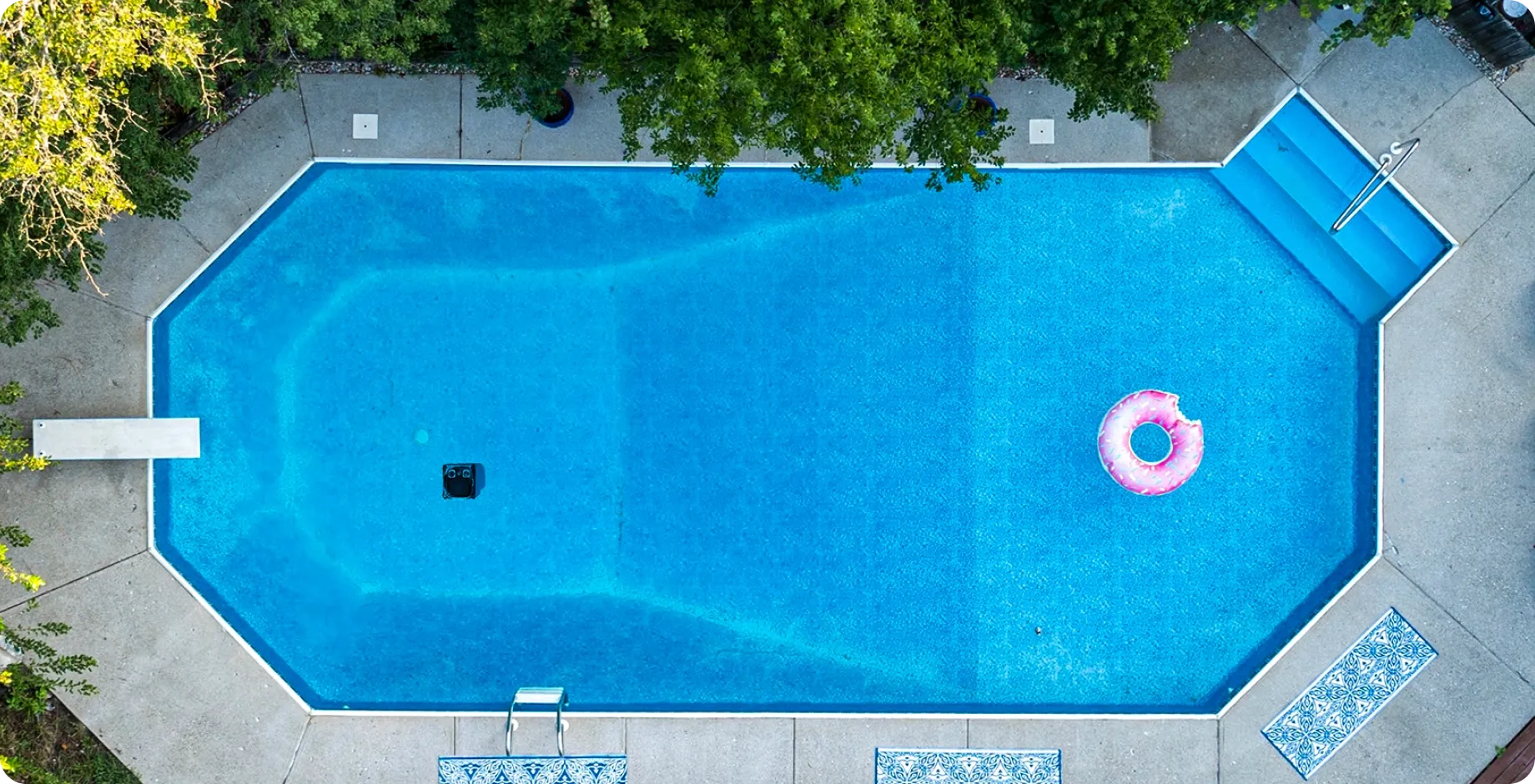
Owning a pool in Australia is the ultimate lifestyle win, but maintaining that crystal-clear oasis involves a fair bit of "behind-the-scenes" effort. If you’ve ever finished a cleaning cycle and thought about just leaving the vacuum submerged until the next swim, you aren’t alone. It’s a common shortcut, but is it actually safe for your equipment?
Key Takeaways
- The "One-Night" Rule: Leaving your cleaner in for a single night isn't the end of the world, but it shouldn't become your default routine.
- Watch the Wear: Constant contact with salt and chlorine slowly eats away at the rubber seals and internal gaskets that keep the motor dry.
- Under Pressure: Being submerged 24/7 puts steady pressure on the unit, which can eventually force water into the electronics.
- Sun Safety: That brutal Aussie sun isn’t just hard on our skin; it makes floating handles and plastic parts brittle enough to snap.
- The Shock Factor: If you’re super-chlorinating the water, get the cleaner out first. High chemical spikes can ruin tracks and void your warranty in hours.
Can You Leave a Pool Vacuum in Overnight?
The short answer is yes, you can leave your pool vacuum in overnight, but it shouldn't become a permanent habit. Most modern cleaners are engineered to withstand a standard cleaning cycle and a few extra hours of "soaking" without instant failure.
Most experts look at these cleaners as "in-and-out" tools instead of something that lives in the pool full time. You won't face a total disaster if you accidentally leave it in overnight once or twice, especially if your water levels are balanced. However, leaving it at the bottom of the pool 24/7 is a different story. It puts your investment under a constant cycle of chemical exposure and water pressure that it isn't built to handle for long periods of time.
Risks of Leaving Your Cleaner Submerged
Chemical Damage to Seals and Gaskets
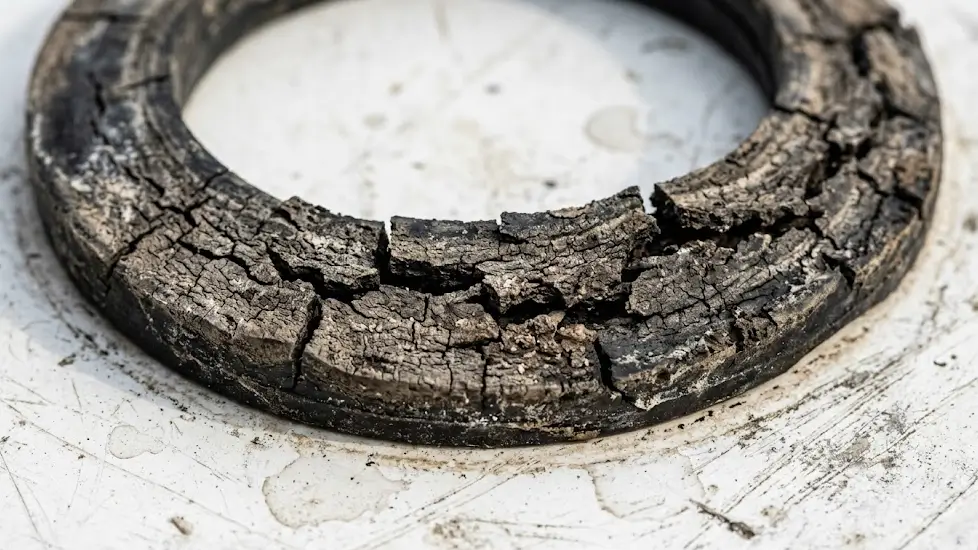
To keep the water safe and clear during a scorching Aussie summer, most of us rely on heavy salt chlorination or constant chemical dosing. It’s great for swimmers, but it’s tough on gear. Over time, those shifting pH levels and high chlorine spikes act like a slow-motion solvent, gradually wearing down the rubber seals and internal gaskets that protect your cleaner’s "brain." Once these flexible parts start to perish, the watertight barrier fails, and that’s usually when you're hit with the bill for a costly internal motor repair.
Water Ingress and Motor Failure
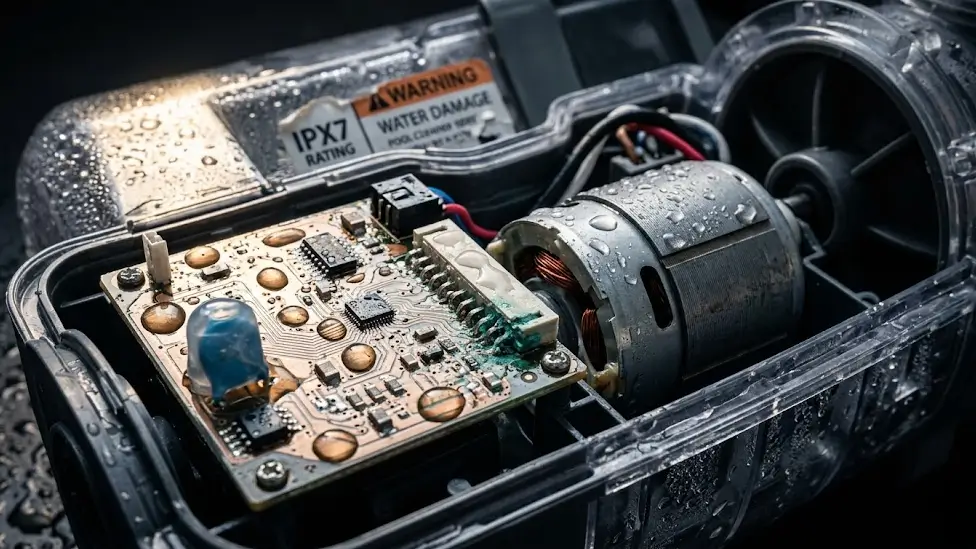
Leading robotic engineering principles dictate that seals are rated for specific pressure durations. Most cleaners are designed for 2-to 3-hour cycles. When a device stays at the bottom of the pool indefinitely, it is under constant hydrostatic pressure.
If those seals get even a little bit brittle from the pool chemicals, the water pressure will eventually find a way into the motor housing. Once that water hits the sensitive electronics inside, the motor usually dies on the spot. To make matters worse, that kind of damage often means your warranty won't cover the repairs.
Sun Damage and Plastic Degradation
We all know how punishing the Australian sun can be. While the body of the cleaner is underwater, floating cables, handles, and connectors often sit right at the surface or just above it. UV radiation causes a process called photodegradation. This breaks down the polymer chains in the plastic, causing your equipment to fade, become brittle, and eventually crack or snap under the slightest pressure.
How Submersion Affects Different Cleaner Types
Robotic Pool Cleaners
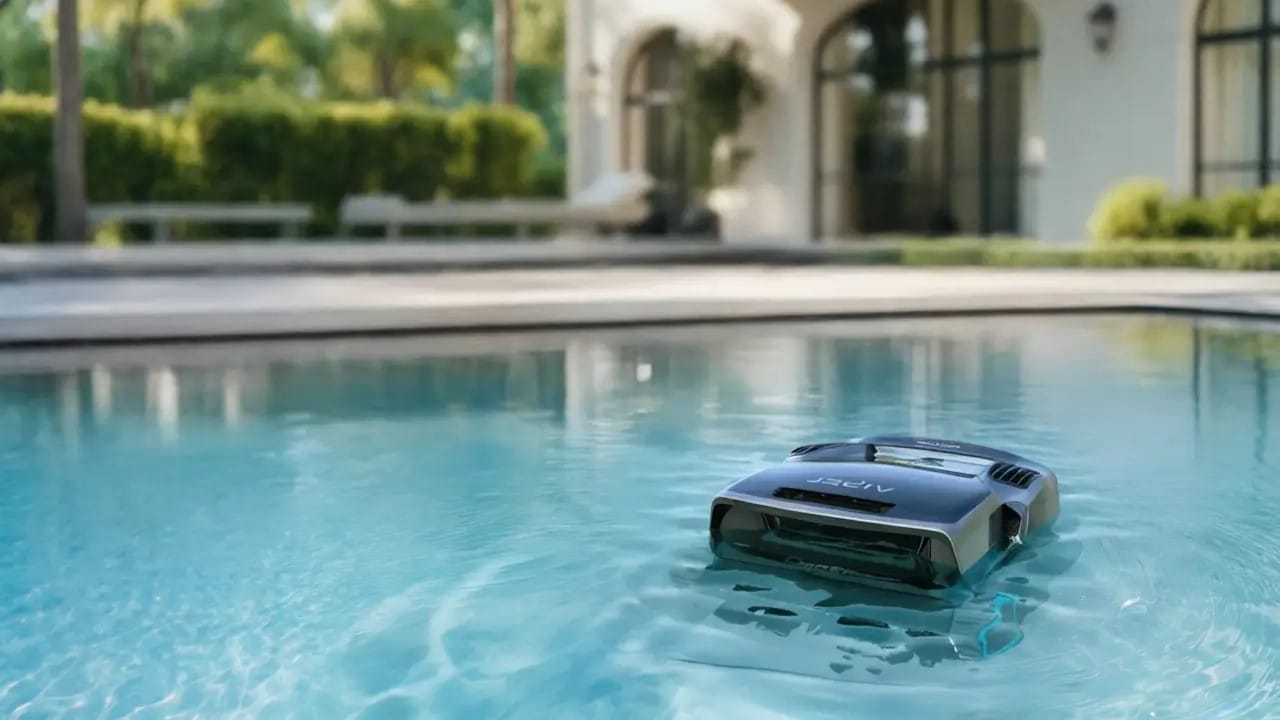
Robotic pool cleaners represent the pinnacle of pool tech because they operate independently of your main filtration system. However, because they contain sophisticated onboard electronics and batteries, they are the most sensitive to over-submersion.
Many pool owners find the chore of hauling a heavy, water-logged machine over the coping to be a major "pain point." This leads to the temptation to just leave it in the water. However, taking your robot out is much easier when you don't have to wrestle with tangled cords or heavy, suction-locked hoses.
For example, a modern cordless robotic cleaner like the Scuba X1 Pro Max eliminates the "cord-tangle" frustration entirely. By removing the physical barrier of a power lead, the "pain" of retrieval is gone, ensuring you actually protect your device by storing it correctly. Failing to remove these electronic units regularly significantly increases the risk of battery degradation and board corrosion.
Suction and Pressure Cleaners
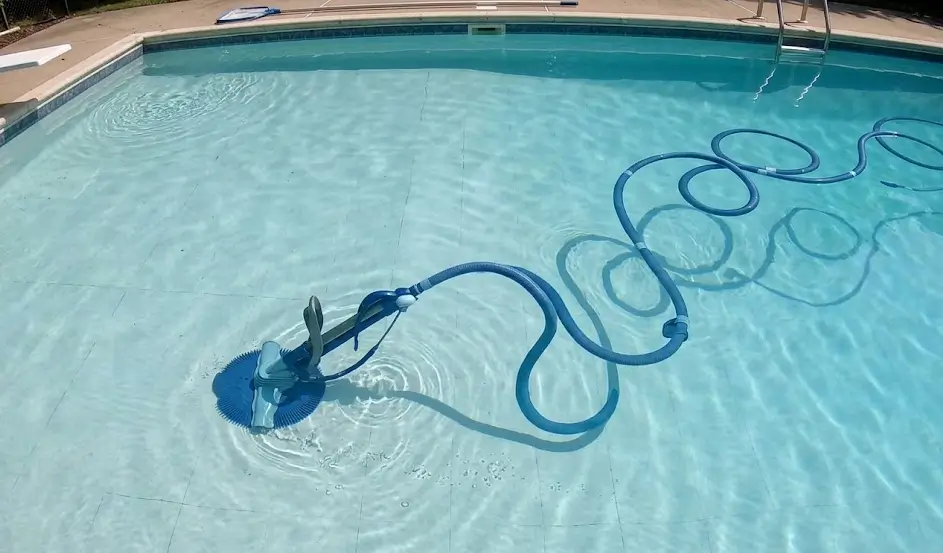
The classic "creepy crawlies" that run off your pool pump are definitely built to handle more water time than a high-tech robot. Since they don’t have sensitive electronics, they can take a bit more of a beating, but they still aren't bulletproof. If you leave them in too long, the plastic hoses often develop "hose memory," meaning they stay coiled or stretched in one shape.
This makes it impossible for the cleaner to move around properly and reach every corner. Plus, the rubber skirts and footpads on the bottom tend to perish much faster when they are constantly soaking in chemicals.
Never Leave Cleaners in During a Pool Shock
This is the absolute limit for any pool equipment. Super-chlorinating or "shocking" your pool creates an incredibly aggressive chemical environment designed to kill bacteria and algae instantly. This high concentration of oxidisers will rapidly bleach plastics and cause tracks and seals to become "gummy" or brittle in a matter of hours.
Always remove your cleaner before adding shock treatment and wait until your chlorine levels return to the safe swimming range before putting it back in.
How to Store and Maintain Your Pool Vacuum
Empty and Rinse the Filter
Leaving debris inside the cleaner while it sits on the deck is a recipe for trouble. Organic matter like leaves and gum nuts will begin to rot, creating a foul-smelling sludge that can stain the filter canister or bag. After every cycle, give the filter a quick spray with a garden hose to keep it in top shape.
Store Out of Direct Sunlight
Once rinsed, your cleaner needs a safe home. Keep it under a patio, in a shed, or on a dedicated caddy. This allows the unit to air-dry completely without being baked by UV rays. Proper storage is the simplest way to extend the lifespan of your equipment by years.
For more advice on maintaining your pool setup, check out our guides on a manual vs robotic pool cleaner or learn the best practices for how to store pool equipment during the off-season.