
Low Water Pressure to Sprinklers: Causes, Diagnosis, and Fixes for Australian Homeowners
Low sprinkler water pressure mainly comes from clogged heads, closed valves, pipe leaks and peak supply drops. Test pressure correctly and apply simple fixes, stick to regular maintenance to keep irrigation systems running smoothly.

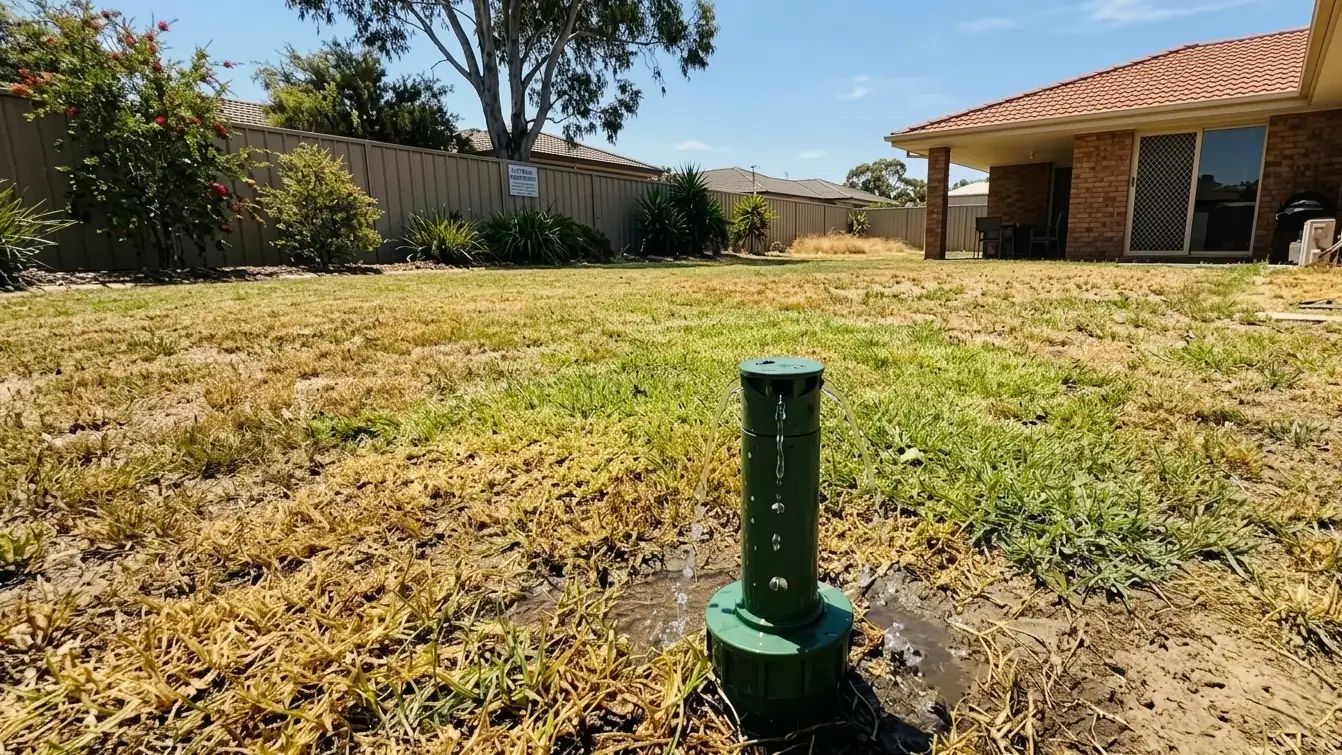
There is nothing more frustrating than heading out on a scorching 40°C afternoon only to find your lawn looking parched and patchy. If you’ve noticed your once-strong watering arcs have turned into a sad, weak dribble, you are likely dealing with low water pressure to sprinklers. This common headache can leave your grass dying in the heat, but the good news is that most causes are easy to track down and fix.
Why Is My Sprinkler Pressure Low? (The Most Common Causes)
Before you start digging up your backyard, it is important to understand that low pressure can stem from several different sources. In Australia, residential water pressure is typically measured in kilopascals (kPa). According to Irrigation Australia, most residential systems need between 200 and 350 kPa to pop up and spray effectively. If your local council water authority has lowered the pressure or if your suburb is hitting "peak hour" (usually between 6:00 am and 9:00 am), your system might struggle to perform.
Clogged or Dirty Sprinkler Heads
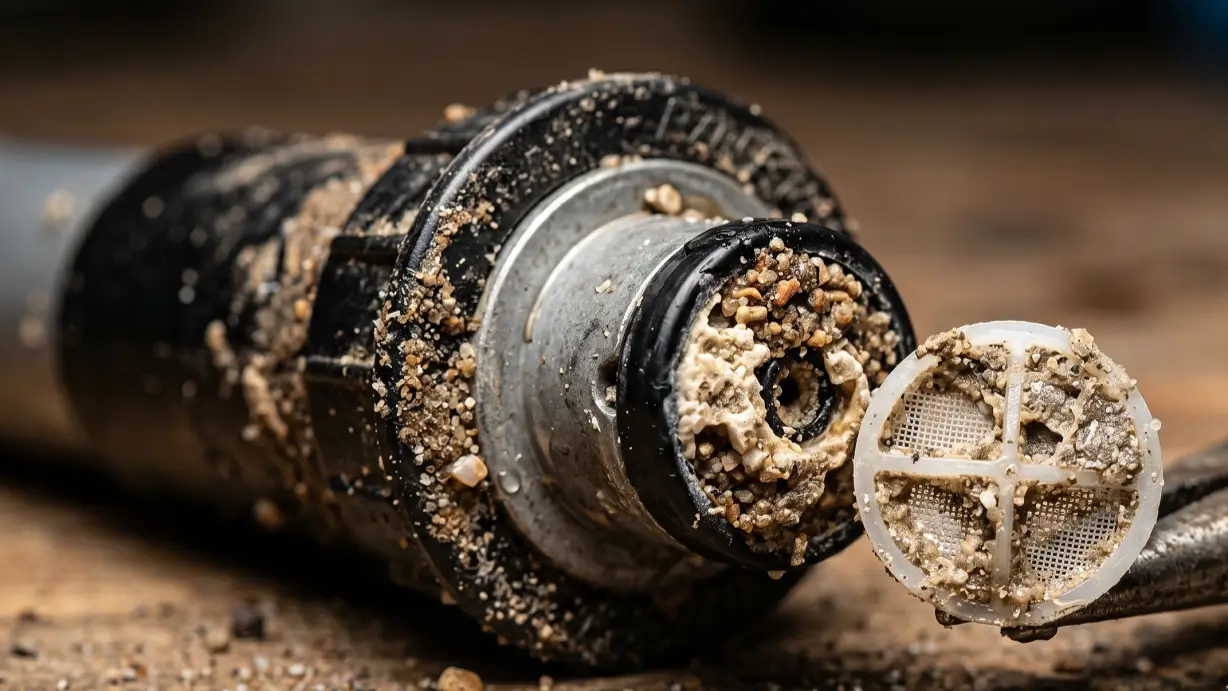
Over time, dirt, sand, and calcium deposits build up inside your nozzles. If you notice a fine mist instead of a strong arc, or if just one head is acting up, a clog is likely. This is the most common DIY fix: simply pop the head out, rinse it in a bucket of clean water, and check the small filter screen inside for grit.
Backflow Preventer Valve Not Fully Open
The backflow preventer is the device sitting above ground, typically right near your main tap. It features two valves on the horizontal and vertical sections of the pipe. If either handle is even slightly nudged, it chokes the water flow. To get full pressure, both handles need to be sitting perfectly parallel to the pipes. It’s very common for these to get bumped or accidentally turned while you're working in the garden.
Leaks in the Irrigation Line
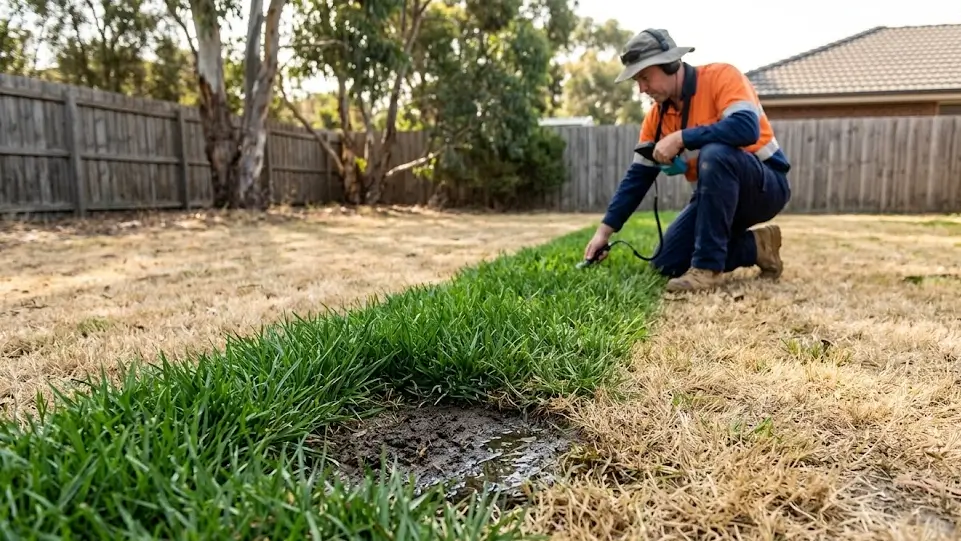
A hidden leak underground literally steals water before it can ever reach your sprinkler heads. If you notice unusually lush green strips of grass, sinking wet patches, or if your water meter dial keeps spinning when every tap in the house is off, you likely have a cracked pipe. Finding and fixing these usually requires a specialist with the right gear to locate the break without digging up your whole yard.
Municipal Water Supply Pressure Drop
During a hot Aussie summer, everyone waters at once. This massive demand can cause the town’s water pressure to dip. If your indoor taps also feel "weak" in the morning, the problem is the main supply. The easiest fix is to schedule your watering for off-peak hours, ideally before 7:00 am, which also keeps you in line with most council water restrictions.
Zone Valve Issues and Overloaded Zones
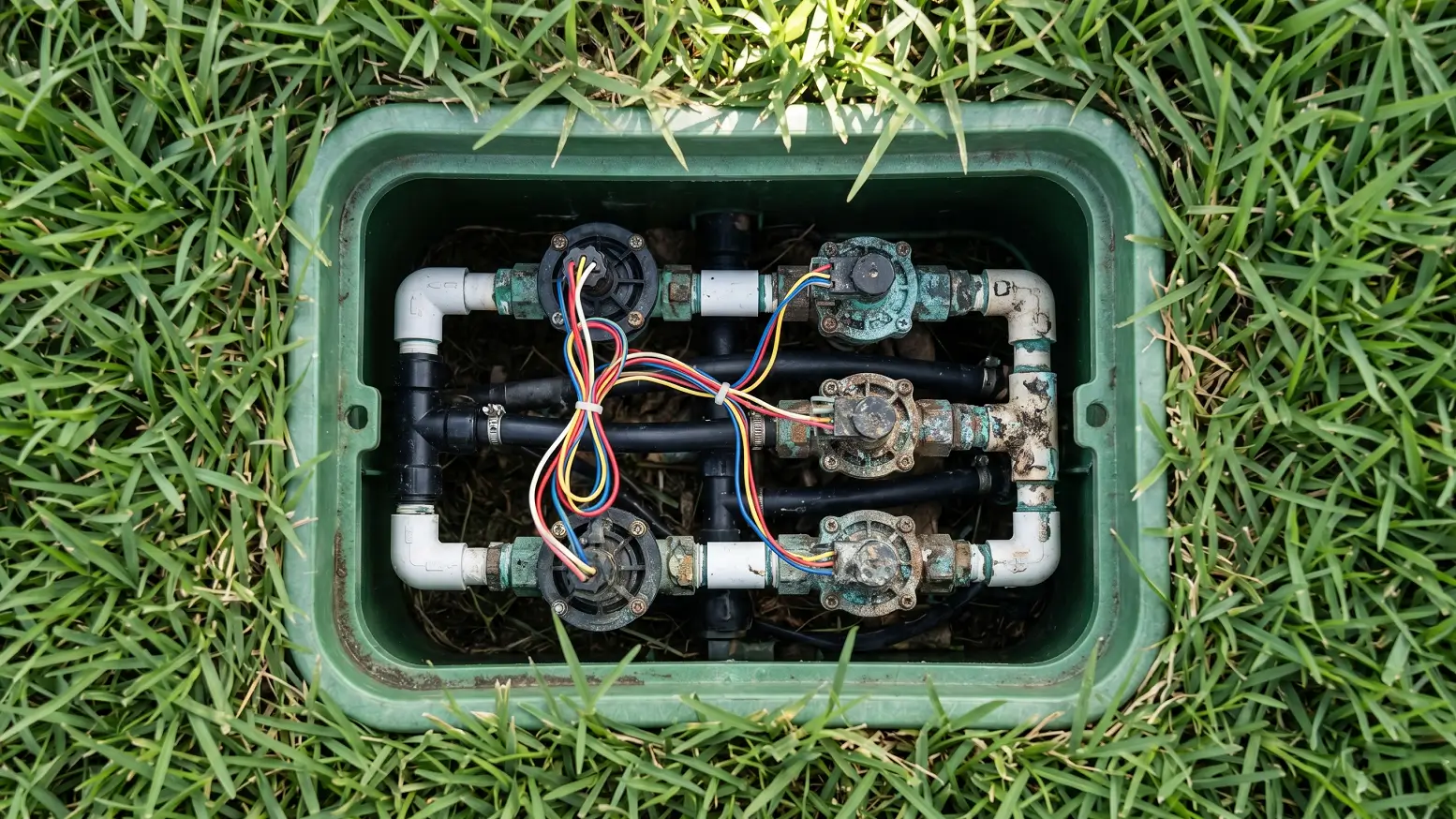
If only one part of your yard has low pressure, that specific zone valve might be faulty or blocked. Alternatively, the system might be "overloaded." If too many heads were added to a single zone during a renovation, the flow capacity is stretched too thin, and no single head gets enough "grunt" to spray.
How to Test Your Sprinkler Water Pressure at Home
You don't need a degree in engineering to check your pressure; a basic pressure gauge from the hardware store will do the trick.
- Check Static Pressure: Hook the gauge up to an outdoor tap. Make sure no other taps, showers, or washing machines are running. Turn the tap on fully and check the reading. For most pop-up sprayers, you want to see 200–350 kPa. If you have large rotor heads, you’ll likely need closer to 400 kPa.
- Check Dynamic Pressure: Do the same test at the irrigation zone inlet while the sprinklers are running. If the drop between the tap and the zone is massive, you know the restriction is happening somewhere in your pipes or valves.
How to Fix Low Water Pressure in Your Sprinkler System — Step by Step
Once you've done your detective work, follow these steps to get the pressure back where it belongs.
Step 1 — Check and clean sprinkler heads.
Start with the easiest task. Unscrew the nozzles of the worst-performing heads. Give the nozzle and the little plastic filter screen a thorough rinse to get rid of any silt or minerals. If the plastic looks cracked or the spring is gone, just swap it for a new one—they are cheap and easy to replace.
Step 2 — Fully open the backflow preventer valves.
Locate your backflow device and check those two handles. Even a slight angle can cut your pressure in half. Turn them so they are exactly parallel with the pipes. Retest your sprinklers immediately; you might find this was the only problem.
Step 3 — Inspect for underground leaks.
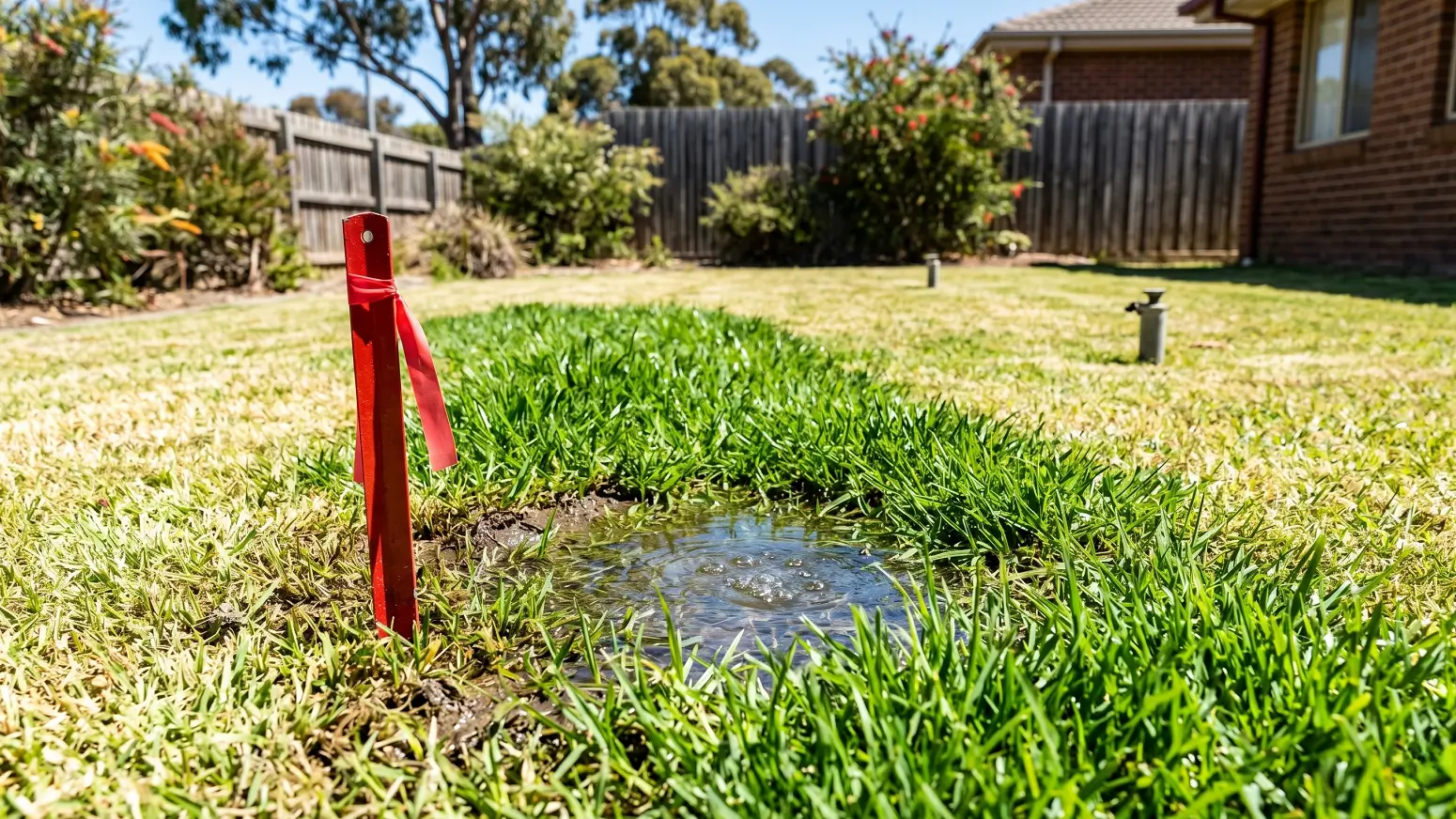
Turn the system on for five minutes and take a walk. Look for "bubbling" soil, sinking grass, or water pooling on your nature strip. If you find a swampy spot, mark it with a stake. Unless you are handy with pipe cutters and PVC glue, this is usually the time to call in a pro.
Step 4 — Check your main tap and zone valves.
Pop over to your water meter box and double-check that the main shut-off valve is cranked all the way open. After that, find your valve box (the one usually tucked away in the grass) and try manually bleeding each zone valve to see if the flow picks up. Sometimes those solenoids just get stuck and need a quick nudge to get moving again.
Step 5 — Adjust zone sizing or install a booster pump.
If your house pressure is naturally low (below 150 kPa), you might need a residential booster pump. If the pressure is fine but the system is just too big, consider capping off one or two heads per zone to give the remaining ones more power.
Even when your pressure is perfect, traditional systems can be a nightmare to keep balanced. You often end up with "dry spots" because the spray pattern isn't perfectly even across the whole zone. This is where moving away from old-school pipes and heads can save you a lot of grief.
When Low Pressure Is a Sign You Need a Smarter System
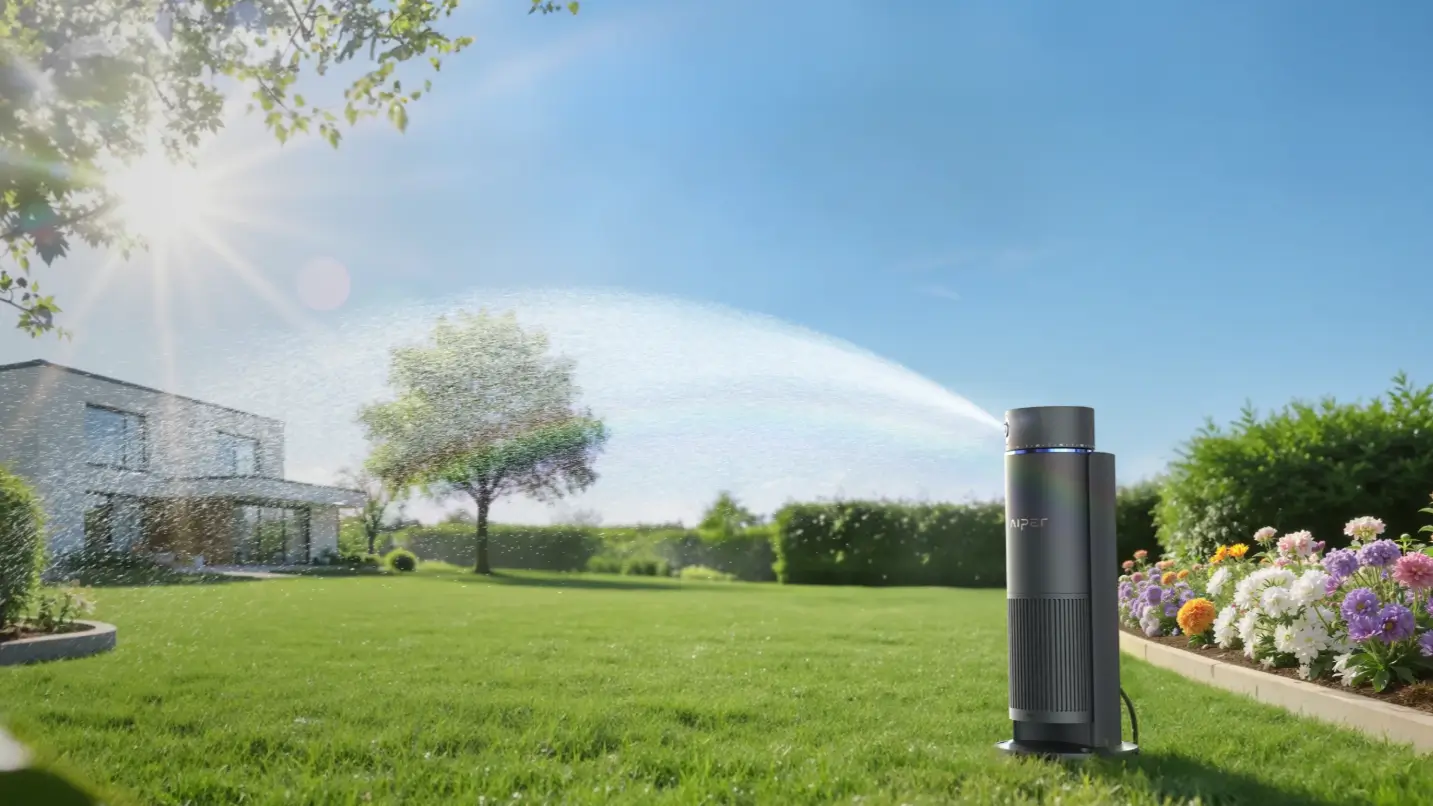
If you are constantly chasing leaks, cleaning heads, and fighting with valves, your irrigation system might simply be past its use-by date. Constant pressure issues and high water bills often mean the setup is just inefficient.
Instead of repairing a broken network of pipes, many homeowners are switching to the Aiper IrriSense 2. This is a 4-in-1 smart irrigation unit that replaces those complex multi-head systems. It covers up to 445 m² and uses EvenRain™ tech to make sure every blade of grass gets the same amount of water, regardless of minor pressure shifts. Best of all, it automatically pauses for rain or high winds and requires no digging, meaning no more underground leaks to worry about.
Preventive Maintenance to Keep Sprinkler Pressure Strong
- Spring Flush: At the start of the season, remove the last head on each line and run the water for a minute to flush out any gunk that settled over winter.
- Monthly Health Check: Run each zone for two minutes once a month to check for blocked nozzles or new leaks.
- Be a Morning Person: Always schedule your watering before 9:00 am. It avoids peak municipal demand and keeps you compliant with local water restrictions.
- Annual Valve Check: Inspect your backflow and zone valves once a year for leaks or corrosion.
Final Words
Most low-pressure issues are easy to find and fix yourself in about half an hour. By keeping your heads clean and your valves open, you can ensure your lawn stays hydrated even through the worst of an Australian summer. A well-maintained, high-pressure system is the best way to keep your garden thriving and your water bills under control.
FAQs
Can a clogged sprinkler head cause low pressure in the whole system?
Usually, a clog only affects one or two heads. However, if your water has a lot of minerals and multiple heads get blocked at the same time, the overall performance of that zone will tank. It's best to clean them one by one to see if the pressure returns.
What kPa should my sprinkler system be?
In Australia, aim for 200 to 350 kPa for standard pop-up systems. If you have large rotors, you might need up to 400 kPa. If your pressure gauge shows anything under 150 kPa, your heads probably won't even pop out of the ground.
Should I call a plumber or an irrigation specialist?
For underground leaks or faulty zone valves, call a licensed irrigation specialist. They have the specific tools for garden systems. If it’s just cleaning heads or checking your backflow handles, you can easily handle that yourself with a bit of time and a spanner.