
How to Paint a Concrete Swimming Pool: Guide for a Longer-Lasting Finish
Painting a concrete pool lasts longer with full surface prep, repairing cracks, removing loose old paint, choosing compatible coating, proper weather timing & full curing before refilling to avoid peeling and blistering.

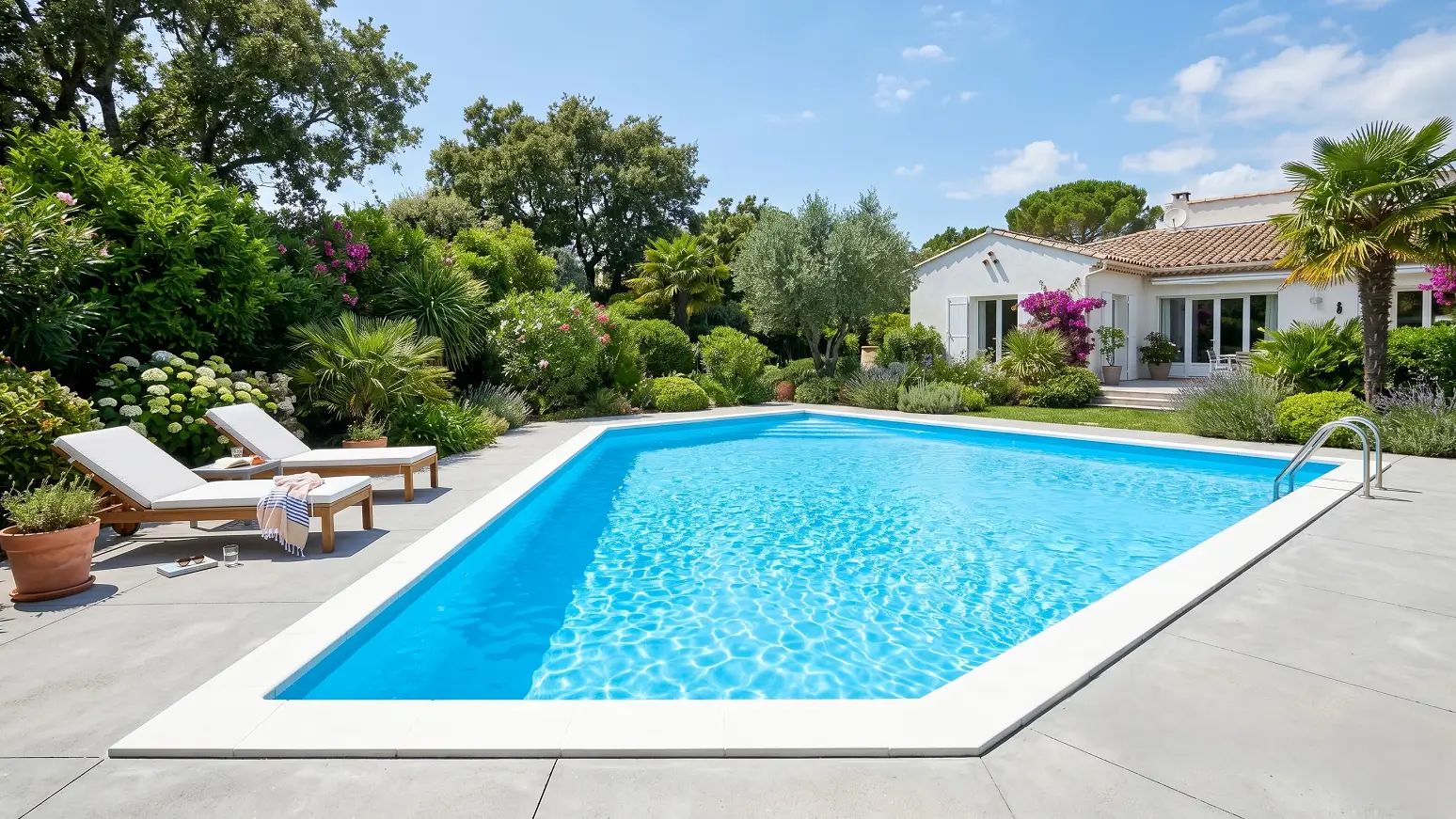
A tired-looking concrete pool can really drag down the whole backyard. Maybe the colour has faded, there are stains that never quite come out, or the surface just looks patchy and old. That is usually when people start thinking about repainting. On the surface, it feels like a simple job. Empty the pool, put on a new coat of paint, and it should look good again. But this is where a lot of projects go wrong.
The finish that actually lasts has much more to do with how well the pool is prepared, whether the paint is the right match, and how long it is left to cure. Not every pool is in the right condition to be painted straight away. This guide will walk you through how to check where your pool stands, how to prep it properly, how to paint it step by step, and how to avoid the common mistakes that lead to peeling or early failure.
What to Check Before You Paint a Concrete Pool
Before you rush out to buy paint or gear, it is worth slowing down and having a proper look at your pool. This part might not feel exciting, but it is often what decides whether your paint job lasts for years or starts failing after one season.
- Paint condition: Start by checking the current paint. Walk around the pool and look closely for signs like flaking, a powdery or chalky feel, bubbles, or peeling patches. If you notice any of these, it usually means the existing coating is breaking down. Painting over it will not fix the issue; it will just hide it for a short time before the new layer starts lifting too.
- Surface damage: Keep an eye out for cracks, hollow spots, or any areas that have been patched before. Even small imperfections can affect how well the new paint sticks, so it is better to deal with them now rather than after everything is finished.
- Moisture levels: Moisture is something a lot of people tend to overlook. Concrete really needs to be completely dry before you start painting. If there is still moisture trapped inside the surface, it can cause the new coating to bubble up or peel later on. This becomes even more likely in cooler or humid weather, when drying takes longer than expected.
- Weather window: Timing is just as important. You need a solid stretch of stable weather with no rain and mild temperatures. On top of that, you also need enough time after painting for the coating to fully cure before the pool is filled again. If you rush this step because the forecast is uncertain, it can easily undo all the effort you put in.
- Paint compatibility: Not all coatings are compatible with each other. Using the wrong combination can lead to bonding issues and early failure. When you know what you are starting with, it is much easier to pick the right product and avoid problems later on.
Do You Need to Remove Old Pool Paint First?
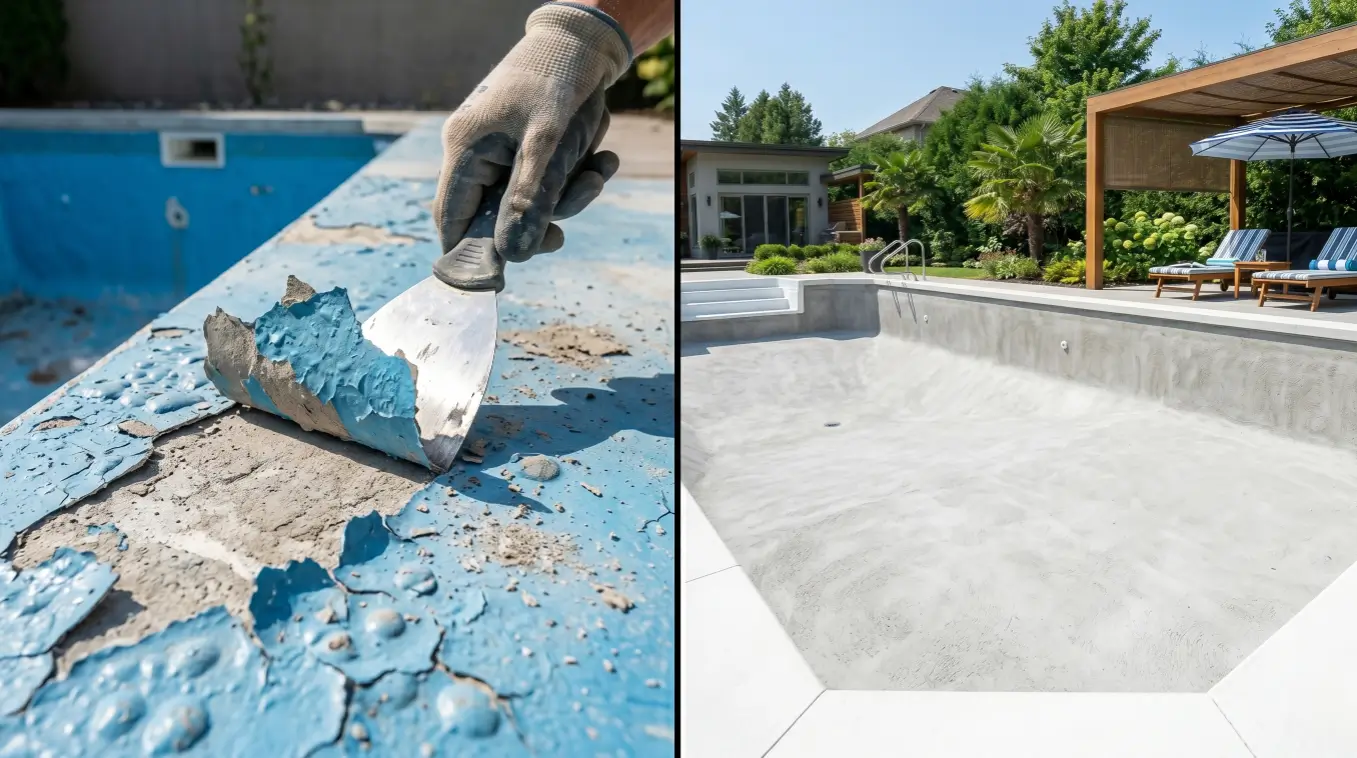
A lot of people wonder whether they need to strip all the old paint before repainting, and the honest answer is that it depends on the condition of the paint.
If the existing coating is still solid, with no peeling, bubbling, or major damage, you can often leave it in place. In that case, a thorough clean and some light prep work are usually enough before applying a new, compatible coat.
On the other hand, if the paint is flaking, blistering, or clearly breaking down, it really needs to come off. Painting over a failing surface will not solve the problem. It might look better for a short while, but the new paint will start lifting just like the old one.
If you are not sure what type of paint was used before, it is best to be cautious. Either remove it or check that your new product is compatible. Different coatings, like epoxy and acrylic, do not always bond well together, and mixing them can lead to issues later on.
The aim here is not to strip paint for the sake of it, but to make sure you are not building on a weak base. A stable, well-prepared surface is what gives your new paint the best chance of holding up over time.
How to Prepare a Concrete Swimming Pool for Paint
Start by draining the pool completely. Make sure there is no water left, even in corners or low spots. Once it is empty, clean the entire surface well. Remove dirt, algae, oils, and anything that could stop the paint from sticking. A pressure wash can help, but it may not be enough if the surface is badly worn.
Next, remove any loose or damaged paint. Scrape or sand areas where the paint is peeling or flaking until you reach a solid base. If bigger sections are damaged, you may need to strip more. This is important because new paint will only stick properly to a stable surface.
Then repair any damage. Fill cracks, fix chips, and smooth rough areas. Let everything dry and set properly before moving on. If you skip this step, the flaws can still show through after painting.
At this stage, you may need to etch or mechanically prepare the concrete. Many people ask, do I need to acid wash or etch a concrete pool before painting? In many cases, yes. Etching helps open up the surface so the paint can bond properly. If the surface is too smooth or has residue from previous coatings, this step becomes even more important.
Once all prep work is complete, allow the pool to dry fully. This can take several days depending on weather conditions. Painting over damp concrete is one of the quickest ways to cause peeling or blistering later on.
What Paint Should You Use on a Concrete Swimming Pool?
The best option depends on your pool and what is already in it. Common types include acrylic, epoxy, and rubber-based paints. Each one has different strengths, application steps, and drying times. It is more important to choose a paint that matches your existing coating than to pick the cheapest or most available option. If your pool already has a certain type of paint, it is usually safer to use the same kind unless you are removing it completely.
| Paint type | Pros | Cons | Drying Time | Best suited for |
| Acrylic | Easier to apply and generally more straightforward for repainting jobs | Usually less durable than epoxy and may wear faster over time | 4–6 hours | Pools that need a simpler repainting process and already have a compatible coating |
| Epoxy | Strong adhesion, a harder finish, and better long-term durability | More demanding to apply and usually requires more careful preparation | 16–72 hours | Pools where a tougher, longer-lasting finish is the priority |
| Rubber-based | Can be useful when an older pool already has the same coating type | Less commonly chosen for new projects and is often more about compatibility than preference | 12–24 hours | Older pools that already have a rubber-based coating |
How to Paint a Concrete Swimming Pool Step by Step
Once the pool is prepped and completely dry, you can start painting. This is where attention to detail really matters.
1. Protect the Area and Apply Primer
Begin by covering tiles, coping, fittings, and anything nearby that should not be painted. This helps prevent accidental splashes and keeps the edges clean. If your paint system needs a primer, apply it first and let it dry fully before moving on.
2. Apply the First Coat
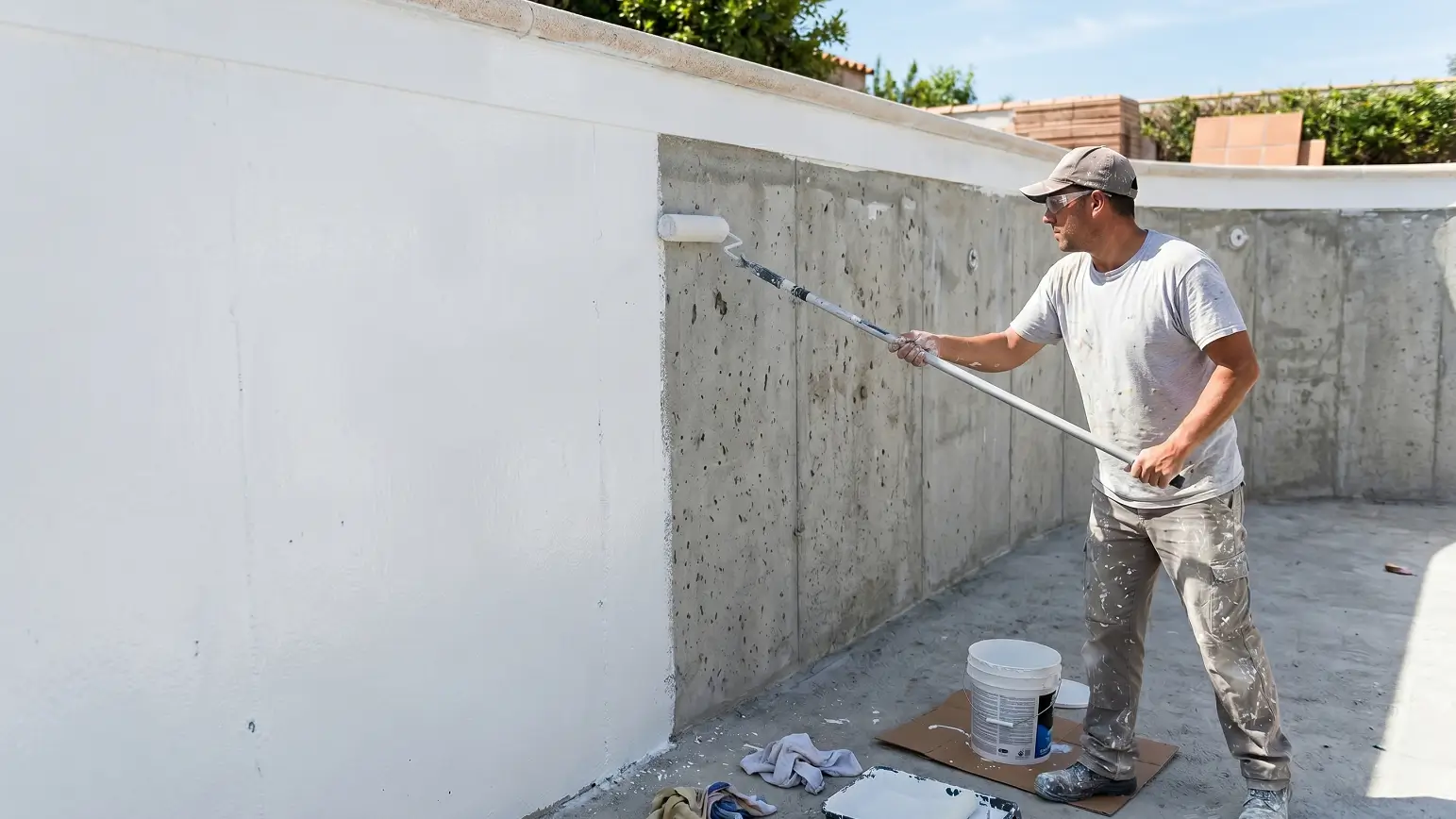
Apply the first coat evenly with a roller or another suitable tool recommended for pool paint. Work in sections so the finish stays consistent across the surface. Avoid loading too much paint onto the roller, as thick application can cause uneven results and slow drying.
3. Add the Second Coat Under the Right Conditions
Once the first coat has dried for the recommended time, apply the second coat in the same careful way. Focus on even coverage rather than making the layer thick, because more paint does not always mean a stronger finish. Keep an eye on temperature, humidity, wind, and direct sunlight, as weather conditions can affect how the paint dries.
4. Let the Paint Cure Before Refilling
Finally, allow enough time for the paint to cure before refilling the pool. Curing is different from surface drying, because the paint may still be hardening underneath even if it feels dry to the touch. Giving it enough time to fully cure helps protect the finish from bubbling, peeling, or early wear.
How Long Should Pool Paint Dry Before Refilling?
This is one of the most important questions people ask. It is easy to think that once the paint feels dry, the pool is ready to refill, but that is not always true.
Drying just means the surface is dry to the touch. Curing is different. It is when the paint fully hardens and properly sticks to the surface. If you refill the pool too soon, you can interrupt this process and damage the finish. Always follow the manufacturer’s recommended cure time. Waiting a bit longer is far better than risking the entire job.
Conclusion
Painting a concrete swimming pool is not just about applying a new coat. Rushing any of these steps can lead to peeling or early failure. A longer-lasting finish is the result of doing each stage carefully and in the right order.
Once your pool is back in use, keeping it clean will help maintain that fresh look, and tools like Aiper Scuba X1 Pro Max Pool Cleaner can make ongoing maintenance easier by helping manage debris and keeping the surface looking its best.
FAQs
Can I paint over old pool paint?
Yes, but only if the existing paint is still firmly attached and in good condition. Any loose, flaking, chalky, or peeling paint should be removed before repainting. You also need to use a paint type that is compatible with the old coating.
Do I need to acid wash or etch a concrete pool before painting?
In many cases, yes, especially if the concrete is bare, smooth, stained, or has mineral deposits. Acid washing or etching helps clean and roughen the surface so the new paint can bond properly. Always follow the paint manufacturer’s surface preparation instructions, because requirements can vary by product.
What happens if I refill the pool too soon after painting?
Refilling too early can stop the paint from curing properly. This may lead to bubbling, peeling, soft spots, or a weak finish that wears out much faster. Even if the surface feels dry, the paint may still need more time to fully harden.
Do I need to remove all the old paint first?
You do not always need to remove every bit of old paint. However, any paint that is loose, peeling, blistering, or powdery must be stripped away before repainting. If the old coating is badly damaged or incompatible with the new paint, full removal is usually the safer option.
Why does pool paint peel or fail so quickly?
Pool paint often fails early because the surface was not prepared properly before painting. Moisture in the concrete, incompatible paint types, poor cleaning, or refilling the pool too soon can all weaken adhesion. Harsh chemicals, heavy use, and incorrect application conditions can also shorten the life of the coating.