
How to Water Plants When Away: 7 Methods That Actually Work
Match plant watering methods to your trip length; prep plants by deep watering, shading, grouping and adding mulch before leaving. Use DIY wick, bottle drip, bathtub soak or smart irrigation to keep indoor & outdoor plants healthy while away.

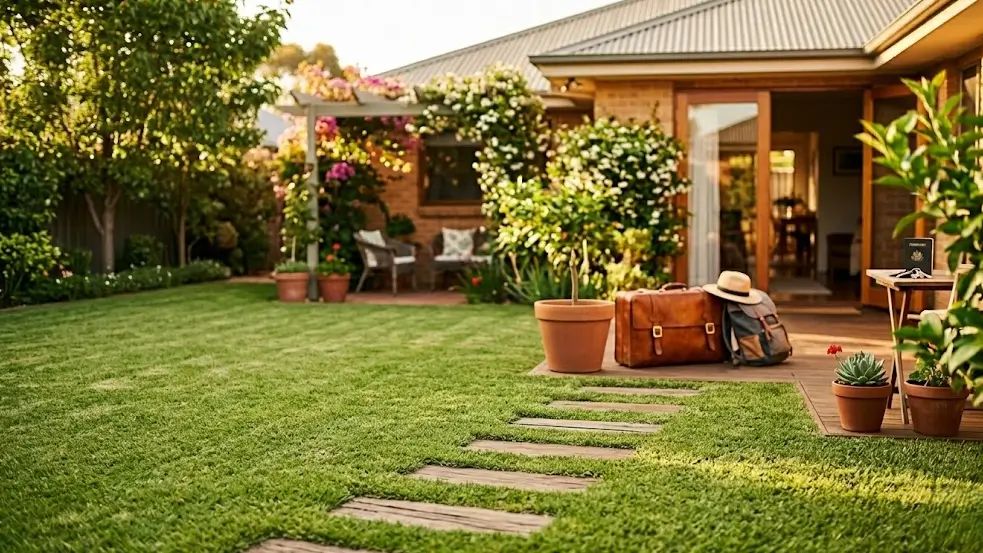
Planning a getaway is always exciting, whether you are heading off for a long weekend down south, a summer break at the coast, or a few weeks overseas. However, for many Australian homeowners, that excitement is often tempered by a bit of "plant guilt." There is nothing quite like the dread of pulling into the driveway after a relaxing trip, only to find your prized monsteras drooping or your veggie patch looking like a bunch of dried tinder.
The good news is that learning how to water plants when away doesn't have to be a technical nightmare. With a bit of forward thinking and the right setup, you can keep your greenery thriving without needing to cancel your flight. This guide covers how long different plants can actually last, the essential prep work to do before you lock the door, and seven practical ways to keep your indoor and outdoor gardens hydrated while you are living it up.
How Long Can Plants Survive Without Water?
There is no single rule for every plant, as survival depends on a mix of the plant species, the size of its pot, and the brutal reality of the local weather. In Australia, the intense sun and low humidity can turn a lush garden into a desert much faster than in cooler climates.
Indoor Plants
If your indoor plants live in a spot with indirect light, most can comfortably last about one to two weeks. Hardier varieties like snake plants or devil’s ivy are quite forgiving. However, moisture-loving tropicals like ferns or peace lilies might start to look sad and crispy within just a few days if the house gets too warm.
Outdoor Pots and Herbs
This is where things get tricky. Outdoor pots, herb gardens, and balcony plants are the most vulnerable to the Australian heat. Because pots have a limited volume of soil, they dry out incredibly fast in the full sun. During a typical Aussie summer, some small pots may need a drink within 24 to 48 hours to stay alive.
Garden Beds, Lawns, and Succulents
Plants in the ground usually have it much easier. A garden bed with a solid layer of mulch can often stay moist enough to keep plants happy for a good week or ten days in mild weather. Lawns are fairly tough too, though they will start to look parched if left for more than a week during a heatwave.
On the other hand, succulents and cacti are the perfect holiday buddies. Give them a proper drenching before you head off, and they will be fine for several weeks on their own.
Before You Leave: 5 Things to Do First
Before you start looking at fancy irrigation gadgets, a bit of basic prep goes a long way toward cutting down how much water your plants actually need. These simple steps help slow down evaporation and keep that precious moisture locked in the soil where it belongs.
Deep-Water Plants Before Departure
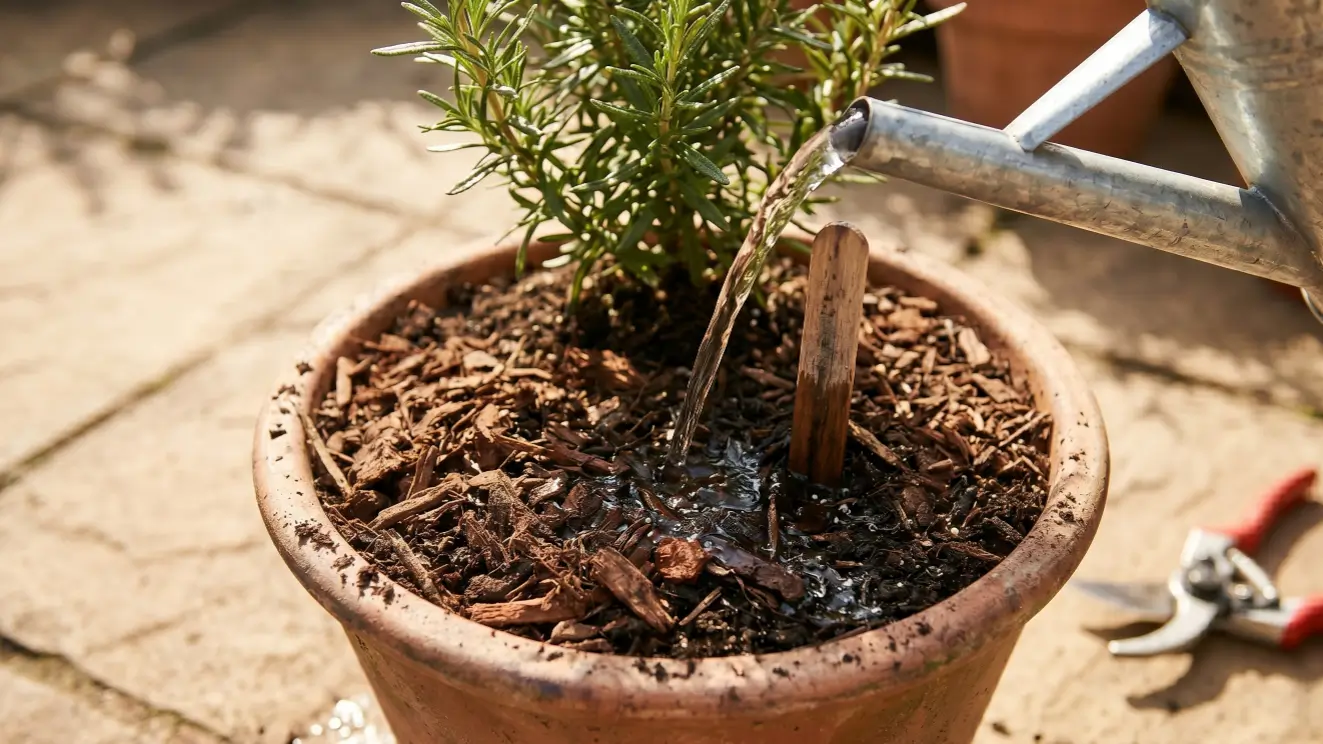
Try not to leave the watering until the very last minute when you are trying to get out the door. Instead, give everything a really heavy, deep soak a day or two before you go. This gives the water time to sink right down and saturate the root ball properly.
A quick splash on the morning you leave usually only wets the top layer of soil, which disappears almost the moment the sun hits it.
Move Pots Out of Harsh Sun
The Australian sun is a moisture killer. If you have potted plants on a north-facing deck or in a sunny corner of the yard, move them into a shaded or partly shaded spot. Reducing the heat load on the pot will keep the soil damp for much longer.
Group Potted Plants Together
There is strength in numbers. By clustering your pots together in a shady corner, you create a tiny, humid microclimate. As the plants transpire, they release moisture into the air around them, which helps prevent the group from drying out as fast as a single, isolated pot would.
Add Mulch
Mulch is pretty much a gardener’s best friend. Tipping a fresh layer of organic mulch over your garden beds, and even onto the surface of your pots, acts like a lid that traps moisture in the dirt. It is a dead-easy step that cuts down water loss by a massive amount, which is a lifesaver when the wind starts to pick up.
Remove Dead Flowers and Foliage
It sounds minor, but trimming off spent flowers (deadheading) and removing any yellowing leaves means the plant doesn't have to waste energy or water maintaining parts that are already on the way out. It keeps the plant’s "metabolism" focused on survival.
According to the University of Florida IFAS Extension, managing the organic matter and foliage on your plants, alongside proper mulch and container moisture retention, is a key factor in helping them withstand periods without regular watering.
Taking a moment to tidy up your greenery effectively lowers its water demand, making it much easier for your soil moisture to last the distance.
7 Ways to Water Plants When Away
Whether you need a quick DIY fix or a high-tech solution, these seven methods are the most reliable ways to how to keep plants watered when away.
Method 1: Cotton Wick System
This is a classic for indoor plants. You simply place a large container of water next to your plant and run a piece of cotton rope or heavy twine from the water jug into the soil of the pot. Through capillary action, the wick "sucks" water from the jug into the soil as it dries out. It’s like a slow-drip IV for your plants.
Method 2: Plastic Bottle Drip Feeder
For outdoor pots or a small garden patch, an old plastic bottle works a treat. Just grab a used soft drink bottle, clean it out, and poke a few tiny holes in the lid. Fill it with water and shove it upside down into the dirt. The water slowly drips out right where it's needed at the roots over a few days, so you don't have to worry about them wilting.
Method 3: Bathtub or Sink Soak
If you are wondering how to water indoor plants when away for a week or so, your bathtub is the answer. Line the tub with a few old towels, add a few centimetres of water, and sit your pots (the ones with drainage holes) on top. The plants will draw up moisture from the bottom as they need it.
Method 4: Self-Watering Pots
These are a cracking long-term investment if you find yourself away from home a lot. They come with a built-in water reservoir at the bottom that lets the plant drink as it needs to, keeping the soil damp without turning it into a swamp. If you have got particularly sensitive plants, moving them into these pots can save you a heap of stress while you're on holiday.
Method 5: Plastic Bag Greenhouse
For your smaller, thirstier plants, you can actually set up a DIY mini-greenhouse. Give the plant a good watering, then wrap it loosely in a clear plastic bag, use a few stakes to make sure the plastic isn't touching the leaves. The bag catches the moisture the plant "breathes" out and drips it back into the soil. Just be sure to keep these out of the direct sun; otherwise, you will end up accidentally steaming your plants!
Method 6: Ask a Neighbour, Friend, or Plant-Sitter
Sometimes, nothing beats having a real person keep an eye on things. Having a mate or a neighbour pop over is great because they can tell if a plant is looking a bit sad or if a certain pot needs an extra soak during a sudden heatwave. Just make sure you leave some clear notes so they don't go overboard and accidentally drown everything.
Method 7: Smart Irrigation System
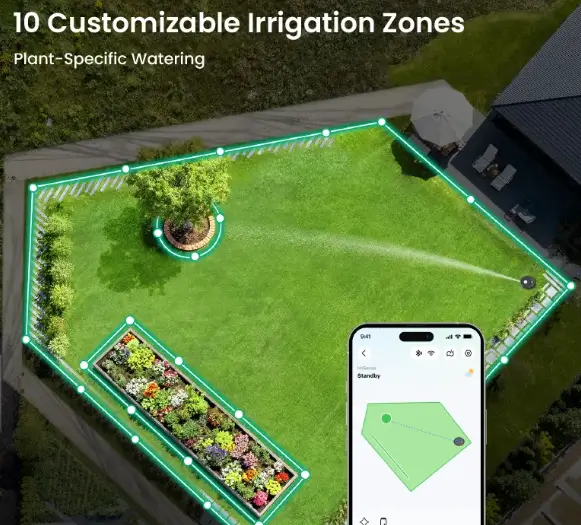
If you have a lawn, a big veggie patch, or a garden that needs precise care, a smart irrigation system is the gold standard. Devices like the Aiper IrriSense 2 let you manage all your watering straight from your phone.
You can set up custom zones and schedules, ensuring the lawn stays green and the garden stays hydrated without wasting a single drop. It is the ultimate "set and forget" solution for the modern Australian gardener.
Which Watering Method Is Right For You?
Choosing the right approach depends on how long you'll be gone and how hot it’s going to be. Here is a quick guide to help you decide.
| Trip Duration | Risk Level | Recommended Methods | Notes |
| 2–4 days | Low | Deep water + move to shade + mulch | Most Aussie plants manage fine with a good soak. |
| 5–7 days | Medium | Wick system + bottle drip + bathtub | Outdoor pots will definitely need attention. |
| 1–2 weeks | High | Self-watering pots + plant-sitter | Critical for outdoor plants during an AU summer. |
| 2+ weeks | Very High | Smart irrigation + plant-sitter backup | Ideal for lawns and big beds. |
Conclusion
At the end of the day, knowing how to water plants when away comes down to matching your method to your trip length. For a quick weekend away, some shade and a good soak are usually plenty. If you are heading off for a week or two, those DIY wick systems and bottle drips can be life-savers for your favourite pots.
However, for those who love to travel or have a large Australian garden to protect, investing in a bit of tech is the smartest move. A smart irrigation system takes the guesswork out of garden care, letting you enjoy your holiday without a second thought about your lawn or veggie patch. With a little preparation, you can ensure your home stays green and vibrant, no matter how far you wander.
FAQs
How long can I leave plants without water in Australia?
In your average Aussie home, indoor plants can usually tough it out for about a week or two. But if it’s the height of summer and you’ve switched the air con off before heading away, that window shrinks pretty fast. Outdoor pots are much more vulnerable and might only last two days in the heat, whereas plants in the ground can often hang in there for a full week.
How do I water indoor plants when away for 2 weeks?
For a fortnight, a cotton wick system or a bathtub soak is usually your best bet. If the plant is particularly sensitive, a clear plastic bag greenhouse or asking a friend to check in at the halfway mark is a safer play.
What is the best way to water outdoor plants when away for 3 weeks?
For long trips, manual DIY methods often run dry. A smart irrigation system is the most reliable way to handle how to water plants when you are away for 3 weeks or more. It ensures your lawn and garden beds get consistent water regardless of the weather.
Can I use a drip irrigation system just for a holiday?
Absolutely. Many modern systems are designed to be easy to install and can be controlled via an app. It's a great way to ensure your garden survives a holiday and remains a permanent part of your yard's health.
Should I water plants heavily before going away?
Yes, but do it a day or two before you leave. This allows the water to settle into the soil properly. Watering too heavily at the very last minute can sometimes lead to fungal issues if the water doesn't drain away.