
Worms in Your Pool? What They Are and How to Get Rid of Them
Common pool worms like earthworms, bloodworms and horsehair worms are mostly harmless. Remove them by skimming, vacuuming and filter cleaning; fix bloodworms with shock treatment. Use pool covers and stable chlorine to prevent future infestations.

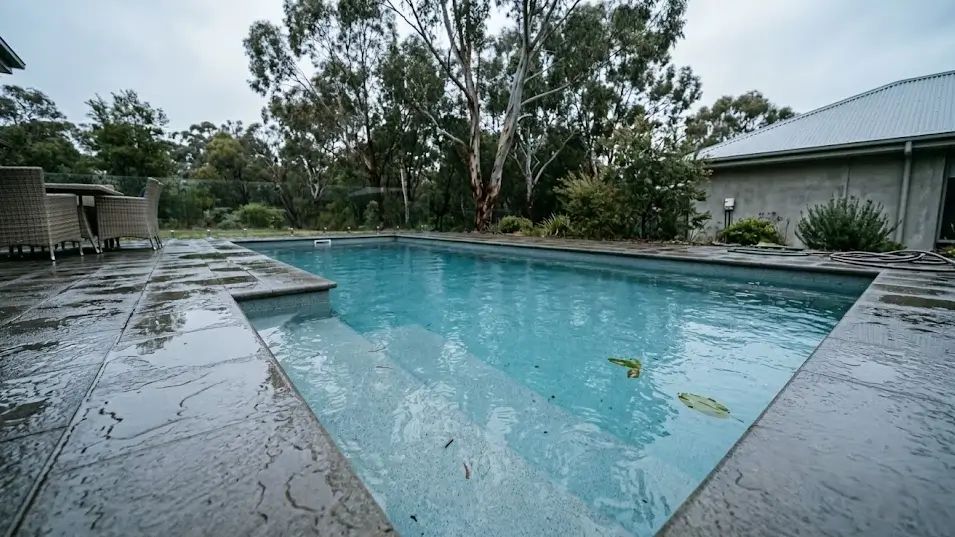
Finding worms in swimming pool water is a common sight for many Australian pool owners, especially after a heavy summer downpour or a sudden dust storm. You head out for a morning dip only to find small, wriggling visitors at the bottom of the steps or floating on the surface. While it is certainly a bit of a shock, there is no need to panic.
For the most part, seeing worms in a swimming pool is more of a nuisance than a health crisis. These creatures are usually accidental travellers from your garden rather than permanent residents. This guide will help you identify what you are looking at and show you the easiest ways to clear them out so you can get back to enjoying your swim.
Why Are There Worms in My Swimming Pool?
It is a common misconception that worms breed inside clean, well-maintained pool water. In reality, they almost always enter from the surrounding environment. Most worms found in pools are terrestrial or semi-aquatic organisms that find themselves in the water by complete accident.
Rain and Wet Soil
Living in Australia means dealing with some pretty wild weather swings. When a heavy downpour hits, the ground gets waterlogged fast, forcing earthworms and other soil critters to the surface so they don't drown. As they wander across wet pavers, timber decking, or the lawn, they often lose their way.
Since most backyard pools sit flush with the ground, these little blokes just end up tumbling over the edge. Once they hit the water, the smooth tile or vinyl walls make it impossible for them to climb back out on their own.
Poolside Landscaping
The way we landscape our outdoor spaces plays a huge role. Many Australian homes feature beautiful garden beds, mulch, and lush lawn edges right up against the pool coping. While this looks fantastic, it creates a direct highway for worms and larvae to enter the water.
If your pool area is surrounded by organic matter, you are much more likely to find little worms in swimming pool corners after a storm or a night of heavy irrigation.
Common Types of Worms Found in Swimming Pools
Identifying the type of worm you have is the first step in deciding how to treat the water. Here are the most common varieties found in local backyards.
Earthworms
These are the most frequent visitors. Usually brown, pink, or reddish-brown and clearly segmented, they appear after rain. They are completely harmless to humans but will eventually die in the chlorinated water, adding to the organic load of your pool. They typically just need physical removal.
Bloodworms / Red Worms
If you notice little red worms in swimming pool debris or tucked into the corners of the floor, you are likely looking at bloodworms. These are not actually worms but the larvae of the midge fly. They are bright red because they contain haemoglobin, which allows them to survive in low-oxygen environments.
Seeing blood worms in swimming pool water is often a sign that your chlorine levels are low or that there is too much organic waste, like rotting leaves, sitting on the floor.
Horsehair / Gordian Worms
These can be a bit startling because they are very long and thin, resembling a stray hair or a piece of dark thread. You might find clear worms in swimming pool water that eventually turn brown or black. They often twist themselves into intricate knots. While they are parasites to insects like crickets or beetles, they are not a threat to people or pets. They usually appear after an infected insect falls into the water.
Are Worms in a Pool Dangerous?
In short, there is no need to worry. The vast majority of worms you will spot in an Australian backyard pool are completely harmless to people. Common culprits like earthworms and horsehair worms aren't human parasites, and they don't carry diseases that would put your family’s health at risk. Think of them more as a reminder that your pool is an outdoor environment that just needs a bit of regular upkeep to stay in top shape.
While the worms themselves are not dangerous, they do contribute to the organic matter in the water. As they decompose, they consume chlorine and can lead to cloudy water or algae growth. Bloodworms are the only variety that should act as a "red flag." Because they thrive in stagnant or poorly sanitised conditions, their presence suggests that your water chemistry is out of balance.
If you see red larvae appearing repeatedly, it is time to test your free chlorine levels. Pay close attention to your sanitiser levels after periods of high heat or heavy bather load, as these conditions deplete chlorine quickly and invite pests.
How to Get Rid of Worms in Your Pool
If you have discovered an infestation or just a few stragglers, follow these steps to clear them out effectively.
Step 1: Skim the Surface
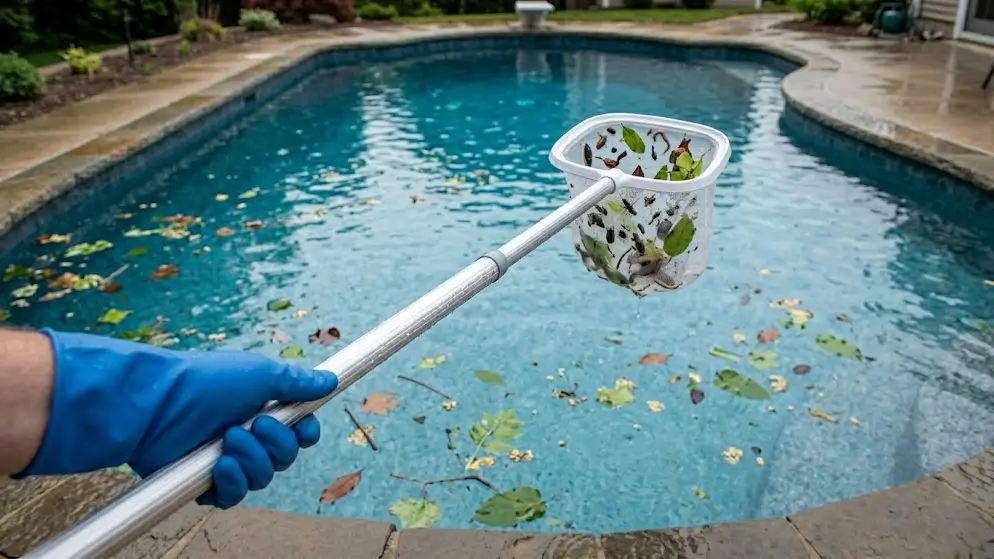
Start by using a fine-mesh pool net or leaf skimmer to remove any floating worms and debris. It is best to do this as soon as you spot them to prevent them from sinking or breaking apart.
Step 2: Vacuum the Pool Floor
Most worms, particularly earthworms and bloodworms, eventually sink and settle right on the bottom. You will want to grab your manual vacuum or a dedicated cleaner to give the floor a proper sweep. Be sure to focus on the spots around the steps and drains, as that is where organic gunk and critters usually like to pile up.
Step 3: Clean the Filter
Once you have vacuumed the debris, it is essential to clean your filtration system. Backwash your sand filter or remove and rinse your cartridge filter. If you leave dead worms and organic material inside the filter, it will continue to degrade your water quality and smell.
Step 4: Shock the Pool if Bloodworms Are Present
If you have spotted bloodworms, simply scooping them out won't cut it. You need to get to the root of the problem. Start by testing your water, then hit it with a shock treatment based on your pool size and the packet instructions.
This step kills off any lingering larvae and breaks down the organic waste they live on. Just make sure to keep your filter running for at least 24 hours afterward, and whatever you do, keep household bug sprays far away from your pool water.
Step 5: Use Regular Pool Cleaning Support
The trick to keeping worms under control is making sure they have nowhere to hide. HealthyWA advises pool owners to remove leaves and similar material daily and vacuum regularly to clear dirt, sand, and debris, which supports the same basic approach: reduce the organic matter where larvae and pests can settle. Letting a high-quality robotic cleaner like the Aiper Scuba X1 Pro Max handle the heavy lifting makes this a breeze, keeping your pool floor spotless even when you are busy doing other things.
How to Keep Worms Out of Your Pool
Prevention is much easier than a mid-summer cleanup. Here is how to keep your water clear.
Use a Pool Cover
A well-fitted pool cover is your best line of defence. It creates a physical barrier that prevents worms from falling in during storms and stops midge flies from laying eggs in the water.
Adjust Poolside Landscaping
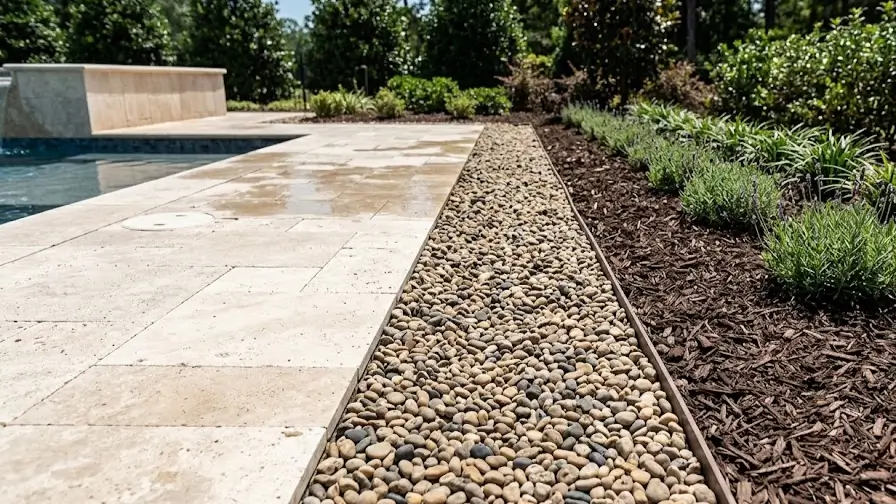
Try to create a "no-man's land" between your garden and the pool. Replacing mulch or soil directly against the coping with a strip of decorative gravel or smooth paving can deter worms from crossing over. Improving drainage around the pool area will also prevent water from pooling and attracting organisms.
Keep Chlorine Levels Stable
Staying consistent is the best way to stay ahead. Make sure you are testing your water often to keep your free chlorine levels exactly where they should be. When your chemistry is spot on, it creates an environment where larvae simply cannot survive.
What Not to Do
When you see things wriggling in your water, it is easy to overreact. Avoid these common mistakes:
- Do not add insecticide: Never pour garden bug sprays or household chemicals into your pool. They are not designed for water and can be toxic to swimmers.
- Do not ignore bloodworms: If you keep seeing red worms, don't just skim them. It means your sanitisation is failing.
- Do not skip the filter clean: If you vacuum up worms and forget to backwash, you are just moving the problem from the pool floor to the filter box.
- Do not neglect post-rain testing: Always test your water after a big storm. Rainwater is often acidic and can significantly dilute your chlorine, making the pool vulnerable to pests.
The correct approach is always physical removal, followed by water testing and proper filtration.
Frequently Asked Questions
Can you pass worms in a swimming pool?
Not at all. The typical worms you'll find in an Aussie pool, like earthworms or horsehair worms, aren't human parasites. There is no way for them to pass from the water into your system. The real priority is just keeping your hygiene and sanitisation levels in check so the water stays clean and safe for a swim.
What are the little red worms in my swimming pool?
These are almost certainly bloodworms, which are the larvae of midge flies. They are attracted to pools with low chlorine levels and accumulated organic debris on the bottom.
What are the clear or white worms in my swimming pool?
These are often horsehair worms. They are very thin and can look like long pieces of white or clear thread. While they look strange, they are harmless to humans and are usually brought in by other insects.
How do I stop worms from getting into my pool after rain?
The most effective methods are using a pool cover, ensuring your garden beds have a gravel border to separate them from the pool, and ensuring your deck has proper drainage so water doesn't wash soil into the pool.
Conclusion
Finding worms in swimming pool water is one of those less glamorous parts of pool ownership, but it is a problem that is easily solved. Whether they are earthworms seeking higher ground after a storm or bloodworms indicating a need for more chlorine, the fix is always within reach. By identifying the type of worm and following a simple cleaning routine, you can keep your water inviting and safe.