
Weeper Hose vs Soaker Hose: Which Is Better for Your Garden?
Porous weeper hoses deliver deep root watering with less evaporation for mulched shrubs & curved beds; perforated soaker hoses suit straight veggie rows. Always add a pressure regulator for Aussie high water pressure, upgrade to smart irrigation for complex gardens.


Choosing the right watering system is a rite of passage for every Australian gardener. Whether you’re trying to keep a veggie patch lush during a dry spell or ensuring your shrubs survive the summer, the goal is consistent: deliver water efficiently where it’s needed most without wastage.
While the terms "weeper hose" and "soaker hose" are often used interchangeably in hardware stores, their design and functionality can vary significantly depending on the manufacturer. In Australia, terminology is inconsistent—some brands market "soaker" products as spray-based, while others define them as porous seepage tools.
Understanding these nuances is the difference between a thriving garden and one that suffers from either drought stress or waterlogging. In this guide, we’ll cut through the confusion to help you choose the right watering method for your unique Australian garden.
Weeper Hoses vs Soaker Hoses: What’s the Difference?
In the Australian market, there is no standardized definition, which leads to frequent confusion. Generally, however, we can categorize them by their intended primary mechanism:
What Is a Soaker Hose?
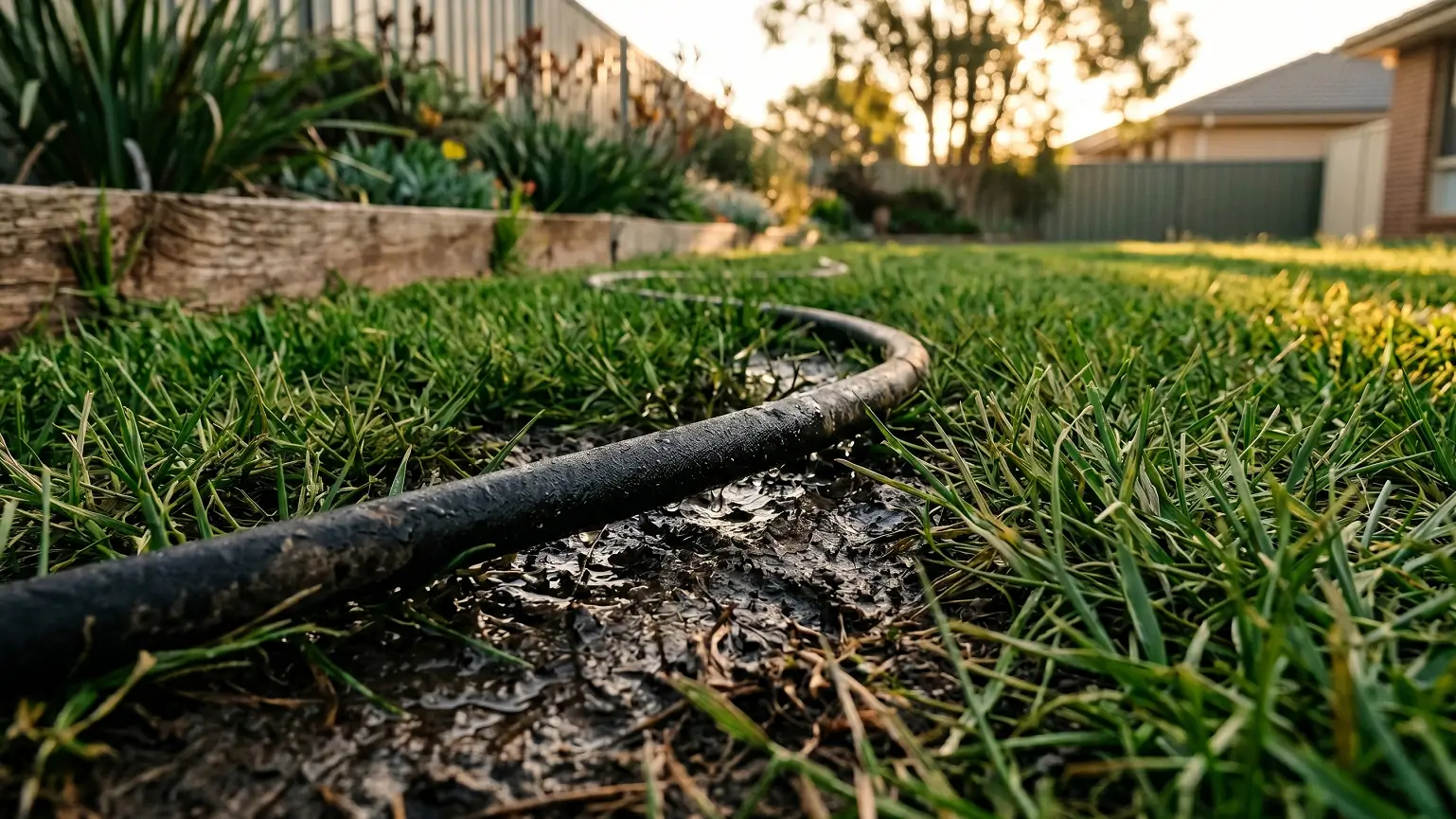
A soaker hose is a low-pressure irrigation tool designed for specific types of garden beds. Historically, many products marketed as soaker hoses featured small, laser-drilled perforations that release water in a light spray or mist pattern. However, modern manufacturing has blurred these lines, and some products now use porous material similar to weeper hoses. Generally, you can expect a soaker hose to provide broader surface wetting along a straight path.
What Is a Weeper Hose?
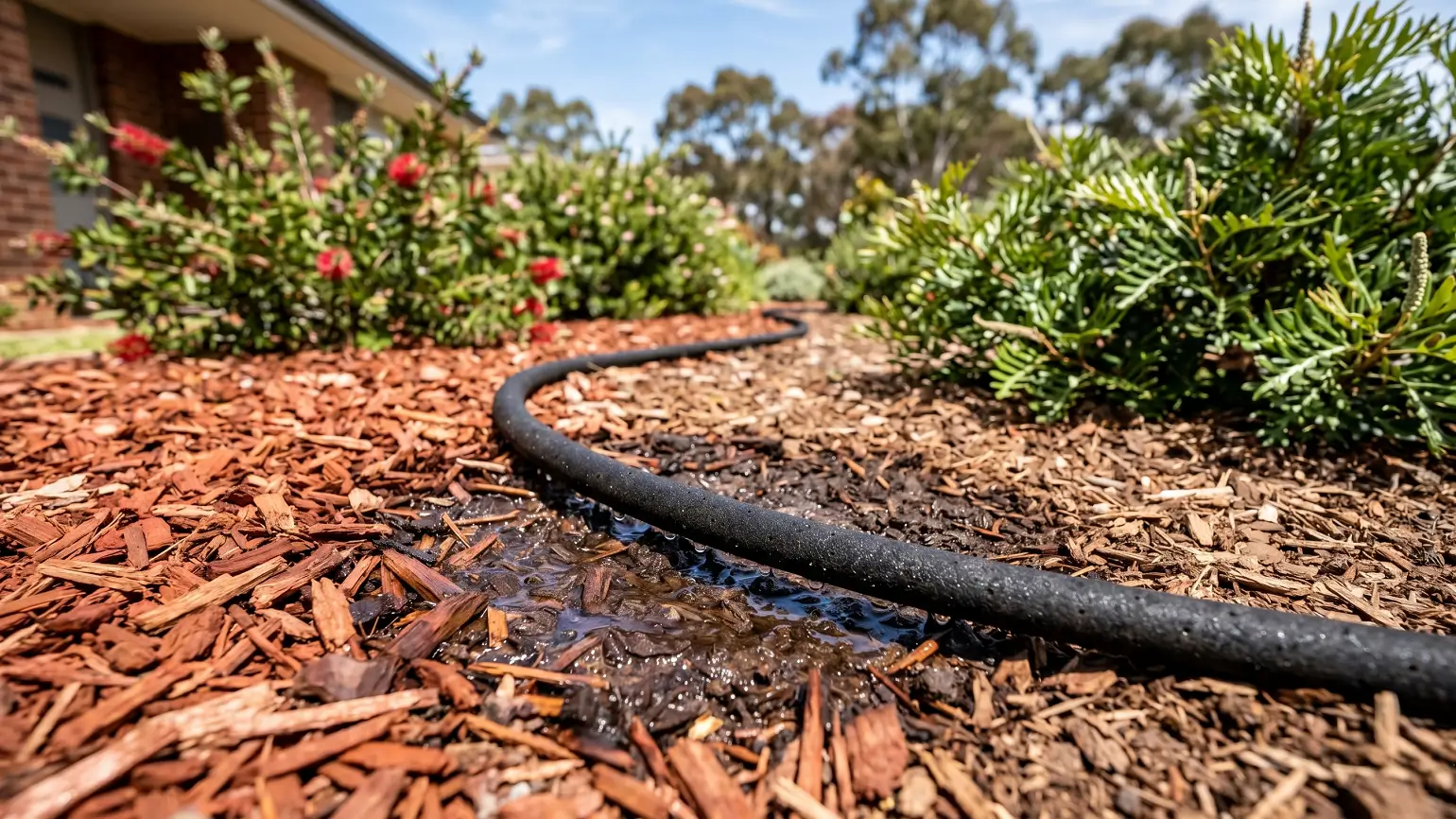
A weeper hose (often called a porous or drip hose) is constructed from heavy-duty, porous material designed to "sweat" or "weep" water along its entire length. Instead of spraying, it is engineered to deliver a slow, deep soak directly into the soil. This makes it an excellent choice for targeted root-zone hydration, particularly for plants that benefit from steady, consistent moisture rather than surface-level soaking.
Crucial Note: Because manufacturer terminology varies, always check the product packaging to see if it describes a "perforated/spray" action or a "porous/weeping" action.
Comparison: Weeper vs. Soaker vs. Drip Irrigation
To decide which system is right for you, it is helpful to see how they stack up against the professional standard: drip irrigation.
System |
Primary Action |
Best For |
Water Efficiency |
Maintenance |
|---|---|---|---|---|
Soaker Hose |
Perforation/Spray |
Veggie rows, lawns, strip beds |
Medium |
Low |
Weeper Hose |
Porous/Seep |
Shrubs, trees, curved beds |
High |
Medium |
Drip Irrigation |
Emitter/Drip |
Complex zones, precise planting |
Very High |
High |
- Soaker Hoses are generally the simplest and most affordable for long, straight rows where broader surface wetting is acceptable.
- Weeper Hoses are superior for targeted root-zone hydration, especially when buried. They are less precise than drip irrigation but much easier to install.
- Drip Irrigation is the gold standard for precision. It offers superior water control, but requires more planning, specific fittings, and regular filter maintenance to prevent emitter blockage.
Key Decision Factors for Australian Gardens
1. Water Efficiency & Mulch Suitability
In Australia, where water conservation is paramount, evaporation is your biggest enemy. Weeper hoses are highly efficient when placed under 50-100mm of organic mulch. This protects the hose from UV degradation and delivers moisture directly to the soil. Soaker hoses, if they spray water above the mulch, can lead to higher evaporation rates.
2. Lifespan and Durability
Both soaker and weeper hoses are generally considered "consumable" items with a 3–5 year lifespan, depending on sun exposure. High-quality porous hoses with UV-stabilized materials will last longer than thin-walled, budget-store alternatives. Mineral build-up from hard water can clog porous hoses over time, making them a low-maintenance, semi-disposable option.
3. Installation and Pressure Management
Australian household water pressure often exceeds the operating range recommended for many low-pressure irrigation products. Connecting these hoses directly to a standard tap without a pressure regulator is the fastest way to cause premature bursting or uneven flow. Always install a regulator at the tap to ensure consistent, gentle output.
When to Upgrade: Beyond Manual Hoses
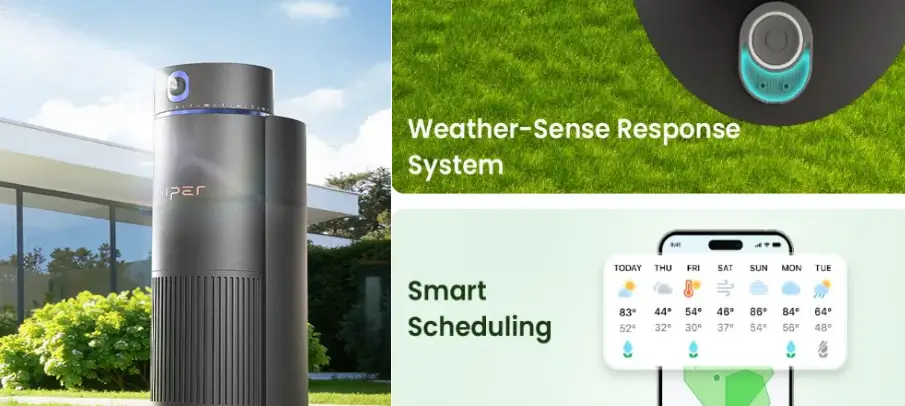
If you find yourself manually dragging hoses around or struggling with uneven watering across mixed garden zones, it may be time to move beyond simple hose-based systems. While weeper and soaker hoses are excellent entry points, they lack the scheduling precision required for larger or more complex gardens.
For homeowners looking to automate their garden care, the Aiper IrriSense 2 offers a smart multi-zone irrigation solution. Unlike manual hoses, this system allows for app-based scheduling and weather-response features, ensuring your garden gets exactly what it needs, when it needs it, without the manual guesswork. It bridges the gap between basic hose setups and complex professional irrigation.
Installation Tips for Weeper Hoses and Soaker Hoses
To ensure your garden watering system lasts and functions effectively, consider these installation best practices:
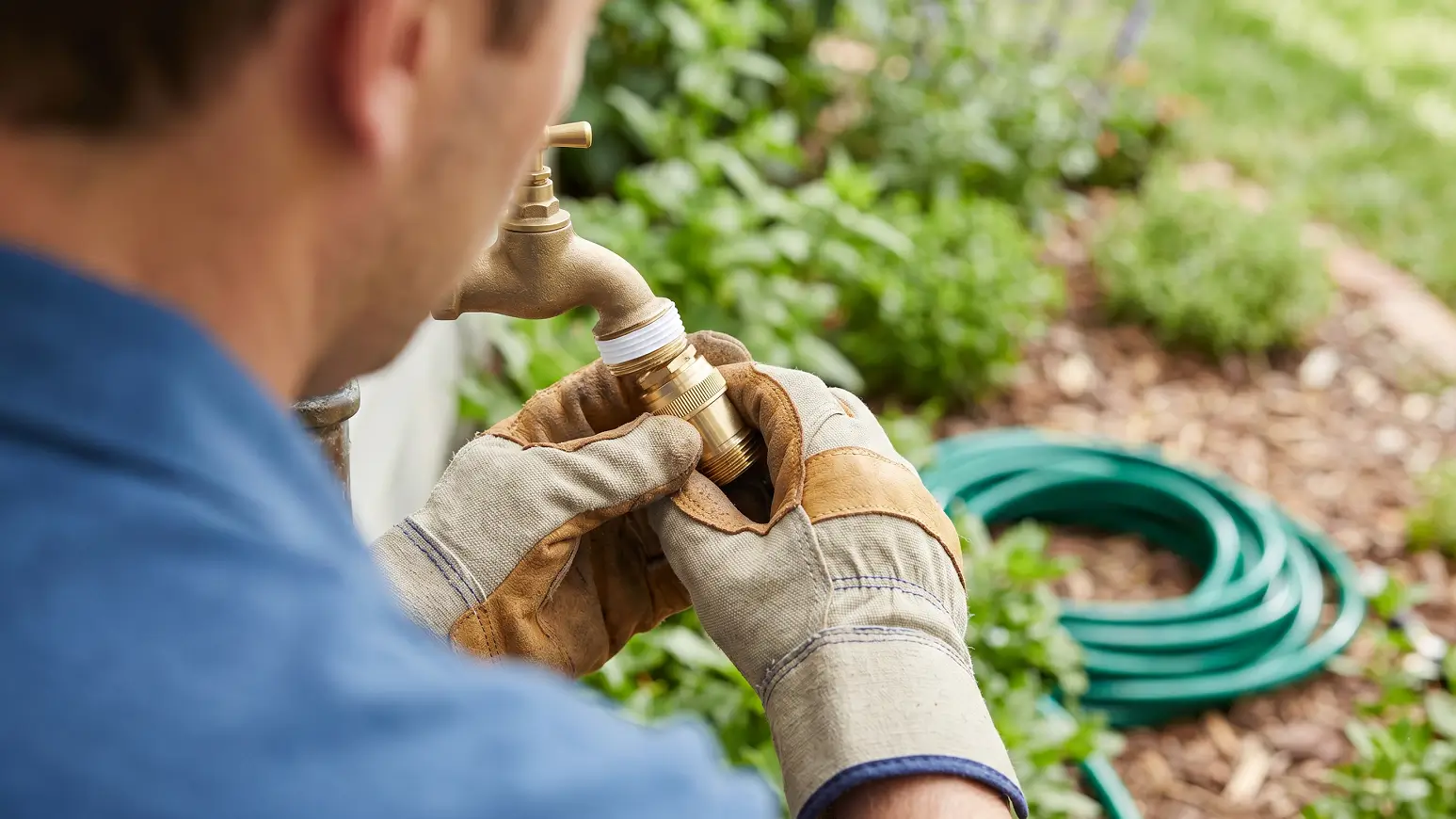
- Pressure Management: Australian household water pressure commonly exceeds the operating range recommended for many low-pressure irrigation products. Connecting these hoses directly to a standard tap without a pressure regulator is the fastest way to cause premature bursting or uneven flow. Always install a regulator at the tap.
- Placement: Regardless of the type, keep the hose within 10-15cm of the base of your plants.
- Avoid Sharp Bends: Kinks can reduce water pressure and lead to localized leaks. If using a weeper hose for curved beds, secure it with landscape staples to hold the shape.
- Test Before Covering: Test the flow before covering with mulch to ensure there are no blockages.
Final Thoughts: Choosing the Right Hose for Your Garden
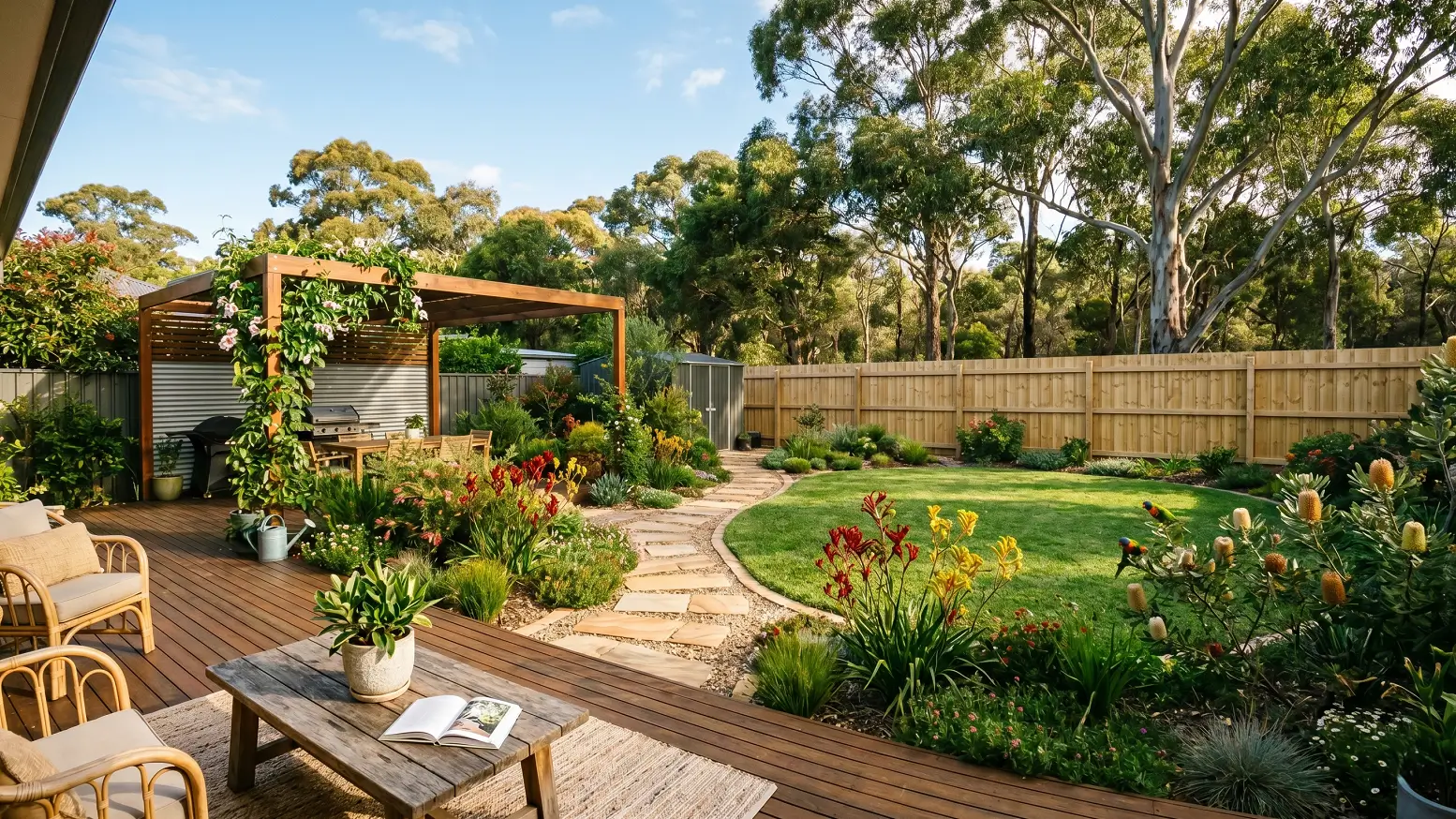
Choosing between a weeper hose and a soaker hose ultimately comes down to your garden layout, plant types, and how much control you want over watering. For simple vegetable rows or narrow garden beds, a soaker hose can be an easy and affordable option. For shrubs, trees, curved beds, or mulch-covered areas, a weeper hose usually provides deeper and more efficient root-zone watering. If your garden is larger, mixed, or difficult to manage manually, upgrading to a smart irrigation system can save time, reduce water waste, and keep your plants consistently hydrated through Australia’s changing seasons.
Frequently Asked Questions
Which system is more water-efficient?
Weeper hoses (when used under mulch) are generally more water-efficient than soaker hoses because they deliver water directly to the soil, minimizing evaporation. Drip irrigation remains the most efficient option overall due to its precision.
Are soaker hoses good for vegetable gardens?
Yes, they are excellent for vegetable rows. Because they provide a broader, strip-like release, they can evenly hydrate a line of crops, which is often easier to manage than placing individual drippers for every plant.
Can I use a soaker hose under mulch?
We recommend using weeper hoses under mulch to maximize moisture retention. While you can bury some soaker hoses, their spray pattern is designed to operate on the surface; burying them may lead to uneven coverage or soil intrusion into the holes.
Do I need a pressure regulator for my garden hose?
Yes, it is highly recommended. Australian municipal water pressure is often quite high, and these low-pressure irrigation tools are prone to bursting if connected directly to a high-pressure tap.
How do I prevent my hoses from clogging?
Mineral build-up is common in many Australian regions. To extend the life of your porous hoses, try to use a filter at the tap connection. If the hose stops "weeping" effectively, it is often a sign of mineral sedimentation and may indicate it is time for replacement.