
How to Grow Grass in Shade: A Pro Guide to Lush Shady Lawns
Grow lush grass in shade by choosing shade-tolerant grasses, prepping balanced soil, watering deeply & infrequently, mowing high, thinning tree canopies, and switching to groundcovers if grass fails—stop overwatering/overfertilizing, work with low-light conditions not against them.

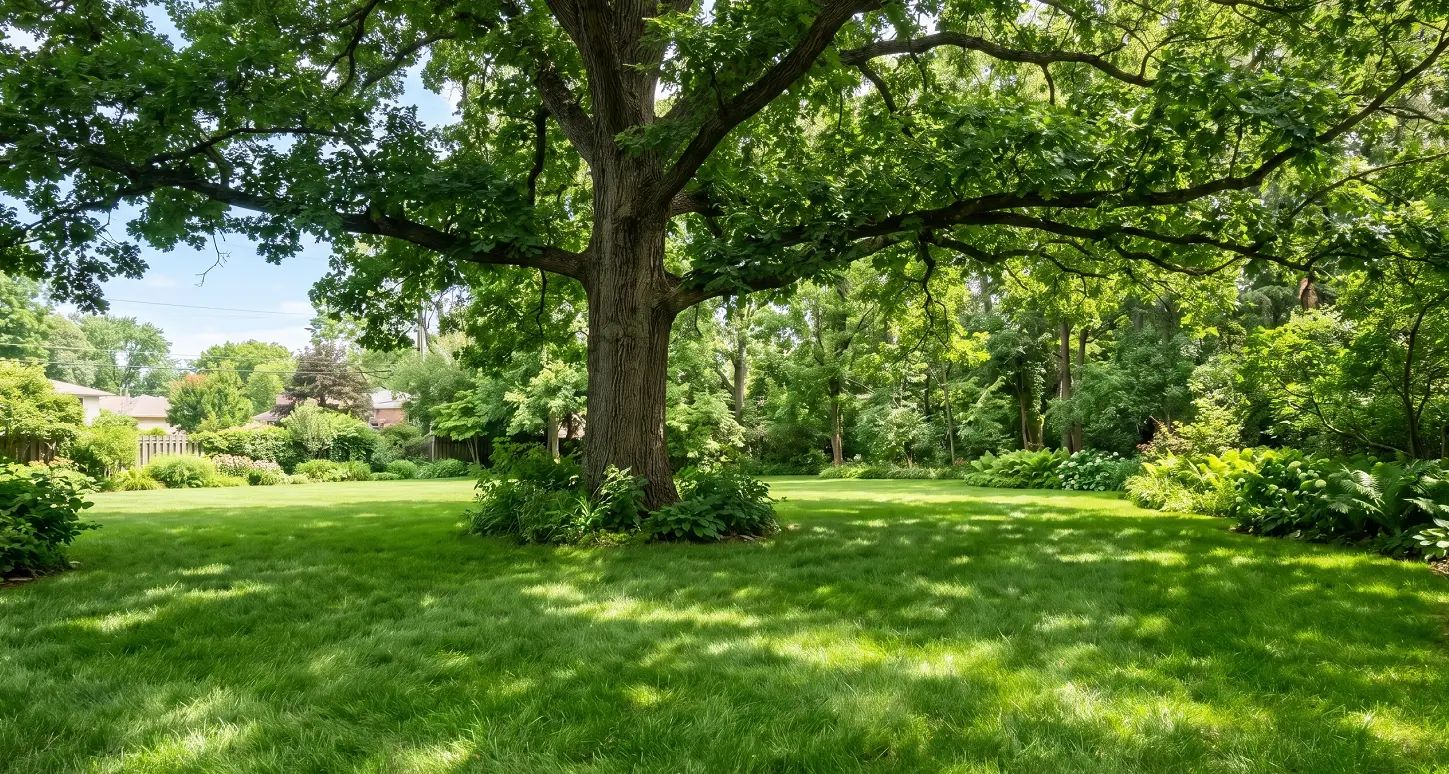
Trying to grow grass in shaded areas can feel like a losing battle. You plant seed, water regularly, and still end up with thin patches or bare spots, especially under large trees or along fences and walls. If you’ve been wondering how to grow grass in shade, the answer isn’t to work harder, but to work differently.
Grass depends on sunlight to produce energy, which is why it struggles in low-light conditions. You can think of each blade as a small solar panel. When sunlight is limited, the lawn simply doesn’t have the same ability to grow thick and strong.
The good news is that a healthy lawn in the shade is possible. With the right grass type, better soil preparation, careful mowing, and more controlled watering, you can improve even the most challenging spots in your yard.
Step 1: Select the Best Grass for Shade (Cool vs. Warm Season)
Choosing the right grass is the foundation of success. In shaded areas, the type of grass you use matters more than anything else. Grass that performs well in full sun will almost always struggle when light is limited, so switching to shade-tolerant grass is essential.
For homeowners in the northern United States, cool-season grasses are the best option. Fine fescues are especially well-suited for shade. These include creeping red fescue and Chewings fescue, both known for their ability to tolerate low light. A seed mix with at least 60% fine fescue is often recommended. According to the Master Gardeners of Mercer County, this mix improves the chances of success in shaded lawns.
In southern regions, warm-season grasses are more common. Among them, St. Augustinegrass is the most reliable option for shade. Some varieties, like Amerishade, are specifically bred to handle lower light conditions. The Texas A&M AgriLife Extension notes that St. Augustinegrass is one of the better choices for shaded environments in warm climates.
It’s just as important to avoid the wrong types. Bermudagrass and most zoysia varieties need a lot of sunlight and tend to thin out quickly in shade. If you’re growing grass under trees, starting with the right seed or sod gives you a much better chance of long-term success.
Step 2: Soil Preparation and Finding the pH Sweet Spot
Shaded spots in your yard often come with tougher soil conditions than you might expect. Tree roots are usually the main reason. They compete with grass for both water and nutrients, and over time, they can make the soil feel hard and compact, which makes it harder for new grass to grow properly.
Soil pH is another thing that can quietly affect how well your lawn does. Trees, especially ones like oaks, can slowly change the soil and make it more acidic. For most shade-tolerant grasses, a pH between 5.8 and 6.5 tends to work best. Staying within that range helps the grass take in nutrients more easily.
Before you plant new seed or overseed, it helps to loosen the soil a little. You don’t need to do anything too aggressive, just enough to improve airflow and help water soak in more evenly. It’s important to be gentle around tree roots though, since damaging them can cause bigger issues later on.
Shade slowly changes how your soil behaves, even if you don’t notice it at first. With less sun and tree roots taking up space, nutrients don’t break down or move around the way they normally would in open areas. That’s one of the reasons grass often struggles in these spots. If you look into how soil pH affects plant health, it starts to make more sense why shaded lawns can be tricky to manage.
A simple way to improve things is by adding a bit of compost now and then. It helps the soil hold moisture in a more balanced way without staying too wet. Just go easy with it. A thin layer is enough. Too much at once can end up covering the grass and doing more harm than good.
Step 3: Precision Watering (Avoid the Overwatering Trap)
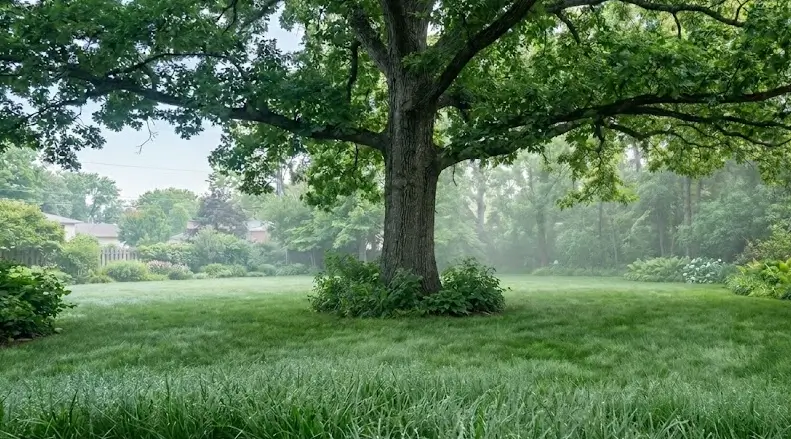
One of the most common mistakes with shaded lawns is overwatering. When grass starts looking weak or a bit thin, it’s easy to think it needs more water. But in most cases, it actually needs less.
Since shaded grass gets less sunlight, it doesn’t grow as actively and uses water more slowly. That means the soil tends to stay wet for longer, especially in darker areas of the yard. If you keep adding water on top of that, it can quickly turn into soggy soil, weak roots, and a higher chance of fungal problems.
You should always look out for signs of an overwatered lawn to prevent brown patches on the grass.
The Texas A&M AgriLife Extension warns that you cannot make up for a lack of sunlight by increasing water or fertilizer. In fact, too much moisture is one of the main reasons shaded lawns fail.
It’s usually better to water your lawn deeply but not too often. Morning is the best time because the grass has had the whole day to dry. If you water in the evening, the grass stays wet overnight, which can lead to disease over time.
It also helps to keep an eye on your lawn. If the grass turns a bit yellow, the soil feels too soft, or there is a slight musty smell, you may be giving it too much water. Spotting these signs early makes it easier to fix the issue.
Another common problem is uneven watering. Some parts of the yard get more sun, while others stay in shade most of the day. If you water everything the same way, sunny areas can dry out quickly, and shaded areas can stay too wet, which can cause patchy growth.
If you have both sun and shade, better control can help a lot. A system like the Aiper IrriSense 2 lets you set different watering levels for different areas, so each part of your lawn gets the right amount of water.
Step 4: Adjust Your Mowing Habits to Maximize Light
Mowing height matters more in shaded lawns than most people think. Since grass depends on light, the amount of leaf you leave behind makes a difference in how well it grows.
In shaded spots, it’s usually better to let the grass grow a bit longer. Keeping your mower around 3 inches or slightly higher gives the lawn more surface to catch whatever light is available. It might not seem like much, but that extra length can really help over time.
Cutting it too short does the opposite. It takes away too much of that surface and can put the lawn under stress, which is why shaded areas often start to look thin or patchy when cut too low. A slightly taller lawn also tends to look fuller, even if it’s growing more slowly.
It also helps to keep your mower blades in good shape. Sharp blades give a clean cut, which is easier on the grass. Dull ones can tear the blades, making it harder for the lawn to recover. And if you can, try not to mow when the grass is wet, as it usually leads to uneven results.
Step 5: Tree Canopy Management and Leaf Removal
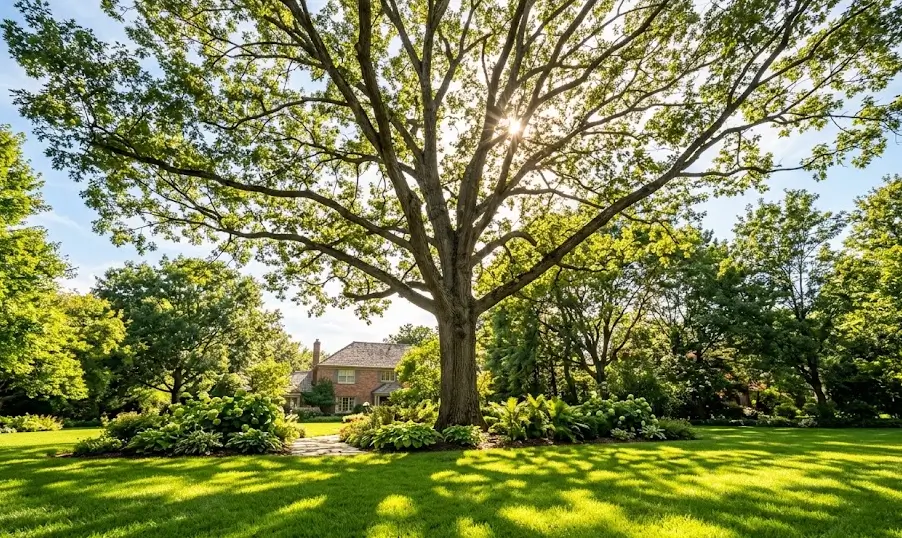
Sometimes it’s not really about changing the grass itself, but about improving the conditions around it. A small increase in light can make a bigger difference than people expect, especially in shaded areas.
One way to do this is by trimming back parts of the tree canopy. Letting a bit more sunlight through, even just for a few hours a day, can help the grass grow better over time. Cutting back lower branches can also help light reach the lawn from the sides, not just from above.
Keeping the lawn clear of leaves matters just as much. In the fall, leaves can pile up quickly and block out what little light is available. If they sit there too long, they also hold moisture and can smother the grass. Clearing them regularly helps keep the lawn in better shape through the season.
Smart Alternatives When Grass Won't Grow
In some cases, grass simply won’t survive no matter what you try. If an area receives dense, full shade all day, turfgrass may never establish properly.
Instead of fighting with an area where grass just won’t grow, it can be easier to go with other options. Organic mulch is a simple choice that keeps things neat and low-maintenance without much effort. In damp, heavily shaded spots, moss can also do surprisingly well and creates a soft, natural look.
You might also want to try shade-loving groundcovers instead of grass. Plants like hostas, sweet woodruff, or pachysandra handle low light much better and can still make the space look green and well-finished without the constant struggle of trying to keep grass alive.
FAQ About Growing Grass in Shaded Areas
Can I plant shade grass seed in the spring?
You can, but fall is usually a better time. Spring planting often overlaps with weed control treatments that can stop grass seeds from growing.
Can my dog play on the shady grass?
Shaded grass tends to be more delicate, especially fine fescues. Heavy foot traffic or pets can wear it down faster than grass in sunny areas.
Will fertilizer help my shaded grass grow faster?
Not really. Grass in low light cannot process large amounts of nutrients. Adding too much fertilizer can actually lead to disease instead of better growth.