
How to Keep Your Pool Cool in the Summer (And Fix the "Warm Bath" Effect)
Cool an overheated summer pool easily with nighttime pump running, water aeration, shade sails and natural landscaping; maintain clean circulation and water chemistry, avoid impractical ice dumping and use advanced chillers only in extreme heat.

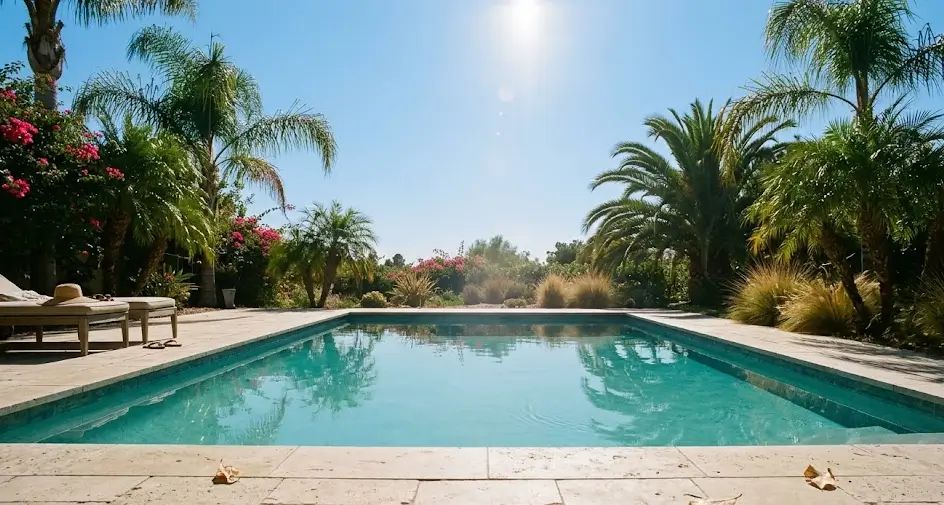
If your pool feels more like a warm bath than a summer escape, you are not imagining it. In peak heat, shallow water, long sun exposure, and still surface water can all push pool temperature into an uncomfortable range. That is why so many pool owners start searching for how to keep a pool cool in the summer right when the hottest weeks arrive.
The good news is that you usually do not need an expensive overhaul to make the water feel better. Pool cooling is mostly about helping heat leave the water faster and keeping new heat from building up in the first place. In real backyard conditions, a drop of about 5 to 10 degrees is often a reasonable goal when you combine nighttime circulation, aeration, and shade. Evaporative cooling does the heavy lifting, while steady circulation helps that cooling reach more of the pool evenly.
Summary Table of Methods
| Method | Cost | Effectiveness | Best For |
| Nighttime Pump Scheduling | Free | Low to medium | The essential first step for every pool owner |
| Aeration, fountains and return jet attachments | Low | Medium to high | Fast, DIY cooling in dry or low humidity climates |
| Shade, sails and umbrellas | Medium | Medium | Long term, passive temperature control |
| Mechanical chillers or heat pumps | High | High | Extreme climates needing guaranteed, climate controlled results |
Immediate, Low Cost Solutions to Cool Your Pool
The fastest wins usually come from changing when your pool moves water and how much surface agitation you create. These methods are practical, low effort, and often enough to make an overly warm pool feel refreshing again.
Use Aeration (Fountains/Sprayers)
Aeration is one of the simplest ways to cool pool water because it increases contact between water and air. When water sprays into the air or breaks across the surface, some of it evaporates. That evaporation pulls heat out of the pool, which is why fountains, spray attachments, and return jet aerators can make a real difference. Industry guidance and engineering research both support evaporation as a major path for heat loss from pool water, especially when the air is drier and cooler.
In plain terms, aeration gives your pool more chances to shed heat. That makes it one of the best first steps if the water feels too warm but you are not ready to invest in a dedicated cooling system. Aiper’s own pool aerator guide notes that aeration can lower pool temperature by about 3 to 10°F, with the strongest results usually showing up at night and in less humid weather.
For many owners, this is the sweet spot between cost and comfort. A simple fountain style attachment is inexpensive, easy to try, and easy to adjust. If you want a deeper explanation of how this works, see Aiper’s guide to pool aerators.
Run Your Pool Pump and Filter at Night
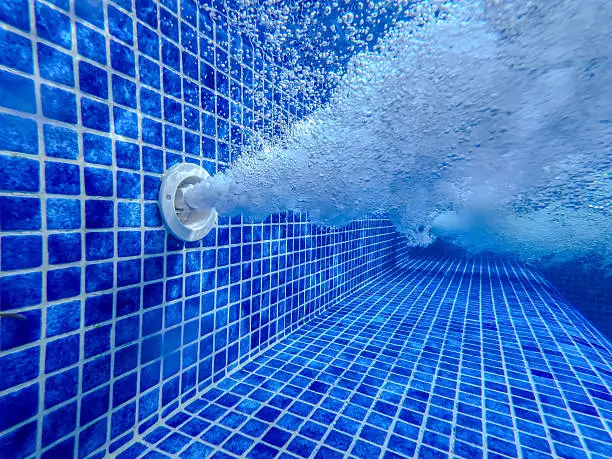
If you only change one thing, change the timing. Running your pump and filter at night helps because the air is cooler, the sun is no longer heating the water, and your circulation system can move warmer surface water through the pool while natural heat loss is strongest. That does not create cold water on its own, but it makes every other cooling method work better.
Daytime operation still matters for sanitation and normal turnover, but if your main goal is cooling, the most efficient window is usually after sunset through early morning. That is especially true if you are also using an aerator or water feature. A good starting point is to run your cooling setup overnight for a few days, then check the water temperature at the same time each morning and adjust from there. For pump timing basics, Aiper’s article on pool pump run time is a useful reference.
Passive, Environmental Solutions to Shade Your Pool
Active cooling helps heat leave the water. Shade helps stop some of that heat from getting in to begin with. If your pool gets direct sun for most of the day, passive shading can make a noticeable difference over the full season.
Install Shade Sails or Umbrellas
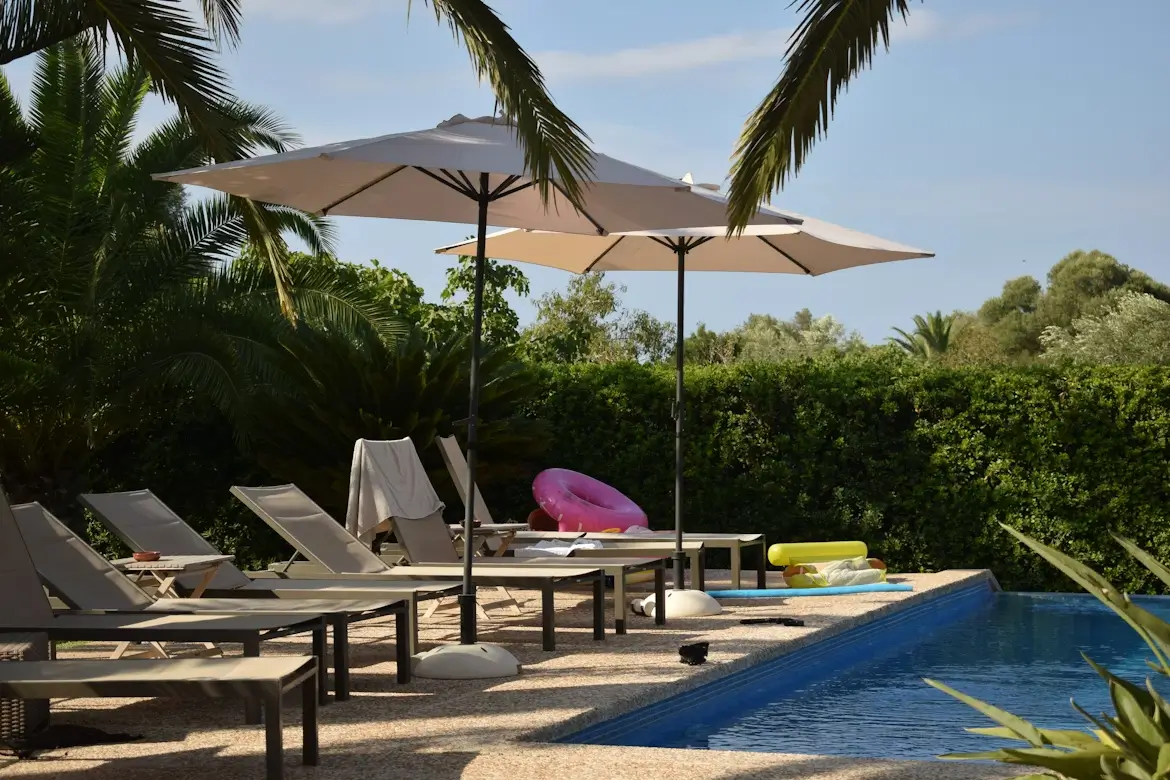
Shade sails, umbrellas, and other overhead shade structures work by reducing direct solar gain. Simply put, less direct sun on the water means less heat absorbed by the pool. This will not chill the water overnight, but it can slow the daily temperature climb and make the pool area more comfortable at the same time.
This approach works best when your pool gets intense afternoon sun, which is often when water temperature spikes most. It is also a good fit for homeowners who want a quiet, passive solution that does not depend on more run time or more equipment.
Utilize Natural Landscaping
Trees and tall shrubs can help create natural shade and reduce the amount of direct sun hitting the pool during the hottest parts of the day. That can be helpful over time, but placement matters. Poorly chosen landscaping can also mean more leaves, pollen, roots, and organic debris landing in the water.
The smart approach is selective landscaping. Use plants that provide shade without turning your pool into a constant cleanup job. If you are considering this route, Aiper’s article on planting trees around a pool covers what to think about before you plant.
Advanced, Mechanical Solutions for Extreme Climates
Sometimes simple fixes are not enough. In very hot regions, or in backyards with long sun exposure and high overnight temperatures, you may need equipment designed specifically to remove heat.
Dedicated Evaporative Pool Chillers
A dedicated evaporative pool chiller speeds up the same cooling principle that basic aeration uses. The difference is intensity and control. These units are built to move more air across water and accelerate heat loss more consistently than a simple fountain attachment can.
They are usually best for pool owners who want reliable temperature reduction but do not need the full expense of climate control style equipment. In the right climate, especially where the air is dry, they can be very effective.
Reversible Heat Pumps
A reversible heat pump is the premium option because it can actively cool the water instead of just helping it lose heat more efficiently. Think of it as temperature control for your pool. If you live somewhere with long stretches of intense heat, this is the most dependable way to hold the water closer to your target temperature.
The tradeoff is cost. Upfront pricing and operating expense are both much higher than nighttime scheduling, shade, or aeration. That is why most homeowners start with the simpler methods first and only move here if the climate really demands it.
The Importance of Circulation and Maintenance for a Cool Pool
Cooling a pool is not only about temperature. It is also about flow. Every method in this article works better when water is moving freely and your circulation system is not fighting avoidable blockages.
Why Debris Ruins Water Flow
Leaves, dirt, pollen, and other debris can slow circulation by clogging baskets, collecting on the floor, and reducing how evenly water moves through the pool. When flow drops, warm water can linger in certain areas and your cooling strategy becomes less effective overall. According to CDC guidance, proper filtration and recirculation are core parts of healthy pool operation, not optional extras.
That matters more in summer than many people realize. If you are asking your pool to cool through nighttime circulation or aeration, you want that system working at full efficiency, not pushing against a layer of debris.
Keep Your Pool Floor Spotless
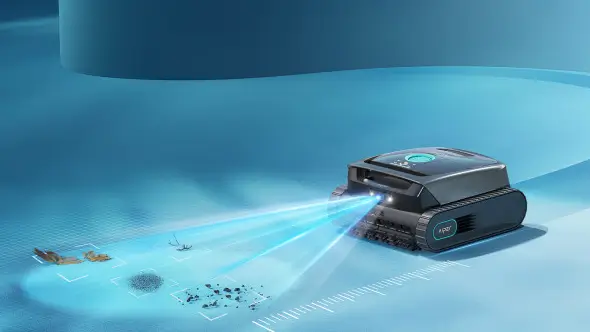
Here is where robotic cleaning becomes more than a convenience. Your need is simple: keep circulation paths clear so cooling, filtration, and sanitation all work the way they should. The benefit of a cordless cleaner is that it handles heavy debris and fine dirt regularly without adding more hassle to your week. Without that support, debris can keep building up, circulation can become less consistent, and all your cooling efforts have to work harder.
A model like the Aiper Scuba V3 cordless robotic pool cleaner fits that role well because Aiper says it combines VisionPath route planning, JetAssist waterline care, dual brushes, MicroMesh multi layer filtration, and 4800 GPH suction in a cordless design. For pool owners trying to keep water moving cleanly and consistently, that means less settled debris interfering with day to day circulation. You can also browse Aiper’s full collection of robotic pool cleaners if you want to compare options.
Important Considerations When Cooling Your Pool
Cooling methods can work very well, but they also come with a few side effects. Knowing them ahead of time helps you avoid trading one problem for another.
Monitor for Rising pH Levels
Aeration can push pH upward because it helps carbon dioxide leave the water. That is useful when your pH is low, but if you keep aerating without testing, pH can rise too far. CDC guidance says pool pH should stay in the 7.0 to 7.8 range, and that water outside the recommended range can reduce sanitizer effectiveness and create comfort or equipment issues.
That means every cooling plan that relies on fountains, sprayers, or other aeration should include closer chemistry checks. For a quick refresher on balance targets, see Aiper’s pool chemistry cheat sheet.
Expect Increased Water Loss
Any strategy that increases evaporation will also increase water loss. The EPA notes that outdoor pools lose water through evaporation, splashing, cleaning, and leaks, and evaporation is one of the main reasons pool owners need to add water over time.
So yes, cooler water often comes with more top offs. That is normal. The key is to use cooling methods intentionally instead of running them nonstop when they are not needed.
Will Dumping Ice Cool My Pool?
Not in any practical sense.
The math is brutal. A 20,000 gallon pool holds so much heat that dropping it by just 1°F takes roughly 1,158 pounds of ice. Dropping that same pool by 5°F would take about 5,792 pounds. That is why dumping bags of ice into a residential pool sounds clever for about five minutes, then immediately becomes expensive, messy, and ineffective.
Frequently Asked Questions
Is 90 degrees too hot for a pool?
For many swimmers, yes. Around 90°F, a pool often feels more like bathwater than a refreshing summer swim, especially during hot afternoons. Comfort depends on age, activity level, and personal preference, but most people want pool water cooler than that.
Does running the pump during the day heat the water?
The pump itself is not the main reason pool water gets hot. The bigger issue is that daytime circulation happens while the sun and hot air are adding heat, so you lose the cooling advantage you get at night.
Will a fountain cool my pool in high humidity?
Yes, but usually not as much. Evaporative cooling works best when the air can absorb more moisture, so very humid conditions tend to reduce the temperature drop compared with drier climates.
A hot pool does not have to stay that way. Start with the simple moves first: run circulation at night, add aeration if needed, and reduce direct sun where you can. If you keep the water moving well and stay on top of chemistry, you can often make the pool feel dramatically better without jumping straight to expensive equipment. And if debris is slowing the whole system down, cleaner circulation can make every cooling step more effective.