
What Is the Most Durable Grass for Dogs? 4 Tough Types That Actually Survive Pets
Choosing climate-adapted durable grass like Bermuda, Zoysia or tall fescue helps lawns withstand dog traffic, digging and urine damage. Proper watering, taller mowing and pet-safe care reduce yellow spots and keep a healthy, long-lasting dog-friendly yard.

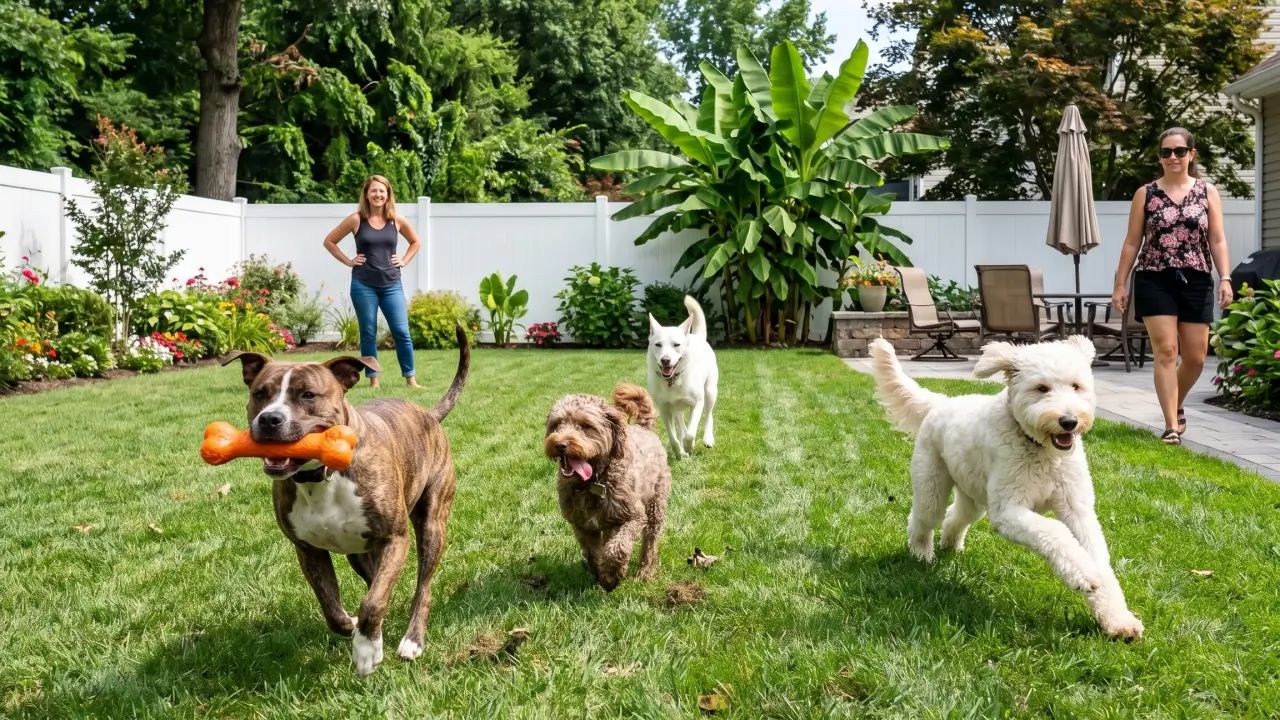
If you’ve ever looked out at your yard and seen worn-down “dog paths,” muddy patches, or those frustrating yellow urine spots, you’re not alone. Many pet owners wonder what is the most durable grass for dogs and whether a truly dog-proof lawn even exists. The truth is, no grass is completely indestructible. But some varieties come close. This guide breaks down the toughest options, why they work, and how to build a lawn that can actually keep up with your dog’s daily routine.
Quick Answer: The Most Durable Grass for Dogs
Bermuda grass is usually the best warm-weather grass for dogs because it can handle lots of running and grows back fast when it gets damaged. In colder places, tall fescue is a good choice because its deep roots help it stay strong even when dogs use the yard a lot. Zoysia is also a good option if you want grass that feels soft but is still strong enough for pets. No grass is fully safe from damage, but these types can heal faster and handle dog use better than most.
Top Picks: The Best Grass for Dogs by Climate (Real-World Scenarios)
Choosing the best grass for dogs starts with understanding your climate. Grass types fall into two main categories based on USDA Hardiness Zones: warm-season and cool-season grasses. Matching your lawn to your region makes a major difference in how well it survives paws, digging, and urine exposure.
Warm-Season Grasses
Bermuda Grass
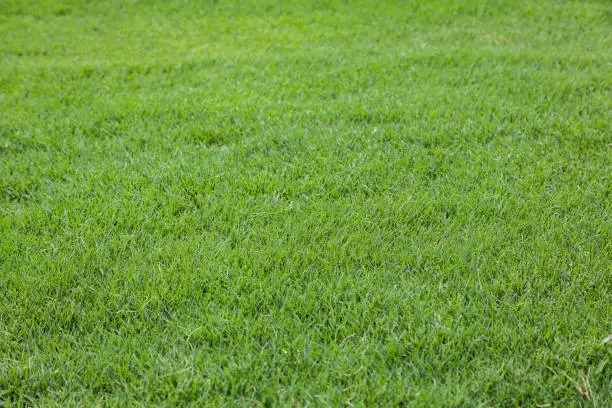
If your dog is a “fence runner” that patrols the same route every day, Bermuda grass is one of the few options that can keep up. It spreads aggressively through above-ground runners and underground rhizomes, allowing it to quickly fill in worn areas. This makes it one of the toughest grass types for pets in warmer states. Even when patches thin out, Bermuda recovers fast with proper care.
Zoysia Grass
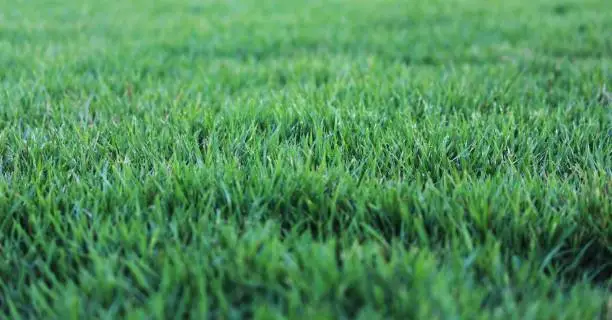
Zoysia is a thick grass that feels soft when you walk on it, but it is still strong. It grows close together, so it can handle dogs running and playing without getting damaged quickly. If you want grass that is soft but also tough, Zoysia is a good choice. It also helps stop weeds from growing, which is helpful when dogs use the yard a lot.
Cool-Season Grasses
Tall Fescue / Turf-Type Tall Fescue
Tall fescue is often considered the best grass for dogs in cooler climates. Its deep root system makes it highly resistant to being pulled up during those energetic “post-potty kicks.” It also tolerates drought better than many cool-season grasses, which helps it stay strong even when conditions aren’t ideal.
Kentucky Bluegrass
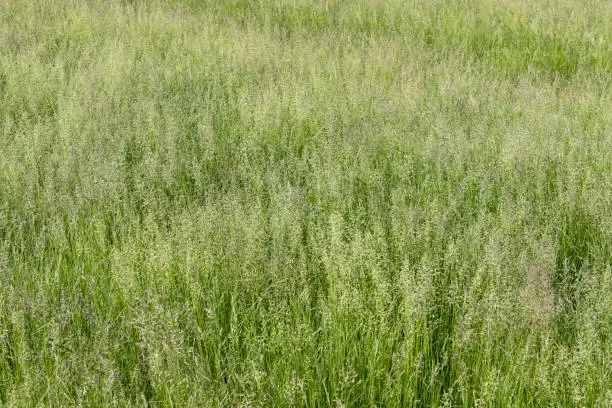
Kentucky bluegrass can fix itself. It spreads under the ground, so if dogs make small bare spots, the grass can grow back there. It is not as strong as tall fescue, but it works well when mixed with other grasses. It is good for yards that are not used too much.
These grasses are good for dogs because they can get a little damaged and grow back. The best grass depends on your dog. Some dogs run a lot, and some just walk or rest. So think about how your yard is used before you choose grass.
At-a-Glance Comparison: Choosing Your Dog Tolerant Grass
Selecting the right dog-tolerant grass can feel overwhelming, so here’s a quick comparison to simplify your decision:
| Bermuda Grass | Warm-season | Very High | Moderate | Medium |
| Zoysia Grass | Warm-season | High | Moderate | Medium |
| Tall Fescue | Cool-season | High | High | Low to Medium |
| Kentucky Bluegrass | Cool-season | Moderate | Moderate | Medium |
This table highlights what matters most when building a lawn that survives heavy dog traffic and daily wear.
Why Dog Urine Damages Even the Toughest Grass
Many people think dog pee hurts grass because it is too sour, but that is not true. The real problem is nitrogen. Dog pee has a lot of nitrogen in it. When it lands in one small spot, it is like too much plant food in one place. Grass can use a little nitrogen, but too much can burn it. That is why yellow spots happen.
It also depends on how your dog goes. Female dogs usually stick to one spot, so everything gets concentrated there, and the damage shows up more clearly. Male dogs tend to mark around the yard, so the impact gets spread out. The lawn still takes a hit, it’s just not always as obvious.
Understanding this process is key if you want to fix yellow dog urine spots effectively. The goal isn’t just choosing the toughest grass for pets but also managing how nitrogen affects your lawn.
How to Plant and Maintain a Dog Proof Lawn Seed
Creating a lawn that survives dogs starts with proper planting and consistent care. Even the best grass won’t thrive without the right maintenance strategy.
One of the most important steps is watering. When your dog urinates on the lawn, immediate or timely watering helps dilute the nitrogen before it burns the grass. The problem is that most people don’t notice urine spots until it’s already too late. By then, the damage is done.
This is where a smarter approach can make a difference. A system like the Aiper IrriSense 2 can be set to run short, targeted watering cycles in areas your dog uses most often. Instead of reacting to damage, you’re preventing it by keeping nitrogen levels from building up.
Mowing height matters more than most people think. When grass is cut too short, it gets stressed fast and struggles to bounce back, especially with dogs running over it all day. Letting it grow a bit taller, around 3 to 4 inches, helps it develop deeper roots, which makes it tougher overall. In fact, as ASPCA experts suggest, keeping your grass a little higher can help it handle dry conditions and constant paw traffic a lot better.
When you plant grass, choose a good dog-proof lawn seed mix that works in your area. Mixed seeds are often better than just one type of grass. That is because different grasses can do different jobs, like staying strong or filling in empty spots. This helps your lawn stay healthy and handle your dog better over time.
With the right combination of watering, mowing, and seed selection, you can build the best lawn for dogs that holds up over time rather than constantly needing repairs.
Alternative Hacks: When Grass Just Won't Grow
Sometimes, no matter what you try, certain areas of your yard just won’t support grass. This is especially common along fences or narrow pathways where dogs run repeatedly.
Instead of fighting a losing battle, it’s often smarter to work with your dog’s habits. Converting these high-traffic zones into dedicated paths can save you time and frustration. Using durable hardscape materials like mulch or river rocks is a practical solution that keeps your yard clean and functional.
When picking materials, think about your dog. Some rocks can get very hot in the sun and can hurt your dog’s paws. Try to use things that stay cool or give some shade so your dog can use the space safely all year.
Common Mistakes: Why Lawns Fail the Pet Test
Many people try to fix yellow urine spots by adding more fertilizer, but this usually makes things worse. Dog pee already has a lot of nitrogen in it, so adding more just burns the grass more instead of helping it grow back.
Another thing that causes problems is using strong chemicals without thinking about pets. Some lawn products can be rough on your grass and not great for your dog either. It’s a safer bet to stick with gentler options and focus on implementing pet-safe yard treatments that won’t introduce anything harmful.
At the end of the day, avoiding these mistakes matters just as much as picking the right grass. Even though dog-tolerant lawns can struggle if the care routine is working against them.
Conclusion & Next Steps for a Beautiful Yard
Making a dog-friendly lawn is not about finding one perfect grass that never gets hurt. That kind of grass does not exist. It is more about picking the right grass for your weather, taking care of it, and thinking about how your dog uses the yard. Bermuda, Zoysia, tall fescue, and Kentucky bluegrass are all good choices. It just depends on your needs.
Start with grass that fits your area, then focus on simple things like watering and mowing. For places where your dog runs a lot, it helps to have a plan instead of fixing the same spots again and again. With a few small changes, you can have a yard that still looks nice and can handle daily life with your dog.
FAQ about Dog-Friendly Lawns
How do I fix yellow spots caused by dog urine fast?
The fastest way is to pour water on the spot right after your dog pees. This helps wash it away so it does not burn the grass. If the spot is already yellow, remove the dead grass with a rake and add a pet-safe lawn repair mix so new grass can grow. It is an easy fix, but you need to do it quickly for the best results.
Is artificial grass better for dogs than natural grass?
Artificial grass can be easier to manage since it doesn’t get mud or urine burn spots. That said, it can get pretty hot in direct sun, which isn’t always comfortable or safe for dogs in warmer weather. So it depends on your climate and how your dog uses the space.
What grass seed mix works best for dog owners?
A mix of tall fescue and Kentucky bluegrass usually works well for most dog owners. Tall fescue adds strength and durability, while Kentucky bluegrass helps fill in damaged areas over time. Together, they create a lawn that holds up better to regular dog activity.