
Pet Safe Lawn Care: The Complete Guide to a Dog-Friendly Yard
Worried about toxins? Discover essential pet safe lawn care tips, from safe fertilizers to smart watering, ensuring a lush, happy yard for your dog.


We all want that picture-perfect green turf. But let's be real: achieving it without turning your backyard into a chemical minefield for your dog often feels like an impossible mission. For plenty of homeowners, the path to a weed-free lawn is paved with harsh products that can be seriously risky for four-legged family members.
If you’re hunting for pet safe lawn care solutions that actually work, you've come to the right place. The goal isn't just to keep the grass alive; it's to maintain a vibrant yard that doesn't double as a hazard zone. Below, we're breaking down the science of safe maintenance, swapping out dangerous chemicals for smarter picks, and looking at how tech can help keep tails wagging.
Are Lawn Pesticides Harmful to Dogs? The Hidden Risks
Before we jump into the fixes, we need to talk about the problem. When people ask, "are lawn pesticides harmful to dogs," the short answer is: they absolutely can be.
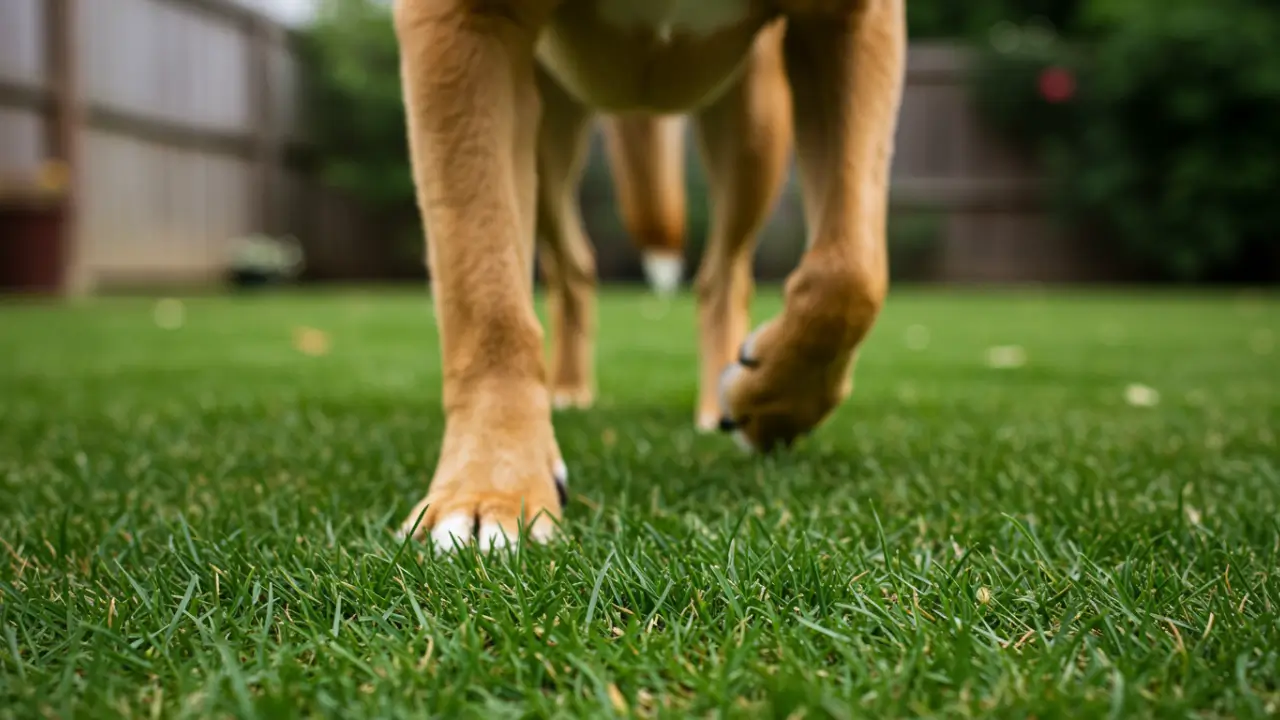
Think about it from your dog's perspective. They are low to the ground, constantly sniffing the soil, rolling around in the grass, and—inevitably—licking their paws the second they get inside. This makes them significantly more vulnerable to absorbing toxins through their skin or ingesting them than we are.
The numbers from the ASPCA are actually pretty scary. Garden products—specifically fertilizers and herbicides—consistently rank near the top of their pet poisoning lists. Their data on Poisonous Household Products highlights that standard insecticides and certain fertilizers can trigger everything from nasty skin rashes to severe stomach issues.
And it’s not just about what comes in a bottle. Before you start treating anything, do a quick scan of what's already growing there. Check your existing landscaping against the ASPCA’s Toxic and Non-Toxic Plants just to be sure your garden additions aren't the real culprit.
Essential Pet Safe Lawn Treatments and Fertilizers
Switching to pet safe lawn treatments doesn't mean your yard has to look like a wild jungle. It just means picking products that cooperate with nature instead of trying to dominate it.
Choosing Safe Grass Fertilizer for Dogs
Your grass needs nitrogen to stay green—that’s a fact. But synthetic nitrogen? That can be harsh stuff. When you are shopping for safe grass fertilizer for dogs, ignore the flashy marketing and look specifically for the OMRI Listed® seal (Organic Materials Review Institute).
Here are a few solid winners:
- Seaweed & Kelp: These are fantastic for boosting root growth and are safe for pets practically the moment you put them down.
- Corn Gluten Meal: This is a double threat. It acts as a natural fertilizer and also suppresses weed seeds before they sprout.
- Compost: Simply top-dressing your lawn with compost adds pure nutrients without any chemical burn risks.
A quick warning: Steer clear of fertilizers containing cocoa mulch. It might be organic, but it smells like chocolate. Dogs love that smell, will try to eat it, and unfortunately, it contains theobromine—the same compound that makes chocolate toxic to them.
Weed Control: The Pet Friendly Grass Treatment Approach
Weeds are annoying, no doubt. But reaching for glyphosate shouldn't be your default move. A genuinely pet friendly grass treatment strategy relies on being targeted rather than spraying everything in sight.
- Vinegar Solutions: Horticultural vinegar is a beast. A targeted spray can kill weeds on contact without leaving long-term residue.
- Manual Removal: It’s old school, but grabbing a standalone weeding tool and pulling them out is still the safest method on the planet.
- Corn Gluten: As mentioned earlier, this stops the problem before it starts by preventing germination.
The Role of Smart Watering in Pet Safety
Here is one angle most people miss: water management is actually a safety issue. A constantly soggy lawn is basically a luxury hotel for fungus and pests. Once those move in, homeowners usually panic and start buying harsh fungicides and insecticides to fight back.
The Solution: Precision Irrigation
A lawn with deep, robust roots can fight off pests on its own. The trick is watering deeply but infrequently. The problem? Traditional timers are terrible at this.
This is where smart home tech, like the Aiper IrriSense 2, bridges the gap. Instead of guessing, the IrriSense 2 uses real-time soil monitoring. It only waters when the moisture levels drop below a specific threshold.
By preventing overwatering, you stop fungal growth naturally. This "prevention first" approach cuts down the need for chemical interventions significantly, making the yard inherently safer for your pets.
Safety Timeline: How Long After Lawn Treatment Is It Safe for Pets?
Even when you use safer products, you shouldn't throw caution to the wind. We get asked constantly: "how long after lawn treatment is it safe for pets?"
Manufacturers often slap "safe once dry" on the label, but we recommend playing it safe. Here is a more conservative timeline to follow.
Reference Table: Lawn Treatment Re-entry Guide
| Treatment Type | Standard Recommendation | Pet Safe Recommendation |
|---|---|---|
| Synthetic Liquid Herbicide | Until Dry | 24 Hours minimum |
| Granular Fertilizer | 24 Hours + Watered In | 24 Hours after watering in (wait for granules to dissolve) |
| Organic/Natural Fertilizer | Immediate | Safe immediately (just watch them so they don't eat it) |
| Nematodes (Pest Control) | Immediate | Safe immediately (biological control) |
Note: Always read the specific label on your product. "Pet safe" usually implies safety only after the application instructions are followed precisely.
What to Do If Pet Ingests Lawn Treatment Product
Accidents happen, even to the most careful owners. If you suspect your dog has eaten fertilizer granules or licked treated grass, knowing what to do if pet ingests lawn treatment product is vital.
- Remove the Pet: Get them away from the area immediately.
- Gather Evidence: Grab the bag or take a photo of the label. The vet needs to know the active ingredients to treat it.
- Check for Symptoms: Watch for drooling, vomiting, tremors, or seizures.
- Call for Help: Do not induce vomiting unless a pro tells you to.
- Contact your local veterinarian.
- Call the ASPCA Animal Poison Control Center at (888) 426-4435.
Conclusion
Getting a beautiful lawn doesn't require compromising your dog's health. By being picky about pet safe lawn care products, sticking to strict safety timelines, and using smart tools like the Aiper IrriSense 2 to keep the grass naturally healthy, you can build a backyard that works for everyone.
Remember, the best lawn is one that the whole family—two-legged or four-legged—can actually enjoy without worry.
FAQs About Pet-Friendly Lawn
Q: Are pet safe lawn treatments as effective as chemicals?
A: Yes, but they play the long game. Organic treatments focus on building soil health over time for sustainable growth, whereas chemicals are often a quick fix that can degrade soil quality later on.
Q: Does the Aiper IrriSense 2 work with existing sprinkler systems?
A: Absolutely. It is designed to modernize your current setup, ensuring water is delivered efficiently based on real data, not just a blind timer.
Q: What is the best natural alternative for killing weeds?
A: For spot treatments on tough weeds, high-concentration vinegar is effective. For prevention, corn gluten meal is widely considered the industry standard for safe weed suppression.