
Pre-Emergent vs Post-Emergent Weed Control: The Ultimate Guide to a Weed-Free Lawn
Pre-emergent herbicides form a soil barrier to stop weed seeds from sprouting, while post-emergent ones kill already grown weeds via leaf absorption. Apply pre-emergent in spring and fall, match temperature timing, and pair with smart irrigation and soil microbes for a weed-free lawn.

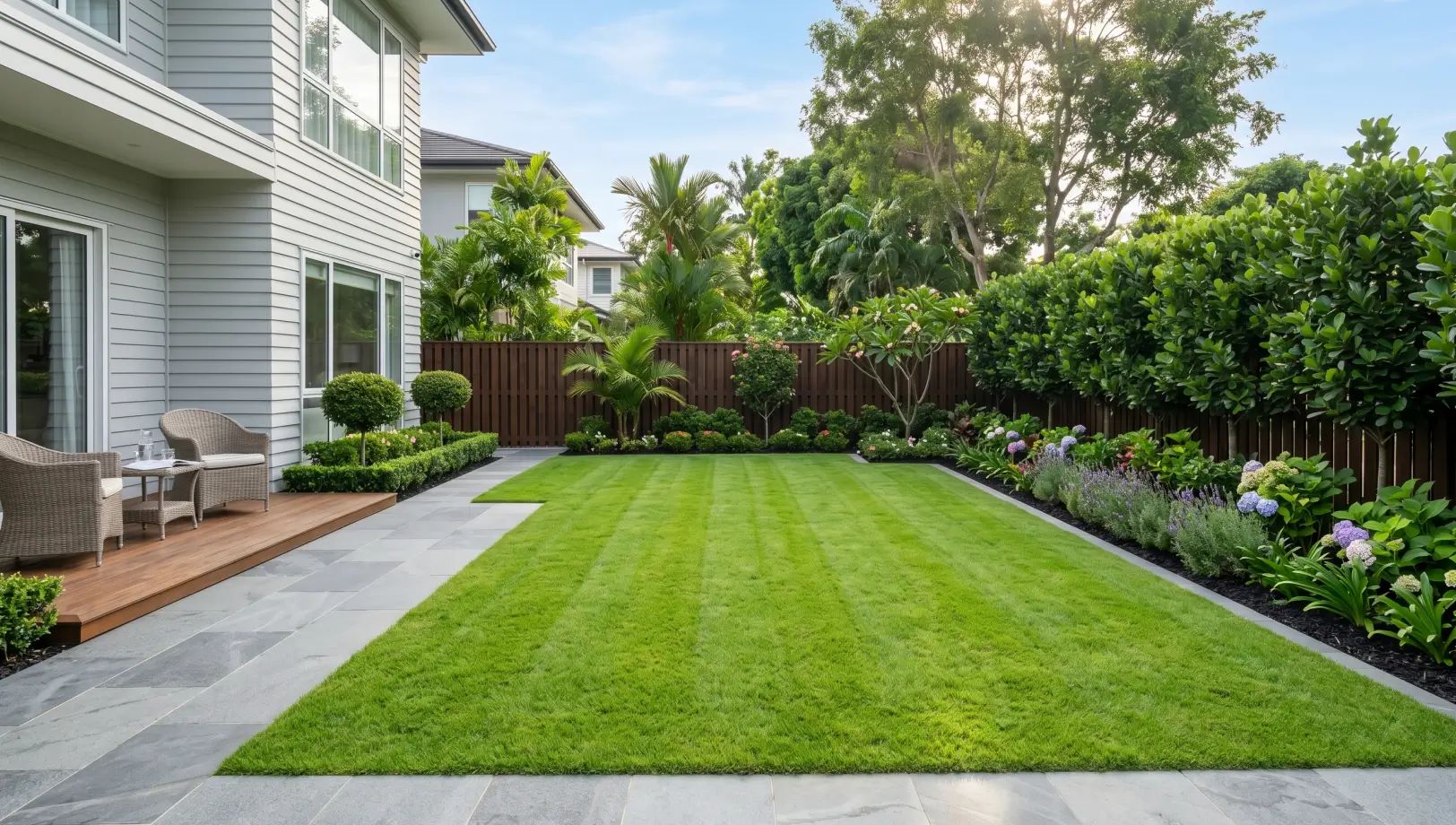
A beautiful, healthy lawn starts with effective weed control. Weeds not only mar the aesthetic of your lawn but also compete with your grass for sunlight, water, and nutrients. To win this ongoing turf battle and protect desirable turfgrasses like Kentucky bluegrass, tall fescue, and Bermudagrass, understanding the strategic differences between pre-emergent vs post-emergent weed control is absolutely critical.
Relying on a single method often leads to frustration. Instead, modern lawn care advocates for an Integrated Weed Management (IWM) approach. This ultimate guide will break down the science behind these weed control solutions, explain how precise timing dictates success, and explore how to build a natural defense system for a sustainable, weed-free yard.
What is Pre-Emergent Weed Control? How It Works and Why It Matters
To effectively prevent weeds from taking over, you must stop them before they see the sun. However, if you are asking exactly what is pre-emergent weed control, it is essential to clear up a common misconception: many homeowners believe these herbicides kill dormant weed seeds residing in the soil.
The scientific reality is quite different. Pre-emergent herbicides have absolutely no effect on ungerminated seeds. Instead, here is how this proactive defense mechanism works:
- The Invisible Chemical Barrier: When applied, these products establish an invisible chemical barrier in the top 0.5 to 1 inch of the soil profile.
- Interrupting Cellular Growth: When specific soil temperatures and moisture trigger a weed seed to break dormancy, the seed extends its initial root. As these vulnerable new cells contact the pre-emergent barrier, the herbicide's active ingredients are absorbed, fundamentally inhibiting cell division. The weed seedling is neutralized before it breaks the soil surface.
- The Importance of Water Activation: Most modern pre-emergent compounds are lipophilic (meaning they are fat-soluble and bind tightly to soil organic matter rather than dissolving easily in water). Therefore, the chemical barrier is only activated after receiving about 0.5 inches of water from rainfall or irrigation. Without this crucial step, the herbicide remains trapped in the lawn's thatch layer.
What is Post-Emergent Weed Control? How It Targets Visible Weeds
When weeds successfully breach your preventative barrier, reactive measures become necessary. So, what is post-emergent weed control? It is your targeted, curative solution for visible weeds.
Unlike preventative soil treatments, post-emergent herbicides are designed to target weeds that have already sprouted and are actively growing.
- Systemic Absorption: The best weed control products used in lawn care are systemic. When the herbicide droplets attach to the weed's leaves, the chemical enters the plant's vascular system. It then translocates downward along with the plant's photosynthetic products, destroying the entire root structure from the inside out.
- The Role of Active Growth: Efficacy is highly dependent on the physiological activity of the target weed. Herbicides work best when weeds are in their seedling stage and growing vigorously (ideally under 3 to 4 inches tall).
- Best Temperature for Post-Emergent Application: Environmental conditions dictate success. The ideal application window is when daytime air temperatures range between 50°F and 75°F. If applied when it's too cold, the plant’s metabolism slows, preventing the herbicide from circulating properly. Conversely, applying when temperatures exceed 85°F can cause the chemicals to volatilize and damage nearby landscape plants.
Pre-Emergent vs Post-Emergent Weed Control: Key Differences Explained
To implement an effective year-round turf strategy, you must understand how these two methods complement each other in an IWM program. Here is a quick summary followed by a clear breakdown:
- Pre-emergent acts as your proactive shield in the soil, preventing new seedlings from surviving.
- Post-emergent acts as your reactive, surgical tool for clearing out weeds that have already sprouted.
| Feature | Pre-Emergent Weed Control | Post-Emergent Weed Control |
| Primary Target | Ungerminated weed seeds right at the sprouting phase. | Visible, actively growing weeds that have broken the surface. |
| Application Timing | Proactive: Before weeds germinate (highly dependent on soil temperatures). | Reactive: During the active growing phase of the weed. |
| Area of Action | The top 0.5 to 1 inch of the soil surface. | The foliage (leaves and stems) of the visible weed. |
| Application Method | Broadcast evenly across the entire lawn to create a seamless barrier. | Spot treatment or broadcast, depending on the severity. |
| Activation Needs | Requires 0.5 inches of water (rain or irrigation) to activate in the soil. | Requires dry foliage for absorption; rain shortly after can wash it away. |
Timing Your Pre-Emergent Weed Control for Maximum Effectiveness
If you miss the specific biological window for weed seed germination, all the effort spent on lawn care pre-emergent weed control is essentially wasted. Germination is driven by accumulated heat in the soil, not the calendar.
Spring Application for Summer Annuals Your primary targets in spring are summer annuals like crabgrass. According to agronomic research from Purdue University Extension, crabgrass seeds initiate their germination sequence when soil temperatures 2 to 4 inches below the surface reach a consistent 50°F to 55°F for four to five consecutive days. Applying too early means the barrier may degrade; applying too late renders it useless. If you are ever unsure about when it is too late to spray for weeds, monitoring these precise soil temperature thresholds is your most reliable strategy.
Fall Application for Winter Annuals Late summer to early fall is the critical window for preventing winter annuals like Poa annua (annual bluegrass). These weeds germinate as soil temperatures drop below 70°F, remain semi-dormant over winter, and aggressively take over in early spring.
Beyond Chemicals: Holistic Weed Control Strategies for a Healthier Lawn
While herbicides are valuable, they should be supported by strong cultivation practices. By manipulating your lawn's micro-environment, you can create a space where turf thrives and weeds are naturally choked out.
Precision Moisture Management: Smart Irrigation to Block Weed Growth
All seeds require moisture to break dormancy. For dormant weed seeds resting in the topsoil, surface moisture saturation is the direct trigger for germination. Traditional irrigation timers often constantly soak the soil surface, artificially creating the perfect wet incubator for weeds.
Modern agronomy advocates for "deep and infrequent" watering. Allowing the topsoil to dry completely cuts off the moisture supply to weed seeds while forcing desirable turf roots to grow deeper.
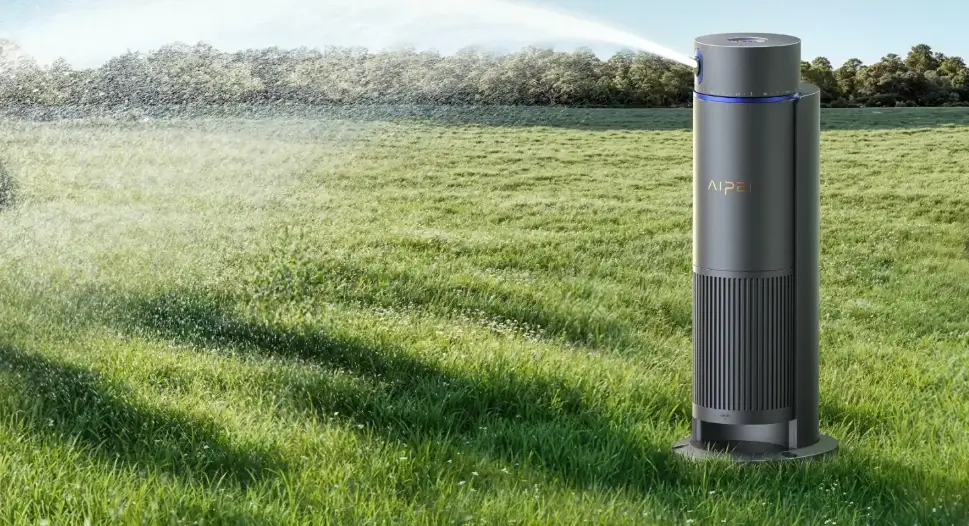
Looking for smarter irrigation solutions? The Aiper IrriSense 2 provides real-time adjustments to optimize your watering schedule and prevent weed growth. Using its predictive Weather-Sense system, it automatically halts schedules based on forecasted rainfall, keeping dormant zones dry and effectively acting as a physical weed-prevention strategy.
Using Soil Microbes to Build Turf Resilience and Prevent Weeds
A healthy soil microbiome acts as a lawn's natural immune system. Over-reliance on synthetic fertilizers degrades soil biodiversity, creating weak spots where weeds easily invade.
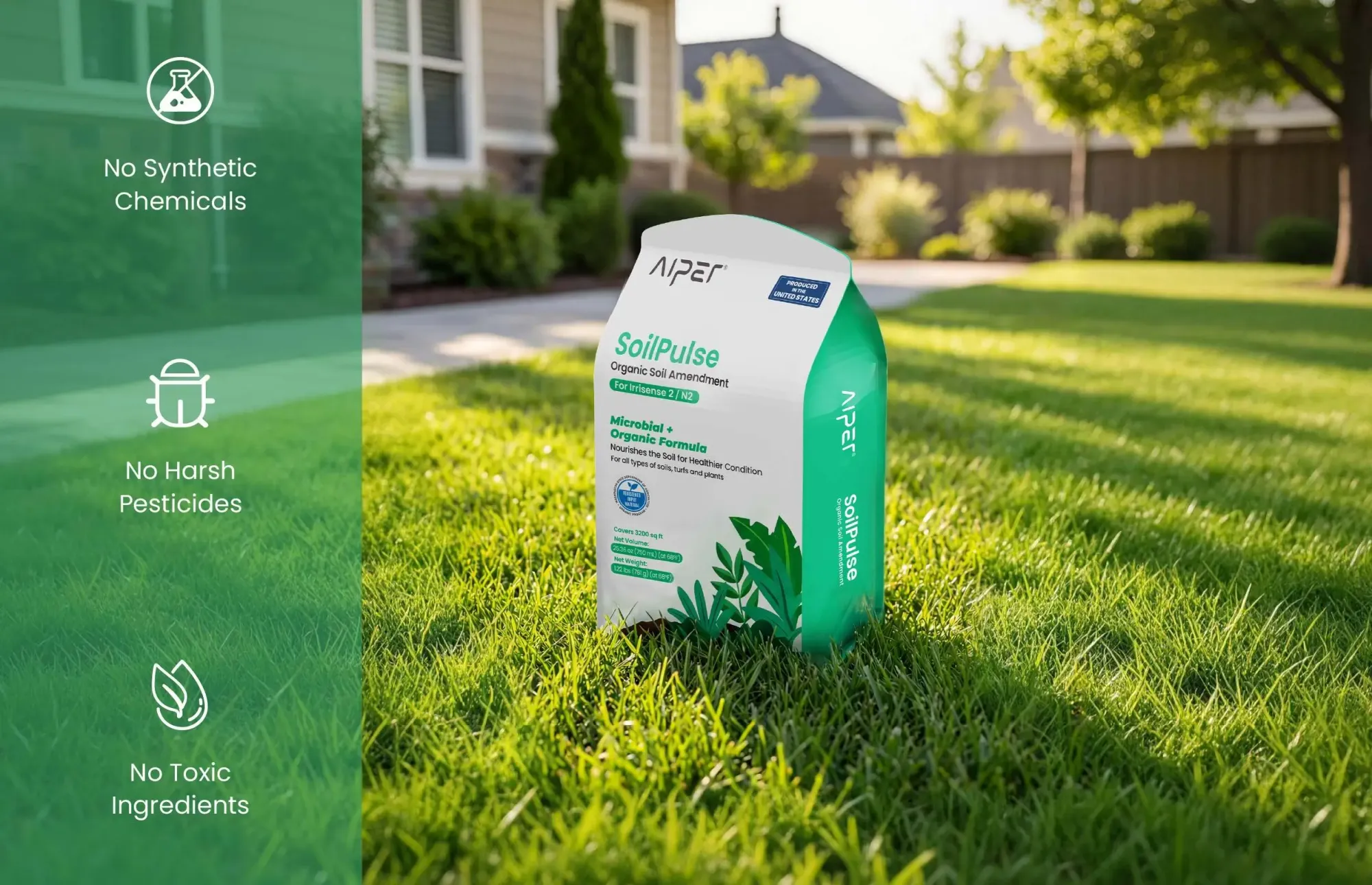
Transitioning to organic microbial soil amendments shifts the competitive advantage back to your turfgrass. Using products like the SoilPulse™ Microbial Organic Soil Amendment introduces beneficial microbes that unlock bound nutrients in the soil. This nutrient surge triggers exponential root expansion, growing a thick, impenetrable green canopy that physically blocks the sunlight required for weeds to germinate.
FAQs on Pre-Emergent vs Post-Emergent Weed Control
What’s the difference between pre-emergent and post-emergent herbicides?
Pre-emergent herbicides stop weed seeds from developing into seedlings by creating a chemical barrier in the soil. Post-emergent herbicides kill weeds that have already sprouted and are visible in your lawn by absorbing through their leaves.
How often should I apply pre-emergent herbicide?
For complete protection, it is generally recommended to apply pre-emergent twice a year: once in early spring (to stop summer weeds like crabgrass) and once in early fall (to stop winter weeds like annual bluegrass).
Can I apply pre-emergent and post-emergent herbicides at the same time?
Yes, but the sequence matters. Apply the liquid post-emergent first. Allow it to fully dry and absorb into the leaves. Once dry, you can spread your granular pre-emergent and water it into the soil.
Can I seed my lawn after using a pre-emergent?
Generally, no. Standard pre-emergents are non-selective; they will inhibit your grass seeds just as effectively as weed seeds. You typically must wait 8 to 12 weeks after applying a pre-emergent before overseeding.
Quick Glossary of Lawn Care Terms
- Integrated Weed Management (IWM): A holistic approach combining biological, cultural, physical, and chemical tools to manage weeds safely and sustainably.
- Lipophilic: Fat-soluble compounds that bind tightly to soil particles and organic matter, requiring water to be properly distributed into the soil profile.
- Systemic Herbicide: A chemical that is absorbed by a plant's foliage or roots and moves (translocates) throughout its vascular system to kill the entire plant.
Conclusion: Building a Sustainable Weed-Free Lawn with IWM
Mastering turf care requires recognizing that pre-emergent vs post-emergent weed control are not mutually exclusive—they are two halves of a comprehensive defense strategy. Pre-emergents act as your proactive shield, heavily reliant on precise soil temperatures, while post-emergents serve as your reactive tool for clearing out persistent invaders.
With the right tools, knowledge, and techniques, you can not only control weeds but build a sustainable lawn that thrives year-round. By embracing Integrated Weed Management, utilizing smart irrigation technology, and fostering robust soil microbes, the absolute best defense against weeds is a healthy, aggressively growing lawn.