
When to Fertilize Your Lawn: The Science-Backed Timing Guide
Lawn fertilization depends on soil temperature above 55°F rather than calendar dates; fertilize moderately 2–3 times yearly, avoid feeding in summer heat and winter dormancy, use slow-release fertilizer and proper watering to prevent waste and grass burn.

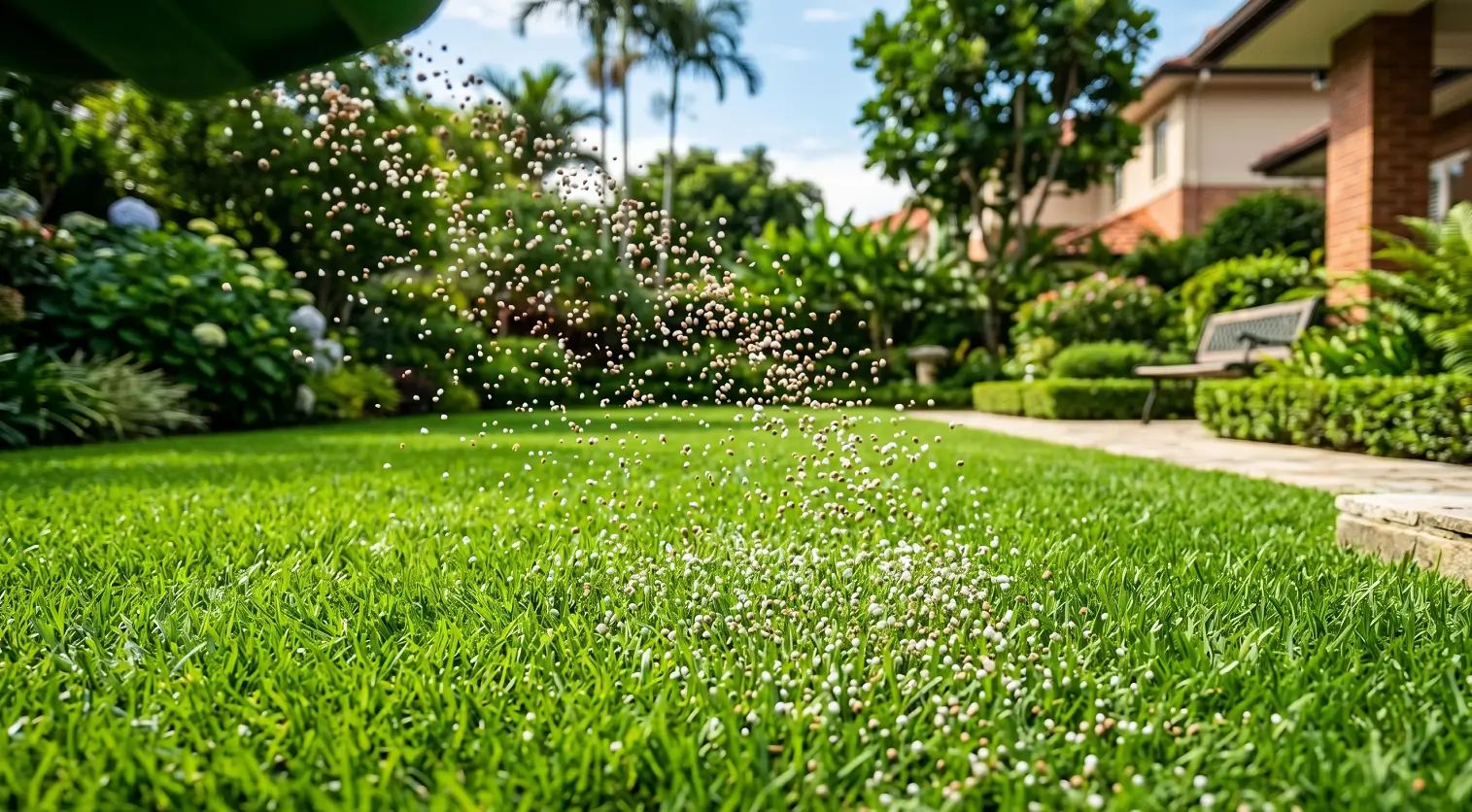
We have all been there: you spend a small fortune on the premium bags of fertilizer and spend your entire Saturday carefully spreading it, only to have your lawn look exactly the same two weeks later. It is incredibly frustrating to put in the work and see zero return on your investment. Usually, the problem isn't the product or your effort; it is simply a matter of bad timing. In the world of lawn care, your watch is just as important as the nutrients in the bag.
Learning when is the best time to fertilize your lawn is the real "cheat code" for a great yard. If you toss down fertilizer while the grass is asleep or stressed, you might as well be throwing your money straight into the storm drain.
We have pulled together the best advice from university labs and pro landscapers to help you stop guessing and start working with your lawn's natural rhythm. By getting the timing right, you can finally get those professional results without the wasted time and cash.
The Golden Rule: Why Soil Temperature Matters More Than the Month
Many people use the calendar to decide when to work on their lawn, but grass doesn’t follow dates. It depends on the soil. Your lawn is alive, and it grows based on how warm the ground is, not just the air. Even if a day in March feels warm, the soil can still be cold. When the soil is cold, the roots are not active, so the grass can’t use nutrients yet.
Experts often mention the 55°F rule. This means grass can properly take in nutrients only when the soil stays above 55 degrees Fahrenheit. If you add fertilizer before that, it mostly goes to waste. That’s why when is it best to fertilize your lawn really depends on soil temperature, not the calendar.
Fertilizing during winter dormancy is a significant mistake because it is a waste of money and causes environmental pollution. Nitrogen that is not absorbed by dormant roots eventually leaches into the groundwater or runs off into local streams during spring thaws.
Seasonal Breakdown: When Are the Best Times to Fertilize Your Lawn?
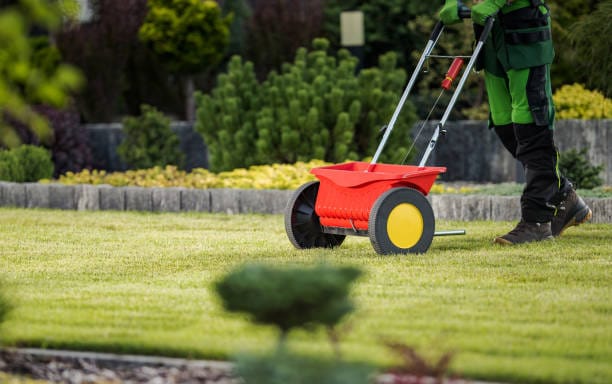
Each season throws something different at your grass, so your strategy has to change along with the weather. To keep things healthy, you really have to pay attention to where your grass is in its own growth cycle.
Spring: Awakening and Early Growth
It is tempting to run out and spread early spring lawn fertilizer the moment the snow clears and the sun pops out, but rushing it is a mistake. The best move is to hold off until you see the grass "waking up", look for that fresh green color and wait until it is actually tall enough to need a mow. That first trim is the ultimate sign that the roots are active and ready to eat.
Exactly when to fertilize yard in spring comes down to what kind of grass you are growing. If you have cool-season turf like Kentucky Bluegrass, a light touch in late spring works best, once that initial burst of winter energy starts to level off. If you are dealing with warm-season varieties like Bermuda, you will want to wait even longer, usually late April or May, to make sure the last frost is gone and the grass is truly in its prime growing phase.
Summer: The Danger Zone
Summer is basically a survival test for your lawn. Between the scorching heat and shifting humidity, most grass enters a semi-dormant state to save water. Trying to force growth with a high-nitrogen fertilizer during a heatwave is like trying to make someone run a marathon in 100-degree weather; it just causes more stress.
If things are looking a bit rough in July or August, stick to natural fixes. A great tip from Consumer Reports is to try "mulch mowing," which just means leaving your clippings on the grass. They break down fast and give your lawn a gentle nitrogen boost without the chemical harshness.
If you ignore the heat and dump heavy fertilizer anyway, things can go south fast. If that happens, you will need to move quickly to repair fertilizer burn and revive your dying grass before it is too late to save.
Fall: The MVP of Fertilization
Spring gets a lot of attention, but the truth is late August through September is the best time to fertilize lawn if you care about long-term results. During this time, the air starts to cool down, but the soil is still warm. That’s the perfect mix for your grass.
Instead of growing taller, the grass starts putting its energy into the roots. When you fertilize now, you’re helping it store up nutrients for the winter. Those stored nutrients make a big difference later.
This is what helps your lawn turn green faster in early spring and grow stronger roots. A stronger root system also means your lawn can handle the heat and stress of next summer much better.
Regional Variations: When to Fertilize Your Lawn in Florida and the South
The rules for the American South are significantly different from those in the North due to the dominance of warm-season grasses such as St. Augustine, Bermuda, and Zoysia. These grasses thrive in the heat but have a much longer growing season, which changes the fertilization timeline.
If you are wondering when to fertilize your lawn in Florida, the answer is usually centered around the window of March through October. However, the South faces unique environmental challenges. Many counties in Florida and other coastal states have strict fertilizer bans during the peak rainy months of summer.
These regulations are designed to prevent the heavy runoff that occurs during tropical storms, which can carry nitrogen and phosphorus into delicate marine ecosystems. In these regions, a heavy application in late spring and another in early fall is the most effective and legal strategy.
Frequency and Signs: How Often Should I Fertilize My Lawn?
One of the most common questions from homeowners is: how often should i fertilize my lawn? Many commercial 4-step programs suggest four or even five applications per year, but this is often more than a healthy lawn requires. A more sustainable approach for most residential yards is 2 to 3 times per year. Over-fertilizing leads to excessive thatch buildup and can make the grass more susceptible to disease and pests.
Instead of following a rigid schedule, look for visual signs of nutrient deficiency. If your grass has a pale yellow color instead of a deep green, shows thin patches despite regular watering, or demonstrates stunted growth during its peak season, it may be time for a boost. A well-timed application based on these signs is always more effective than a generic monthly schedule.
Step-by-Step: How to Fertilize Lawn for Maximum Results
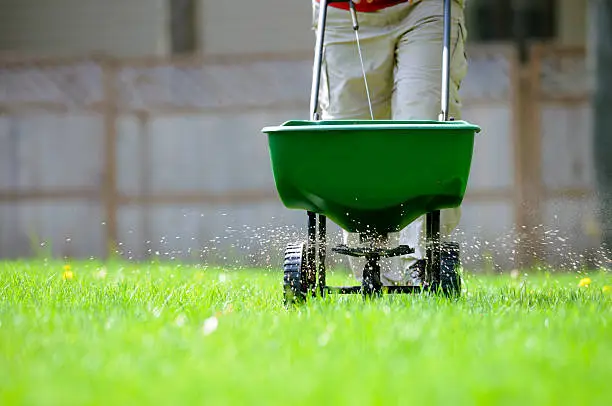
Putting fertilizer on your lawn is not hard, but doing it the right way helps a lot. If you take a little time to do it properly, your grass will grow better, and you won’t waste money.
Step 1: Test Your Soil
Before buying fertilizer, check your soil. Every lawn is different. A soil test tells you what your grass actually needs and if the soil is too acidic or too alkaline. If the pH is not right, your grass cannot use the nutrients, even if they are there. Fixing this first makes everything work better.
Step 2: Mow Before You Feed
Mow your lawn a day or two before adding fertilizer. This helps the fertilizer reach the soil instead of getting stuck on the grass. It also lets you see any weak or thin spots in your lawn.
Step 3: Choose Slow-Release Nitrogen
Pick a fertilizer with slow-release nitrogen. It feeds your grass slowly over time, which is better than giving it too much at once. Also, avoid fertilizers with phosphorus unless your soil really needs it. Too much phosphorus can wash away and harm the environment.
Step 4: Water In the Nutrients
The most critical step in the fertilization process is the "water in" phase. Fertilizer granules sitting on the surface of the dry grass can cause chemical burns. You must provide enough moisture to dissolve the granules and move them into the root zone.
For this task, precision is key. Utilizing the Aiper IrriSense 2 Smart Sprinkler allows you to manage this process with scientific accuracy. Precision watering is required to activate fertilizer without over-saturating the soil.
One of the greatest benefits of a modern system is that smart scheduling prevents the heavy runoff that pollutes local waterways. By delivering the exact amount of water needed to settle the nutrients into the top few inches of soil, you protect the environment while ensuring your lawn gets every bit of the nutrition you provided.
Summary: Lawn Fertilization Timing at a Glance
To simplify your seasonal planning, use the following reference to guide your applications:
| Early Spring | All Types | Wake up roots | Wait for green-up and 55°F soil |
| Late Spring | Warm-Season | Boost growth | Apply after the last frost |
| Summer | All Types | Survival | Use mulch mowing; avoid heavy feeding |
| Fall | Cold-Season | Root strength | Primary fertilization window (Sept) |
FAQ Section
Can I fertilize my lawn every 2 weeks?
No, you should never fertilize every two weeks. This frequency creates a high risk of nitrogen burn, which can kill the grass blades and roots. It also leads to excessive nutrient runoff that causes significant environmental damage to local ponds and streams. Most lawns only need feeding every 6 to 8 weeks during the active growing season.
Should I fertilize before a heavy rain?
No, you should avoid fertilizing if a heavy downpour is in the forecast. Heavy rain washes the nutrients away before they can sink into the soil, leading to wasted money and water pollution. Instead, use a smart system like IrriSense 2 for light, controlled watering to activate the fertilizer safely.
What is the best time to fertilize lawn if it’s currently heat-stressed?
If your lawn is brown and crispy due to a heatwave, the best time to fertilize is later, once the heatwave passes and temperatures return to a normal range. You should never fertilize a stressed or dormant lawn, as the plant cannot process the nutrients and the salt content in the fertilizer can further dehydrate the grass. Always prioritize hydration and cooling over fertilization during extreme weather.