
How Do Pool Vacuums Work? The Ultimate Guide to a Crystal Clear Pool
Pool vacuums work via suction, pressure, robotic self-filtration or handheld design. Suction/pressure types rely on pool plumbing, while robotic cleaners operate independently with smart navigation; choose by pool size, debris type and hands-on maintenance preference.

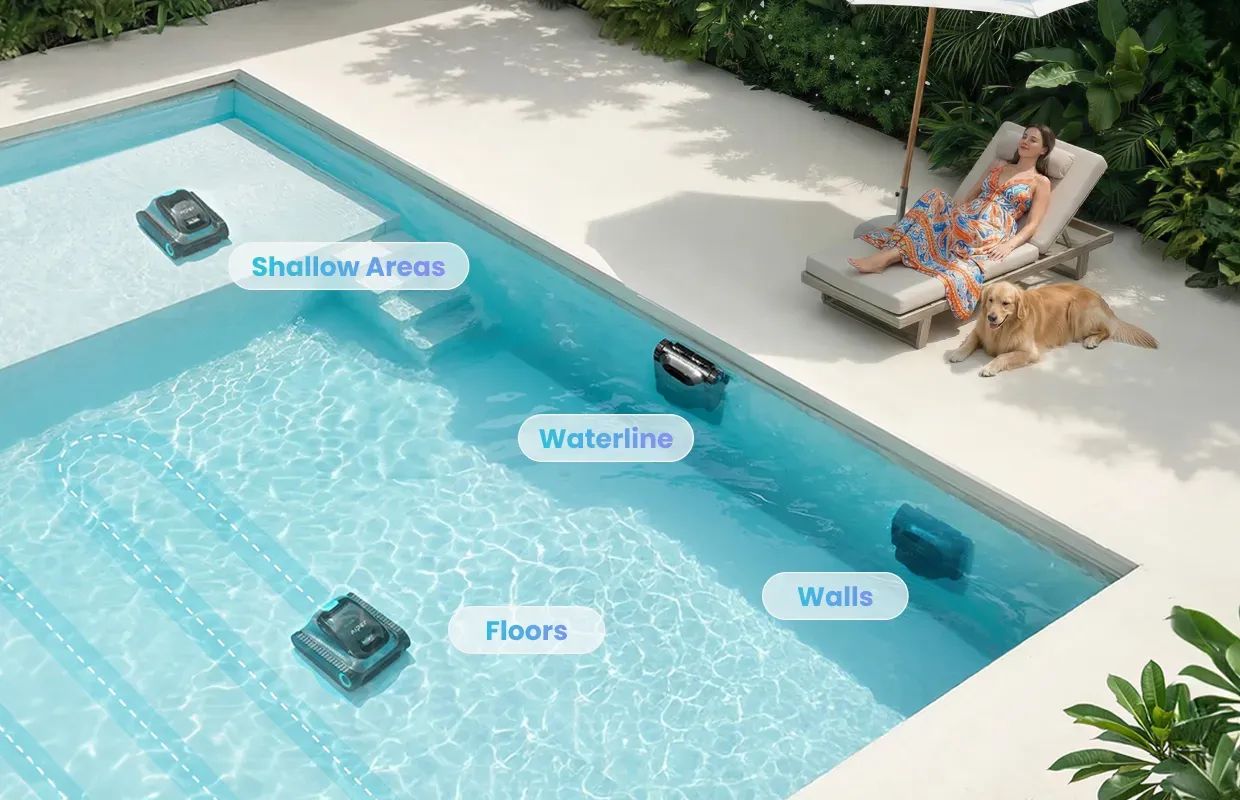
Keeping a pool clean can feel like a never-ending chore. You vacuum, skim, and balance chemicals, only to see dirt settle right back on the bottom a day or two later. It is frustrating, time-consuming, and often confusing. If you have ever wondered why your efforts are not lasting, the answer usually comes down to one thing: understanding how pool vacuums work.
Once you understand the mechanics behind different types of pool vacuums, you can choose the right system for your needs. That means less effort, better water quality, and a pool that actually stays clean. If you are unsure of your baseline maintenance schedule, this helpful guide on how often you should vacuum your pool can give you a solid starting point.
Key Takeaways
- Pool vacuums generally clean in three main ways: using suction, pressure, or their own built-in filtration system.
- Suction and pressure cleaners depend on your pool’s existing pump and plumbing to do the work.
- Robotic cleaners are independent units that collect and filter debris inside the machine itself.
- Very fine dirt can sometimes come back after cleaning because traditional filters do not always catch it all.
- Advanced robotic cleaners use smart navigation to move around efficiently and cover the entire pool.
- The best option depends on your pool size, the kind of debris you deal with, and how much effort you want to put into maintenance.
The 4 Types of Pool Vacuums (And How They Operate)
Understanding how pool vacuums work starts with knowing the four main types available. Each operates differently and serves a specific purpose.
| Vacuum Type | Power Source | How It Operates | Best For |
| Suction-Side | Pool's primary pump | Uses suction from the skimmer to pull debris directly into the pool's main filter. | Budget-conscious owners; simple setups. |
| Pressure-Side | Pool's return jets (often needs booster pump) | Uses water pushed into the pool to create a vortex (Venturi effect), trapping dirt in an attached bag. | Medium-to-large debris; pools with heavy leaf loads. |
| Robotic | Independent low-voltage power (Battery/Plug-in) | Drives itself using internal motors and filters water through a self-contained onboard basket. | Hands-off maintenance; maximum energy efficiency. |
| Handheld / Cordless | Battery or Garden Hose | Uses battery suction or a hose-powered Venturi effect to trap dirt in a small sleeve. | Spot cleaning; spas; small above-ground pools. |
Suction-Side Pool Cleaners: Powered by Your Filter
Suction-side cleaners connect directly to your pool’s skimmer line. They rely on your pool pump to create suction, moving the cleaner along the bottom and pulling debris from the pool floor directly into your filter system.
The main advantage is affordability. These systems are simple, widely available, and great if you are on a budget and just looking to get started. However, this setup places extra strain on your pump and filter. Without proper filtration upgrades, fine debris can pass through the sand and return right back to your pool. This is why many users feel like they are cleaning the same dirt repeatedly.
Pressure-Side Pool Cleaners: The Heavy-Duty Debris Movers
Pressure-side cleaners use the water pushed back into the pool through your pump and filter system to power the cleaner. This water pressure powers a vortex that lifts debris off the ground and into a self-contained filter bag located on the cleaner itself.
These cleaners do a solid job with bigger debris like leaves and twigs, and because they are self-contained, they don't move dirt into your filter system. The downside is that some of them require an extra booster pump to work properly, which can mean extra setup and higher energy costs.
Robotic Pool Cleaners: The Smart, Independent Solution
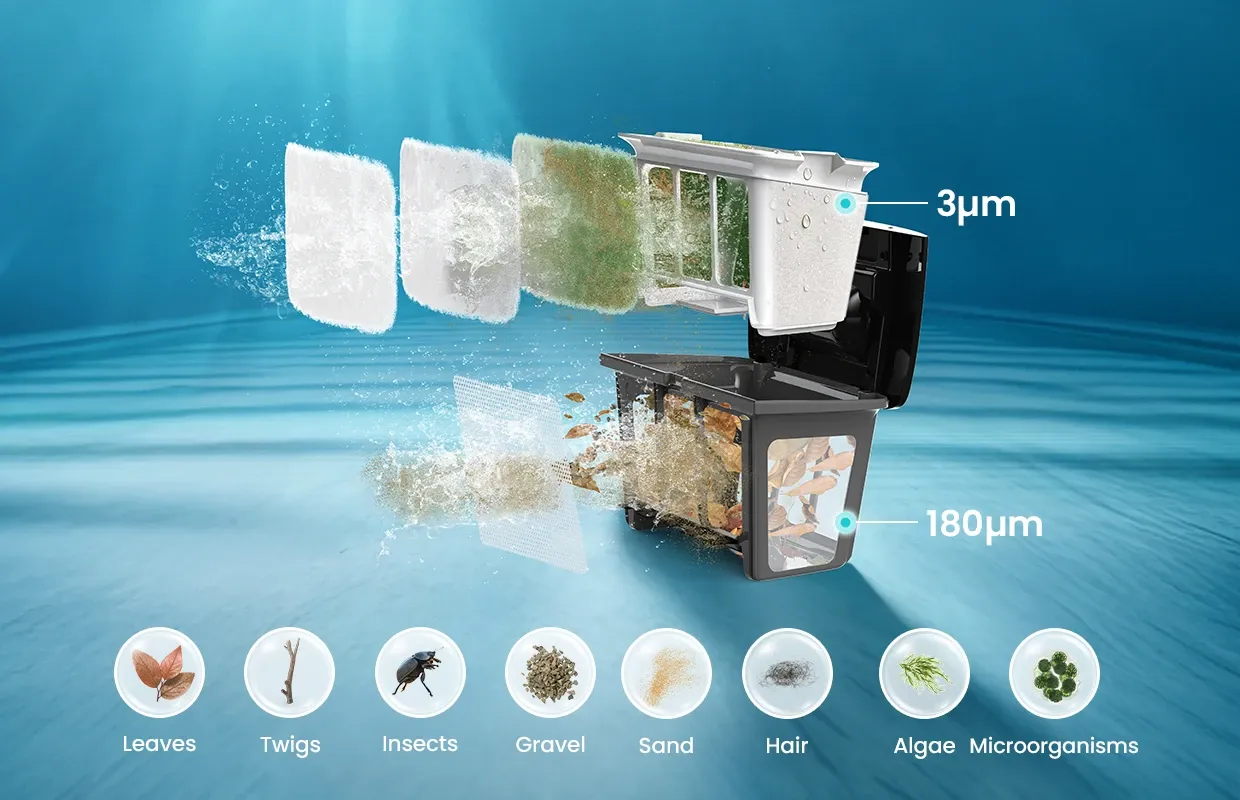
Robotic pool cleaners are where modern technology truly changes the game. These systems operate entirely independently from your pool’s pump and filter system. Instead, they use a low-voltage transformer, their own motor to drive the wheels, and their own pump to lift debris into a filter basket.
Because they filter the water themselves, you get extra filtering power even when your main system is turned off. Models like the Aiper Scuba series are designed around these efficient robotic engineering principles. They reduce strain on your pool system, use less energy, and provide a self-contained clean.
If you are spending hours cleaning with inconsistent results, independent robotic systems with advanced filtration are the ultimate solution. Without them, you risk continued wear on your pool's plumbing and recurring fine debris.
For a deeper comparison, check out this guide on robotic vs. suction pool cleaners.
Cordless and Handheld Pool Vacuums: Spot Cleaning Made Easy
Cordless and handheld vacuums are designed for convenience. They are ideal for quick cleanups, spas, or small above-ground pools.
Some use battery-powered suction, while others rely on water pressure from a standard garden hose to create a Venturi effect, sucking dirt into a small sleeve without discarding any pool water. While they are incredibly easy to use, they are not built for full, automated pool cleaning.
Deciding between automated and manual? Read this guide on choosing between a robotic pool cleaner and a handheld vacuum.
Why Does My Pool Get Dirty 2 Days After Vacuuming?
This is one of the most common frustrations pool owners face. The issue almost always comes down to how debris is handled after it leaves the floor.
When you vacuum to the filter (like with a suction-side cleaner), debris is sent directly through your pool’s primary filtration system. Unfortunately, fine particles like silt, dead algae, and dust can easily pass right through standard sand filters. These microscopic particles are then pushed straight back into the pool through the return jets.
This creates the frustrating illusion that your pool is getting dirty again almost immediately.
Robotic cleaners solve this problem by using fine, micron-level filtration baskets that capture debris before it ever touches your main filter. If you are dealing with stubborn residue, this guide on how to get rid of brown dust on the bottom of a pool can help you troubleshoot further.
How Do Automatic Pool Cleaners Know Where to Go?
Older pool cleaners tend to move in a pretty simple way. They follow a random "bump-and-turn" pattern. Basically, they keep going in one direction until they hit a wall, then mechanical gears shift to change their course. While this method does clean eventually, it can easily miss spots and takes significantly longer to cover the entire pool.
Modern robotic cleaners take a much smarter approach. They have computer chips inside them that monitor the cleaner's activities to teach it to be more efficient.
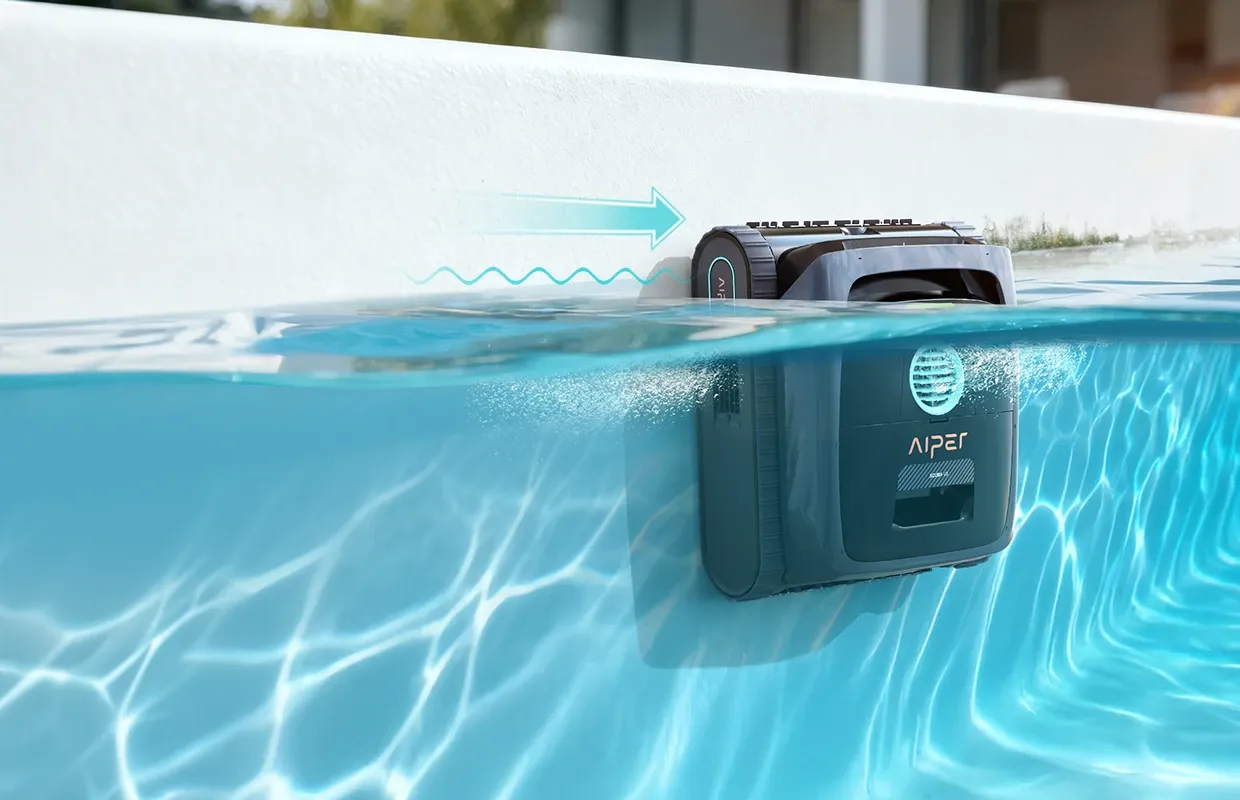
A great example is the Aiper Scuba V3. It comes equipped with AI-powered path planning that actively maps out the pool as it cleans. Instead of moving randomly, it adjusts its route in real-time to ensure full coverage of both the floor and walls, eliminating the frustration of missed spots and uneven cleaning.
Which Pool Vacuum System is Right for You?
Best for Above-Ground Pools
If you are a do-it-yourselfer looking for a super simple, easy option for an above-ground pool, pressure-side cleaners are generally highly recommended. However, if you have a smaller pump, a lightweight cordless option is also ideal because it won't overload your system.
Learn more about the easiest way to vacuum an above ground pool.
Best for Hands-Off Maintenance
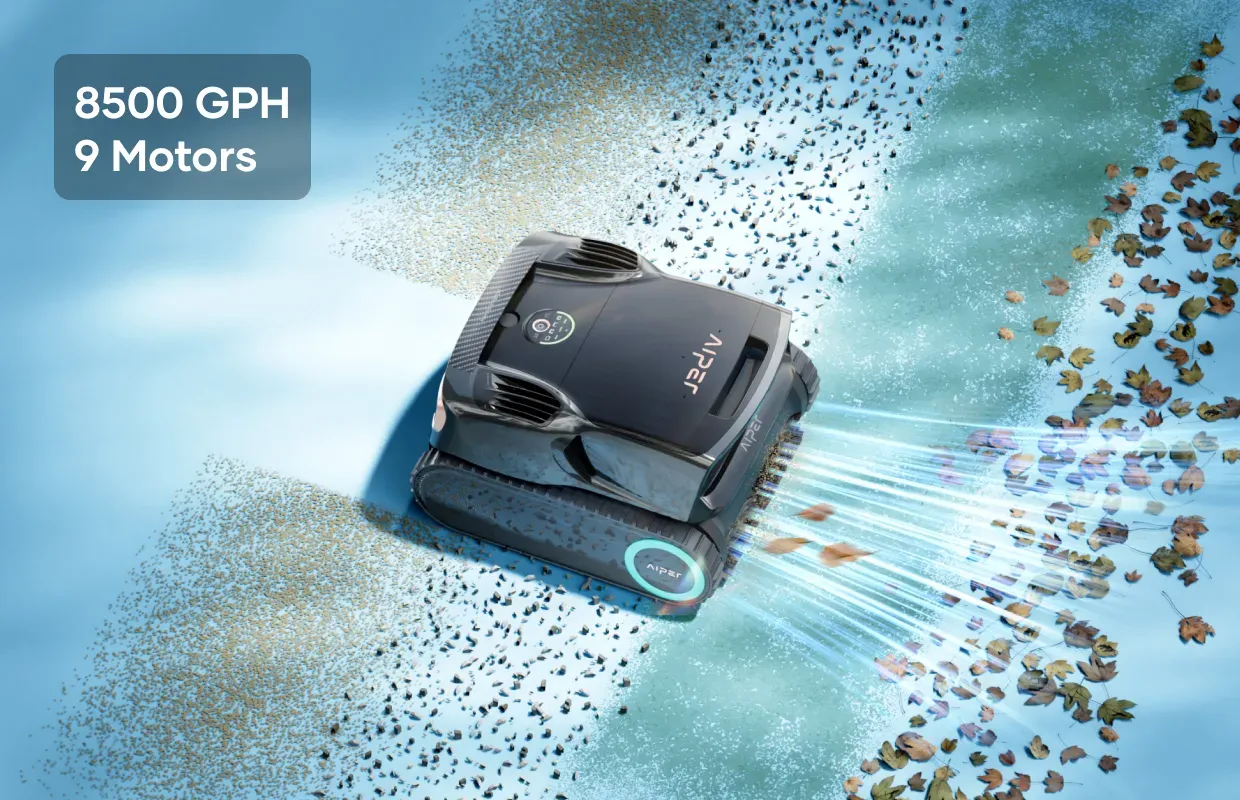
If you have a budget to work with and want an energy-efficient, excellent cleaner, I highly recommend going with a robotic pool cleaner.
They offer true "drop-and-go" convenience. For maximum performance and minimal effort, advanced models like the Aiper Scuba X1 Pro Max provide massive 8500 GPH suction power, waterline scrubbing, and extended battery life to ensure your pool stays pristine without the ongoing manual labor.
Frequently Asked Questions
Do I need to run my pool pump when using a robotic vacuum?
No, you do not. Robotic pool cleaners are completely self-contained units that do not require your filter system to run. This saves on energy costs and prevents unnecessary wear and tear on your primary pool equipment over time.
Can automatic cleaners scrub pool walls and the waterline?
It depends heavily on the model. Standard suction cleaners generally stick to the floor. However, robotic pool cleaners are specifically designed to scrub the tiles, the walls of your pool, and even the stairs.