
How to Edge a Lawn: A Step-by-Step Guide for Australian Homes
Achieving a professional lawn edge in Australia is simple: use a string line or hose to mark your boundary, trim vertically with a line trimmer, and clear the debris to create a sharp "shadow line" that prevents invasive grass from spreading.

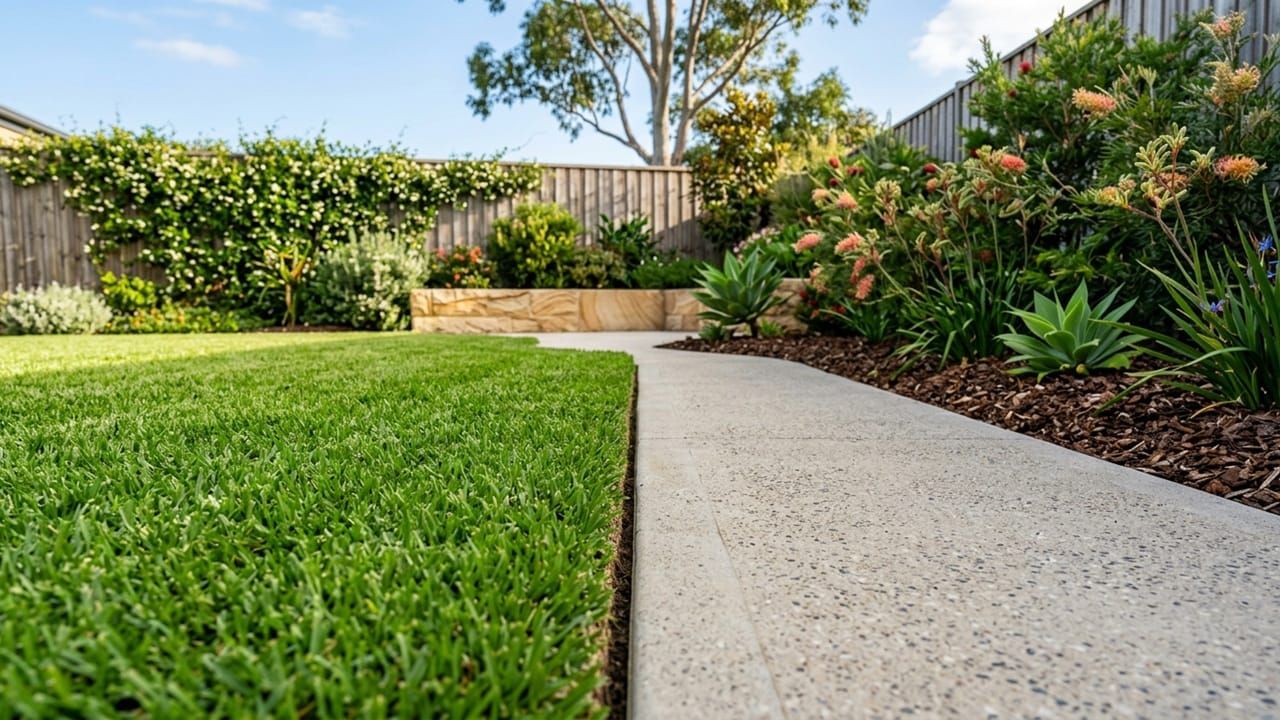
A crisp, defined lawn edge is the ultimate finishing touch for any Australian backyard. Even if your grass is perfectly green and freshly mown, overgrown edges spilling onto your driveway, footpath, or garden beds can make the entire property look untidy.
Fortunately, getting a professional-looking border is not complicated. You do not need a shed full of commercial gear or a massive budget to achieve clean lines. By using the right technique with a standard whipper snipper or a manual tool, you can transform your yard in just a few simple steps.
This guide breaks down exactly how to edge a lawn, tailored specifically for Australian homes and conditions.
What You Need to Get Started
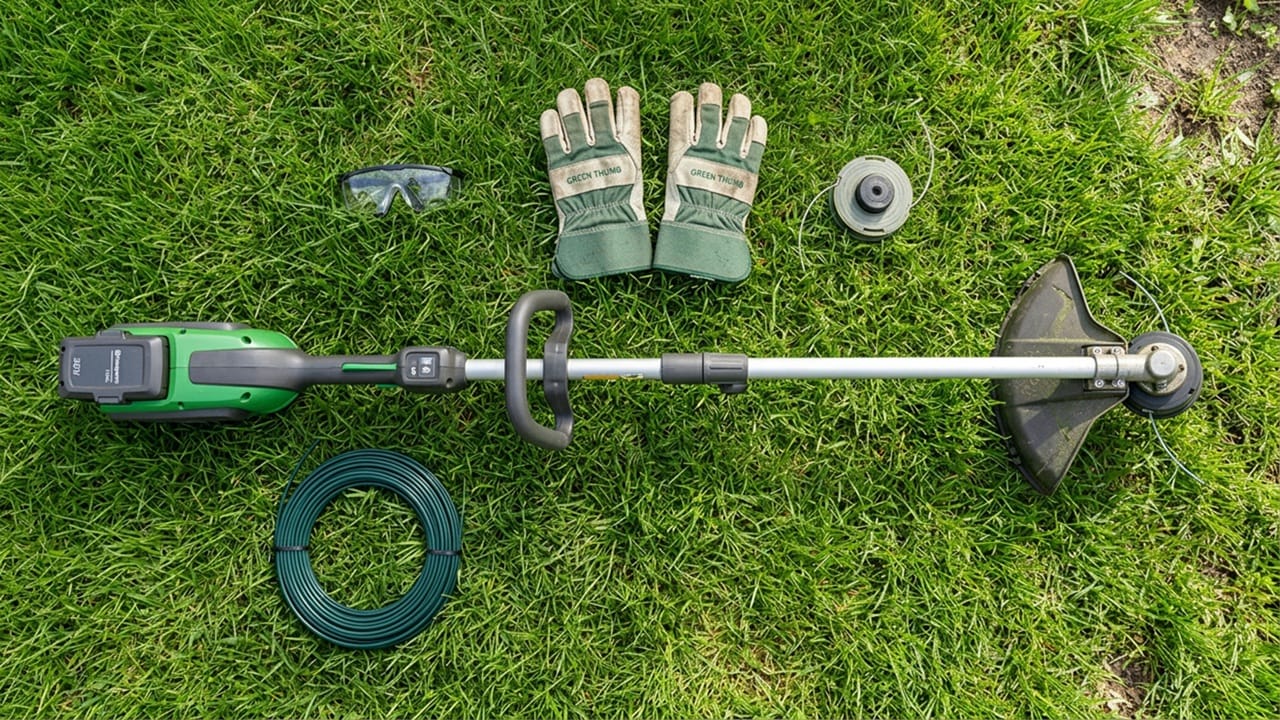
Before you begin, gather a few basic tools. Depending on the size of your yard and how overgrown your edges currently are, you will need:
- An Edging Tool: A petrol, battery, or electric whipper snipper (line trimmer) is perfect for regular maintenance. If you are redefining a heavily overgrown boundary for the first time, a manual half-moon edger or a spade will help establish the initial line.
- Safety Gear (PPE): Safety glasses are non-negotiable, as edging frequently kicks up dirt, mulch, and small stones. Wear sturdy, closed-toe shoes and gardening gloves.
- A Guide Line: For perfectly straight edges, a length of string tied between two stakes or a long timber plank works best. For curved garden beds, a flexible garden hose is the ideal guide.
- Cleanup Tools: A rake, a stiff-bristled broom, or a blower to tidy up the clippings and soil afterward.
How to Edge a Lawn Step-by-Step
Step 1: Mark Your Boundaries
The secret to a great lawn edge lies in the preparation. If you try to cut a line purely by sight, it is incredibly easy to wander, leaving you with a wavy border.
- For Straight Edges (along driveways, paths, and nature strips): Lay down a straight timber plank along the concrete, or run a tight string line just above the grass level where you want the edge to be.
- For Curved Edges (around garden beds or trees): Lay a garden hose along the ground to form the curve. Stand back and look at it from a distance to ensure the curve flows naturally before you start cutting.
Step 2: Clear the Area and Put on Safety Gear
Walk along the boundary line and remove any visible rocks, toys, or thick twigs. When a high-speed trimmer line hits a stone, it can fling it at high speeds, risking injury or damage to nearby windows. Put on your safety glasses, gloves, and closed-toe shoes.
Step 3: Make the First Cut
How you make your cut depends on the tool you are using:
- Using a Whipper Snipper: Turn the tool so that the cutting head is vertical (the spinning line should rotate perpendicular to the ground). Hold the shaft firmly with both hands to keep it steady. Position yourself so the trimmer line spins away from the path or driveway, which prevents debris from flying toward your face. Keep the guard between you and the cutting action, and walk forward slowly as you cut.
- Using a Manual Edger or Spade: Align the tool with your guide string or hose. Push the blade straight down into the turf using your foot, wiggle it slightly to loosen the grass roots, and pull it out.
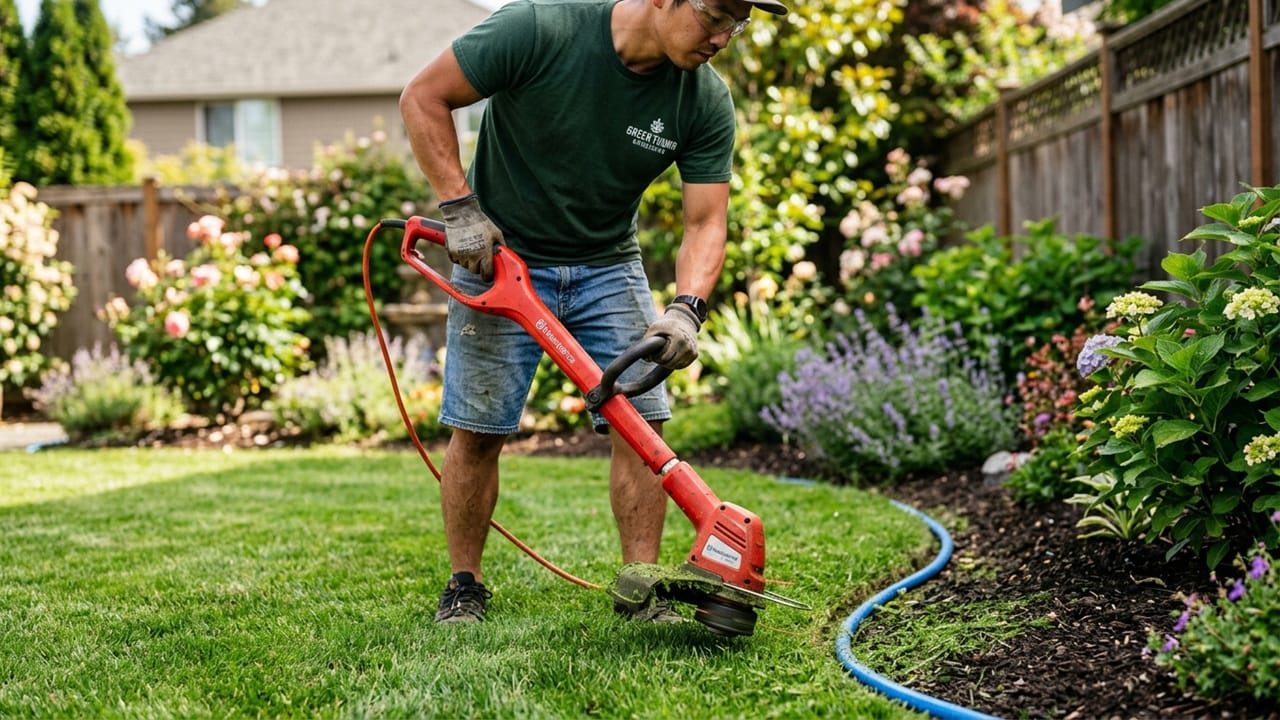
Move slowly and deliberately. If you are dealing with aggressive running grasses like Kikuyu or Couch, make sure you cut down about 3 to 5 centimetres. This depth is critical because it completely severs the lateral roots (runners), preventing them from quickly invading your paths and garden beds again.
Step 4: Remove the Loose Soil and Turf
Once you have cut along the entire line, you will be left with a small groove filled with loose grass roots, soil, and clippings. Use your gloved hands, a trowel, or a rake to pull this excess material out of the trench.
Removing this debris is what creates the "shadow line"—the clean, dark gap between your lawn and your hard surfaces or garden beds that gives the lawn its professional, sharp finish.

Step 5: Clean Up the Debris
Now that the edge is cut and cleared, use a broom or blower to clear any grass clippings and dirt off your driveway, path, or patio. This final sweep makes an immediate visual difference and prevents wet grass from staining your concrete.
How Often Should You Edge Your Lawn?
How frequently you need to edge depends heavily on the season and your turf type.
During the peak Australian growing season (spring and summer), fast-creeping grasses like Kikuyu, Couch, and Buffalo can quickly invade paths and garden beds. During these warmer months, plan to touch up your edges every two to three weeks.
In the cooler autumn and winter months, grass growth slows down significantly. You will likely only need to tidy up your edges once every six to eight weeks to keep the borders looking sharp.
Maintaining Your Lawn and Edges Smarter
Once your borders are looking sharp, ongoing maintenance is usually easy with a quick fortnightly touch-up. However, the biggest headache that can completely ruin a freshly cut edge within days is inaccurate watering. Traditional sprinklers blindly over-spray water all over your concrete driveways, paths, and patios. This over-spray does more than just waste water. First, the pooling water washes loose dirt and mulch straight back into your newly cleared V-shaped groove, quickly burying your hard work. Second, and most importantly, constantly soaking the concrete border sends a giant "grow here" signal to thirst-driven grass runners and weeds, encouraging them to rapidly invade your paths all over again.
Installing a precision system like the Aiper IrriSense 2 smart irrigation system can help automate and optimize your lawn watering routine. Through app-based control, you can manage irrigation zones and adjust watering schedules to better match the needs of different areas in your garden. This allows water to be distributed more precisely to lawn sections while reducing unnecessary overspray onto hard surfaces such as driveways and paths. As a result, you improve overall water efficiency, maintain a more consistent soil moisture balance, and help create cleaner, better-defined lawn edges over time.
Final Thoughts
Creating a clean lawn edge does not require professional equipment, but it does depend on careful preparation and consistent maintenance. Mark the boundary clearly, work slowly with your chosen edging tool, remove loose turf and soil, and finish by clearing away any debris. During the warmer Australian growing season, regular touch-ups will prevent fast-spreading grasses such as Kikuyu, Couch, and Buffalo from crossing into paths or garden beds. Combined with precise watering that limits unnecessary overspray, these simple habits will keep your lawn edges neat, defined, and easier to maintain throughout the year.
Frequently Asked Questions
Should you mow or edge first?
While there is no single "correct" answer, most professional gardeners prefer to edge first, then mow. When you edge, you will inevitably kick some dirt and long grass clippings onto the lawn. If you mow afterward, your lawnmower’s deck will easily suck up or shred those loose clippings, saving you an extra cleanup step.
Can you edge a lawn with a normal whipper snipper?
Yes, absolutely. You do not need a dedicated, wheeled lawn edger to get a clean border. By tilting your standard line trimmer vertically and walking slowly, you can achieve an incredibly sharp edge. Just ensure you keep a steady hand and work slowly to avoid scalping the grass.
How do you get a perfectly straight lawn edge?
The easiest way to get a straight edge is to use a physical guide. If you are edging against a concrete path or driveway, simply use the concrete edge as your physical boundary. If you are cutting an edge through open soil, peg down a tight string line and follow it closely with your trimmer.
How deep should the lawn edge trench be?
For a clean look, you only need to cut about 3 to 5 centimetres deep. This is deep enough to sever the lateral roots of invasive grasses without digging so deep that you damage underground utilities or destabilise the soil.