
How to Get Rid of Bindis Without Killing Grass
Remove bindis early with spot treatment, selective herbicides or manual pulling without harming lawn grass. Keep turf dense & healthy with proper watering to prevent bindi regrowth in Australian backyards.

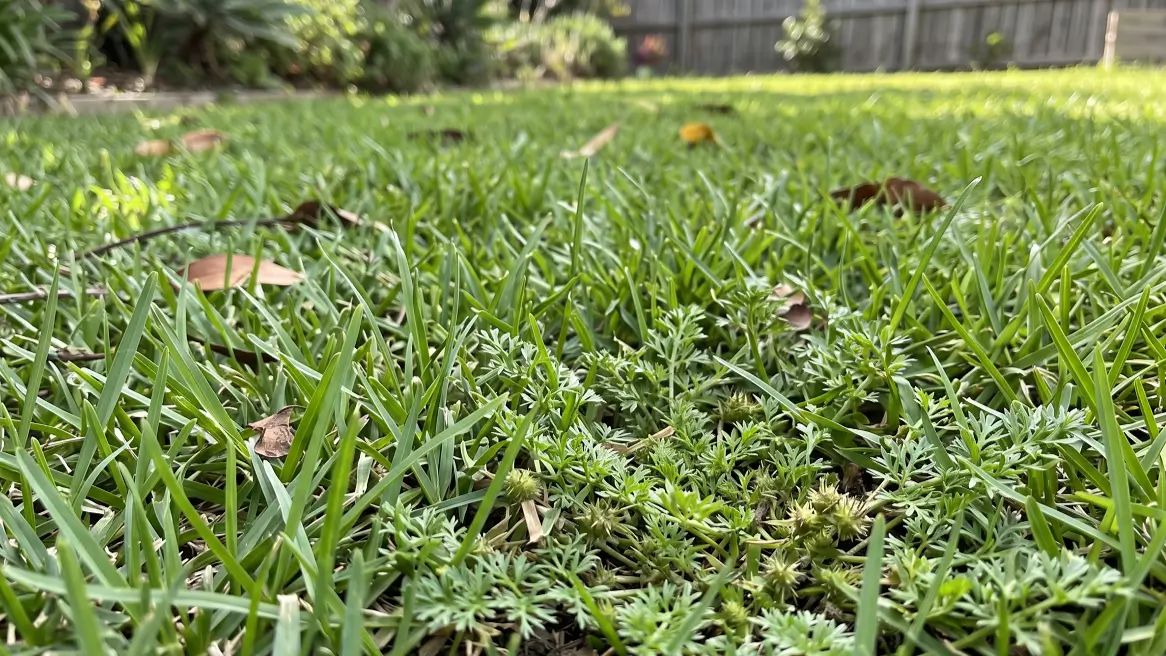
Nothing ruins an Australian backyard summer quite like the sharp sting of a bindi. For many homeowners, the presence of these painful prickles is discovered the hard way: a bare foot stepping onto a dry, sunbaked lawn only to find a cluster of seeds embedded in the skin. By the time the lawn becomes uncomfortable to walk on, the problem has usually reached its peak, leaving families and pet owners searching for an immediate fix.
While bindis are a notoriously frustrating lawn issue across the country, they are not impossible to manage. This guide will help you identify bindis early, remove them without harming your turf, manage the prickles if they have already formed, and implement strategies to stop them from coming back.
What Are Bindis and Why Are They a Problem?
In simple lawn care terms, bindis (Soliva sessilis) are low-growing winter annual weeds that thrive in the Australian climate. While many people mistake them for common clover or other broadleaf weeds, bindis are far more annoying due to their lifecycle. The real problem is not just the green foliage that blends into your grass during winter, but the sharp, woody seed heads they produce as the weather warms up in spring and summer.
Most homeowners do not notice bindis during their early growth phase because the feathery, fern-like leaves are quite small and grow prostrate against the ground. This lack of visibility means the window for easy control often passes before the average person even knows there is an issue. Once the plant matures and produces its prickly seeds, the lawn becomes a no-go zone for children and pets. Beyond the physical pain they cause, bindis are highly effective at spreading. The seeds are designed to hook into fur, shoes, and tyres, ensuring they find a new spot in your yard to germinate next year.
Why Do Bindis Grow in Lawns?
Bindis do not just rock up in your yard by fluke; they are opportunistic survivors that hunt out specific lawn conditions. They are most likely to set up shop in spots where the turf is looking a bit thin, weak, or patchy. If your lawn has bare soil exposed or the grass coverage is sparse, bindi seeds find it incredibly easy to hit the dirt and germinate once the cooler months roll around.
Lawn stress is a massive contributor to these infestations. Issues like low turf density, a lack of regular maintenance, and compacted soil create the perfect openings for these weeds to take over. When your grass is struggling to grow, weeds like bindis face zero competition for nutrients, light, or water. Just treating the weed without fixing the health of the lawn usually leads to the same old problems.
If your yard is the perfect playground for weeds to settle, they will keep coming back season after season, no matter how often you pull them out. Realising that bindis are actually a symptom of a struggling lawn is the first step toward getting things under control for good.
How to Identify Bindis Early in Australia
To get rid of bindis without killing grass, you must learn to spot them before the prickles become the main issue. Early identification is the difference between a simple spray or pull and a summer spent wearing shoes in your own backyard. In Australia, bindi seeds typically germinate in autumn and grow throughout the winter. This is the time to inspect your lawn closely.
Look for small, feathery, carrot-like leaves that grow in a circular rosette pattern close to the ground. They are usually a brighter green than many common turf types like Buffalo or Couch. You do not need to be a botanical expert to recognise them; just look for anything that breaks the uniform texture of your grass blades.
Catching bindis while they are still soft and green, specifically before they produce flowers in late winter or early spring, makes removal much more effective. Once the plant flowers, it is only a matter of weeks before the seed heads harden into the sharp prickles we all dread.
How to Get Rid of Bindis Without Killing Grass
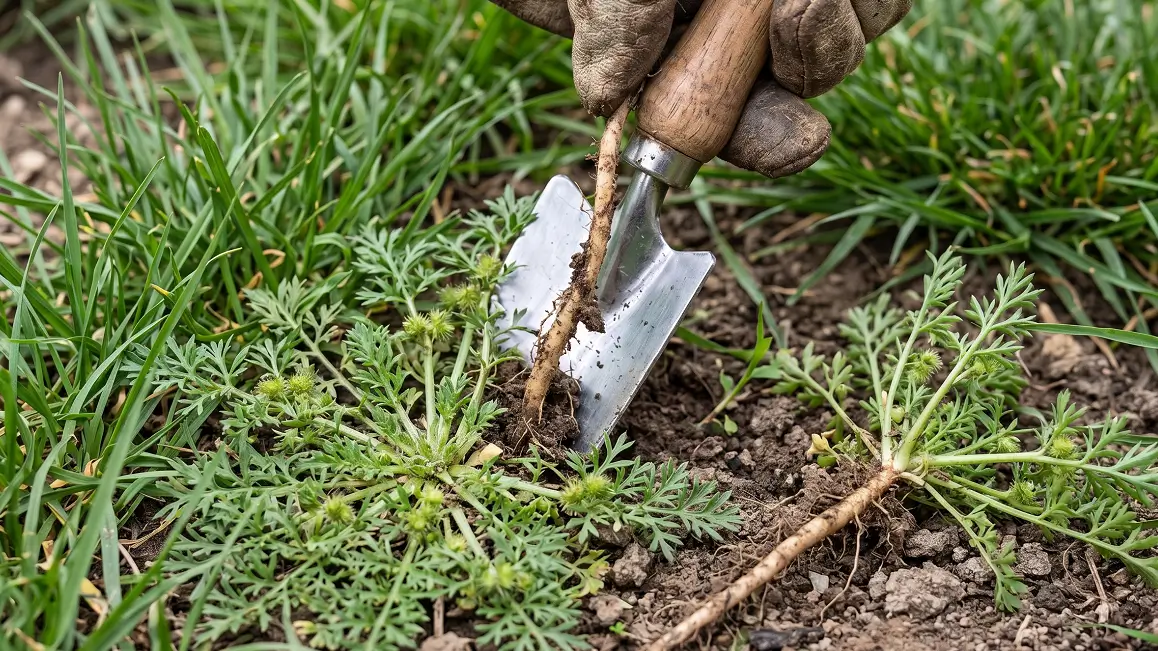
The challenge for most gardeners is removing the weeds without causing collateral damage to the lawn. The best treatment path depends entirely on the level of spread and the current growth stage of the weed.
Spot-treat bindis early
If you have a small yard or have caught the problem very early, spot-treating is the most efficient method. By targeting only the individual bindi plants, you minimize the amount of product used on your lawn. This targeted approach is the easiest way to stay ahead of the problem without putting the rest of your turf under unnecessary chemical stress.
Use a lawn-safe selective weed treatment
For broader infestations where hand-treating is not feasible, a selective broadleaf herbicide is the standard solution. It is vital to choose a product specifically labeled as safe for your particular grass type. For example, many general weed killers can severely damage or kill Buffalo grass, so always check the packaging carefully.
Choosing a lawn-safe option is far more important than simply picking the fastest-acting chemical. These selective herbicides work by targeting the physiology of broadleaf weeds like bindis while leaving the narrow-bladed grass unharmed. For the best results, apply these treatments in late winter or early spring before the prickles have hardened.
Remove isolated plants by hand when practical
If you have only spotted a handful of plants, getting in there by hand is a cracking way to deal with them without reaching for the chemicals. Grab a weeding tool or a simple garden trowel and aim for the centre of the rosette, making sure you dig deep enough to get the whole taproot out. It is much easier to do this when the ground is a bit damp, as the weed will usually pop right out of the soil.
While this obviously isn't the go-to move if your entire yard is covered in hundreds of them, it is definitely the safest way to keep your grass healthy when you are just dealing with a few small patches.
How to Stop Bindis from Coming Back

Prevention is just as important as removal. Because bindi seeds can remain dormant in the soil for several years, they often seem to keep returning even after a successful treatment. The most effective long-term defense against any weed is a thick, healthy, and vigorous lawn. When grass is dense and well-maintained, there is simply no room for bindi seeds to reach the soil and take hold.
Taking care of your grass is the best way to stop weeds. You should cut you grass at the right height so it grows thick and covers any bare spots. It is also important to keep the dirt healthy. Making small holes in the ground helps the roots grow deep and strong. When your grass is strong, it wins the fight against weeds.
Sensible watering is also a major part of a healthy yard. Using a smart tool like the Aiper IrriSense 2 can help maintain ideal moisture levels, ensuring your grass stays tough against environmental stress. By automating and improving your watering schedule, you support the kind of steady growth that keeps the lawn thick and weed-resistant.
While a stronger lawn is not a 100% guarantee you will never see a bindi again, it significantly lowers the chances of a massive invasion. If you focus on nourishing your grass all year round, you will find that the number of weeds you have to deal with each winter naturally starts to drop.
Conclusion
Getting rid of bindis is a multi-step process that really comes down to timing and the health of your turf. By spotting the weeds early during the cooler months, you can pick a removal method that actually protects your grass and keeps your backyard usable for the family. Whether you prefer spot-treating, getting stuck in with manual removal, or using selective herbicides, the main goal is always to act before those painful prickles have a chance to develop.
In the long run, the best defence is a proactive one. By focusing on prevention and keeping your lawn healthy and thick, you can ensure your backyard remains a comfortable, sting-free zone for years to come.
FAQs
What is the best way to get rid of bindis in a lawn?
The most effective way is to apply a selective broadleaf herbicide during late winter or early spring. This kills the plant before it can produce the sharp seed heads that cause pain.
How do you get rid of bindis without killing grass?
You must use a selective herbicide specifically designed for your grass type. Always read the label to ensure it is safe for varieties like Buffalo or Kikuyu, as some general weed killers will kill the grass along with the weeds.
When should you spray bindis?
In Australia, the best time to spray is between June and September. You want to hit the plants while they are actively growing, but before they have started to flower and set seed.
Should I mow before spraying bindis?
It is generally recommended not to mow for two to three days before or after spraying. This ensures there is enough leaf surface for the herbicide to be absorbed and gives the chemical time to move through the plant's system.
Does vinegar or Roundup kill bindis?
Yes, both will kill bindis, but they are non-selective. This means they will also kill any grass they touch, leaving dead brown spots in your lawn. For a healthy yard, a selective herbicide is a much better choice.
Why do bindis keep coming back?
They return because seeds from previous years can stay dormant in the soil. Furthermore, if your lawn is thin or stressed, it provides the perfect environment for new seeds to germinate and thrive each autumn.